
Review · HISTORICAL TOURS
Aberdeen’s Ancient Heritage and Folklore Tour
Pictish stones feel different in person. This 7.5-hour small-group tour from Aberdeen connects early settlers, Pictish symbols, and local folklore through a day of hilltop earthworks, stone circles, and close-up carvings.
I especially liked two things: the way the guide turns the monuments into stories you can picture, and the chance to stand close to symbol stones that are hard to understand from postcards. One thing to keep in mind: there is moderate walking on unpaved paths and grassy terrain, with some steep sections, so it is not ideal for low fitness or mobility needs.
In This Review
- Key takeaways before you go
- Key points I’d plan around
- Starting at the William Wallace Statue, then into the Pictish world
- Barra Hill Fort and why hilltop settlements mattered
- Dunnideer Castle ruins near Insch, plus the nearby stone circle
- Rhynie and Tap O’Noth, Scotland’s largest hillfort
- Recumbent stone circles near Easter Aquhorthies and Loanhead of Daviot
- The Bass and Symbol Stones at Inverurie, plus the motte-and-bailey story
- Dyce Symbol Stones near St. Fergus’ Chapel: carvings you can interpret
- Tomnaverie Stone Circle and the panoramic payoff
- Kildrummy lunch break and how to plan your day
- Price and what you really get for $134
- How the walking, weather, and group size affect your comfort
- Who should book this day, and who should skip it
- Should you book Aberdeen’s Ancient Heritage and Folklore Tour?
- FAQ
- How long is the Aberdeen’s Ancient Heritage and Folklore Tour?
- Where is the meeting point?
- Do I need to buy entry tickets during the tour?
- Is lunch or other food included?
- How much walking is involved?
- Can I cancel and get a refund?
Key takeaways before you go
If you want more than a drive-by, you’ll appreciate how this day is built around a handful of places you can actually walk on. The small group size (limited to 7) also makes it easier to ask questions when the guide points out details in the stones.
Still, the day is weather-dependent and you’ll want sturdy footwear, since even short walks can include off-road stretches and uneven ground.
Key points I’d plan around
- Small group size (max 7) keeps the day calm and question-friendly
- No entry tickets required, so you pay once and focus on the sites
- Symbol stones close-up, including carved designs like a mirror-and-comb motif
- Hillfort earthworks and recumbent circles, a strong mix of ages and styles
- Moderate off-road walking, with steep sections in places
More history walks in Aberdeen:
- London: Historic Pubs of Central London Walking Tour
★ 4.9 · 1,065 reviews - Portsmouth: Historic Dockyard Ultimate Explorer Ticket
★ 4.8 · 1,052 reviews - York: Witches and History Old Town Walking Tour
★ 4.7 · 928 reviews
Starting at the William Wallace Statue, then into the Pictish world
You start right in the center of Aberdeen, next to the William Wallace statue by Union Terrace Gardens on Rosemount Viaduct. It’s a handy meeting point if you’re already planning to explore the city before or after, and it means you won’t spend the morning hunting for a vague countryside pickup spot.
From there, you go by van between sites, with short stretches where you can get oriented again before the next stop. This matters because the day is history-heavy, but it never feels rushed. The guide’s job is not just naming places, but explaining what they likely meant to the people who built and used them.
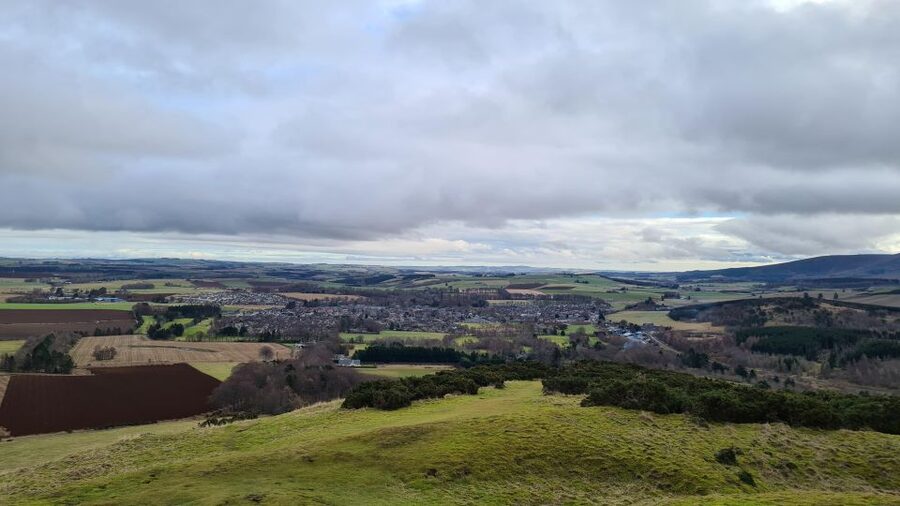
Expect a mix of nature, weather, and ancient stone. You’ll see earthworks on higher ground, tower-like ruins, stone circles, and museum-style shelter for carvings. And sprinkled through it all are the stories and folklore traditions that shaped local belief and culture over time.
Barra Hill Fort and why hilltop settlements mattered
Your first real stop is Barra Hill fort, where you’ll walk along the earthworks and foundations. Hill forts like these were built on higher ground, and that location was not just for drama. Elevation helped with visibility and defense, and it made it easier to organize a settlement where people lived and worked.
What I like about starting here is that it gives you a baseline for how these places were structured. Even if you’re not a stonework expert, you can still read the shapes of the earth, trace the boundaries, and get a sense of how communities formed on the hills. The tour also makes it clear that these were not empty ruins. There would have been wooden or stone enclosures, and the whole area likely functioned as a lived-in space rather than a single monument.
Practical note: you’ll walk through fields and on off-road paths to reach the best viewpoints. That means your shoes need real grip. Bring water, because even in a cool northeast Scotland day, walking on open ground adds up fast.
Dunnideer Castle ruins near Insch, plus the nearby stone circle
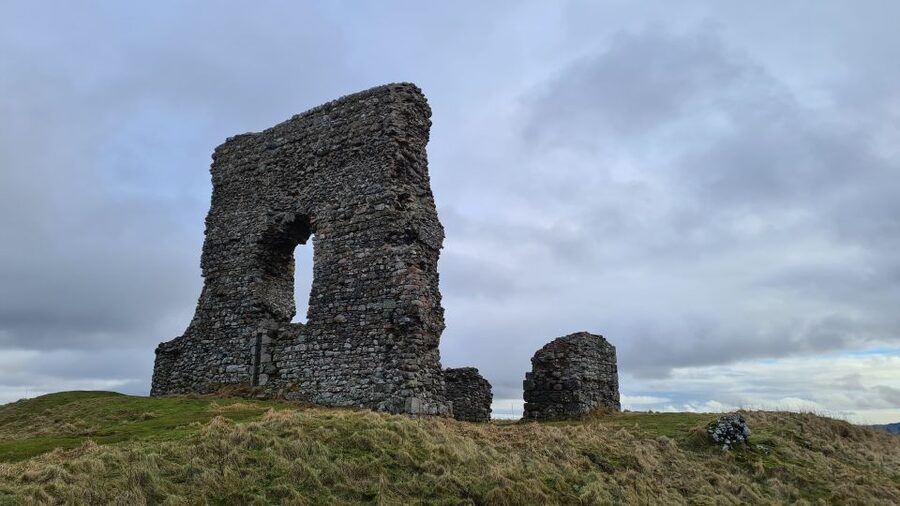
Next up is Insch, with a short walk up a low hill to see the ruins of Dunnideer Castle. It was a tower house built around 1260, and the guide explains that it reused parts of an older vitrified hill fort in the same location. That one detail does a lot of work. You start to see how power and settlement changed across centuries, but the geography stayed useful.
A short distance away you’ll also find the remaining stones of the Dunnideer Stone Circle. Standing between a medieval-looking ruin and an older ring of standing stones is a great way to understand how long people returned to meaningful places. This is also where folklore vibes tend to click, because stone circles and hilltops carry stories whether or not you have hard dates nailed down.
The visit is brief, but it’s a smart contrast stop. If your feet need a break, the walks are short enough that you can pace yourself without feeling like you missed the main event.
A few more Aberdeen days worth comparing
- Loch Ness and the Highlands 1-Day Tour from Aberdeen
★ 4.8 · 340 reviews - From Aberdeen: Dunnottar Castle and Cairngorms Day Trip
★ 4.8 · 329 reviews - From Aberdeen: Balmoral Estate & Royal Deeside Tour
★ 4.9 · 243 reviews - From Aberdeen: Coastal Villages of Aberdeenshire Tour
★ 4.9 · 149 reviews
Rhynie and Tap O’Noth, Scotland’s largest hillfort
Rhynie is where the day starts to feel big. The highlight here is Tap O’Noth, which the tour describes as Scotland’s largest hillfort. At its peak, it rivaled the largest post-Roman settlements in Europe, with researchers believing the community could have exceeded 5,000 residents.
You also get a Pictish layer here through a collection of Pictish carved stones. The guide will explain the symbols and their possible meanings, so you’re not just looking at carvings as random patterns. You’ll hear how Pictish symbol systems helped communicate identity, status, or beliefs.
One standout detail is the Crawstane, a lone standing stone once at the center of a settlement. The tour shares that this area had trade across the Mediterranean and great wealth. Even if you take that in as a best estimate rather than a certainty, it changes the mood. The Picts weren’t portrayed as peripheral in this telling. They appear connected, organized, and influential.
This stop also brings political storytelling into focus: the guide covers the King of the Scots and how cultural shifts in Scotland are thought to have led to the downfall of the Picts. That kind of framing helps you understand why monuments like these either survived, changed use, or got reinterpreted as new power took over.
Recumbent stone circles near Easter Aquhorthies and Loanhead of Daviot
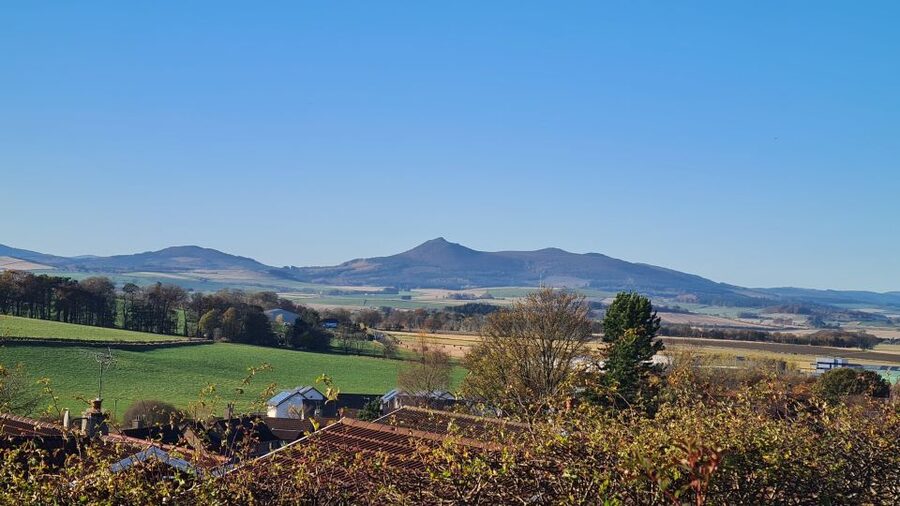
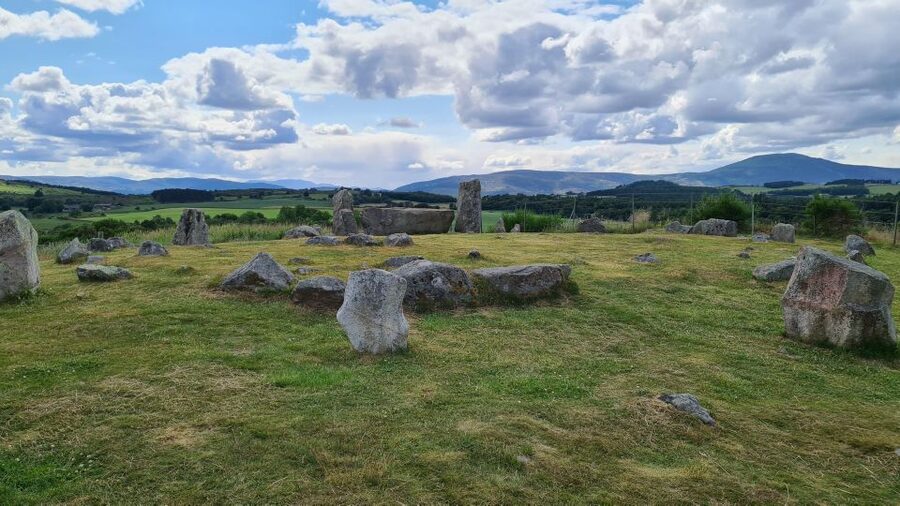
After the hillfort scale, the tour shifts to stone circles with a different feel. Near Inverurie are Easter Aquhorthies and Loanhead of Daviot Circles, described as one of Scotland’s best-preserved recumbent stone circles. Dating is placed at over 4,000 years old, late Neolithic or early Bronze Age.
If you have never seen a recumbent circle in real life, this is a good intro. The layout includes a distinctive recumbent stone flanked by two tall standing stones, plus a nearly complete ring of smaller stones around them. It’s the kind of geometry you can actually stand next to and look over, and it makes you think about planning and astronomy or ritual without needing complicated jargon.
Also, these are outdoors monuments, so the weather will change how they feel. On a grey day they can look austere. On a clearer day they can feel open and ceremonial. Either way, you’re seeing an ancient design built to be read by human eyes, not just admired from a distance.
The Bass and Symbol Stones at Inverurie, plus the motte-and-bailey story
At Inverurie you’ll meet a layered site built on shifting time periods. The Bass is described as a mound that becomes a medieval motte-and-bailey stronghold. The mound is around 15 meters (50 feet) high, and the tour notes it was shaped into a classic medieval motte in the 12th century by the Earls of Garioch.
Then there’s the “Little Bass” which forms the bailey. I like how this stop links landscape, engineering, and power without turning it into a dry lecture. You’re basically seeing how older ground features can be repurposed to support new defensive needs.
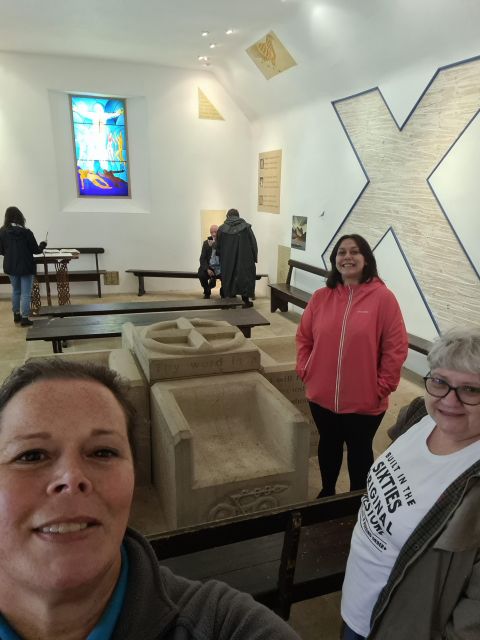
Between the Bass and Little Bass are four Class I Pictish stones now sheltered in a glass case. In plain terms, it’s a smart way to protect carved stones while still letting you view them clearly. It also changes your viewing approach. Instead of braving wind and rain, you can study the carvings.
And this is where your guide’s storytelling really matters. The tour connects the Pictish stones to the broader early medieval past, so you’re not just looking at symbols, you’re learning how they fit into a wider culture and time.
Dyce Symbol Stones near St. Fergus’ Chapel: carvings you can interpret
Toward the end of the day, you get the Dyce Symbol Stones, two carved Pictish stones located in the old churchyard of St. Fergus’ Chapel in Dyce near Aberdeen. The tour places them around the 6th to 8th centuries, and the carvings are described as having classic Pictish artistry.
This stop matters because it’s close to a modern setting, and it shows how early medieval stones can exist side by side with later religious spaces. You’ll be able to see symbols the tour names specifically, including a mirror and comb, a double-disc, a crescent, and unique animal figures.
Those are not random symbols in this presentation. The guide explains what the symbols are and how they were used. Whether you’re a total beginner or you like decoding old designs, these kinds of details give you something to hold onto after the van ride.
The best viewing tip here is simple: slow down. Give yourself time to look, then let the guide connect the dots. If you rush, the carvings can feel like patterns. If you take your time, they start to feel intentional.
Tomnaverie Stone Circle and the panoramic payoff
The final major monument stop is Tomnaverie Stone Circle. You’ll have a photo stop and then time to visit and walk around for about 35 minutes.
Tomnaverie is called out for panoramic views, and honestly that’s why it can be a strong ending. After earlier hillforts and symbol stones, a circle with open sightlines gives your brain a breather. It also reminds you that these monuments were not designed only for the people who built them, but for the way the world around them looks.
This is one of those stops where a good view depends on the weather. If the sky is clear, it’s easier to understand how sightlines might have mattered. If it’s misty or rainy, the stone shapes still make sense, but the sense of distance and timing gets harder to feel.
Either way, finish with your camera ready, but also keep a moment to just look with your eyes. The stonework is the point.
Kildrummy lunch break and how to plan your day
Midday you’ll have a lunch break at Kildrummy with time to refuel. What’s important is that food and refreshments are not included, so you’ll want to bring something or plan to buy where you can during that pause.
This matters for value. A history day can turn into a snack scramble if you assumed lunch was covered. Even if you’re not picky, having a plan for water and food will make the walking portion feel easier.
I also suggest you treat lunch as a reset, not just a meal. Take a few minutes to sit, check your footing for the afternoon walks, and make sure you’re comfortable with the fact that you’ll still be outside for several more hours.
Price and what you really get for $134
At $134 per person for a 7.5-hour small-group day, the price can feel steep if you compare it to a free museum or a self-guided walk. But for what you’re paying for, I think it holds up.
You get:
- A live English guide
- A small group limited to 7 participants
- A full day of van transport between multiple archaeological sites
- No additional entry tickets required
That last point is a big deal in the UK, where some attractions add fees fast. Here, you don’t have to budget for separate admissions on top of the tour cost.
Also, the guide’s role is not cosmetic. Reviews highlight that the guides love the subject and can explain the meaning of stones and symbols, not just the basics. When you’re paying for history, that interpretive work is part of the product.
So the value equation is simple. If you want to see several sites without spending hours researching how to find them, and you want someone to connect the symbols and stories, $134 starts to make sense.
How the walking, weather, and group size affect your comfort
This tour has a moderate amount of walking. You’ll be on unpaved paths and grassy terrain, and some parts include steep sections. The good news is that you’re not forced into every walk. The tour notes that guests are not required to participate in all stops or walks if they don’t wish to.
Still, it’s not a sit-and-see day. The best moments come when you step into the earthworks at Barra Hill fort, get to view ruins up close at Insch, and walk around stone circles like Tomnaverie.
For gear, stick to:
- Comfortable shoes or proper hiking footwear with grip
- Water
- Outdoor clothes that match the day’s weather
And if you prefer extra support, the tour says walking poles may be available on the day for those who want them, or you can bring your own.
Who should book this day, and who should skip it
This tour is a strong fit if you want Scotland’s northeast in a way that feels hands-on. You’ll like it if you enjoy stone circles, Pictish symbols, and the kind of folklore that helps make ancient sites feel human.
It may not be for you if:
- You have mobility impairments
- You have low fitness
- You want an easy, mostly flat walk with no off-road sections
Should you book Aberdeen’s Ancient Heritage and Folklore Tour?
Yes, if you like your history with scenery and your symbols with explanation. I’d book it for the mix: hillfort earthworks like Barra Hill, a medieval connection at Dunnideer Castle, the scale of Tap O’Noth, and then the focused detail of Pictish carvings at places like Dyce and the Inverurie stone shelters.
I’d think twice only if walking steep, unpaved stretches sounds unpleasant, or if you hate weather-based outdoor days. If that’s you, consider a lighter option and save the folklore and symbol decoding for a more accessible day.
If you do book, come prepared, take your time at the stones, and ask questions. This is the kind of tour where the guide’s storytelling turns a pile of rocks into a place you can picture in your mind.
FAQ
How long is the Aberdeen’s Ancient Heritage and Folklore Tour?
The tour lasts about 7.5 hours.
Where is the meeting point?
You meet next to the William Wallace statue by Union Terrace Gardens on Rosemount Viaduct.
Do I need to buy entry tickets during the tour?
No. The tour states that no additional entry tickets required.
Is lunch or other food included?
Food and refreshments are not included. The day includes a lunch stop, but you’ll need to handle your own meal.
How much walking is involved?
There is a moderate amount of walking. Expect unpaved paths or walkways, grassy terrain, and some steep hill sections. It is not suitable for people with mobility impairments or low level fitness.
Can I cancel and get a refund?
Yes. The tour offers free cancellation up to 24 hours in advance for a full refund.
Newly listed near Aberdeen
- From Aberdeen: Guided Day Trip, Coast & Castle Visit★ 4.7 · 36 reviews
- From Aberdeen: North East Coastal Trail Small-Group Tour★ 4.8 · 122 reviews
- From Aberdeen: Adventure to St Andrews & Dundee★ 4.2 · 24 reviews
- From Aberdeen: Coastal Villages of Aberdeenshire Tour★ 4.9 · 149 reviews
- From Aberdeen: Balmoral Estate & Royal Deeside Tour★ 4.9 · 243 reviews
- From Aberdeen: Dunnottar Castle and Cairngorms Day Trip★ 4.8 · 329 reviews
- Loch Ness and the Highlands 1-Day Tour from Aberdeen★ 4.8 · 340 reviews
Historical Tours, compared.




Browse the lists this tour appears in