
Review · MUSEUMS
Birmingham: The National Motorcycle Museum Ticket
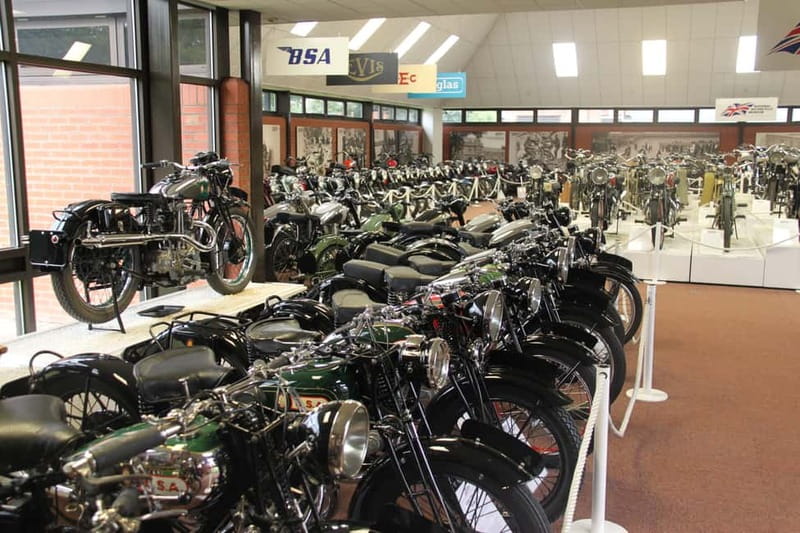
British motorcycling history looks better in person. The National Motorcycle Museum in Birmingham packs the largest collection of British motorcycles in the world into a big, well-organized one-day visit. I like the sheer scale, with 1,000-plus bikes across five display halls, so you feel like you’re walking through the full evolution of UK engineering.
I also like how the museum makes a complex story easy to follow, with restored machines arranged across time and themes. You can wander at your own speed, whether you care about early pioneers, wartime utility bikes, record-setting racers, or the latest superbikes.
One possible drawback: some bike information sits low, so if you have trouble reading floor-level labels, plan to get close to the displays and consider bringing reading glasses.
In This Review
- Key things to know before you go
- Where the museum fits into a Birmingham day
- Price and value: is $22 enough for a full day?
- Your one-day game plan inside the museum
- Hall by hall: a time line from 1898 to modern superbikes
- Early engineering and the pioneer era
- Wartime and practical utility
- Record-breaking racers and performance machines
- Modern superbikes and today’s direction
- Rare and iconic models: what to look for first
- The museum’s storytelling style, and where it can frustrate you
- Family-friendly fun, and how kids usually enjoy it
- When you might spot famous riders and extra energy
- Practical comfort: food, parking, and a sensible pace
- Who this ticket is best for
- Should you book the National Motorcycle Museum ticket in Birmingham?
- FAQ
- Where is the National Motorcycle Museum?
- How long is the visit?
- What are the opening hours?
- How many motorcycles are on display?
- How many display halls are there?
- How much does the ticket cost?
- Is there free parking and is it easy to reach?
- Is the museum wheelchair accessible?
Key things to know before you go
- 1,000-plus British motorcycles: see bikes from early pioneers through modern superbikes in one place.
- Five display halls with a time line: the layout helps you track progress from 1898 to today.
- 170 manufacturers represented: a broad snapshot of who built what, and when.
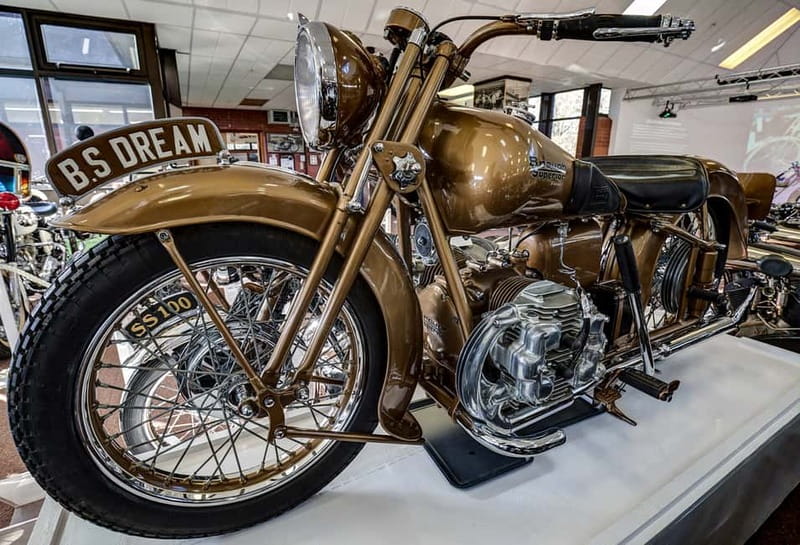
- Rare, iconic models up close: the museum leans into standout machines, not just generic displays.
- Interactive, family-friendly wayfinding: easy-to-follow displays and plenty of stuff to spot.
- Bike label height can be tricky: some text is low, so approach displays for better reading.
Where the museum fits into a Birmingham day
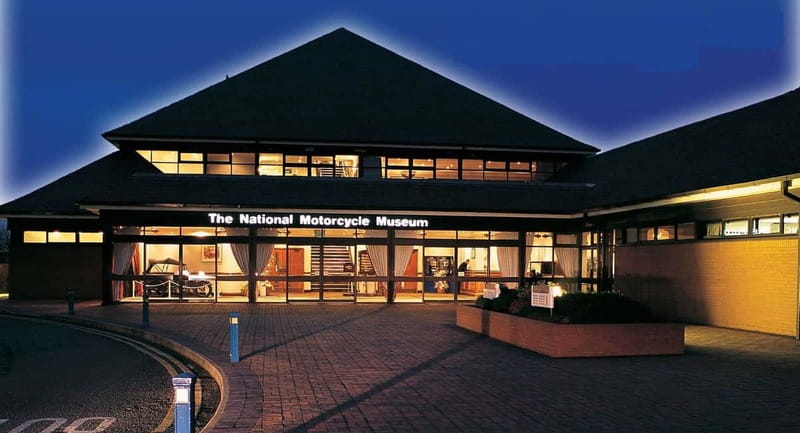
The National Motorcycle Museum sits on Coventry Road, Bickenhill (Solihull), just off Junction 6 of the M42. That location matters because it makes the museum easy to reach by car, and it’s also close to Birmingham International Airport and the train station. In plain terms, you can make this a simple add-on day without fighting complicated local logistics.
This is a ticketed visit that lasts as long as you need, but the good target is a full day. The museum is open from 8:30 AM to 5:30 PM, with last admission at 4:30 PM. If you’re trying to see a lot, I’d aim to arrive earlier rather than later, because you will want time to slow down at the bikes that catch your eye.
You’ll have free on-site parking, which is a big deal if you’re driving in. The museum also has a food foyer where you can grab hot meals and snacks, plus a well-stocked gift shop if you want books, clothing, or motorcycle-themed souvenirs.
If you care about comfort, the museum offers full wheelchair access and baby-changing facilities. That means you’re not stuck in a “fast walkthrough only” kind of visit.
More museum visits in Birmingham:
- London: Tower of London and Crown Jewels Exhibition Ticket
★ 4.6 · 28,769 reviews - Liverpool: Liverpool Football Club Museum and Stadium Tour
★ 4.8 · 10,764 reviews - London: Chelsea Football Club Stadium and Museum Tour
★ 4.8 · 4,576 reviews
Price and value: is $22 enough for a full day?
The ticket price is listed as about $22 per person, and admission is included. For a museum with over 1,000 motorcycles, across five halls, that’s the kind of value that feels realistic if you pace yourself.
Here’s how I think about value for this place:
- You’re paying for a lot of physical exhibits, not a short show or guided session. Once you’re inside, the museum gives you the freedom to wander and compare bikes.
- The collection is broad, not just famous brands. With bikes from 170 manufacturers, the display set is doing the work of a “history tour” even if you don’t read every label.
- You’re not forced into a strict schedule. A self-paced museum day tends to stretch further than you expect, especially when you’re mixing quiet looking with occasional rest breaks.
The main thing that affects whether it feels worth it is how your interest is. If you love motorcycles and you want to see how designs changed over decades, this will feel like a full payoff. If you’re only mildly curious, you can still enjoy it, but you might want to be selective with where you spend the most time.
Your one-day game plan inside the museum
This museum is built for wandering. So instead of thinking “I must see everything,” think “I’ll build a route that matches my interests.”
You’re working with five expansive display halls. The displays cover the evolution of British motorcycle engineering from 1898 to today. Many of the bikes are beautifully restored, and the museum mixes early machines, wartime utility bikes, racers, and modern superbikes.
My practical approach for a smooth day:
- Start with your time period of interest, even if it’s not Hall 1. The museum’s time line is a helpful backbone, but you don’t have to follow it like a homework assignment.
- Use the halls as chapters. When you finish one hall, pause for a snack or a short sit-down so your feet recover.
- Return to the bikes that genuinely grab you. A big collection is great, but the fun is in close inspection of the machines you can’t stop thinking about.
There’s also a strong storytelling element. You’ll see bikes tied to records, film appearances, and the engineering decisions that shaped UK motorcycling heritage. That storytelling is what turns a room full of bikes into a day that feels like you learned something, not just looked at metal.
Hall by hall: a time line from 1898 to modern superbikes
The museum’s five display halls are where the visit clicks into place. Even if you don’t read every single label, the layout helps you feel the shift in technology and style as the years roll by.
A few more Birmingham days worth comparing
- Birmingham: National Sea Life Centre Entrance Ticket
★ 4.3 · 254 reviews - Birmingham: Cadbury World Entry Ticket
★ 4.4 · 230 reviews - Birmingham: Slogging Gangs Guided Walking Tour
★ 4.2 · 216 reviews - From Birmingham: Cotswolds Full-Day Tour
★ 4.7 · 215 reviews
Early engineering and the pioneer era
In the earliest displays, you’ll see motorcycles connected to the very early days of British engineering. The museum includes early bicycle-powered engines and other pioneer vehicles. This is the section that can surprise people who think motorcycles always looked like today’s sport bikes. The designs are simpler, and you can see how the ideas evolved into the machines that became familiar later.
If you enjoy “how did they figure that out” moments, this is one of the most rewarding parts of the museum. Take a minute to look at proportions and build details, because that’s where the story shows up visually.
Wartime and practical utility
The museum also highlights wartime utility bikes. This isn’t just about motorcycles as gadgets. It’s about bikes built for real use, where function mattered and engineering had to do its job under pressure.
Even if you’re not a history fan, these displays help you understand why certain design choices made sense. If you’re the kind of person who likes context, this hall gives it without getting heavy.
Record-breaking racers and performance machines
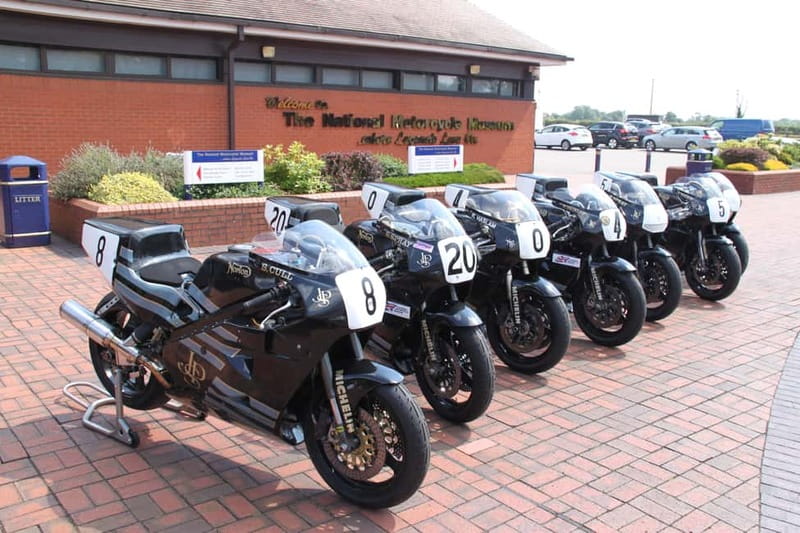
Then you move into bikes built to win and to prove a point. The collection includes record-breaking racers, which makes this a fun zone for anyone who wants speed and competition to be part of the day.
This is also where the museum’s “British motorcycle engineering” focus feels especially strong. You can compare how performance goals influenced look, parts, and overall design.
Modern superbikes and today’s direction
By the time you reach modern machines, the contrast is striking. You’ll see cutting-edge superbikes displayed alongside the earlier eras, which makes it easier to see what changed and what stayed recognizable.
This isn’t a generic “here are the latest bikes” setup. It feels like part of the same story, just in the newest chapter. If you’re into bikes now, it’s a satisfying ending to a day that started with the fundamentals.
Rare and iconic models: what to look for first
The museum doesn’t just aim for quantity. It also focuses on getting you up close to super rare and iconic motorcycle models. That combination is why people walk in thinking they’ll spend an hour or two and then realize they’ve been in a hall for much longer.
When you’re deciding what to prioritize, I suggest you watch for three things:
- Standout names or record context: the museum ties some bikes to speed records, film connections, or major roles in UK motorcycling heritage.
- Condition and restoration detail: many bikes are beautifully restored, so look for craftsmanship, not just the silhouette.
- Design evolution across eras: pick one theme, like sportier lines over time or engineering for practicality, then spot those changes as you move hall to hall.
One tip for making this “up close” part actually work: slow down when you find a model that interests you. In a collection this large, the temptation is to keep moving. But that’s where you get the payoff, especially with rare machines.
The museum’s storytelling style, and where it can frustrate you
The National Motorcycle Museum uses timelines and easy-to-follow displays to make the experience accessible for different ages. It also leans into interactive elements, which helps keep the momentum going for kids and beginners.
There’s a strong sense of stories behind the machines. You’ll encounter details about engineers, designers, and fearless riders who shaped the legacy of British motorcycling. Some bikes have links to film appearances, and others are shown in the context of records and historical significance.
Now, the drawback. One specific issue that came up is that the information on some bikes can be placed low, at floor height. If you’re short, you’re looking from a distance, or you simply prefer larger readable text, this can be frustrating.
What I recommend:
- Step closer when you want to read. The museum layout supports that, and it’s usually worth the effort.
- Bring reading glasses if you need them. It’s a small thing, and it can save your enjoyment later in the day.
- Don’t try to absorb every label. Pick the bikes that capture your attention, and let the rest be visual context.
That way, you still get the historical sense of the collection even if not every label is instantly readable from where you stand.
Family-friendly fun, and how kids usually enjoy it
This is a good family day out, and not in a forced way. The museum is designed so children can engage with the displays through spotting colourful or quirky models and picking up fun facts from the information around the exhibits.
If you’re visiting with younger kids, think of it as a “bike scavenger hunt” even if there’s no official list. Ask them to point out differences in style, or see who can find the most unusual-looking bike in each hall. The museum’s time line and multiple halls make that easy to turn into a game.
For teens and first-time visitors, the museum also works because it mixes historic meaning with modern excitement. You can start with something that looks cool now, then follow the time line back to earlier machines to see where the design ideas came from.
If you’re with elderly family members or anyone with mobility limitations, the full wheelchair access helps, and you can take breaks inside the food foyer when needed.
When you might spot famous riders and extra energy
One of the neat surprises is that the museum can be part of real-world motorcycling culture. On one visit, it was mentioned as a rest stop for Dave Day, and that day reportedly drew lots of bikers, including well known names like Henry Cole and Alan Millyard.
That doesn’t mean it’s always like that, but it’s a good heads-up: sometimes you might find the museum has an extra buzz from organised rides or motorcycling events. If you’re there on a day when local biking activity is happening, you’ll likely feel that energy in the car park and the surrounding area.
Even without that, the museum itself has a constant “fans talking to fans” vibe, because people tend to look longer and comment more in a place like this.
Practical comfort: food, parking, and a sensible pace
You’ll be on your feet. That’s the honest part of a motorcycle museum. The good news is the museum has practical support built in.
The food foyer offers hot meals and snacks, so you’re not forced to leave mid-visit just to eat. That saves time, and it helps you keep a relaxed rhythm. There’s also a gift shop right on site, which is handy if you want to wrap up the day with something small for yourself or as a souvenir.
If you’re driving, take advantage of free on-site parking. Use it as an excuse to arrive early rather than rushing from the airport or station. And because the last admission is 4:30 PM, you can plan a calm end rather than sprinting at closing time.
A smart pace suggestion: plan to spend more time in the halls that match your strongest interest. If you’re mainly into modern sport bikes, you might spend extra time in the later sections. If you love the story of engineering progress, dedicate time to the pioneer and wartime areas where the design leaps feel biggest.
Who this ticket is best for
This is a strong fit if:
- You love motorcycles, or you even just like the look of machinery.
- You want a single place that covers British motorcycle history from early days to today.
- You like the idea of comparing eras in one walk, thanks to the five hall layout.
- You’re bringing kids and want them to have more than just “standing and reading.”
It’s also a fine choice if you’re not a hardcore enthusiast but you want a memorable, different day in Birmingham. The sheer variety helps even casual visitors keep finding something interesting.
If you’re the type who gets easily overwhelmed by big collections, choose a route first. Decide on one or two eras, then return for a quick look through the rest.
Should you book the National Motorcycle Museum ticket in Birmingham?
I think you should book it if you want a one-day plan that’s easy to reach, simple to enjoy, and packed with real machines. The value comes from the combination of 1,000-plus motorcycles, a time line across five display halls, and the chance to see rare and iconic models up close.
If you’re unsure, here’s the decision rule I use: if you’d happily spend time looking at details on anything mechanical, this museum will likely feel like a good use of your day. If you only want a quick glance, you might find it a bit large, and the low label placement can make it less comfortable to read.
For most people, though, this ticket turns Birmingham into something more fun than a standard museum day. It’s a classic, practical, very British kind of experience, where you can just keep walking until the bikes and stories start to click.
FAQ
Where is the National Motorcycle Museum?
The museum is on Coventry Road, Bickenhill, Hampton in Arden, Solihull, B92 0EJ, UK.
How long is the visit?
The ticket is valid for 1 day, so you can spend as long as you like within opening hours.
What are the opening hours?
The museum is open 7 days a week from 8:30 AM to 5:30 PM, with last admission at 4:30 PM.
How many motorcycles are on display?
There are over 1,000 motorcycles displayed.
How many display halls are there?
The museum has five expansive display halls.
How much does the ticket cost?
The price is listed as about $22 per person.
Is there free parking and is it easy to reach?
Yes, there is free on-site parking, and the museum is reached off Junction 6 of the M42.
Is the museum wheelchair accessible?
Yes, it offers full wheelchair access.
Newly listed near Birmingham
- From Birmingham: Stonehenge & Bath Day Tour★ 4.6 · 158 reviews
- Digbeth, Public art and Peaky Film Guided Walking Tour★ 4.7 · 11 reviews
- Birmingham: Victorian Canals and Modern-Day Birmingham Tour★ 4.7 · 92 reviews
- Birmingham: Legoland Discovery Centre Entry Ticket★ 4.1 · 74 reviews
- Birmingham : Must-see Attractions Private Walking Tour★ 5.0 · 3 reviews
- Birmingham: Cadbury World + SEA LIFE + LEGOLAND Discovery★ 5.0 · 5 reviews
- Birmingham: City Walking Tour and Exploration Game★ 4.6 · 7 reviews
- Birmingham: Cadbury World & SEA LIFE Birmingham★ 4.7 · 24 reviews
Museums, compared.

Tower of London and Crown Jewels Exhibition Ticket
Read our review →
Liverpool Football Club Museum and Stadium Tour
Read our review →
Chelsea Football Club Stadium and Museum Tour
Read our review →


British Museum Guided Tour with Entrance Tickets
Read our review →Browse the lists this tour appears in