Review · LONDON TOURS
Booze, Brothels & the Bard: London’s Bawdy Borough
Southwark has a way of telling its story in the dark. This 2-hour walking tour turns Borough and Bankside into a guided timeline of London’s bawdiest side, from notorious prisons to the stage where Shakespeare still grabs attention. I like how the route stays compact and easy, so you can keep up without feeling rushed, and I especially like the way the guide links famous names like Charles Dickens to places you’d otherwise walk right past. One thing to consider, though, is that this one is aimed at adults and older teens, since it is not suitable for children under 13.
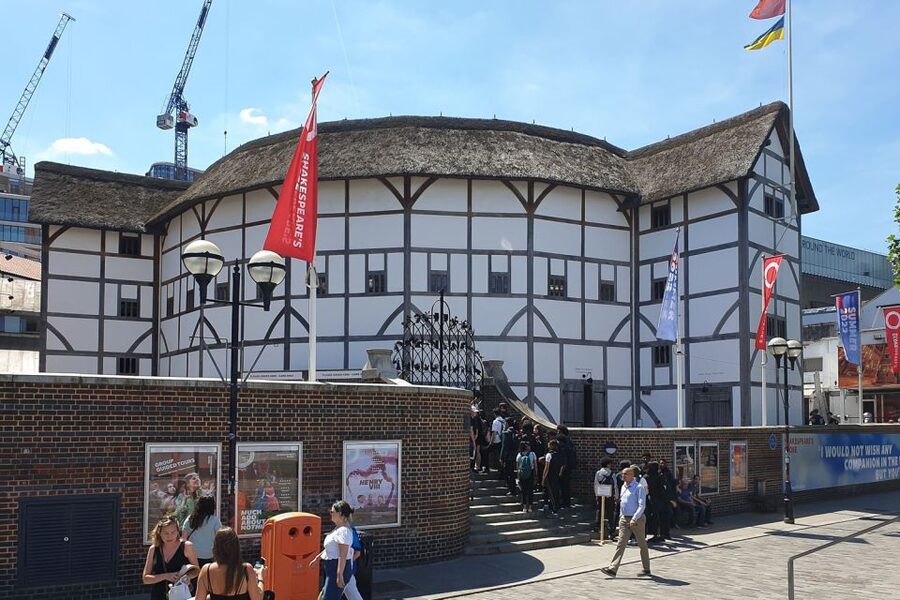
It starts just outside Borough Station, and you finish at Shakespeare’s Globe, with a guide shaping the whole walk around the neighborhood’s long reputation for seedy goings-on. Over the course of about two miles, you’ll get a mix of real settings and vivid characters, including medieval Southwark prostitutes nicknamed Winchester Geese, plus a few ghost-story style moments like a nineteenth-century pub landlady. The tour’s small size is a plus, with limited attendance (15 people) so the guide can keep the group comfortable and answer questions without talking over everyone.
In This Review
- Key points worth knowing
- Entering the bawdy side of Southwark, where the City of London ends
- The practical stuff: meeting point, pace, and why 2 miles feels doable
- Marshalsea Prison: starting with a place London used to fear
- Crossbones Garden and the darker street-level stories
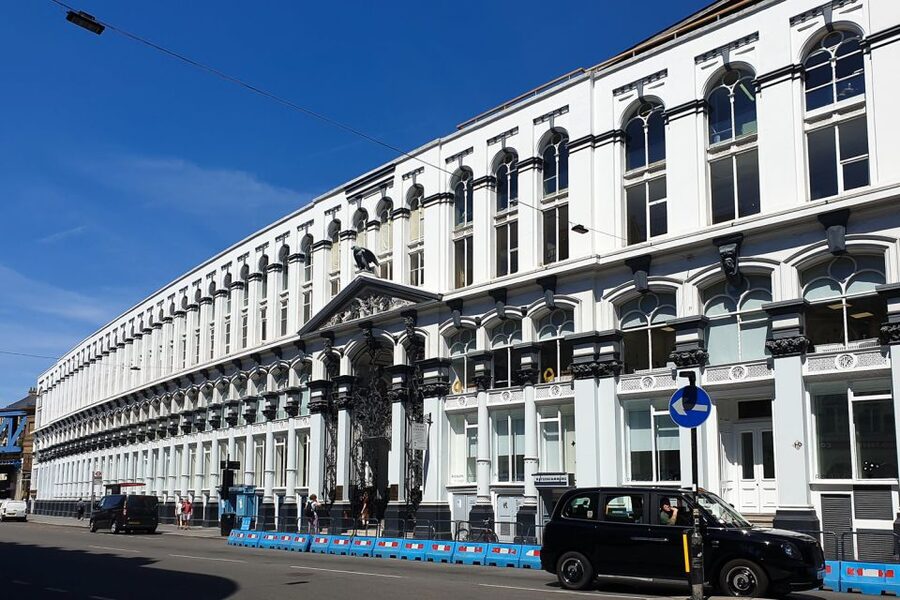
- The Hop Exchange and the mix of business with trouble
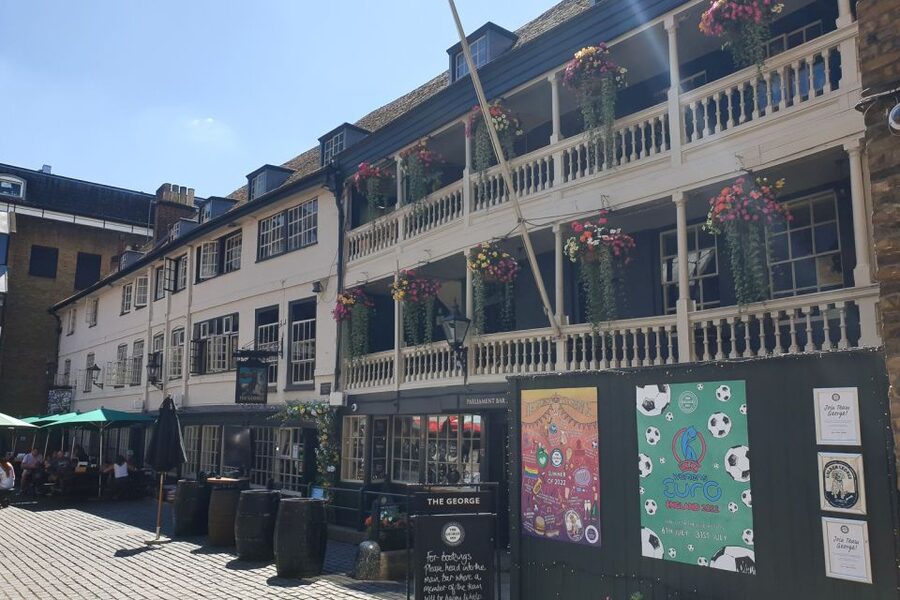
- The George Inn: pub history, including that nineteenth-century landlady ghost
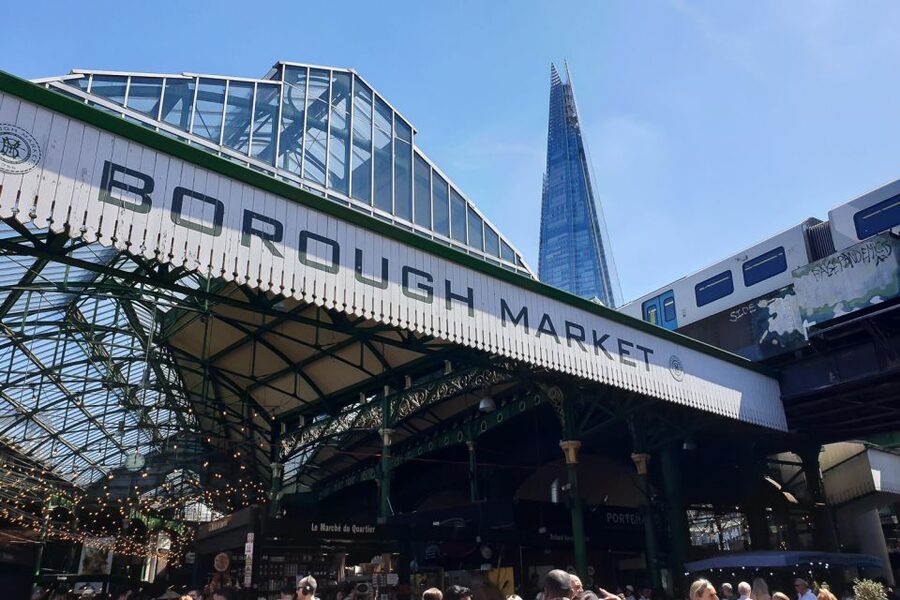
- Borough Market: where the crowds prove the past is still here
- Old Operating Theatre Museum and Herb Garret: when medicine meets the macabre
- Southwark Cathedral and London Bridge: seeing the respectful side too
- Winchester Palace remains: the Bishop of Winchester’s power on this street
- Clink Prison Museum: the second prison, and the feeling of a system
- Charles Dickens connection and the literature thread to keep
- The Globe Theatre, old site connections, and Shakespeare’s London made physical
- Booze, brothels, and the bard as a value proposition: why $26 can make sense
- What the guide style means for you, especially if you have questions
- Who should book this, and who might be happier elsewhere
- Should you book Booze, Brothels and the Bard?
Key points worth knowing
- Small group format (max 15) helps you actually hear the guide and ask questions.
- Two notable prisons show up in the walk, including what you can still see at Marshalsea and the Clink area.
- Borough Market and the Old Operating Theatre mix everyday life with the more brutal side of the city.
- Winchester Palace remains and Southwark Cathedral add a medieval anchor to the stories.
- Shakespeare’s Globe Theatre ties the bawdy streets to the bard’s London.
- Charles Dickens connection is woven into the route so the neighborhood feels tied to literature, not just legend.
Entering the bawdy side of Southwark, where the City of London ends
Southwark is one of those parts of London that makes you understand how rules and boundaries shape behavior. For centuries, this side of the Thames sat outside the City of London’s jurisdiction, and that mattered. Your guide uses that idea to explain why prostitution and other seedy activity took root here, then how the area developed a reputation that stuck for generations.
What I like about this approach is that it keeps the tour from feeling like cheap shock value. Yes, the theme is Booze, Brothels & the Bard, but the stories have a cause-and-effect backbone: the geography of authority, the flow of people, and the constant mix of respectable commerce and underground life.
A few more London days worth comparing
- London: The London Eye Entry Ticket
★ 4.6 · 35,875 reviews - London: Tower of London and Crown Jewels Exhibition Ticket
★ 4.6 · 28,769 reviews - From London: Harry Potter Warner Bros Studio Tour
★ 4.7 · 26,588 reviews
The practical stuff: meeting point, pace, and why 2 miles feels doable
You meet the guide just outside Borough Station on Borough High Street, with a Historic London Tours sign. From there, the walking is planned to stay tight. Total distance is about two miles, and the talking distance is also listed as two miles, which is a polite way of saying you will not be sent wandering across half the city.
The duration is about two hours, and the stop-to-stop spacing is short enough that even with London crowds, you should stay engaged rather than constantly checking the map. And because ticket sales are limited to 15 people, you are less likely to feel lost in a scrum. That small-group format also makes it easier for the guide to spot who needs a slower moment or has a question.
If you are new to walking tours, this is a good first one, because it is structured. If you are an experienced London walker, you will still appreciate the way it keeps your feet moving while your brain catches up.
Marshalsea Prison: starting with a place London used to fear
The walk begins in Borough, then heads toward the Marshalsea Prison area for a short guided stop. This is one of the tour’s anchor points because the neighborhood’s “other side” is not just gossip. The area’s association with imprisonment and punishment becomes part of the same story as the sex work and drink.
Even when you only get a brief stop, this kind of prison site sets the tone fast. It also gives you a mental framework for everything that follows. When you later see market life, inns, and Shakespeare connections, the prison theme helps you understand why Southwark was considered both useful and dangerous.
Crossbones Garden and the darker street-level stories
Next up is Crossbones Garden, where the guide adds another layer to Southwark’s reputation. The name alone signals this is not a gentle, “look at the pretty buildings” walk. Here, the guide’s job is to translate place names and legends into something you can actually picture.
This stop is also where the tour starts to feel theatrical in the best way. You are not just hearing dates. You are building an image of how the area looked and worked, including the kind of people who would have been around and why.
Same corner of Britain, a different sort of outing:
- London: Westminster to Greenwich River Thames Cruise
★ 4.5 · 22,836 reviews - Magical London: Harry Potter Guided Walking Tour
★ 4.7 · 22,044 reviews - London: Madame Tussauds London
★ 4.6 · 20,915 reviews - London: Warner Bros. Studio Harry Potter Tour & Branded Bus
★ 4.7 · 19,194 reviews
The Hop Exchange and the mix of business with trouble
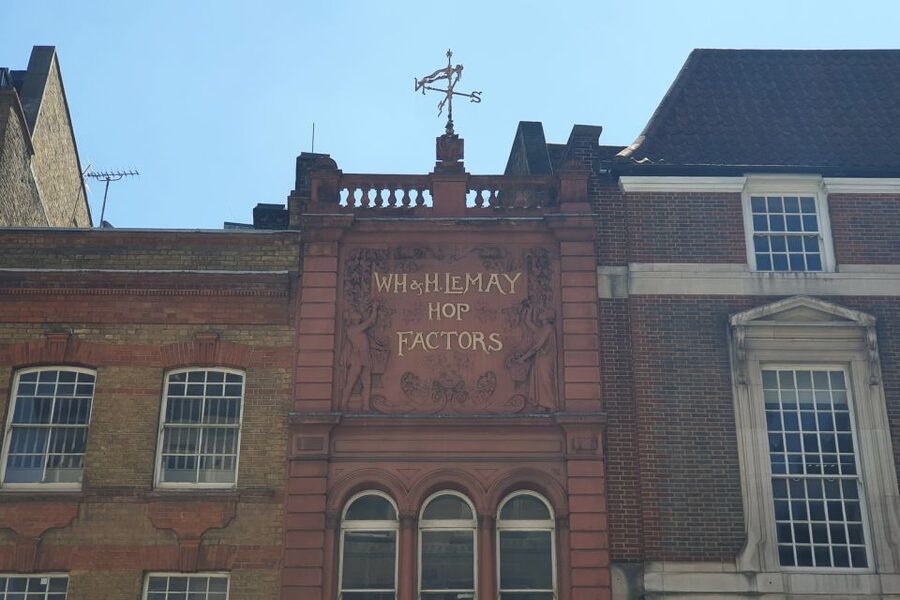
From Crossbones Garden, you move to the Hop Exchange for another guided moment. This stop matters because Southwark was never only about crime. It had markets, industry, and a constant stream of people passing through.
Your guide uses named locations like this to highlight a recurring theme: the same streets that served everyday needs also carried the city’s rougher elements. It is a useful way to understand London as an ecosystem. You get a neighborhood, not a museum diorama.
The George Inn: pub history, including that nineteenth-century landlady ghost
One of the most fun stops on the route is the George Inn. The tour leans into a story-based style here, including the idea of a ghost of a nineteenth-century pub landlady. That kind of character-driven storytelling can feel gimmicky on some tours, but on this one it works because it supports the setting rather than replacing it.
Pubs are where working London socialized, made arrangements, and heard news. When the guide ties that social world to Southwark’s reputation, the neighborhood feels less like a headline and more like a place people lived in.
Borough Market: where the crowds prove the past is still here
Then you hit Borough Market, and this is where the tour’s mood shifts from dark edge to real-life London. The stop is short, but it is enough to reset your brain. You see the market’s scale and crowd energy, and that contrast is the point.
Southwark’s reputation for vice did not erase the practical world. The market shows the other engine of the area, the daily movement of food and trade that kept the streets busy even when the neighborhood’s underbelly was at full volume.
If you want a follow-up activity, this is also the stop that gives you the easiest “go back later” option. After the tour, you’ll know what you are looking for and which corners have the best stories attached.
Old Operating Theatre Museum and Herb Garret: when medicine meets the macabre
Next is the Old Operating Theatre Museum and Herb Garret. This is a memorable contrast stop. You are still in the Southwark narrative, but now the theme turns toward bodies, care, and the more difficult side of history that hides behind normal street life.
I like that this stop keeps the tour from only focusing on sex and punishment. It adds another kind of human reality. You end up with a fuller sense of what the neighborhood’s people faced, not just what they were rumored to do.
Southwark Cathedral and London Bridge: seeing the respectful side too
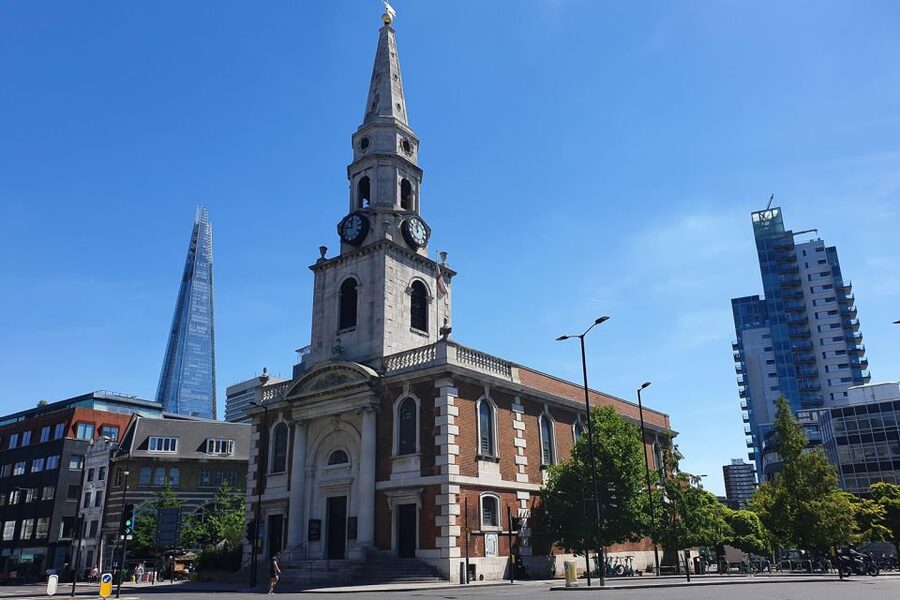
You then reach Southwark Cathedral and London Bridge for guided moments. The cathedral stop is valuable because it slows everything down. It gives you a chance to shift from “what happened here” to “what endured here.”
London Bridge helps tie the geography together. Even in brief stops, your guide uses views and location to reinforce how the Thames and the bridge crossings shaped movement between neighborhoods. The more you understand that movement, the easier it is to see why Southwark became known for what it became known for.
Winchester Palace remains: the Bishop of Winchester’s power on this street
The walk also includes Winchester Palace, specifically what remains of the Bishop of Winchester’s palace. This matters for balance. Southwark’s image as seedy does not mean there was no power, no wealth, no authority.
Seeing remnants tied to a bishop helps you remember that the neighborhood was not only a backdrop for vice. It was also a stage where important people held influence. Your guide connects this to the idea that power and temptation often lived close enough to share the same streets.
Clink Prison Museum: the second prison, and the feeling of a system
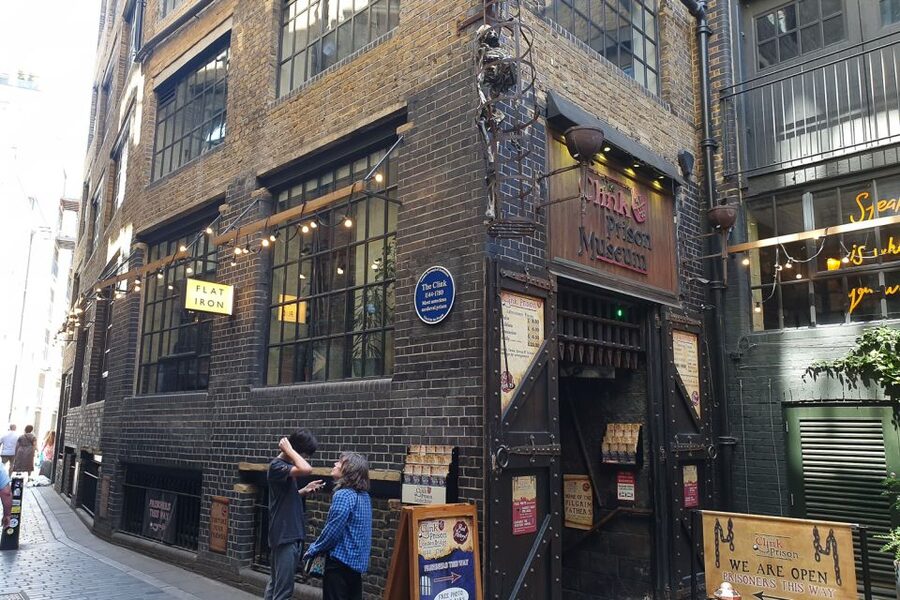
Then comes the Clink Prison Museum, representing Southwark’s second notorious prison. With two prison stops on a two-mile walk, the tour is quietly making an argument: punishment is not a side note here. It is part of how the neighborhood controlled behavior, and part of why reputations lasted.
This is also a great moment to pay attention to how the guide explains the physical layout of the area through its history. Even short stops can help you understand that these were not abstract “dark ages.” People were processed through systems, and that system affected everything around it.
Charles Dickens connection and the literature thread to keep
One of the tour highlights is Charles Dickens’s connection to the neighborhood. The guide weaves this into the walk so Southwark stops feeling like a list of grim sites. Instead, you start seeing how Dickens’s London imagination would fit naturally into the area’s stories.
In practice, this means you will walk away with a better sense of how fiction and real streets talk to each other. If you like reading Dickens, you will likely find yourself spotting references with fresh context. If you do not, you still come away with a stronger understanding of why Southwark became a recurring idea in literature.
The Globe Theatre, old site connections, and Shakespeare’s London made physical
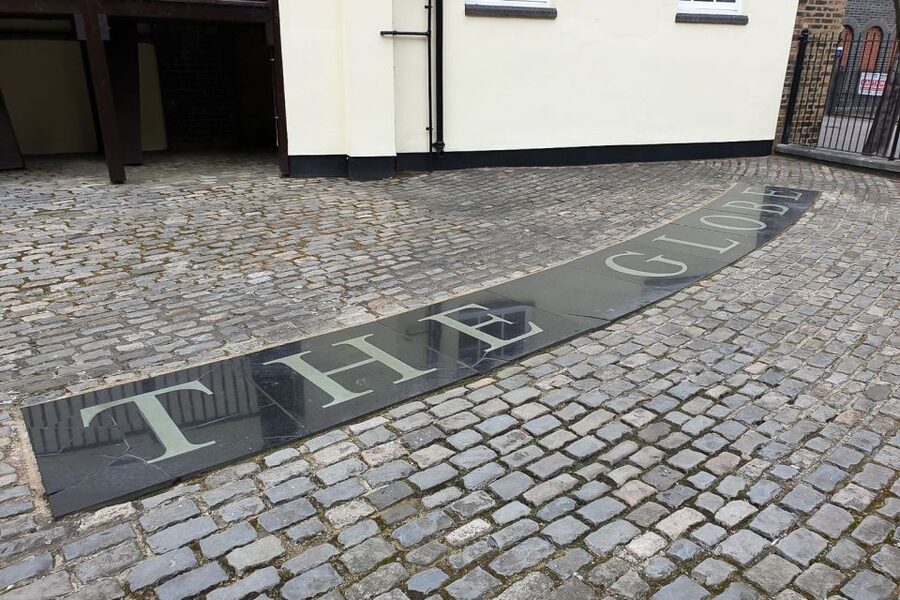
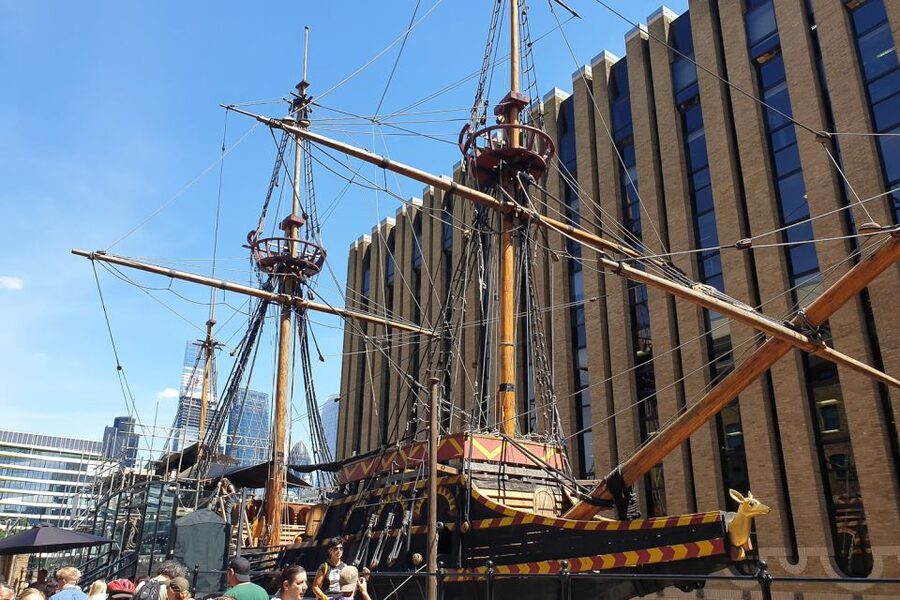
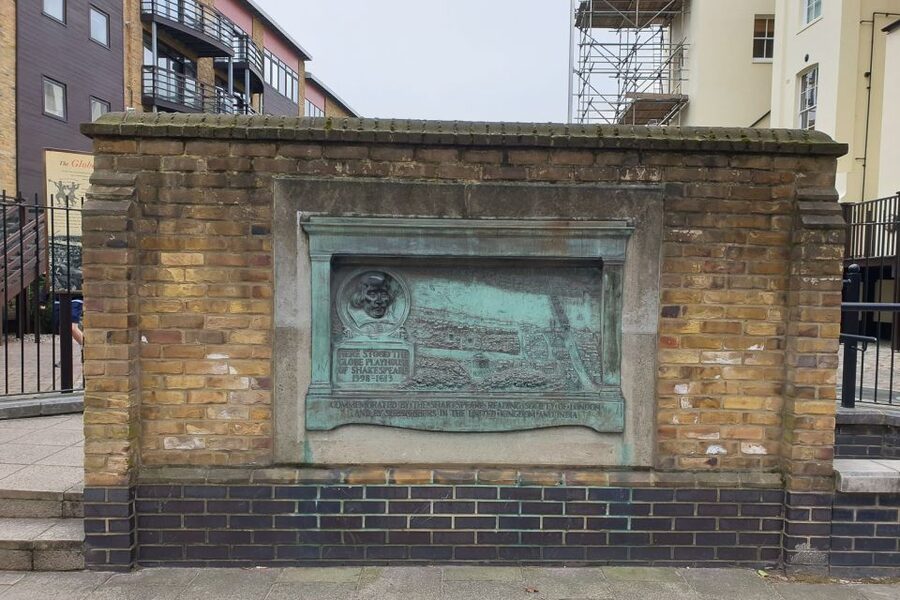
The tour culminates at Shakespeare’s Globe. But before you reach it, you stop at the original site of the Globe Theatre, and then you go to Shakespeare’s Globe Theatre, London, the modern version.
This is one of the tour’s best “wow” mechanics. You are not only visiting a famous theatre. You are also seeing the idea of Shakespeare’s stage as something rooted in the same geography that housed harsh institutions and rowdy streets. The contrast is what makes it work.
If you do not already know London’s theatre history, this is still easy to follow. The guide provides enough context to help you understand what you are looking at and why it matters for the overall theme of the tour.
Also, the tour uses some great named bits of personality along the way, including the wonderfully named Doorkins Magnificat. It is the sort of detail that makes a walking tour feel like a story instead of a lecture.
Booze, brothels, and the bard as a value proposition: why $26 can make sense
At around $26 per person for about two hours, the value depends on what you want. If you are the type who likes wandering alone and picking up bits from guidebooks, you might not feel the cost. If you want the neighborhood translated into a clear narrative with named places, then the price starts to make sense quickly.
You are getting a guide, short guided stops at a dense cluster of locations, and a theme that ties everything together. The biggest value is interpretation. Names like Marshalsea, the Clink area, Borough Market, Southwark Cathedral, Winchester Palace remains, and the Globe do not automatically connect in your head. A good guide makes those links feel obvious.
Small group size also helps justify cost. With a max of 15, the experience is less about following someone’s pace and more about hearing your guide clearly.
What the guide style means for you, especially if you have questions
The experience is led by English-speaking guides from Historic London Tours. In the stories shared by past participants, a clear pattern shows up: guides like Tom Currie are praised for being relaxed, friendly, and quick to answer questions while walking between stops.
That matters because Southwark can feel chaotic at street level. If you want to ask about the relationship between prisons and nightlife, the guide’s ability to explain without overlong detours is what keeps the tour enjoyable. It also helps that the guide tends to keep stops short and focused, so you get “enough to care” rather than “everything you could ever say.”
Who should book this, and who might be happier elsewhere
This tour is a strong match if you like:
- History with edge, not just royal palaces and tidy facts
- Walking tours where stops stay close together
- A mix of literature, place names, and real settings
It is not suitable for children under 13, so plan on this being an adult-oriented evening or afternoon activity.
If you are squeamish about crime and punishment themes, keep in mind that two prisons are central to the route. The tone is guided and contextual, but the subject matter is not all light.
Should you book Booze, Brothels and the Bard?
Book it if you want Southwark to make sense fast, with a guide connecting Borough and Bankside through prisons, markets, and Shakespeare. The pacing is short, the group size stays small, and you end with a finale that feels meaningful rather than random.
Skip it if you prefer purely scenic walks or you want lots of unstructured time inside attractions. This tour is built for stories on the move, with brief guided moments at each stop, so you will likely want to schedule additional time elsewhere afterward if you fall in love with a specific site.
Newly listed near London
- Women in art – National Gallery★ 5.0 · 3 reviews
- Woking: Royal Horticultural Society Wisley Garden Ticket★ 4.7 · 24 reviews
- Windsor Stonehenge Bath Private Tour from London with Passes★ 4.8 · 5 reviews
- From London: Windsor, Stonehenge & Oxford Private Car Tour★ 3.5 · 4 reviews
- Windsor Castle Tour with Fish and Chips Lunch in London★ 4.4 · 25 reviews
- Windsor Castle & Hampton Court Palace VIP Black Taxi Tour★ 4.9 · 14 reviews
- London: Windsor Castle & Tower of London Tour with Tickets★ 3.3 · 15 reviews
- From London: Windsor Castle, Bath, and Stonehenge Day Trip★ 4.4 · 153 reviews
London Tours, compared.

Tower of London and Crown Jewels Exhibition Ticket
Read our review →
Westminster to Greenwich River Thames Cruise
Read our review →
Magical London: Harry Potter Guided Walking Tour
Read our review →
Warner Bros. Studio Harry Potter Tour & Branded Bus
Read our review →