
Review · BRIGHTON TOURS
Brighton: Royal Pavilion Admission Ticket
Brighton’s palace is part royal fantasy, part history class. With a Royal Pavilion admission ticket, you step through the restored 1823 interiors, wander the gardens, and see how this place has been used for more than just monarchy.
I love how the 1823 restored interiors let you experience the palace’s look the way it was designed in the early 1800s, with Chinese inspired rooms done in a very specific original style. I also love the way room stewards and staff talk you through details as you move along, including standout areas like the saloon, banqueting room, and kitchen. One thing to consider, there is no passenger lift, so you will need stairs for the upper floor unless you rely on the first-floor video in the AV room.
In This Review
- Key highlights to know before you go
- Royal Pavilion ticket, what you really get in 1 day
- Entering via the Royal Pavilion Garden, then getting your bearings fast
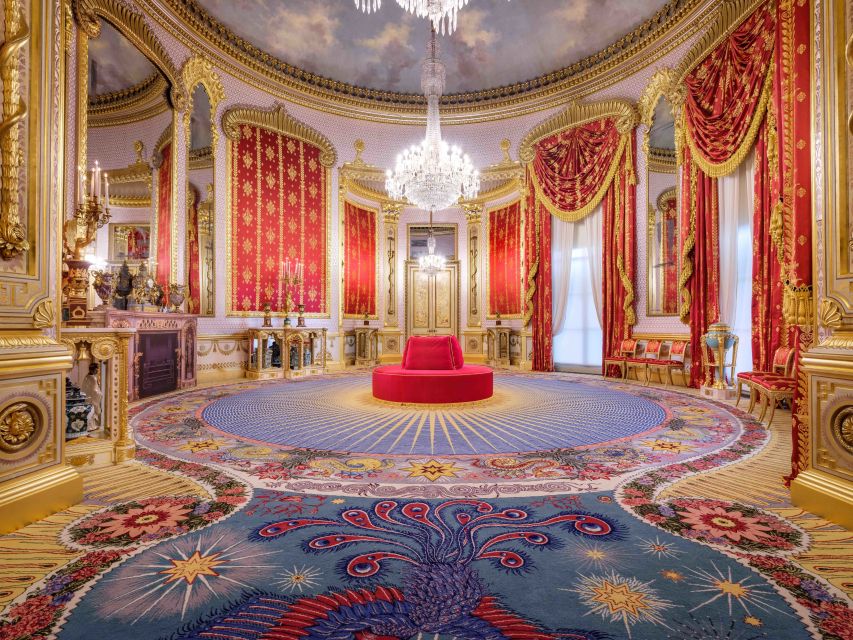
- Chinese-inspired 1823 rooms, restored to a specific design
- Ground floor royal life, banqueting room, music room, saloon, and kitchen
- Upper floor rooms, including Queen Victoria’s bedroom, plus the no-lift reality
- Gardens and the Pavilion’s First World War hospital chapter
- Artifacts, audio support, and how to use staff time wisely
- Timing, crowds, and practical do’s and don’ts (without ruining your day)
- Price check: is $26 good value for a one-day palace?
- Should you book the Brighton Royal Pavilion admission ticket?
- FAQ
- How long is the Royal Pavilion admission ticket valid?
- Where do I enter the Royal Pavilion?
- What’s included with this ticket?
- Is the Royal Pavilion wheelchair accessible?
- Are cameras allowed inside the Royal Pavilion?
- Can I bring food and drinks?
- Are pets allowed in the Royal Pavilion?
- Do children need to be accompanied by an adult?
Key highlights to know before you go
- Chinese inspired 1823 interiors restored to match the original design approach
- Ground floor royal rooms like the banqueting room, music room, restored saloon, and great kitchen
- Upper floor access with a workaround via a first-floor video for visitors who cannot climb stairs
- Royal Pavilion gardens for a slower outside stroll between rooms
- First World War hospital story connected to Indian soldiers, plus other civic uses over time
- Staff-led room explanations that make the artifacts and decor feel like a real place, not just a photo wall
Royal Pavilion ticket, what you really get in 1 day
The Royal Pavilion admission ticket is a smart buy if you like architecture and interiors. For one day, you can follow the route through preserved rooms and key spaces, then step out into the landscaped gardens when you need a breather. This is not just a quick look at pretty rooms. It’s the full building experience, with history folded into the spaces themselves.
At about $26 per person, the value comes from the variety. You are not only seeing the famous look of the Pavilion. You are also getting the backstory of how it shifted roles over time, including periods as a civic building and as a First World War hospital for Indian soldiers. That combination of spectacle and context is rare for a single-day ticket.
Time-wise, plan for a relaxed pace rather than a sprint. Even if you move quickly, you will want a moment in the showpiece rooms, and you will likely pause for questions when staff are stationed in key areas.
A few more Brighton days worth comparing
- Brighton: Brighton i360 Ticket
★ 4.6 · 1,251 reviews - From Brighton: Seven Sisters and South Downs Tour
★ 4.9 · 746 reviews - Brighton: City Sightseeing Hop-On Hop-Off Bus Tour
★ 4.5 · 352 reviews
Entering via the Royal Pavilion Garden, then getting your bearings fast
Your entry point is the Royal Pavilion Garden, reached from Pavilion Buildings, New Road, or Church Street. That matters, because the Pavilion is designed to feel like a destination, not just a doorway you pass through.
Once you are inside, the building encourages a slow pattern. You start to notice how the interiors are staged, not in a random order, but as a route through the palace’s spaces. The gardens work as a pause button, giving you a change of pace between rooms. If you’re sensitive to sensory overload, that outside reset helps.
One practical note: this is a places-you-must-walk route. There are also restrictions that shape how you experience it. For example, cameras are not allowed, and food and drinks are not allowed in the Pavilion experience. So come ready to use your eyes, your audio support if you use it, and your memory.
Chinese-inspired 1823 rooms, restored to a specific design
The Royal Pavilion’s core appeal is the mix of drama and precision. The interiors are Chinese inspired and restored to reflect the original 1823 design rather than a generic “old palace” look. When you see the rooms in person, you understand why this building became famous. The colors, shapes, and decorative details aren’t just decoration. They are the whole point of the place.
Another thing I like about this experience is how it makes the design feel intentional. You are not only looking at ornate rooms. You are viewing an interpretation of style that was a real project, completed through the work of John Nash. The building’s story stretches back about 200 years, so the Pavilion reads like a snapshot of changing taste and royal ambition.
Because photography is not permitted, you focus differently. You tend to slow down, read interpretive material more closely, and actually look at details rather than scanning for a perfect shot. If you’re the type who normally documents everything, plan to take mental notes instead.
Ground floor royal life, banqueting room, music room, saloon, and kitchen
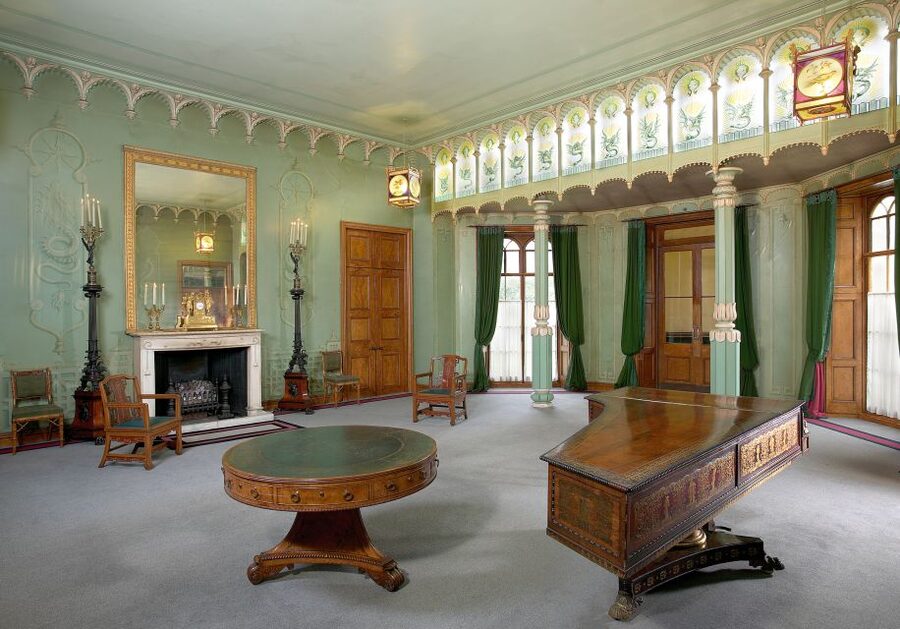
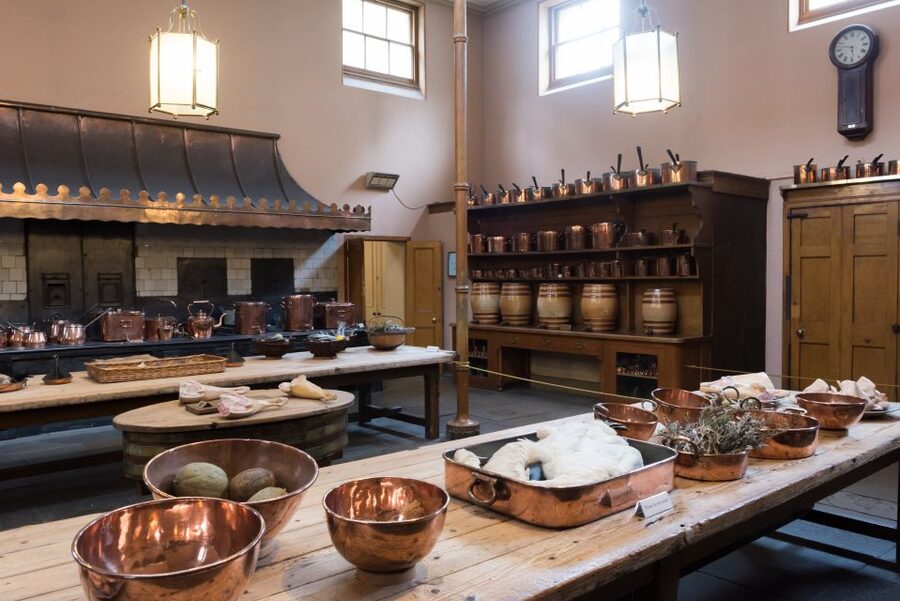
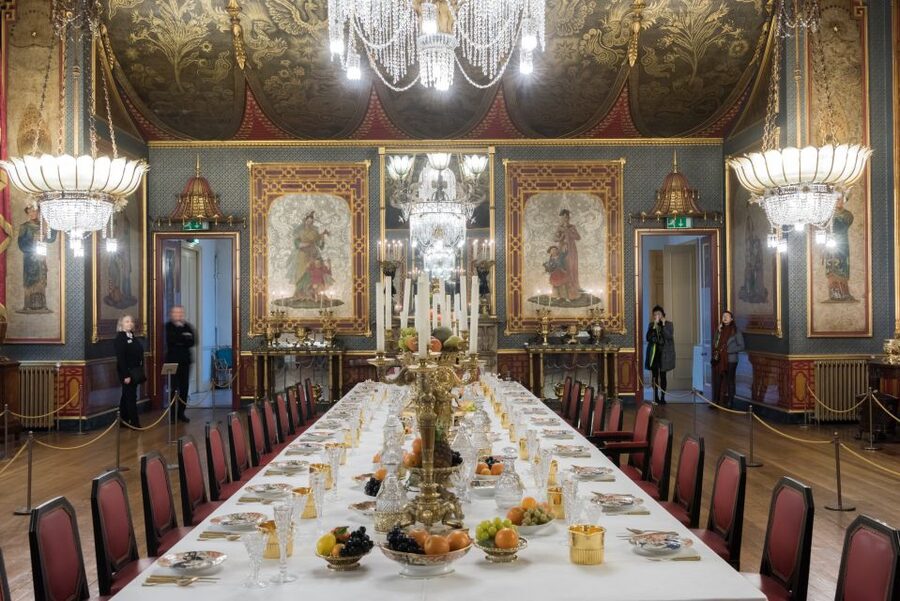
If you want the highest “wow per minute” on the first floor, aim for the rooms that lead the public route. The Pavilion’s ground floor is where you get a concentration of the most famous spaces, including the banqueting room, music room, the recently restored saloon, and the great kitchen.
Here’s why these rooms matter for your visit:
- The banqueting room shows the Pavilion as a stage for ceremony and hospitality, not just a private residence.
- The music room adds a softer, atmospheric feeling that helps explain why this place feels theatrical.
- The restored saloon is a major highlight, because you get to see restoration work done well, and you can sense the difference between a worn display and a room brought back with care.
- The kitchen helps balance the fantasy with daily function. You can learn how staff worked in extreme conditions, including explanations about how heat affected the kitchen team.
In plain terms, this ground floor is the part that makes you stop walking and just stare for a minute. You will likely revisit it in your head as you climb upstairs.
Same corner of Britain, a different sort of outing:
- Brighton: Zip Wire Experience Ticket
★ 4.5 · 302 reviews - Sea Life Brighton Admission Ticket
★ 4.4 · 228 reviews - Brighton: Upside Down House Entry Ticket
★ 4.3 · 138 reviews - From Brighton: Stonehenge and Bath Full-Day Trip
★ 4.7 · 87 reviews
Upper floor rooms, including Queen Victoria’s bedroom, plus the no-lift reality
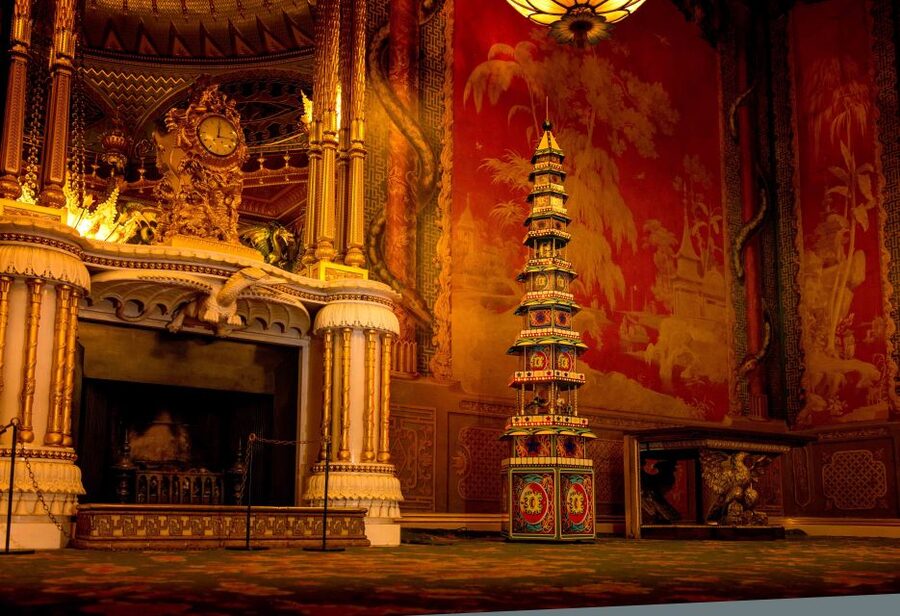
Upstairs is where the Pavilion feels more personal. You can explore additional preserved rooms, including Queen Victoria’s bedroom. Even if you are not a huge royal-history person, this is one of the spaces that helps you understand the building as lived-in, not only ceremonial.
Now the practical part: there is no passenger lift inside the Pavilion. If you can climb stairs, great, because the stairs are part of how you experience the building’s layers. If stairs are a problem, you can still see the first-floor video in the AV room. That video is the best workaround for accessibility needs, based on the information provided for visitors.
Mobility planning matters here. Mobility scooters are not allowed inside the building, and there are notes that some manual wheelchairs can be requested on arrival, but they cannot be pre-booked. So if you need wheelchair support, build in time for the on-the-day check-in process.
Gardens and the Pavilion’s First World War hospital chapter
Do not skip the landscaped gardens. The gardens help you reset after time in ornate rooms, and they also add perspective. You start to see the Pavilion as a whole property, not just the interior spectacle.
Then comes one of the most meaningful parts of the story: this building served as a First World War hospital for Indian soldiers. That detail changes how you read the Pavilion. You are used to thinking of palaces as symbols. Here, the Pavilion becomes a working site with real human stakes.
You will also learn about other roles the building played, including times it functioned as a civic building. That mix is valuable because it prevents the Royal Pavilion from becoming a one-note attraction. You get the aesthetic, and you also get a reminder that history is messy and layered.
If you want the best emotional rhythm, do the inside route first at your own pace, then take your time outside. It helps the WWI material land in a calmer headspace.
Artifacts, audio support, and how to use staff time wisely
A big part of why people walk out feeling satisfied is the combination of preserved rooms and the sheer number of royal artifacts on display. When objects are placed in the rooms they belong to, they feel less like collectibles and more like part of the original environment.
You may also be able to use an audio guide. In many visits, the audio has been described as especially useful for explaining rooms and history, which makes sense. It lets you keep moving without constantly stopping to read every label. It’s also a good fit for people who learn better by listening rather than reading.
A practical tip: if staff or stewards are stationed in rooms, ask one specific question. For example, ask about a room’s function, why that space looks the way it does, or what restoration element you are seeing. This kind of question gets better answers than general comments, and it helps you connect the decor to real purpose.
One more thing to remember: because cameras are not allowed, your best “save it for later” method is to stay curious in the moment, then use your audio and interpretive text to anchor what you saw.
Timing, crowds, and practical do’s and don’ts (without ruining your day)
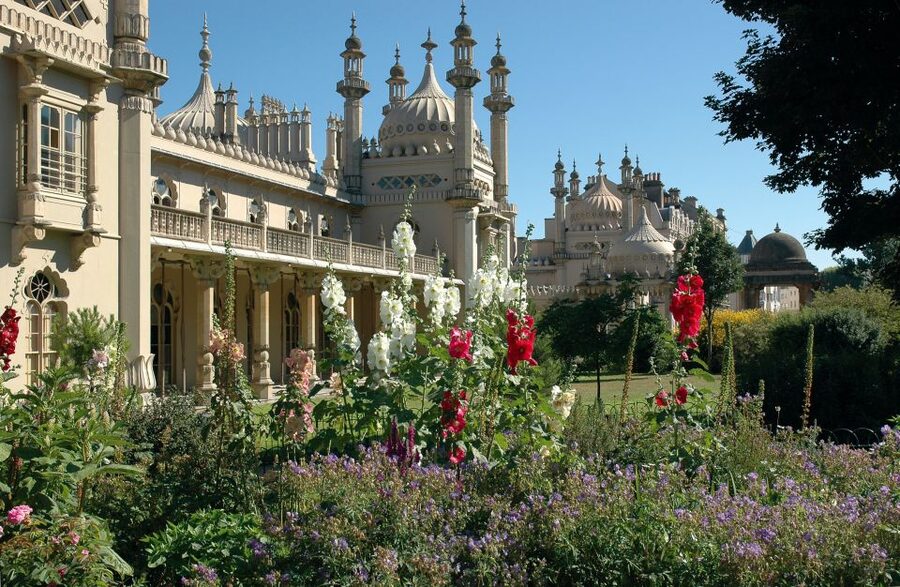
The Royal Pavilion is at its best when you can move through rooms without feeling rushed. On busier days, you may find some rooms can feel tight, especially when school groups are present and moving together. That does not make the visit bad, but it does affect your pace. If you can choose a quieter time, you will get more breathing room in the smaller spaces.
Plan around the rules:
- No cameras inside
- No food and drinks inside
- No large bags or luggage
- Pets are not allowed, but assistance dogs are allowed
- No mobility scooters inside
- Children under 14 must be accompanied by someone over 16
If you need a restroom break, give yourself a bit of time. Some visitors have pointed out that facilities could use updates. That’s not a reason to avoid the Pavilion, but it is a reason to plan more calmly.
Also, remember you are visiting a building where restoration is ongoing. That’s part of what you’re paying for: a place that is maintained and protected, not frozen forever in a single “finished” moment.
Price check: is $26 good value for a one-day palace?
At roughly $26, this ticket feels like good value if you care about more than just a pretty exterior. You are paying for access to a preserved, restored palace interior, the gardens, and the story that connects the Pavilion to real historical shifts, including the WWI hospital chapter.
What makes it feel worth it is the mix of elements you get in one day:
- Major interior rooms with strong visual impact (banqueting, music, saloon)
- A kitchen that grounds the experience with real working details
- Upper-floor spaces like Queen Victoria’s bedroom
- The garden reset that keeps the day from turning into one long hallway
- A clear historical thread that goes beyond monarchy
If your travel style is short-and-sweet, you might feel it’s a lot. But if you enjoy taking your time, asking questions, and noticing details you usually miss, this is the kind of ticket that turns a single afternoon into a memorable stop.
Should you book the Brighton Royal Pavilion admission ticket?
I think you should book if you want a one-day experience that mixes spectacle with substance. This is a standout choice for fans of architecture, interior design, and visitors who like their history with context, not lectures.
It’s also a strong pick for couples and curious solo travelers. The route is easy to follow, and the staff explanations help you get more out of what you see, even if you do not know much going in.
One caution: plan for stairs if you’re going upstairs, because there is no passenger lift. And if you depend on a wheelchair or mobility scooter, read the access notes carefully and expect some limitations inside.
If all of that fits your style and needs, this is a really solid way to spend your time in Brighton.
FAQ
How long is the Royal Pavilion admission ticket valid?
The ticket is valid for 1 day. You should check available starting times when you book.
Where do I enter the Royal Pavilion?
Entry is via the Royal Pavilion Garden, which you access from Pavilion Buildings, New Road, or Church Street.
What’s included with this ticket?
This admission ticket includes 1-day admission to the Royal Pavilion.
Is the Royal Pavilion wheelchair accessible?
Yes, it is wheelchair accessible. However, there is no passenger lift, so visitors who cannot climb stairs can see a video of the first floor in the AV room. Mobility scooters are not allowed inside, and some manual wheelchairs may be available on request when you arrive.
Are cameras allowed inside the Royal Pavilion?
No. Cameras are not allowed.
Can I bring food and drinks?
No. Food and drinks are not allowed.
Are pets allowed in the Royal Pavilion?
Pets are not allowed, but assistance dogs are allowed.
Do children need to be accompanied by an adult?
Yes. Children under 14 must be accompanied by a person aged over 16.
Newly listed near Brighton
- From Brighton: Stonehenge and Bath Full-Day Trip★ 4.7 · 87 reviews
- From Brighton: Private Boat Charter★ 5.0 · 5 reviews
- From Brighton: Stratford-upon-Avon & The Cotswolds Day Trip★ 4.6 · 4 reviews
- From Brighton: Oxford, Windsor and Eton Full Day Trip★ 4.7 · 32 reviews
- Brighton: Electric Mountain Bike Rental★ 5.0 · 4 reviews
- Camber Sands: Fat Tyre Ebike Hire★ 4.6 · 6 reviews
- Brighton: Walking Food Tour (Vegan and Vegetarian options)★ 4.5 · 15 reviews
- Brighton: Coastal Bike Tour to Rottingdean★ 4.8 · 9 reviews
Brighton Tours, compared.








Browse the lists this tour appears in