Review · LONDON TOURS
Burnings, Butchery & Black Death: London’s Bloody Past
Plague, butchery, and executions in two miles. This is a walking tour that turns nearby streets into a timeline, with Smithfield at the center and the Black Death disposal described in plain terms. What I like most is how the guide links what you see today to what London did in its darkest moments. The only real drawback is that the subject matter is grim, so it is not for anyone who wants a light, upbeat stroll.
I also like the pace and the small group setup, with tickets capped at fifteen people, so you can ask questions and get clear, human answers. It runs about two hours and covers roughly two miles, starting by Barbican Station and finishing near Farringdon, at Ely Place.
In This Review
- Key highlights
- Smithfield: London’s “how did they ever do that?” district
- Starting at Barbican and Charterhouse Square: setting the tone in 10 minutes
- St John’s Gate and the grim “infrastructure” of medieval London
- Smithfield Market: executions, the mechanics of cruelty, and William Wallace
- Cloth Fair: how the slum story grew up nearby
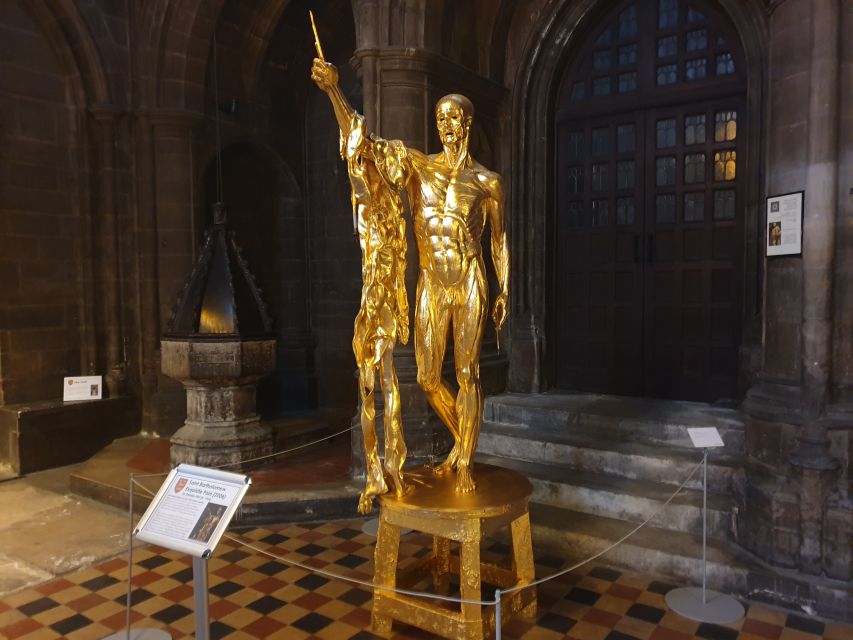
- St Bartholomew the Great and St Bartholomew’s Hospital: history you can step into
- Sir William Wallace Memorial, Golden Boy of Pye Corner, and the last turns to Ely Place
- Price and value: is $26 for a two-mile walk worth it?
- Who should book this, and who should skip it
- Should you book the Burnings, Butchery & Black Death tour?
- FAQ
- How long is the tour?
- What is the walking distance?
- Where do we meet the guide?
- What areas will the tour cover?
- Are churches included?
- Is the tour suitable for children?
- Is the tour guided in English?
Key highlights
- Smithfield Market, animal slaughter to human tragedy in one compact area of London
- Black Death disposal in the 1300s, explained as part of how the city worked
- Middle Age execution methods, with William Wallace included in the story
- Dickens and the Oliver Twist connection, where a brutal district turned into a notorious slum
- A small-group, Q and A friendly walk, with a guide who keeps the details moving
Smithfield: London’s “how did they ever do that?” district
Smithfield is one of those London places that looks normal until you remember what happened there. This tour places you right where the city handled both animals and people, over and over, for centuries. That contrast is why the walk feels so memorable.
I like that the story is practical, not just spooky. You hear how London managed mass death in the 1300s, including how tens of thousands of Black Death corpses were disposed of, and how that pressure shaped the neighborhood. It gives you a clearer sense of how cities function under crisis, even when the details are unsettling.
A few more London days worth comparing
- London: The London Eye Entry Ticket
★ 4.6 · 35,875 reviews - London: Tower of London and Crown Jewels Exhibition Ticket
★ 4.6 · 28,769 reviews - From London: Harry Potter Warner Bros Studio Tour
★ 4.7 · 26,588 reviews
Starting at Barbican and Charterhouse Square: setting the tone in 10 minutes
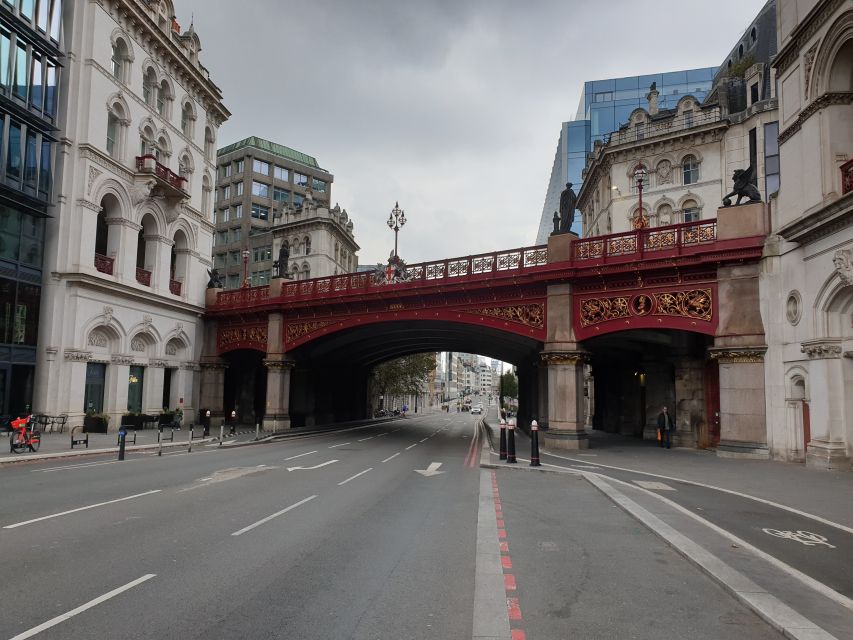
The tour begins just outside Barbican Station, on Aldersgate Street, where you will spot your guide holding an Historic London Tours sign. It is a good start point because you can reach it easily on public transit, and you are not walking blind into the subject.
From there, the route moves through Charterhouse Square, with a quick guided stop that helps you get your bearings in time, not just in space. Expect short, focused context here, so when the tour turns darker later, it still feels grounded in place.
If you prefer a tour that explains how all the pieces connect, this opening works well. You are not left to guess why Smithfield matters, you are told right away how the walk will unfold.
St John’s Gate and the grim “infrastructure” of medieval London
As you continue, the tour heads toward St John’s Gate, a stop designed to sharpen your mental picture of the area around Smithfield. This is where the tour’s main strength shows up: it treats history as a system.
Instead of only naming famous people and dates, the guide links locations to the practical reality of medieval London. You will learn how the city dealt with huge numbers of bodies during the Black Death period, and how that mass disposal fit into everyday life in the 1300s.
That matters because most history tours skip the ugly logistics. Here, you get a straight look at how London coped when it had no modern tools, and when illness could flatten entire neighborhoods fast.
Smithfield Market: executions, the mechanics of cruelty, and William Wallace
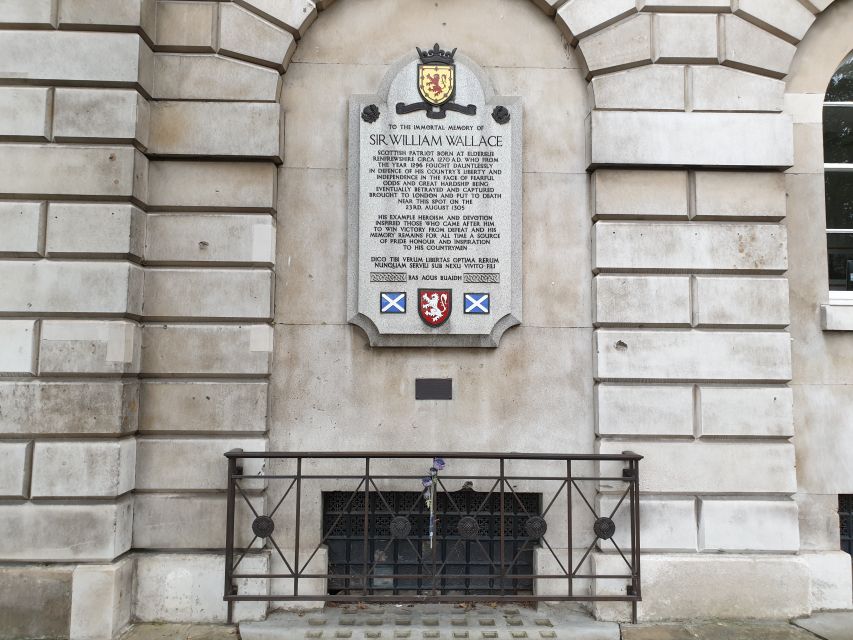
Smithfield Market is the core stop, the place where the tour’s title stops being metaphor. This is where the walk leans hardest into executions and the methods used in the Middle Ages. You will also hear the story of William Wallace, including the detail that he was in no fit state to shout Freeeedoooommmm while being executed.
That can sound like a dark comedy line, but it actually does something useful. It keeps the story from floating in myth, and it makes the scene feel more human, in a grim way.
There is also a lot of storytelling around how people survived by myth, rumour, and fear. The tour hints at body snatchers and kings as part of the bigger atmosphere, not just as random name drops. If you like history that reads like a lived-in thriller, this portion is a big win.
Same corner of Britain, a different sort of outing:
- London: Westminster to Greenwich River Thames Cruise
★ 4.5 · 22,836 reviews - Magical London: Harry Potter Guided Walking Tour
★ 4.7 · 22,044 reviews - London: Madame Tussauds London
★ 4.6 · 20,915 reviews - London: Warner Bros. Studio Harry Potter Tour & Branded Bus
★ 4.7 · 19,194 reviews
Cloth Fair: how the slum story grew up nearby
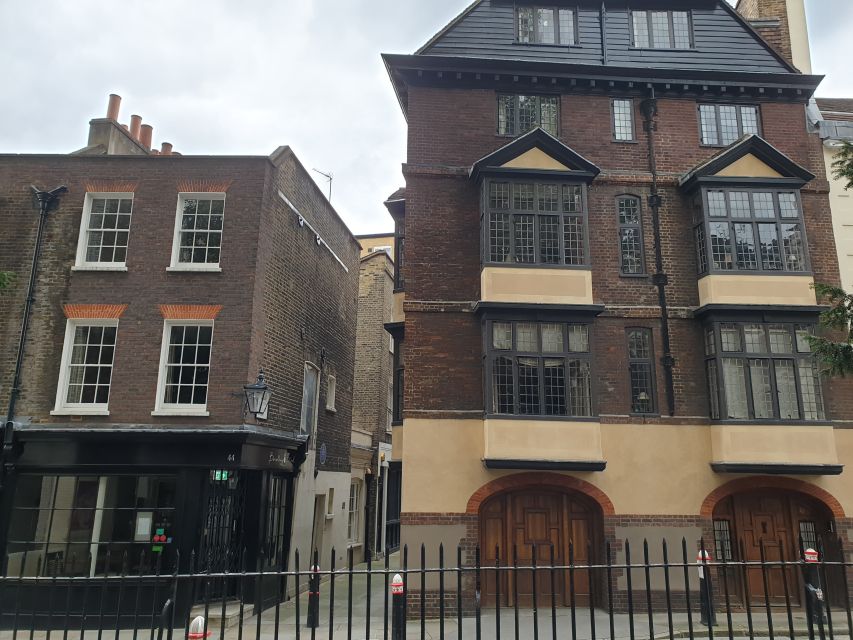
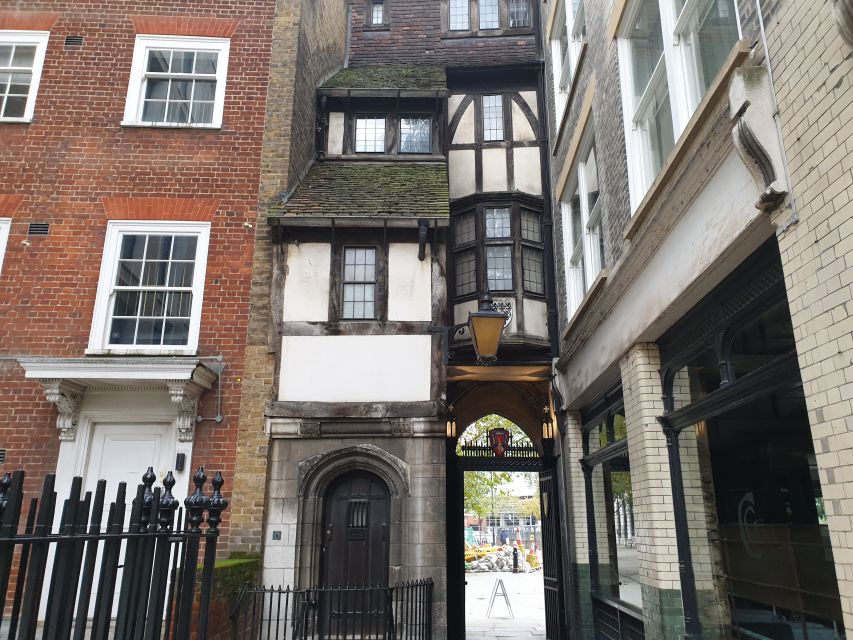
A key theme of the walk is how an area tied to slaughter and death became associated with poverty and neglect. The tour’s stop at Cloth Fair helps you see how this shift happened in the neighborhood’s identity, not just in the past tense.
You will learn how Smithfield developed into a notorious slum, and how Charles Dickens memorialised the area in Oliver Twist. That Dickens connection is valuable because it shows how London processed its own grim corners through literature, long after the worst outbreaks and brutal punishments were over.
If you are a reader, you will likely start spotting the same kind of social framing Dickens used, even as the tour stays focused on real locations. It is a good reminder that novels are not separate from geography, they are often direct commentary on it.
St Bartholomew the Great and St Bartholomew’s Hospital: history you can step into
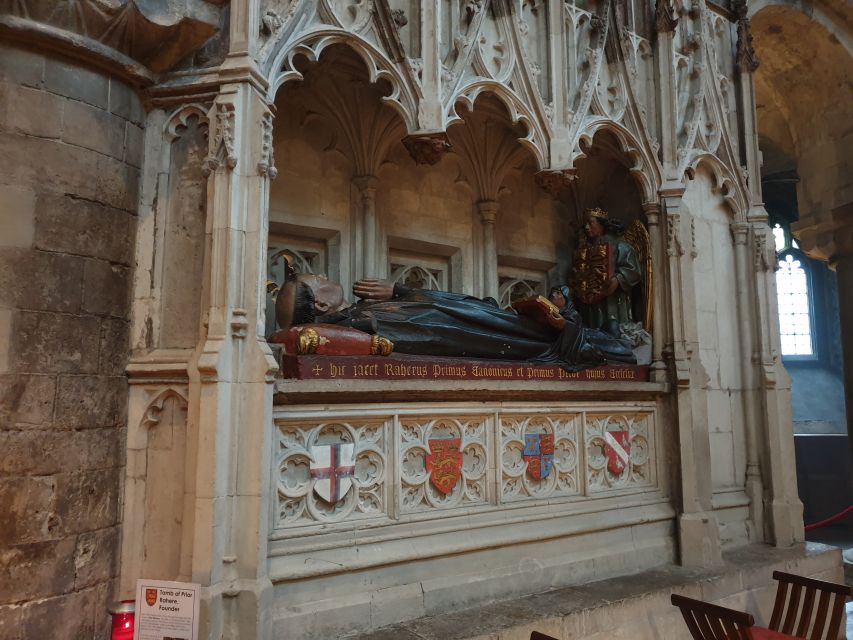
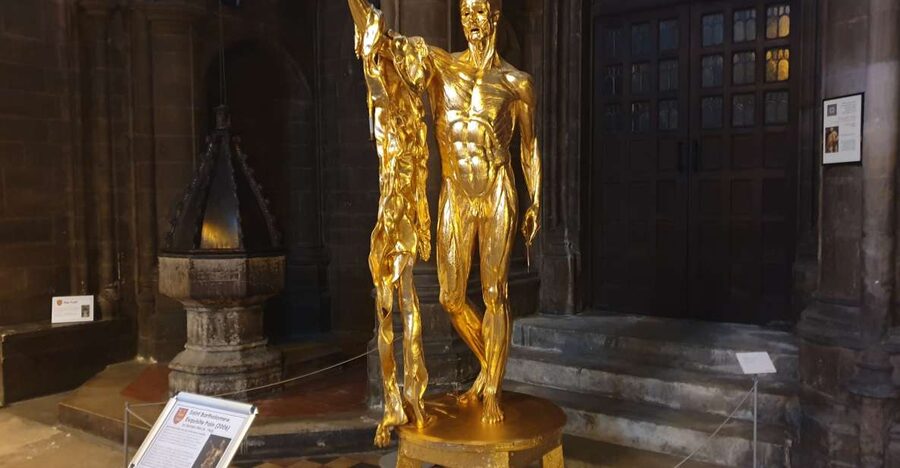
The churches and hospital stops give the tour a different kind of texture. At St Bartholomew the Great, you get a sense of continuity, how major institutions can stay in the landscape even when the stories around them change.
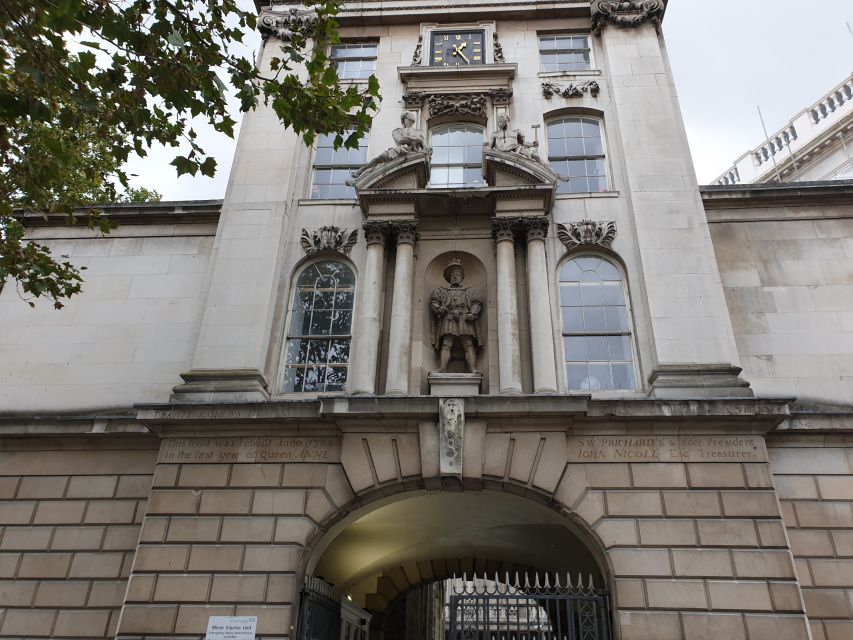
Then St Bartholomew’s Hospital adds another angle. Instead of focusing only on death and punishment, the guide threads in how the area’s identity connected to medicine and survival. That balance matters, because otherwise the tour could feel like it is just collecting grisly facts.
One practical detail: churches along the route may be visited as long as there are no services in progress. So if you show up on a service day, you might be observing from outside or in a limited way. It is still worth it for the overall walk, but it is good to know upfront.
Sir William Wallace Memorial, Golden Boy of Pye Corner, and the last turns to Ely Place
The walk continues with stops that shift your attention from execution and plague toward enduring local landmarks. The Sir William Wallace Memorial is a short stop, but it keeps the tour’s central character thread in view, a reminder that public punishment was used as spectacle as well as control.
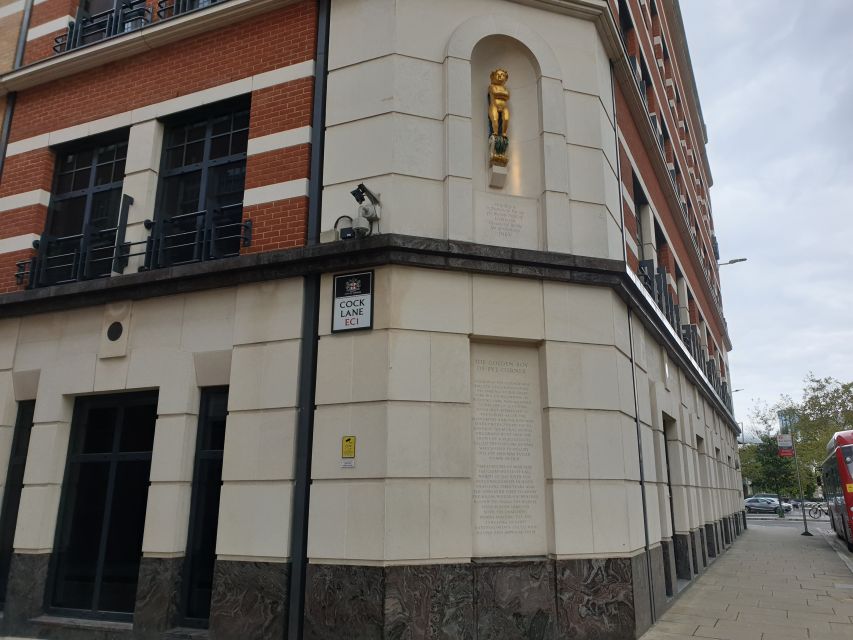
After that, you will reach the Golden Boy of Pye Corner, a striking detail in the story’s final leg. The tour uses these landmarks to show how people remembered what happened and, just as importantly, how they looked forward.
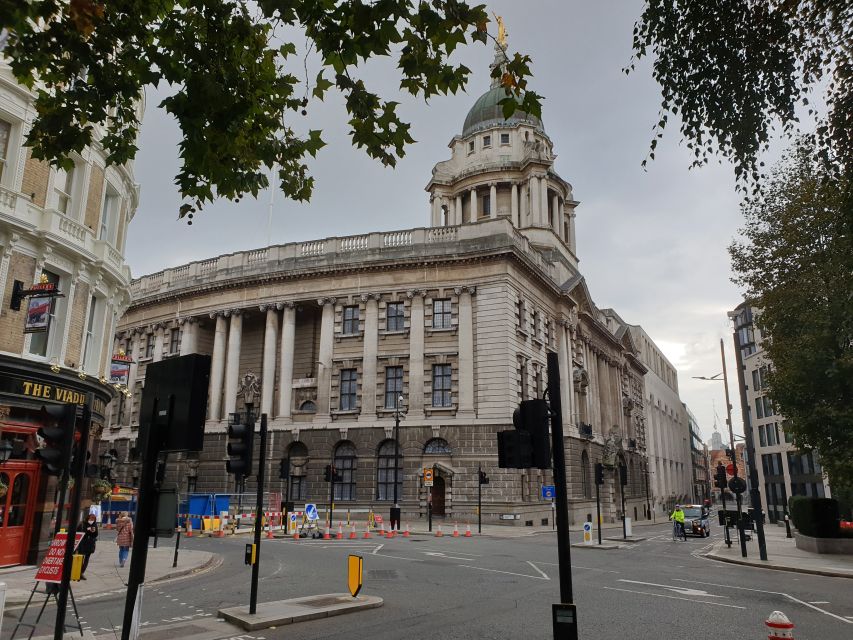
The route also reaches London Central Markets (Smithfield Market) again, which helps connect the past to what the area is known for today. This is where the walk feels most “London”: the city repurposing spaces, layer after layer, without erasing what was underneath.
Finally, the tour ends at Ely Place, near Farringdon Station. It is a sensible finish because it makes it easy to keep going, whether you are grabbing lunch nearby or heading to another stop.
Price and value: is $26 for a two-mile walk worth it?
At $26 per person for about two hours and roughly two miles, this tour sits in the mid-range for central London walking experiences. The value comes from three things you feel right away.
First, the group is limited to fifteen. That small size changes the whole vibe. You are not squeezed into a crowd, and the guide can adapt to questions without rushing.
Second, the guide style is repeatedly described as fluent, entertaining, and good at mixing facts with humour. That matters because the topic is heavy. If the guide only recited dates, the walk would be tough to enjoy. Instead, the delivery helps the details land.
Third, you are paying for a focused route that packs a lot into a tight area. You are not commuting around London to find a single point of interest. You get slaughter, plague aftermath, execution methods, Dickens, and local monuments within walking distance.
Who should book this, and who should skip it
I think this tour is best for adults and older teens who enjoy gritty social history and can handle the topic honestly. If you like story-driven walks, small-group guiding, and clear explanations of how cities worked in difficult times, you will probably have a great time.
It is not suitable for children under 13, and that is a helpful boundary given the subject matter. Also, if you want a cheerful theme, this is not that. The tour is built around burning, butchery, and the realities of Black Death and executions.
If you are the kind of person who loves London because of its contradictions, this walk fits. Smithfield is one of the city’s biggest contradiction zones, and the tour helps you understand why.
Should you book the Burnings, Butchery & Black Death tour?
Yes, if you want a compact, small-group walk that focuses on one intense corner of London and explains how it shaped daily life during catastrophic times. The best part is the guide, especially the way humour and storytelling are used to keep the history readable, not just grim.
Skip it if you are sensitive to plague and execution themes, or if you prefer light sightseeing. Also, if you cannot manage about two miles of walking at a steady pace, you might want a shorter option.
Overall, this is strong value for $26 because you are buying direction, context, and a tight route where the history is not abstract. You leave with a sharper understanding of Smithfield, and a real feel for how London remembered its worst days.
FAQ
How long is the tour?
The tour lasts about two hours.
What is the walking distance?
The total distance walked is about two miles.
Where do we meet the guide?
Meet just outside Barbican Station, on Aldersgate Street. The guide will be standing there with an Historic London Tours sign.
What areas will the tour cover?
The route includes stops around Smithfield, such as Smithfield Market, St John’s Gate, Cloth Fair, St Bartholomew the Great, St Bartholomew’s Hospital, and the Golden Boy of Pye Corner, with the tour finishing at Ely Place.
Are churches included?
Churches along the route may be visited, subject to there being no services in progress.
Is the tour suitable for children?
No. The tour is not suitable for children under 13.
Is the tour guided in English?
Yes, the live tour guide speaks English.
Newly listed near London
- Women in art – National Gallery★ 5.0 · 3 reviews
- Woking: Royal Horticultural Society Wisley Garden Ticket★ 4.7 · 24 reviews
- Windsor Stonehenge Bath Private Tour from London with Passes★ 4.8 · 5 reviews
- From London: Windsor, Stonehenge & Oxford Private Car Tour★ 3.5 · 4 reviews
- Windsor Castle Tour with Fish and Chips Lunch in London★ 4.4 · 25 reviews
- Windsor Castle & Hampton Court Palace VIP Black Taxi Tour★ 4.9 · 14 reviews
- London: Windsor Castle & Tower of London Tour with Tickets★ 3.3 · 15 reviews
- From London: Windsor Castle, Bath, and Stonehenge Day Trip★ 4.4 · 153 reviews
London Tours, compared.


Tower of London and Crown Jewels Exhibition Ticket
Read our review →
Westminster to Greenwich River Thames Cruise
Read our review →
Magical London: Harry Potter Guided Walking Tour
Read our review →
Warner Bros. Studio Harry Potter Tour & Branded Bus
Read our review →