
Review · COTSWOLDS TOURS
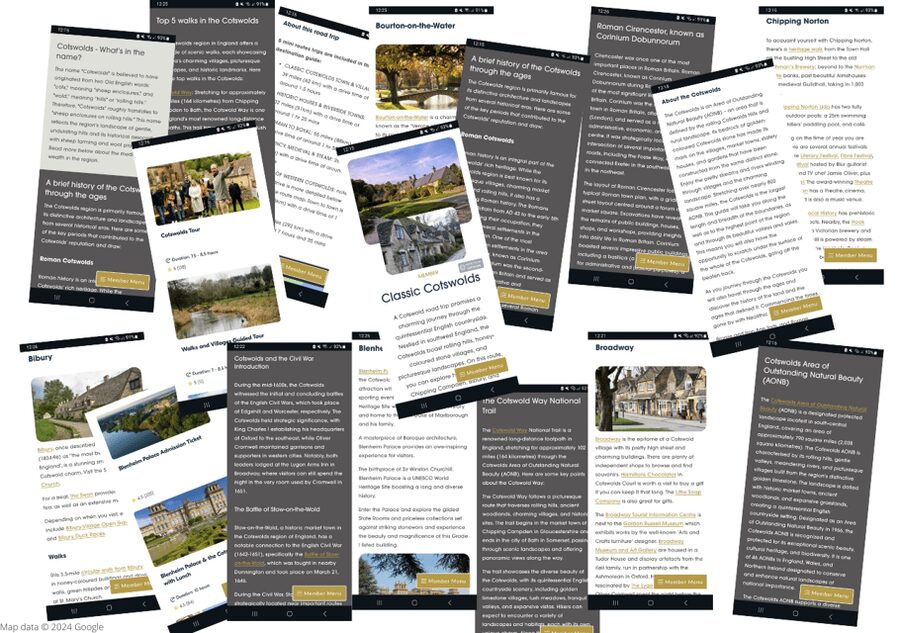
Classic Cotswolds: Online Road Trip Travel Guide
Your car is your itinerary in the Cotswolds. This online guide turns South West England into a flexible, phone-friendly road trip plan with built-in ideas for classic sights and slower countryside moments, without forcing a fixed schedule. I like the self-drive freedom and the online guidebook format you can use while you’re on the move.
I’m also a fan of the 183-mile point-to-point plan and how it funnels you through 20 destinations across the region. You get a set of five themed sections, so you can build a 3-day sprint or stretch it into a longer stay without feeling like you missed something important.
One thing to consider: it’s not a guided tour, and it doesn’t provide no live navigation help. The online map experience can feel click-heavy if you don’t already know your way around the Cotswolds.
In This Review
- Key things I’d bet on before you buy
- Entering The Cotswolds by car, not by tour bus
- Price and access: why $17 can be a smart planning tool
- The 183-mile point-to-point plan and why it matters
- Picking your route using five themed sections
- Classic towns and market town energy
- Village days that feel like postcards
- Country estates for a different pace
- Riverside stops for scenic breaks
- Valleys and the Cotswold edges
- Bourton-on-the-Water, Stow-on-the-Wold, and Moreton-in-Marsh
- Bibury and Castle Combe: village highlights with real mood
- Chipping Campden and Winchcombe as smart middle anchors
- Estate days with Blenheim, Highgrove, and Snowshill Manor
- Wool trade context, wool churches, and ancient-site stops
- Riverside breaks: Fairford and Lechlade
- Valleys and scenic driving: Stroud, Slad Valley, Berkeley, and Severn Valley
- How the online guide and Google Maps integration works
- Timing your trip: 3 to 14 days, then more later
- Who this self-drive guide fits best
- Should you book this Cotswolds online road trip guide?
- FAQ
- Do I need a meeting point?
- Can I use the guide on my phone?
- Do I need my own transport to visit the stops?
- How much of the Cotswolds does the plan cover?
- What’s the guide access period?
- Does it provide live navigation?
- What does the guide include to help me plan?
- What is the refund policy for cancellation?
Key things I’d bet on before you buy
- Five themed sections let you pick towns, villages, estates, riverside stops, and “hidden corners” without committing to everything.
- Ready-made road trips in different lengths make it easier to plan fast, especially if you want 1, 3, 5, or 7 day ideas.
- Pre-populated Google Maps pins give you a starting framework you can view and adapt on your device.
- A 12-month access window means you can plan now, travel later, and come back if you fall short.
- Built-in planning basics cover things like how to get there and where to park, so you spend less time guessing.
Entering The Cotswolds by car, not by tour bus
The biggest draw here is simple: you drive, you decide, you go. This is a self-guided experience, so there’s no meeting point and no tour leader to herd you from stop to stop. If you’re the type who likes to linger at a village square, duck into one extra shop, or skip something that doesn’t fit your mood, this format will feel natural.
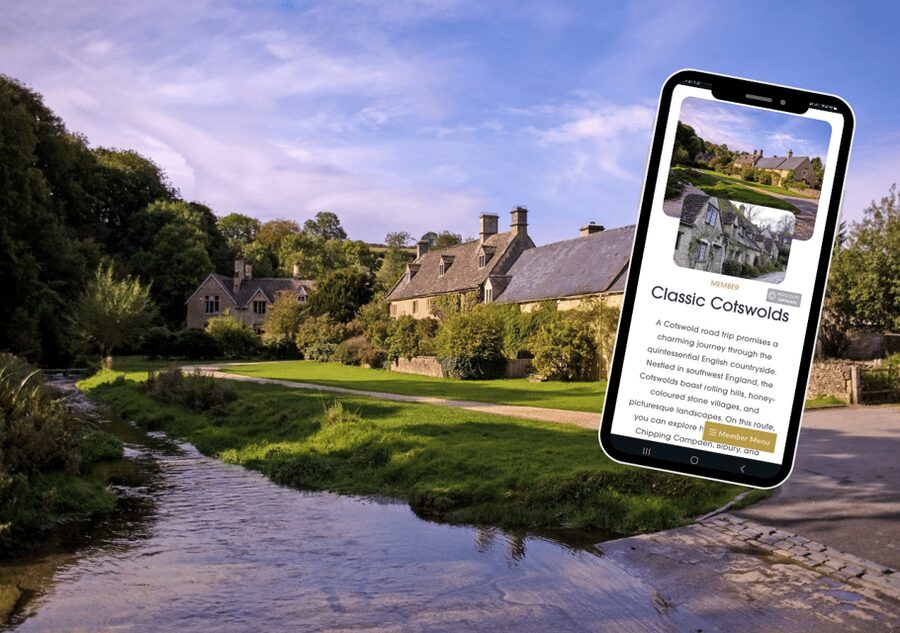
The guide is designed like a digital book. You read, browse, and plan at home, then pull it up on your smartphone or tablet while you’re in the UK. It’s also accessible on desktop, which matters if you like doing the “day-by-day” planning with a bigger screen.
You should also know the guide is not customized. That’s a good thing and a limitation. Good, because the routes and suggested combinations are already thought through. Limiting, because you cannot freely edit the routing inside the guide the way you would with a full navigation app.
More Cotswolds day trips:
- From London: Full-Day Cotswolds Small-Group Tour
★ 4.8 · 4,665 reviews - From London: Cotswolds and Oxford Guided Day-Trip
★ 4.7 · 3,720 reviews - From London: Oxford and Cotswolds Villages Day Trip
★ 4.6 · 1,659 reviews
Price and access: why $17 can be a smart planning tool
At $17 per group up to 7, you’re not paying for transport or a person in a van. You’re paying for planning help that stays with you for a long time. The access window is 12 months, and the offer is valid for 364 days, so you can start right away and refine your trip as your dates firm up.
That time buffer is the value. The Cotswolds are popular, and schedules change. With year-long access, you can plan an initial route, travel, then come back with a second pass if you want more villages, more walking, or more estate time.
The guide is also sold as a “choose your own route” tool. It typically supports trip ideas from 3 to 14 days, which is the sweet spot for most visitors. A lot of road-trip plans force you into one length. This one helps you stretch or shrink the same core ideas.
The 183-mile point-to-point plan and why it matters
The core framework covers about 183 miles (292 km) across 20 key destinations. “Point-to-point” matters because it reduces the wasted time of backtracking. In road-trip terms, it’s a big difference between doing an efficient loop and constantly crossing the same stretches of countryside twice.
This plan is also organized so you don’t have to do everything. It’s split into five mini sections that you can combine based on time and interests. So if your priority is medieval villages, you can focus there. If you love estates, you can build around palaces and manor houses. If your thing is rivers and valleys, you can do that instead.
The best practical part is the balance. It mixes famous Cotswold towns with less obvious stops like riverside places and ancient-site context. That variety helps you avoid the “same pretty stone, repeat” problem that can happen on a short road trip.
Picking your route using five themed sections
Think of the guide as five folders. You mix and match the folders to make your own days.
A few more Britain days worth comparing
- Magical London: Harry Potter Guided Walking Tour
★ 4.7 · 22,044 reviews - Liverpool: City & Beatles Tour with Live Guide & Live Music
★ 4.7 · 5,944 reviews - London: Emirates Stadium Entry Ticket and Audio Guide
★ 4.7 · 5,513 reviews - Oxford: University and City Walking Tour with Alumni Guide
★ 4.7 · 4,429 reviews
Classic towns and market town energy
You’ll be able to stitch in places like Stow-on-the-Wold with its historic market square, Moreton-in-Marsh with its antique shops and long-running Tuesday market, and Cheltenham described in a Regency frame. These are great anchor towns. They tend to give you services, food options, and a central “base” feeling for day planning.
Village days that feel like postcards
If your idea of a perfect day is low bridges, stone cottages, and walkable lanes, the guide pushes you toward villages like Bourton-on-the-Water and Castle Combe. It even calls out Bourton as the Venice of the Cotswolds, mainly because of its low bridges and pretty stone cottages.
Country estates for a different pace
A lot of visitors only plan for towns and forget estates. This guide nudges you to correct that. It explicitly includes big-name estate visits such as Blenheim Palace, Highgrove House, and Snowshill Manor, plus additional estate ideas. Estates add variety when you want a change of scenery from village streets.
Riverside stops for scenic breaks
You can also build in riverside towns like Fairford and Lechlade. Even without getting into specific activities, riverside stops are often where the pace slows. They’re also useful on travel days when you want something to look at between longer drives.
Valleys and the Cotswold edges
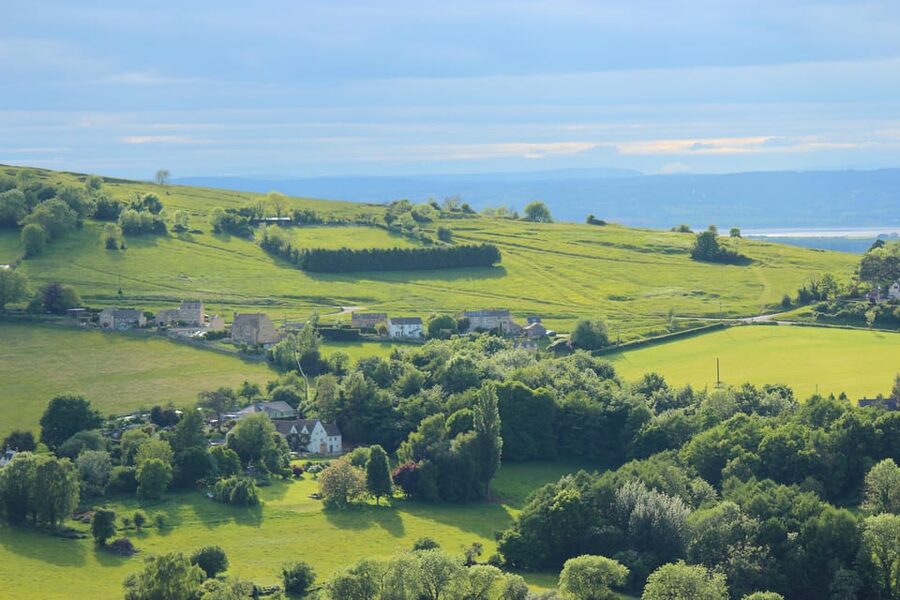
The guide spreads attention across the “valleys” area with places like Stroud and the Slad Valley, Berkeley, and the Severn Valley scenic driving route. If you want driving views that feel less like a single main street and more like open countryside, this is the section to use.
Bourton-on-the-Water, Stow-on-the-Wold, and Moreton-in-Marsh
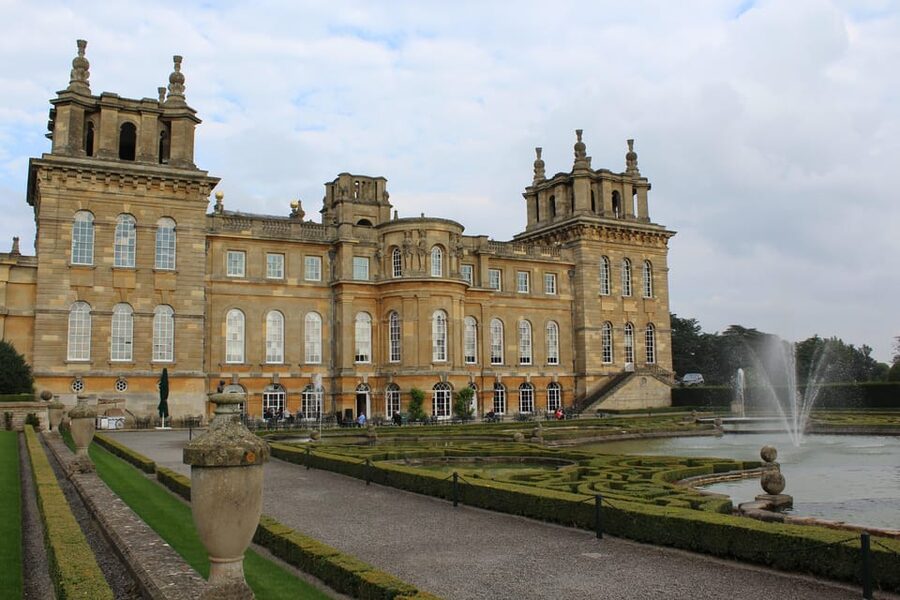
These are the kinds of towns that help you design your trip by rhythm, not by checklist.
Start with Bourton-on-the-Water if you want a quick win: low bridges, stone cottages, and an easy visual payoff. It’s also a good “arrive and orient” stop because you can plan short walks without committing to a full day of logistics.
Then consider Stow-on-the-Wold for its classic market square energy. The guide highlights antique shops and traditional inns, which tells you the vibe. I like using places like this when I want at least one meal plan that’s not a research project.
Finally, Moreton-in-Marsh is a smart choice for people who want a market town feel plus browsing time. The guide calls out its long-running Tuesday market, which is useful if your dates line up. If not, you can still use it as a base town, then spend the rest of the day in nearby villages.
Practical note: the guide includes planning tips like how to get there and where to park. That matters because the Cotswolds can be tight on parking, and guessing wastes time fast.
Bibury and Castle Combe: village highlights with real mood
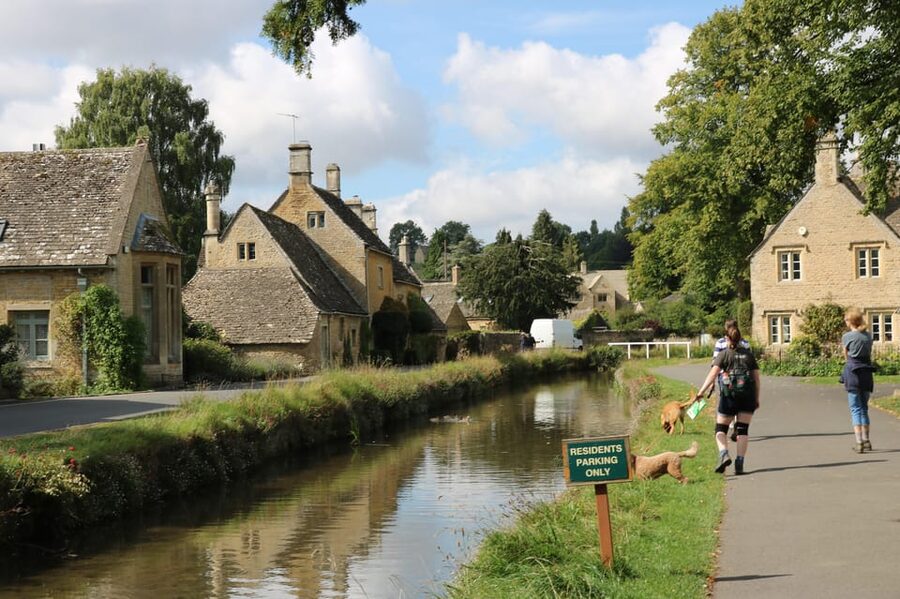
If you’re the kind of traveler who wants one village to be the star of a day, two names get attention: Bibury and Castle Combe.
Bibury is described in famous terms, including William Morris calling it the most beautiful village in England. You don’t need the quote memorized, but it signals what the guide is going for: a village that looks like it belongs on a postcard.
Castle Combe is positioned as postcard-perfect and medieval, and the guide notes it as untouched by time. That phrasing is a clue to what to expect visually and atmospherically. It’s the kind of place where you’ll want to wander a little slower than you planned.
For both, I’d treat them as “quality time” stops. Don’t stack too many villages in one day just because the distances look manageable. If you do, you’ll end up taking quick photos and missing the lived-in feeling that makes Cotswold villages work.
Chipping Campden and Winchcombe as smart middle anchors
Not every day needs to be the biggest-name stop. Chipping Campden and Winchcombe are here for that reason.
Chipping Campden is described with golden stone buildings and Arts and Crafts heritage. That combination is useful because it tells you what kind of browsing you’ll likely enjoy: architecture, craft, and streets that reward slow walking.
Winchcombe adds timber-framed house charm and historic trails, plus easy access to Sudeley Castle. Even if castle interiors are not your priority, the mention of a historic trail suggests you can build a simple walk and keep the day active without overplanning.
If you’re doing a multi-day trip, these towns help you break the route into pieces that feel natural, not just efficient.
Estate days with Blenheim, Highgrove, and Snowshill Manor
Estates can feel intimidating if you’re worried you will only get a quick look and then move on. Here, the guide includes several major estate options, including Blenheim Palace, Highgrove House, and Snowshill Manor.
I like adding an estate day because it changes the “visual language” of the trip. Towns and villages are all street-level life. Estates pull you toward bigger grounds, longer views, and a different kind of pacing.
A good way to use this section is to pair it with one nearby village or town base so you’re not driving long distances every single day. The guide is designed to let you choose that pairing style, especially if you’re using its themed mini routes.
Wool trade context, wool churches, and ancient-site stops

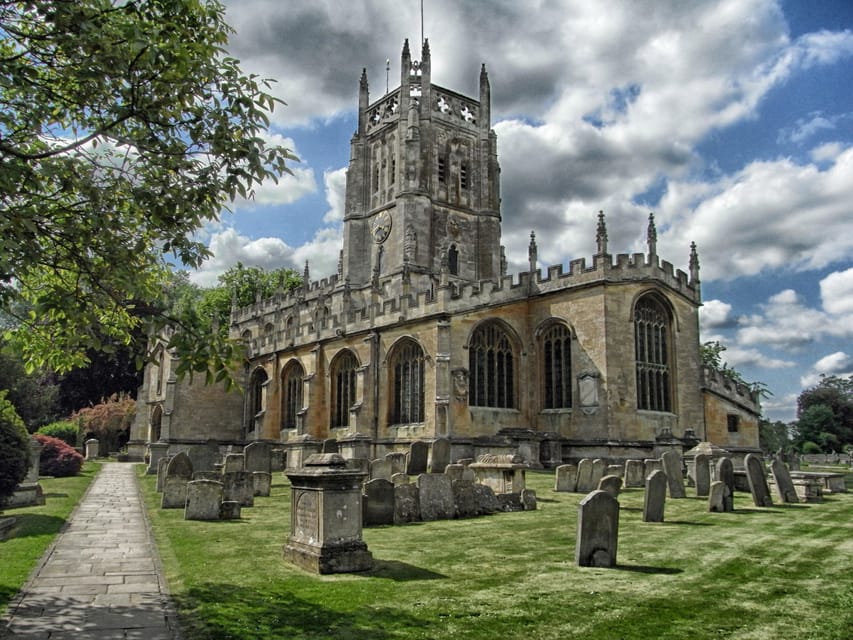
This is where the guide adds more than scenery. It includes the story of the wool trade and medieval “wool churches,” plus context for ancient sites from the Neolithic to the Iron Age.
Why it matters: the Cotswolds didn’t get famous by accident. Wealth from wool and medieval building choices shaped the look and development of many towns and villages. If you want your trip to feel meaningful instead of just pretty, this is the section that gives you that extra layer without turning your weekend into a classroom.
Also, if you like walking, the guide points to beautiful walks in the Cotswolds AONB. I’d use the ancient-site context on days when you want to feel like you’re stepping into deeper time, then keep the rest of the day flexible.
Riverside breaks: Fairford and Lechlade
If your itinerary includes a couple of busy villages back-to-back, riverside towns can save the day.
Fairford and Lechlade are singled out as riverside towns. That alone is useful. It tells you to expect a calmer rhythm, likely good for stretching your legs without committing to a long drive.
I like using riverside stops as either:
- a late-afternoon reset, or
- a light day between bigger attractions
Just keep your plans flexible, because riverside areas often feel better when you slow down and actually watch the water and boats, rather than trying to maximize every minute.
Valleys and scenic driving: Stroud, Slad Valley, Berkeley, and Severn Valley
One of the most appealing parts of this guide is its attention to the “edges” of the Cotswolds story. The plan includes the valleys with Stroud and the Slad Valley, Berkeley, and a Severn Valley scenic driving route.
If you like roads that feel like part of the experience, this section fits you. It’s also helpful for avoiding the “park, walk, repeat” feeling. Scenic drives plus a few stops can make your trip feel longer than it is, even when your schedule stays realistic.
The guide also references Victorian steam trains and Regency Cheltenham. That pairing is a hint that you can sprinkle in transport themed attractions and a style shift into your broader route.
How the online guide and Google Maps integration works
This is where you should set expectations clearly.
You’ll access the guide via a website. There’s no app to download. After booking, you get a weblink to create your guidebook account. Access is immediate, and you can start planning as soon as you want, even if your actual travel date is months away.
The guide includes routes with pre-populated Google Maps pins and suggested directions. You can view these and adapt them using your own device. That’s the key feature for people who want structure without being locked in.
Now, the drawback to plan around: the interface can feel a bit click-forward. If you don’t already know the area, it can take a little patience to move between the guide content and the map view. If you prefer a quick search bar and effortless navigation, you might find it slower than a full travel app.
My practical advice:
- Keep your smartphone charged. The guide explicitly asks you to bring a charged smartphone.
- Don’t rely on it as a live navigation tool. It does not provide live navigation or allow custom routing.
- Use the Google Maps suggestions as a framework, then adapt based on your day.
Timing your trip: 3 to 14 days, then more later
A big plus is that the plan supports multiple timeframes, typically 3 to 14 days. That matters because the Cotswolds are dense with stops, but you still need recovery time for driving and parking.
If you’ve got only a few days, I’d build around a tight set of anchor towns, then add one estate day and one village-rich day. If you’ve got longer, you can expand into riverside stops and more valley driving.
The year-long access is also practical. You can travel with a plan, then come back with a second route. That makes this guide feel less like a one-off purchase and more like a reusable trip planner.
Who this self-drive guide fits best
This guide is a good match if you:
- want a DIY Cotswolds road trip with flexibility
- like planning around themes, not just a single list of must-sees
- have your own car and want help choosing where to park and how to get there
- enjoy combining big attractions like estates with smaller villages
It might not be ideal if you:
- want a hands-free experience with live navigation
- want to quickly search and jump without clicking around
- prefer a very light planning tool you won’t reference much
Also, if you’re traveling from farther away, you might want more help on transport options from major entry points into the region. The guide includes how to get there, but it may not satisfy every cross-country logistics need on its own.
Should you book this Cotswolds online road trip guide?
Book it if you want a low-cost planning partner for a car trip through South West England. The $17 per group price makes it easy to justify, especially since you get 12 months to refine your plan and do a second pass later.
I’d also recommend it if you like the idea of picking from five themed sections and building your own route length, whether you’re doing a short weekend or stretching into a longer stay. The pre-loaded Google Maps pins and direction suggestions can save you time, and the guide’s mix of classic towns, estates, riverside spots, and valley stops helps you avoid a one-note itinerary.
Skip it if you need a slick, app-like search and map experience, or if you expect live navigation and full routing customization inside the guide. This is for planners who want structure plus freedom, not for people who want it to do all the thinking for them.
FAQ
Do I need a meeting point?
No. This is a self-guided experience, and you access the guide online at your convenience. You do not meet anyone in person.
Can I use the guide on my phone?
Yes. The guide works on smartphone, tablet, or desktop, and there is no app to download.
Do I need my own transport to visit the stops?
Yes. You’ll need your own vehicle to visit the suggested destinations.
How much of the Cotswolds does the plan cover?
The core plan is a scenic 183-mile (292 km) point-to-point route across 20 key destinations.
What’s the guide access period?
Access is valid for 12 months, described as valid for 364 days.
Does it provide live navigation?
No. It does not provide live navigation, and you cannot fully customize routing inside the guide.
What does the guide include to help me plan?
It includes destination information, embedded links, planning tips such as how to get there and where to park, and suggested routes with pre-populated Google Maps pins.
What is the refund policy for cancellation?
You can cancel up to 24 hours in advance for a full refund.
Newly listed near Britain
- London: 3-Hours Private Walking Tour★ 4.4 · 8 reviews
- London: 3-hour Outdoor Escape Room Game★ 4.0 · 5 reviews
- London: 3 Most Famous Art Galleries Tour★ 5.0 · 3 reviews
- London: 24-Hour Hop-On Hop-Off Bus Pass★ 3.1 · 133 reviews
- London: Secret Beer Tour★ 4.9 · 10 reviews
- London: 3 Days of Must-See Attractions including London Eye★ 4.5 · 22 reviews
- London: 30 Top Sights and Churchill War Rooms Tour★ 4.8 · 60 reviews
- London: Private Underground and Tube Tour★ 4.6 · 42 reviews
Cotswolds Tours, compared.




Oxford, Stratford, Cotswolds, and Warwick Day Trip
Read our review →
Stonehenge & the Cotswolds Day Tour with Entry
Read our review →Browse the lists this tour appears in