
Review · EDINBURGH TOURS
From Edinburgh: 6-Day Shetland & Nothernmost Explorer
A trip to Shetland feels like a loophole in the calendar. You get North Sea wildlife, Viking-era clues, and big cliff views, all stitched together with weather-smart timing and a small group on the move. The best part for me is the mix: off-road-feeling coastline in one day, then history that goes back thousands of years the next.
Two things I especially like are the focus on wildlife you can actually watch up close (puffins and seals, not just from a distance), and the way the day plans around reality, led by Hugh who stays flexible when conditions shift.
One consideration: Shetland driving and stops can mean long stretches in the vehicle. If you get car-worn easily, plan for downtime and pack layers, because the wind can change fast.
Key highlights that make this trip worth your time
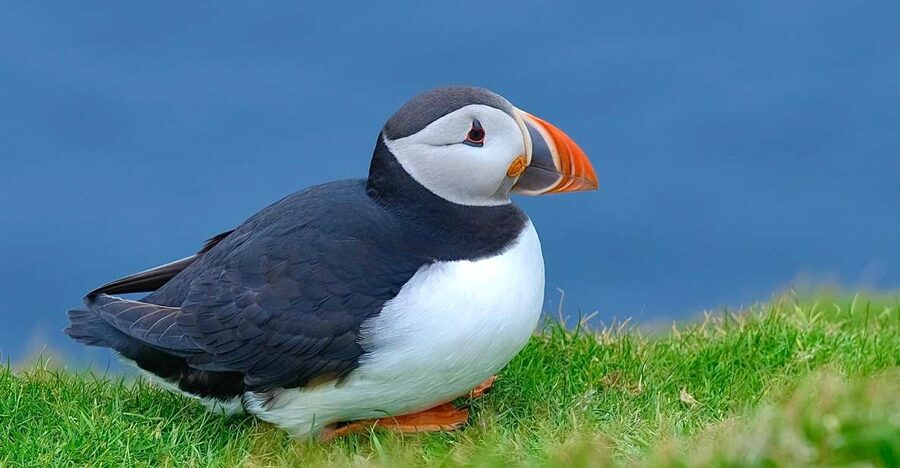
- Puffins in the best window (April to July), with chances to see them near cliff colonies
- Hugh running the show with calm driving and real responsiveness to the weather
- Neolithic to Viking clues in the same week, so the islands’ story feels connected
- Shetland ponies and seals as hands-on moments, not just “look from afar”
- Britain’s northernmost lighthouse area tied to dramatic viewpoints at Unst and Hermaness
In This Review
- From Edinburgh to Shetland by ferry, with a Scotland intro you can feel
- Lerwick: knitting roots, a seal-friendly beach, and the lighthouse stop
- Neolithic time travel at a New Stone Age settlement
- St. Ninian’s Ayre and Eshaness: soft sand, hard wind, and cliff power
- Unst and Hermaness: the northernmost point, puffin colonies, and Viking traces
- Shetland ponies, Minn Beach, and Kettla Ness: wildlife without frantic rushing
- Dunnottar Castle and St Andrews: end with cliffs, then golf country
- What the small-group setup means (and why it matters on Shetland)
- Price and value: what $67 covers, and what you should budget extra
- Timing, puffin season, and what to pack for North Sea weather
- Who should book, and who should skip this one
- Should you book this Shetland and northernmost explorer trip?
- FAQ
- How many days is this Shetland trip?
- What’s included in the price?
- Is food included?
- What wildlife and nature stops are included?
- Which lighthouses will we see?
- Is pickup included?
- What language will the guide use?
- What should I bring?
From Edinburgh to Shetland by ferry, with a Scotland intro you can feel
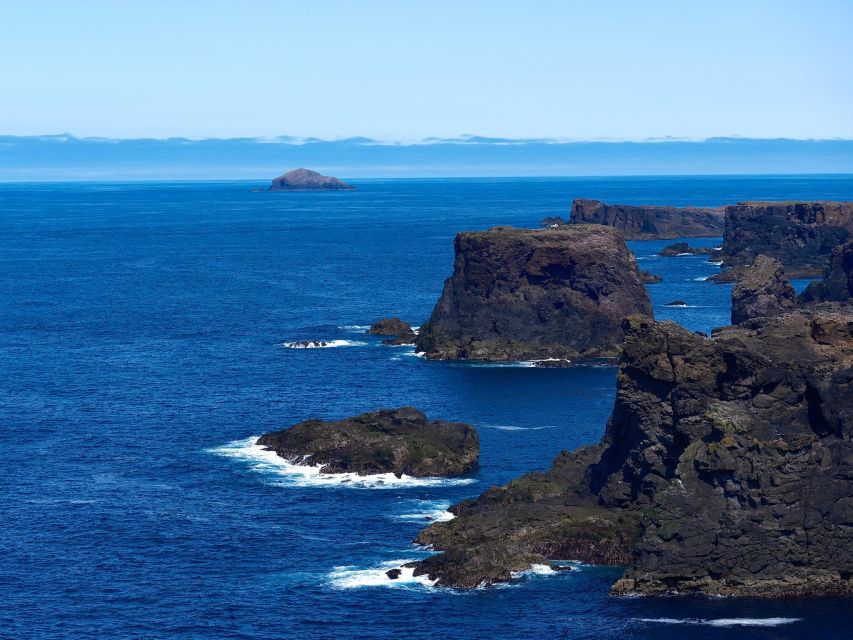
You start in Edinburgh and immediately get a sense of how Scotland’s coasts shaped people. The route includes the Forth Bridge (UNESCO-listed, built in 1889), plus a quick sighting of Arbroath Abbey, which pairs nicely with the Declaration of Arbroath era reference. It’s a good warm-up day, not a rushed one.
Then you board the ferry from Aberdeen bound for Shetland. This matters because it turns what could be a “transfer” into part of the trip. You gain time on the sea and you arrive with less stress than if you had to chain day after day of transport.
What to expect: once you’re on the water, you’ll be in that slow, salt-air mood. You sleep on the ferry in an inside berth cabin (the trip includes ferry accommodation for two nights), and you wake up ready to move.
Lerwick: knitting roots, a seal-friendly beach, and the lighthouse stop
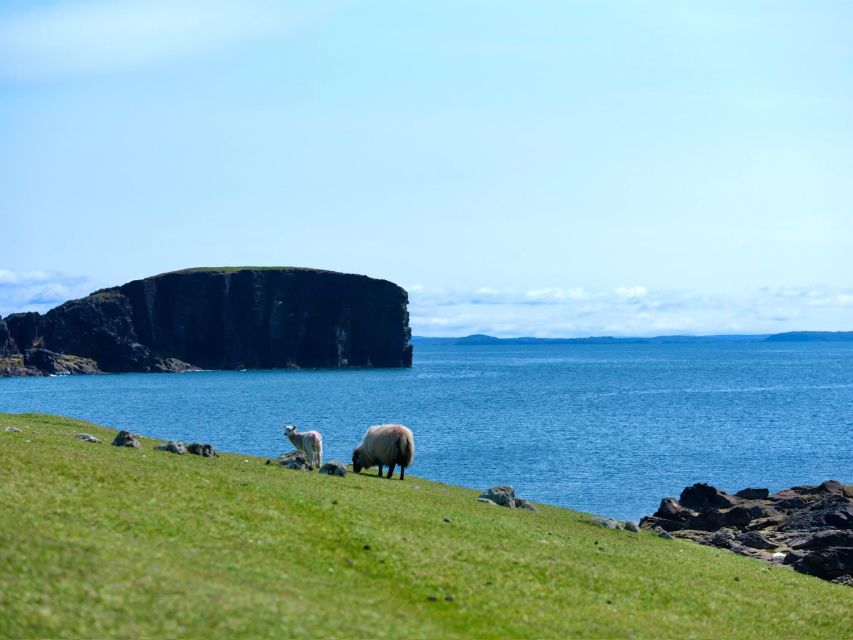
Day two is where Shetland starts to feel real. You land on the islands’ main hub, Lerwick, and the day is built around the island’s identity: maritime life, local crafts, and the kind of place where history sits close to everyday routines.
Two anchors here are Shetland knitting and the sense of a town that evolved for centuries around the North Sea. It’s not just a museum vibe. You’re in a working coastal community, and the guide’s storytelling helps you connect craft traditions to the island’s practical needs.
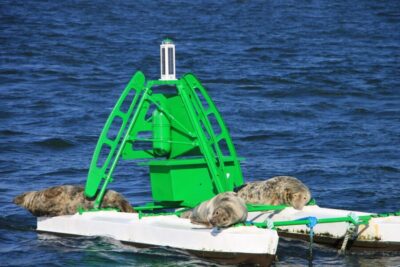
Then you get wildlife without theatrics. You’ll visit Lerwick Beach, where seals can be part of your view. It’s a calm, easy moment after a travel day, and it’s also a reminder that Shetland wildlife is often about patience and distance, not chasing.
The other key stop is Sumburgh Lighthouse. This is an older lighthouse built in 1821 (Robert Stevenson is named in the route info), which gives you a strong “old technology” feeling. When you’re standing near one of these headland markers, you understand why navigation mattered so much for island life.
A few more Edinburgh days worth comparing
- Edinburgh: Loch Ness, Glencoe & the Scottish Highlands Tour
★ 4.6 · 17,446 reviews - From Edinburgh: Loch Ness, Glencoe & Scottish Highlands Tour
★ 4.7 · 11,381 reviews - Edinburgh: Glenfinnan Viaduct, Glencoe & Fort William
★ 4.8 · 3,366 reviews
Neolithic time travel at a New Stone Age settlement
Shetland’s timeline is one of the most satisfying parts of this trip. You spend time at a New Stone Age settlement connected to an archaeological site referenced as stretching back around 40,000 years. That’s an eye-opener scale, and it changes how you look at cliffs and rock. You stop thinking only about scenery and start thinking about why people kept returning to the same edges of land.
What works well here is that this isn’t heavy classroom history. It’s place-based. The guide ties the story to what you can see outside the vehicle windows, which makes it easier to remember and harder to shrug off as “just another ruin.”
Practical note: this day can involve walking on uneven ground near historic sites. Comfortable shoes and weather protection are not optional.
St. Ninian’s Ayre and Eshaness: soft sand, hard wind, and cliff power
Day three leans into coastal beauty and physical drama. The headline is St. Ninian’s Ayre, where you’ll get the chance to see that distinctive Shetland blend of sand, sea, and sky. It’s the kind of beach moment that makes you pause, because it feels remote even when you know you’re only a day into the island loop.
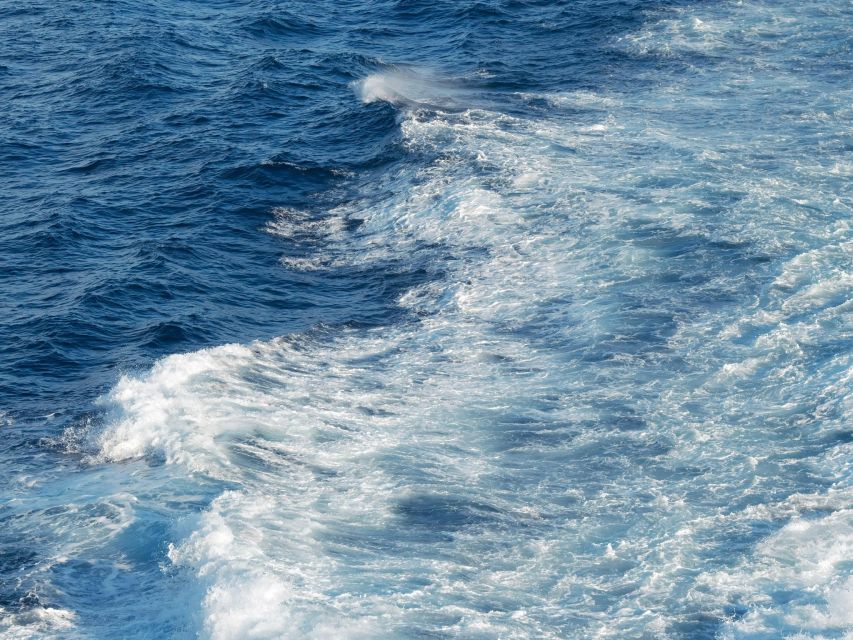
Then comes the Eshaness coastline route, described as running along Shetland’s long stretch of coastal edge (listed as 1,697 miles of coastline in the route info). Expect cliff views where you can watch waves throw themselves at ancient rock. This is not a “stand still for a photo and leave” type of stop. You’ll likely linger because the sea noise and movement are hard to tune out.
Best for: people who like nature with real grit. Shetland doesn’t pretend to be postcard-perfect. It looks like wind-sculpted truth.
Possible drawback: if you’re sensitive to cold drafts, you’ll want layers that actually breathe. You’ll be outside long enough for the weather to matter.
Unst and Hermaness: the northernmost point, puffin colonies, and Viking traces
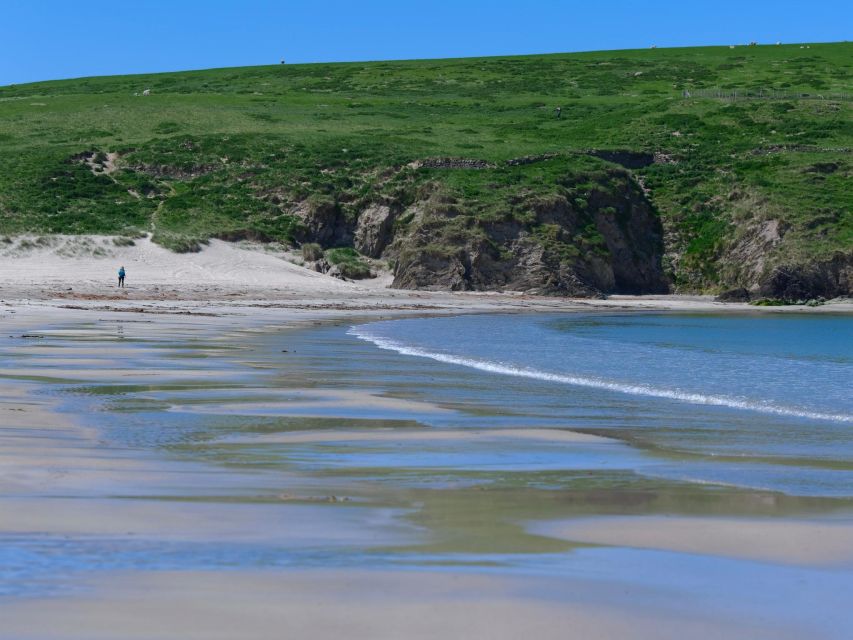
If you want the most specific “wow” moments in this route, day four is it. The trip reaches the northernmost point of the UK, tied to the Muckle Flugga lighthouse perched on a rocky outcrop at the edge of Unst’s Hermaness peninsula.
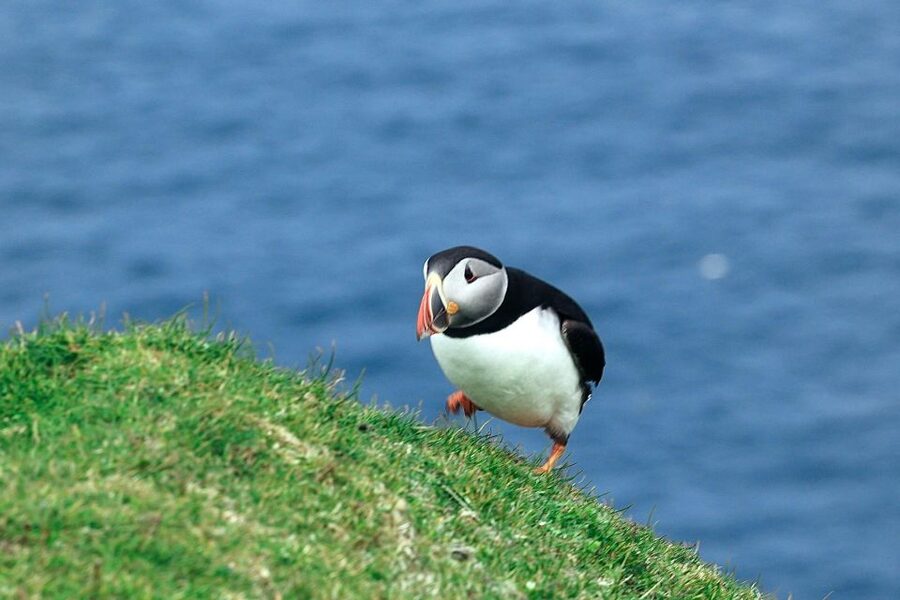
This stop is about cliffs, birds, and scale. And it’s also about timing. Puffins are listed as best from April to July, so if you travel in that window, your odds improve. The route description also points to puffin colonies and seabird rookeries, which explains why this day is often remembered most.
You also get Viking context in a way that feels grounded. The island of Unst is described as having concentrated evidence of Viking raids and Norse occupation. The trip references the Viking Unst archaeological project, including the discovery of three Viking longhouses. That detail helps you understand the islands as more than a wildlife destination. It’s also a place with human movement, settlement attempts, and culture shifts.
A small but memorable story is included too: the loneliest and last bus stop, described as a father’s gesture to his daughter. It’s the kind of human detail that makes a remote place feel emotionally close.
Same corner of Britain, a different sort of outing:
- From Edinburgh: Loch Ness & Scottish Highlands Tour
★ 4.4 · 2,943 reviews - Edinburgh: Loch Ness, Glencoe, Coos & the Highlands Day Tour
★ 4.6 · 2,539 reviews - From Edinburgh: 3-Day Isle of Skye and The Highlands Tour
★ 4.8 · 2,405 reviews - Edinburgh: ‘Firth of Forth’ Three Bridges Sightseeing Cruise
★ 4.7 · 2,383 reviews
Shetland ponies, Minn Beach, and Kettla Ness: wildlife without frantic rushing
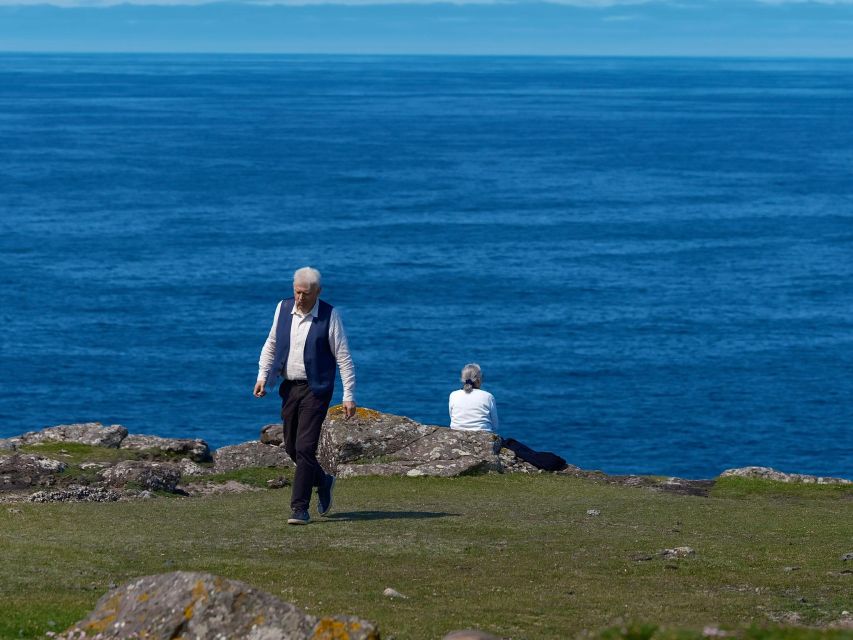
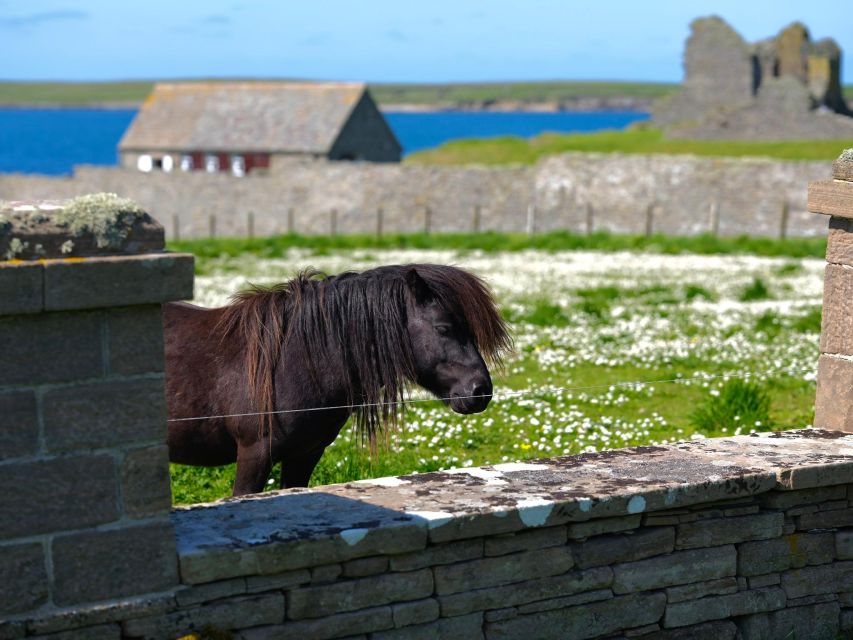
Day five is lighter in the “big cliff adrenaline” sense, but it still delivers strong wildlife moments. You’ll get time to pet Shetland ponies, animals that are described as roaming these islands for over 4,000 years. That’s not just a cute interaction. It reinforces how Shetland animals are built for harsh terrain and limited resources.
Then you move along the coast: a stroll at Minn Beach leads toward Kettla Ness, a wild headland where you can look for seals, including Arctic skuas and Arctic terns depending on conditions. This is a better day if you like watching from a stable position rather than scrambling for angles.
My practical advice: keep your outer layer on and your camera ready, but don’t expect wildlife to perform on cue. On Shetland, the most reliable method is quiet observation, not sprinting from spot to spot.
End the day with the cruise back toward Aberdeen, closing the loop after those northernmost cliff days.
Dunnottar Castle and St Andrews: end with cliffs, then golf country
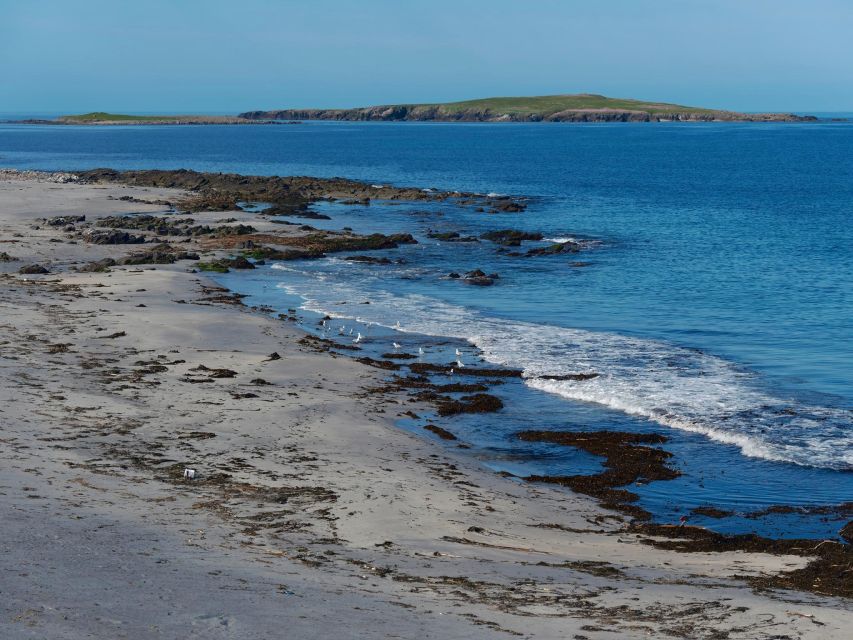
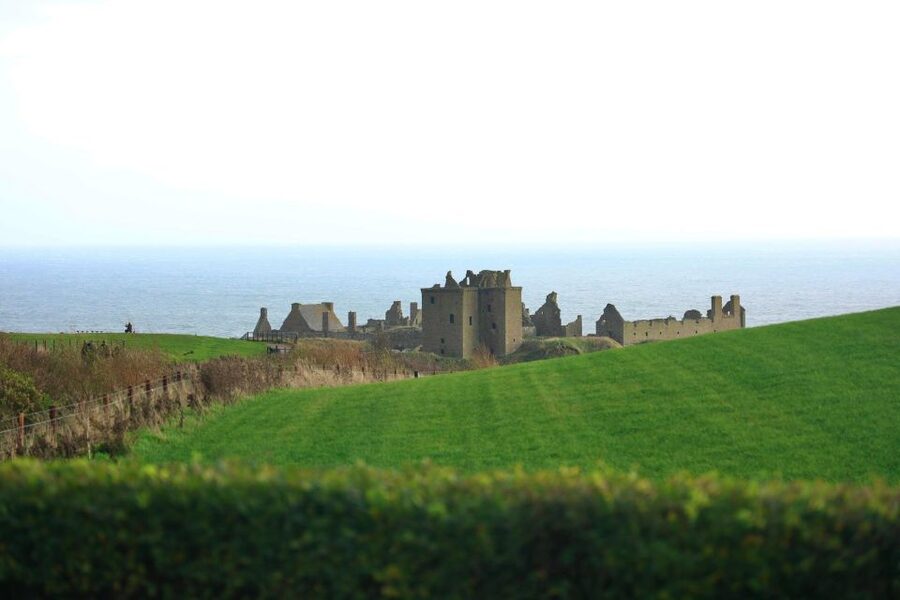
On the final day, you start with a major Scotland hit: Dunnottar Castle, a dramatic 14th-century fortress perched on rugged cliffs overlooking the coastline. This stop works because it brings your trip full circle into coastal power, but with human fortifications instead of only natural rock.
Then you head to St Andrews, described as the birthplace of world golf and a spiritual center of Scotland. Even if you’re not a golfer, the place has a strong sense of identity. It’s a smart way to finish a trip that has been about remote edges, because St Andrews is an old, recognizable anchor back on the mainland.
What the small-group setup means (and why it matters on Shetland)
This trip runs with a small group limited to 8 participants, using modern, air-conditioned 5 to 9 seat vehicles depending on group size. That’s not a luxury detail. On an island schedule shaped by weather, smaller groups are more flexible. You spend less time waiting, and the guide can adjust where you stop and how long you stay.
Another practical advantage: the tour uses a driver/guide and aims to minimize backtracking by planning pickups based on the addresses you provide. That matters when roads are winding or where the schedule needs to fit daylight and weather.
From what you can learn about how the route is run, Hugh is a standout type of guide. People highlight his calm driving when rest is needed, his attention to the group, and his ability to keep the mood light during longer drives. That shows up as smoother pacing, not just a friendly personality.
Price and value: what $67 covers, and what you should budget extra
The listed price is $67 per person (duration listed as 10 hours to 6 days). On paper, that sounds like a quick bargain. In reality, the value comes from what’s already handled for you.
Included items that drive value:
- Luxury, modern, air-conditioned transport in small vehicles
- Driver/guide
- Ferry tickets and ferry cabin, including four inside berth cabins for two nights
- Accommodation with breakfast for four nights if you select the option
Not included:
- Food and drinks
- Attraction tickets, noted as about £6 for only one place, with the comment that you likely will not encounter long queues at that specific stop
So the real budgeting question is simple: do you want to pay for meals yourself and handle a small attraction fee, in exchange for not worrying about transport, ferry cabins, and guided logistics? If that trade sounds fair, this is strong value.
Timing, puffin season, and what to pack for North Sea weather
Shetland weather is the unspoken third character in the story. Even with a good plan, you’ll do better if you treat the forecast as a hint, not a promise.
Key timing note: puffins are listed as best from April to July. If puffins are a top priority, plan around that. If you go outside those months, you might still see seabirds, but your best “up-close” odds likely shift.
What to bring, based on the trip requirements:
- Jacket and outdoor clothing
- Hiking shoes (or sturdy footwear)
- Comfortable clothes and comfortable shoes for walking
- Hiking pants
- A credit card
If you tend to travel light, remember this is a coast-heavy trip. You’ll spend time near wind-exposed headlands and cliffs where a single thin layer can feel like a mistake.
Who should book, and who should skip this one
This tour is a good match if you want:
- A history and wildlife blend, not one or the other
- A small-group feel with weather-responsive pacing
- Time on headlands and beaches where the scenery changes with the wind
It’s not a great fit if:
- You need wheelchair access. The route is listed as not suitable for wheelchair users
- You’re traveling with children under 7 years
- You dislike long drives. Even with calm, you will spend time in the vehicle between far-flung coastal stops
Also, note the rules: pets are not allowed, and the trip prohibits things like fishing and feeding animals. That’s mostly about safety and protecting wildlife, so it’s consistent with why wildlife experiences tend to stay respectful and calm.
Should you book this Shetland and northernmost explorer trip?
Book it if you want Shetland to feel like a complete story, from Neolithic hints to Viking traces, then to cliffside wildlife and lighthouse drama. The big reasons to commit are puffins in season, the guide quality tied to Hugh’s flexibility, and the fact that the route mixes iconic stops with quieter moments like beaches and pony time.
Skip it or choose another style of trip if your priority is only comfort, only sightseeing in towns, or if you want zero outdoor exposure. This trip gives you wind, walking, and coastal time. If that sounds fun rather than stressful, you’re in the right place.
FAQ
How many days is this Shetland trip?
It runs for 6 days, with a listed duration range of 10 hours to 6 days depending on starting times.
What’s included in the price?
Included are transportation by luxury, modern, air-conditioned 5 to 9 seaters (depending on group size), a driver/guide, ferry tickets and ferry cabin for 2 nights, and accommodation with breakfast for 4 nights if you select that option.
Is food included?
No. Food and drinks are not included.
What wildlife and nature stops are included?
The route includes opportunities to see puffins (best from April to July), seals at Lerwick Beach, and wildlife around St. Ninian’s Ayre and the headland areas such as Kettla Ness.
Which lighthouses will we see?
The itinerary includes Sumburgh Lighthouse and the northernmost point area featuring Muckle Flugga lighthouse.
Is pickup included?
Yes. Pickup is included, and the itinerary is arranged based on the addresses you provide to reduce backtracking.
What language will the guide use?
The live tour guide provides Chinese and English.
What should I bring?
Bring comfortable shoes, hiking shoes, a jacket, comfortable clothes, outdoor clothing, and hiking pants, plus a credit card.
Newly listed near Edinburgh
- From Edinburgh: Loch Ness Private Day Tour with Transfers★ 4.9 · 47 reviews
- From Edinburgh: Loch Ness, Glencoe, and the Highlands Tour★ 4.8 · 61 reviews
- Oban, Lochs & Inveraray Full-Day Tour from Edinburgh★ 4.5 · 97 reviews
- Inverness and The Highlands 2-Day Tour from Edinburgh★ 4.9 · 62 reviews
- From Edinburgh: Highland Lochs, Glens, and Castles Tour★ 5.0 · 37 reviews
- Full-Day Custom Tour: Loch Ness, Glencoe and Highlands★ 4.8 · 10 reviews
- From Edinburgh: West Highlands, Castles & Lochs Day Tour★ 4.5 · 37 reviews
- From Edinburgh: The Kelpies, Glencoe & Loch Lomond Day Tour★ 5.0 · 8 reviews
Edinburgh Tours, compared.
Loch Ness, Glencoe & the Scottish Highlands Tour
Read our review →
Loch Ness, Glencoe & Scottish Highlands Tour
Read our review →
Loch Ness, Glencoe, Coos & the Highlands Day Tour
Read our review →
‘Firth of Forth’ Three Bridges Sightseeing Cruise
Read our review →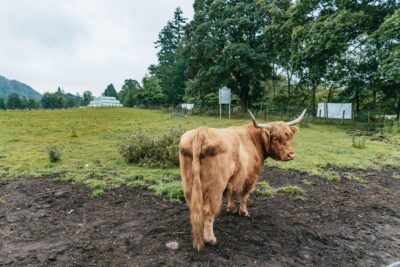
Browse the lists this tour appears in