
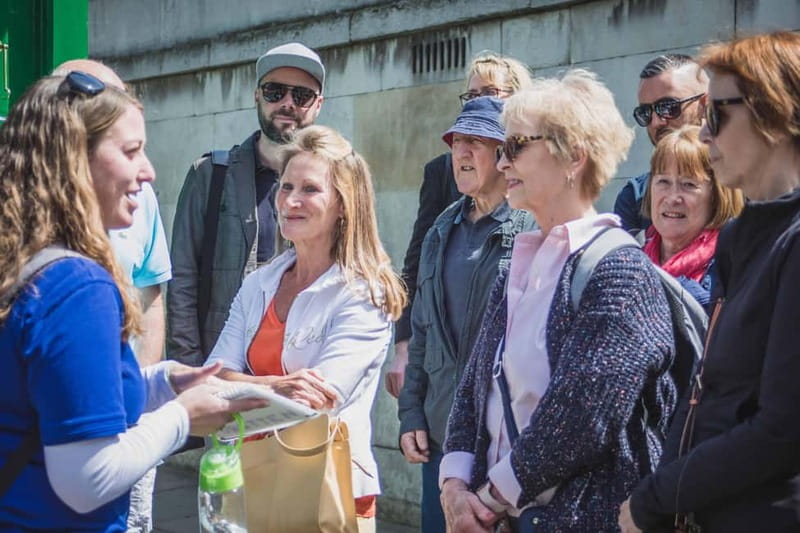
Review · WALKING TOURS
Hidden London Walking Tour
London gets weirder once you walk. This 1.5-hour Hidden London tour threads together Templar legend, a ghostly Underground platform at Aldwych, and street-level details most people miss. What I especially like is the stop at Temple Church, tied to the Knights Templars, and the way the walk keeps switching moods, from folklore to very real marks like WW2 shrapnel.
The main drawback is practical: expect some steps and uneven surfaces, so comfy shoes matter. If you bring big bags, there’s also a clear no-go, and pets are not allowed (guide dogs are fine).
In This Review
- Key highlights and what makes them fun
- Starting at Temple: Why the walk begins in a quiet pocket
- Temple Church: Knights Templar legend in oxford-red calm
- The Old Cabman’s Shelter: London’s tiny problem-solving architecture
- Aldwych Ghost Station: Seeing a lost London Underground world
- London’s Roman Bath window: A label with a complicated past
- Lost rivers and the street-level map of London
- WW2 shrapnel damage: When London lore turns real
- The dictionary man: Language, power, and why words belong on a walking tour
- Finding Sweeney Todd: The final hunt for London’s most notorious barber
- Guides and pacing: How you can tell a good 90-minute tour
- Price value at $26 for 1.5 hours: what you actually pay for
- Who this Hidden London walk is best for
- Should you book this tour?
- FAQ
- Where does the Hidden London walking tour start?
- How long is the tour?
- What language is the tour guide?
- What should I wear or bring?
- Are pets allowed?
- Is it suitable for children?
Key highlights and what makes them fun
- Temple Church and the Knights Templar connection: You get a focused church-side story, not just a quick photo stop.
- Aldwych Ghost Station: That oxblood-red feel and the eerie “lost station” vibe give the walk its atmosphere.
- The window into London’s Roman Bath: You’ll see something labeled Roman, but the tour explains why the label gets complicated.
- WW2 shrapnel damage: A small, haunting detail that grounds the ghost stories in lived history.
- The dictionary man and Sweeney Todd: The finale leans into London lore, from language to the city’s most infamous barber.
Starting at Temple: Why the walk begins in a quiet pocket
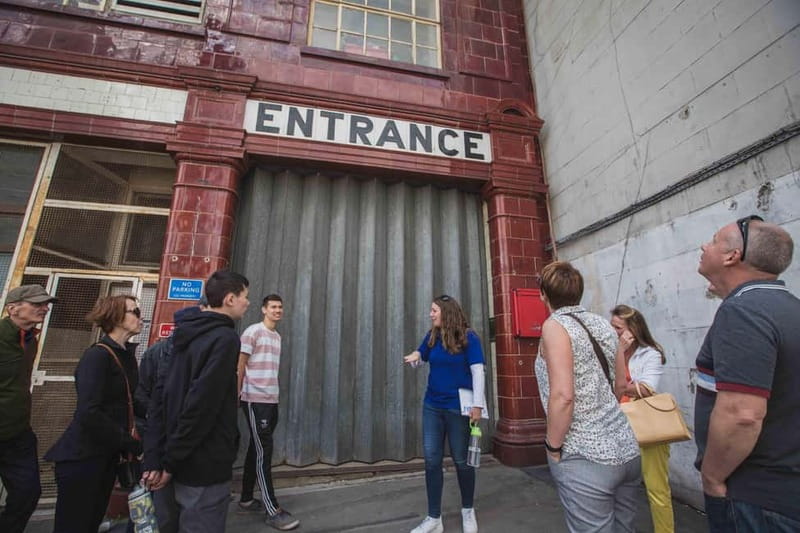
The tour meets outside Temple Underground station, one of central London’s calmer gateways. From there, you head along side streets that feel like a reset button after the crowds, which is exactly what you want on a short 90-minute format.
I like that this start point is central enough to be easy to reach, but the route immediately detours away from the tourist treadmill. You’ll spend more time looking at textures, façades, and doorways, and less time just moving with the crowd.
More Walking Tours in London
- Magical London: Harry Potter Guided Walking Tour
★ 4.7 · 22,044 reviews - London: The Original Jack the Ripper Walking Tour
★ 4.7 · 7,833 reviews - London: Harry Potter Movies Walking Tour (Kids Go Free)
★ 4.7 · 3,071 reviews
Temple Church: Knights Templar legend in oxford-red calm
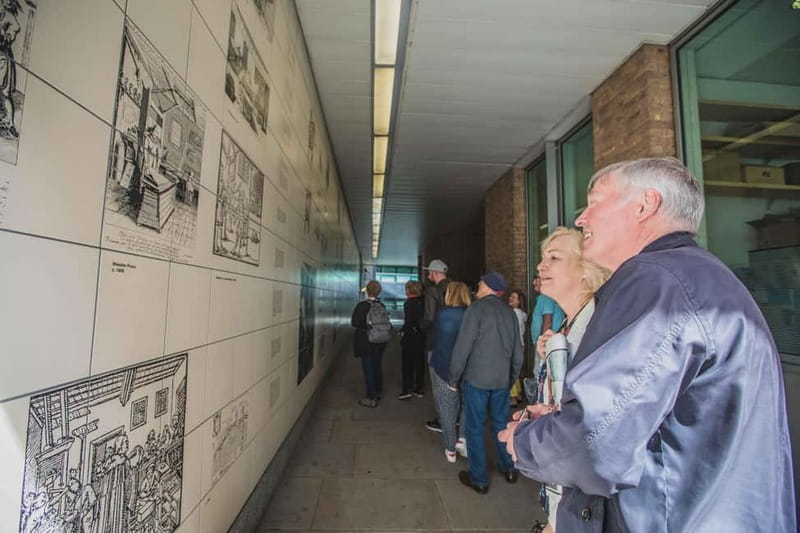
One of the tour’s big anchors is a visit to the church built by the Knights Templars, tied to the Temple area. Even if you have only a loose interest in medieval Europe, this stop works because it is specific, grounded, and theatrical in a subtle way.
You’ll likely hear how the Knights Templars shaped the area’s identity, and how London’s later layers sat on top of it. That’s the key here: the tour doesn’t treat the past like a costume show. It connects legend to place, so the story sticks to what you can actually see.
A practical note: church visits often mean changing surfaces and taking in views at different angles. Wear shoes with grip, and go in with a slow, curious mindset. If you rush, you’ll miss the little visual cues the guide uses to tell the story.
The Old Cabman’s Shelter: London’s tiny problem-solving architecture
Another stop that gets attention is an old Cabman’s shelter, built for taxi drivers who needed weather protection. It sounds small, but it’s a smart reminder that London was always full of working solutions, not just monuments.
What I like about this kind of stop is that it teaches you how to read the city. Look for things built for daily life, not just royal or religious power, and suddenly London feels more human.
This also helps the tour’s pace. It’s not only ghosts and grand eras. You get practical texture, like how people once worked through rain and cold in the streets you still walk today.
Aldwych Ghost Station: Seeing a lost London Underground world
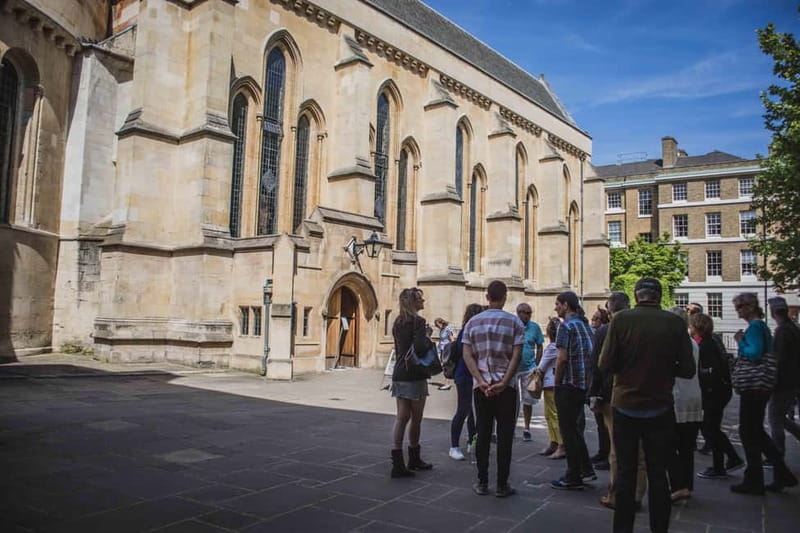
The tour’s atmosphere shift lands at Aldwych, described as one of London’s red Ghost Stations. The effect is part location, part storytelling, and it’s the kind of stop that makes you slow down without even trying.
Even in a city built for movement, Underground history can feel secret, like something sealed behind a door. Aldwych gives you that feeling, and the guide’s job is to translate it into something you can picture, not just hear.
If you like photos, you’ll find angles, but don’t treat this as a quick snapshot stop. The value is in standing there and absorbing how a “lost” station still lives in the cityscape.
Same corner of Britain, a different sort of outing:
- London: The London Eye Entry Ticket
★ 4.6 · 35,875 reviews - London: Tower of London and Crown Jewels Exhibition Ticket
★ 4.6 · 28,769 reviews - From London: Harry Potter Warner Bros Studio Tour
★ 4.7 · 26,588 reviews - London: Madame Tussauds London
★ 4.6 · 20,915 reviews
London’s Roman Bath window: A label with a complicated past
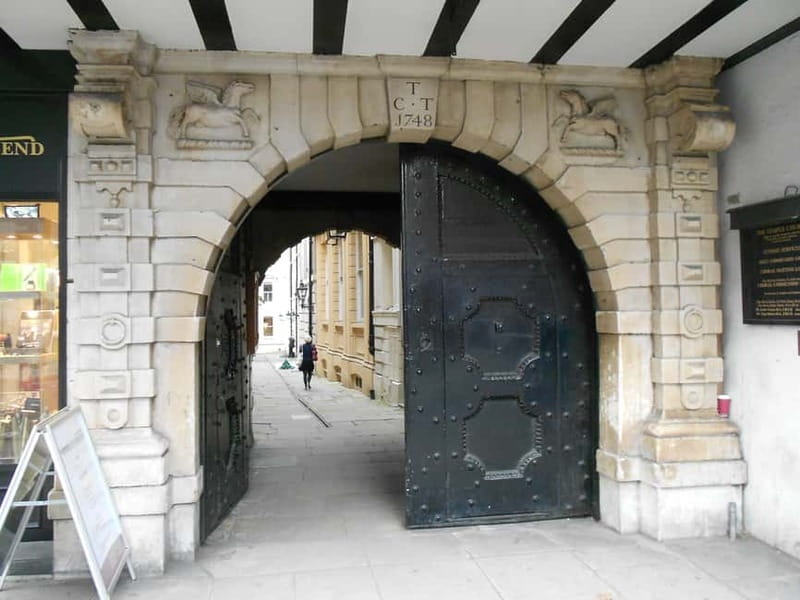
One of the more intriguing moments is looking through the window into London’s so-called Roman Bath. The tour doesn’t just say Roman, it complicates the story, which is part of why this stop feels fresh.
You’ll get the sense that the past gets marketed, simplified, and repackaged over time. That is a useful way to train your instincts in London, where labels can be as persuasive as the objects themselves.
I also like that the tour treats this like a clue, not a final answer. You’re meant to walk away thinking, wait, how did that story become official, and what did people want the site to mean?
Lost rivers and the street-level map of London
As you move between stops, the guide also points out one of London’s lost rivers. This is one of those details that can change how you understand the city.
When a river disappears from a map, you start noticing it everywhere, even when it is gone. Side street bends, uneven building alignments, and weird little dips in the pavement can suddenly make sense, and your future walks become easier because your brain has a new reference point.
This part is also a reminder that London’s layers are not just historical. They are physical. The city still carries the water story, even when you can’t see the water.
WW2 shrapnel damage: When London lore turns real

One of the tour highlights is seeing shrapnel damage from WW2. This stop is emotionally different from the Templar legends and station ghost stories, because it is direct, physical, and contemporary compared to the medieval stuff.
That shift matters. It keeps the tour honest. London’s “weird tales” aren’t only theatrical. Some of the city’s most haunting features come from actual events and actual loss.
Because this is visual evidence, take a moment before you move on. Notice the way damage can be both subtle and devastating, depending on how it is presented on a building. The guide’s narrative helps, but your own looking completes the effect.
The dictionary man: Language, power, and why words belong on a walking tour
The walk also promises a moment about meeting the man who wrote the English Dictionary. In London, language feels oddly connected to place, because publishing, education, and debates about spelling and meaning were all part of city life.
The tour’s value here is in turning something abstract into something you can locate. If you care about how English grew into what it is today, this stop adds a new angle: language isn’t just in books, it is in streets and institutions.
Even if you do not nerd out about dictionaries, I find this kind of stop helps the tour avoid feeling like only one genre. You go from medieval to industrial to wartime to literary, all without leaving the block radius.
Finding Sweeney Todd: The final hunt for London’s most notorious barber
The ending moves into Sweeney Todd territory, with the search for the most notorious barber of them all. It’s a clever closer because it ties the tour’s whole vibe together.
By the time you reach the final stretch, you’ve already been primed to see London as a stage for stories. So when the guide points you toward the Sweeney Todd connection, it feels like the payoff to everything before it.
This is also where the tour’s humor and playfulness tend to show up. The guide encourages engagement, and multiple guides in different runs have been praised for making the walk lively, not lecture-like.
Guides and pacing: How you can tell a good 90-minute tour
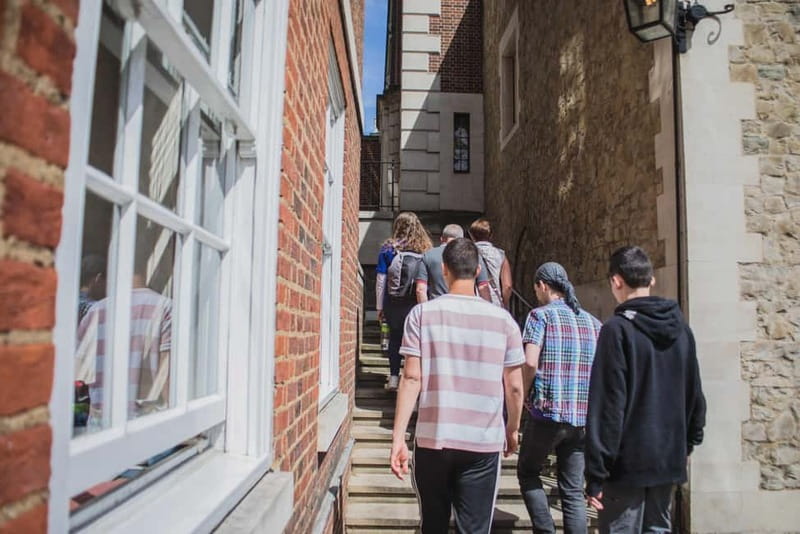
A lot of praise across the bookings centers on the guides and the way they hold attention. Names that come up again and again include Rachel, Paul, Emily, Rosie, Matt, and Andy, with reviewers specifically mentioning enthusiasm, entertainment value, and the ability to keep a good pace.
One consistent pattern: the better tours do not overload you with facts. They meter the information so you can look while listening. If a guide is doing their job well, you should feel like you are walking with a storyteller, not getting dragged through a slideshow.
You may also notice that the route can be a bit tricky to find without a guide, which is exactly why these tours matter. When the city hides the interesting parts behind side streets and odd doorways, a local guide is the shortcut.
Price value at $26 for 1.5 hours: what you actually pay for
At about $26 per person for roughly 1.5 hours, this tour is priced like a compact, story-heavy London experience. You are not paying for an indoor attraction with tickets. You are paying for a guide who can connect multiple locations into a single narrative.
For value, the big win is concentration. In 90 minutes, you cover a Knights Templar church connection, an Aldwych ghost station atmosphere, a Roman Bath window, WW2 damage, and then close with dictionary and Sweeney Todd lore. That is a lot of distinct stops for the time.
The other value factor is guidance through places that can be easy to miss on your own. You could walk Temple and Aldwych routes independently, but you’d likely miss the specific window into the Roman Bath, the shrapnel detail, and the exact way the guide frames each site.
Who this Hidden London walk is best for
This is ideal if you like London that feels a little crooked, a little spooky, and very specific. You’ll enjoy it most if you want stories tied to real buildings, and if you like switching between eras instead of staying in one time period.
It is also a good fit for teenagers and older kids, based on feedback that recommends it for age 14 and above. Younger children might find the pace or tone less engaging, especially if they prefer hands-on or playground breaks.
If you have limited mobility, plan carefully. The tour note about steps and uneven surfaces means you should think about comfort, not just interest. Bring your own pace, and don’t pretend you can power through cobblestones if you are prone to tripping.
Should you book this tour?
Book it if you want a short London walk that feels like a guided scavenger hunt through history, folklore, and small, physical details you can actually see. The combination of Temple Church, Aldwych, the Roman Bath window, and the WW2 shrapnel stop gives you variety, not just one theme.
Skip it if you hate walking on uneven ground, or if you expect a fully flat, stroller-friendly route. Also skip it if you need long stops for photos and browsing, because this is designed to fit a tight 1.5-hour story arc.
If you do book, go in with one mindset: you are not just sightseeing. You’re learning how to read London. That is the real value of this tour.
FAQ
Where does the Hidden London walking tour start?
It starts outside Temple Underground station.
How long is the tour?
The duration is 1.5 hours.
What language is the tour guide?
The tour is conducted in English.
What should I wear or bring?
Bring comfortable shoes. The route includes some steps and uneven surfaces.
Are pets allowed?
No pets are allowed on this tour, with the exception of guide dogs.
Is it suitable for children?
One review recommended it for 14s and above, noting that younger kids might get bored.
Newly listed near London
- London: 3-Hours Private Walking Tour★ 4.4 · 8 reviews
- London: 3-hour Outdoor Escape Room Game★ 4.0 · 5 reviews
- London: 3 Most Famous Art Galleries Tour★ 5.0 · 3 reviews
- London: 3 Days of Must-See Attractions including London Eye★ 4.5 · 22 reviews
- London: 24-Hour Hop-On Hop-Off Bus Pass★ 3.1 · 133 reviews
- London: Secret Beer Tour★ 4.9 · 10 reviews
- London: Private Underground and Tube Tour★ 4.6 · 42 reviews
- London: 20-Minute Tower RIB Blast from Tower Pier★ 4.7 · 135 reviews
Walking Tours, compared.

Magical London: Harry Potter Guided Walking Tour
Read our review →

University and City Walking Tour with Alumni Guide
Read our review →
Harry Potter Movies Walking Tour (Kids Go Free)
Read our review →
The Great British Rock and Roll Music Walking Tour
Read our review →
Jack the Ripper Walking Tour – Ripper Vision Tours
Read our review →
Browse the lists this tour appears in