
Review · WALKING TOURS
Ironbridge: Guided Walking Tour with Victorian Professor
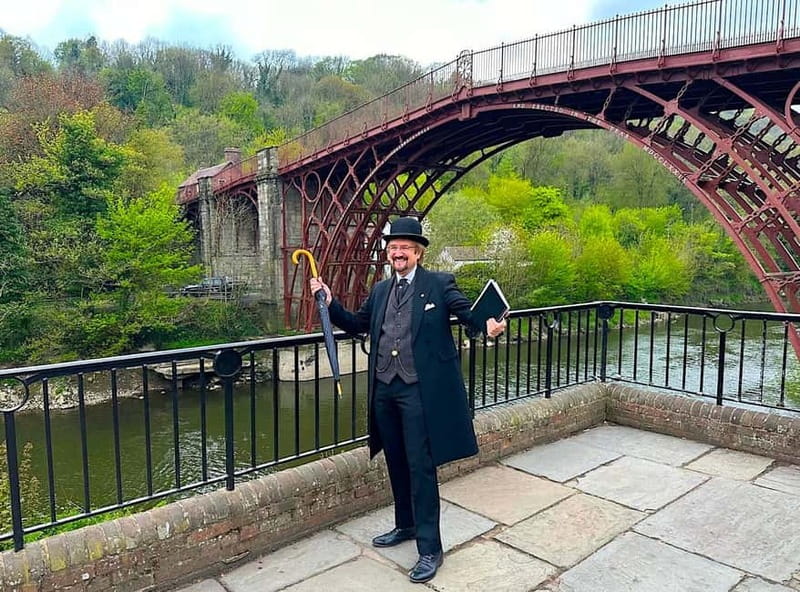
A tour in Ironbridge Gorge makes time feel stretchy. With a Victorian professor as your guide, you’ll walk through the Industrial Revolution’s birthplace and pick up stories, facts, and even a few ghost tales along the way.
What I like most is the way the tour turns landmarks into scenes. You get a close look at the Iron Bridge and the surrounding buildings, then the professor ties them to the people who built, worked, and profited in the gorge.
The main catch is physical: this is a stairs-heavy walk with steep inclines, and it’s not suitable for wheelchair users or people with mobility impairments.
In This Review
- Key things you’ll notice on this Ironbridge Gorge tour
- Ironbridge Gorge with a Victorian professor: why it feels different
- Where the walk starts: Iron Bridge Tollhouse and what that sets up
- The Iron Bridge stop: 1779 and the big reason people came
- Climbing toward Lincoln Hill: the 16th-century hunting lodge above it all
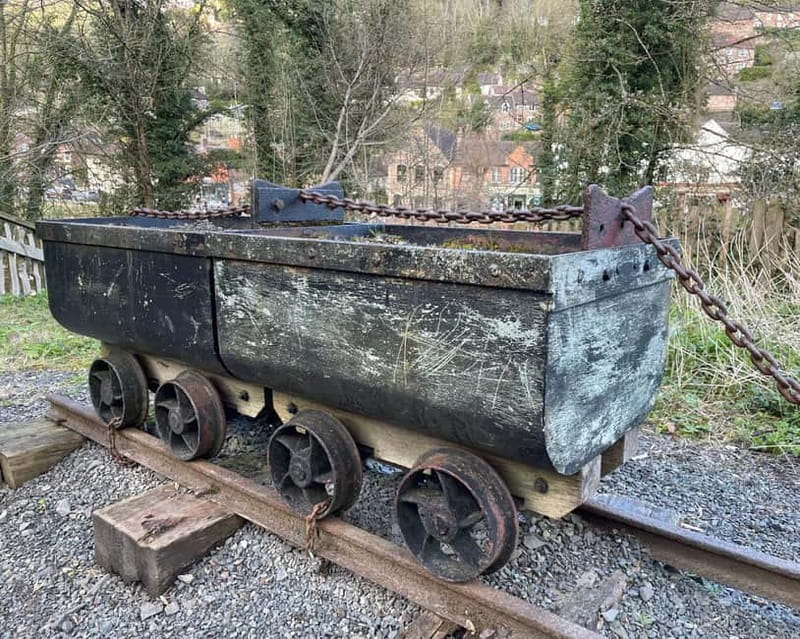
- Workers’ cottages: seeing labor, not just industry
- Georgian houses and the people who profited from the gorge
- Early Victorian villas with local bricks and tiles you can actually see
- Ghost stories in a working industrial town
- How the 2 hours play out on your body and your schedule
- Who should book this Ironbridge Gorge walk
- Price and value: is $35 per person worth it?
- Simple start-to-finish practicals you should know
- Should you book this Ironbridge Gorge guided walk?
- FAQ
- How long is the Ironbridge guided walking tour?
- Where do I meet the guide?
- Where does the tour finish?
- What should I bring with me?
- What language is the tour in?
- Is smoking allowed during the tour?
- Is the tour suitable for wheelchair users or people with mobility impairments?
- Is there free cancellation?
Key things you’ll notice on this Ironbridge Gorge tour
- Iron Bridge meeting point at the Tollhouse, so you start where the story really begins
- Construction-at-1779 context that explains why the bridge mattered
- Lincoln Hill’s stone hunting lodge from the 16th century, high above the river
- Workers’ cottages and Georgian houses that show how money and labor lived side by side
- Early Victorian villas built with local bricks and tiles, with craftsmanship you can actually see
- Ghost stories in Shropshire, mixed into the town’s heroes and villains
Ironbridge Gorge with a Victorian professor: why it feels different
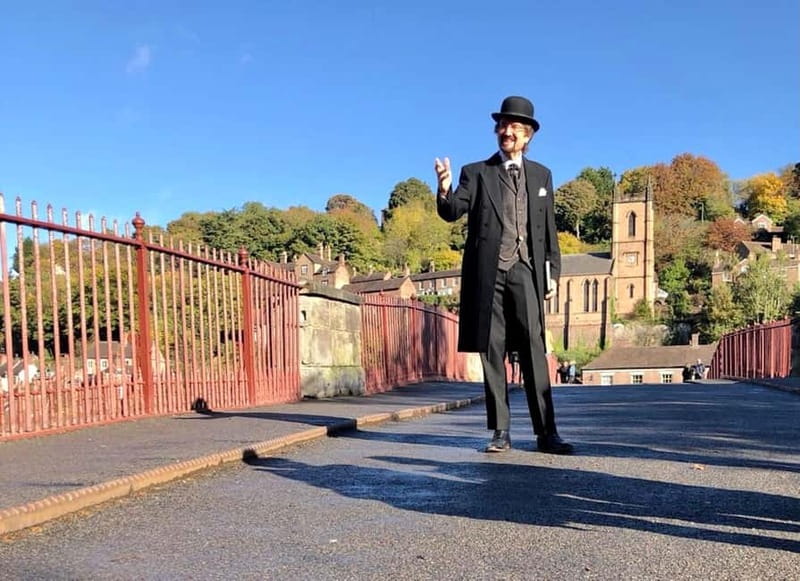
Ironbridge Gorge is a UNESCO World Heritage Site, but it can still feel like a set of pretty streets and old buildings if you show up alone. This tour changes that by giving you a guided thread. You’re not just looking at history, you’re hearing how the gorge worked, who had influence, and why certain places got built the way they did.
I like that the experience mixes big-picture industry with human scale details. You’ll hear why Ironbridge and Coalbrookdale became so significant, not as abstract trivia, but as the backdrop for real lives, ambition, and conflict. And when the professor slides in the local ghost stories, it’s not random spooky add-on. It’s part of the way this place keeps telling itself, generation after generation.
There’s also a clear entertainment factor. The professor’s style is engaging and interactive, including time for questions. In at least some small-group situations, that back-and-forth feels easy, and the tour doesn’t rush past your curiosity.
More walking tours in Britain:
- Magical London: Harry Potter Guided Walking Tour
★ 4.7 · 22,044 reviews - London: The Original Jack the Ripper Walking Tour
★ 4.7 · 7,833 reviews - Oxford: University and City Walking Tour with Alumni Guide
★ 4.7 · 4,429 reviews
Where the walk starts: Iron Bridge Tollhouse and what that sets up
You begin outside the Iron Bridge Tollhouse on the southern end of the Iron Bridge. It’s a straightforward meet-up, and the guide is easy to spot if you look for the professor.
Starting at the tollhouse is smart. It puts you in the right frame of mind: this was once a working route, not a museum walkway. From there, the tour naturally expands into the larger gorge story, so you aren’t zigzagging around town trying to connect the dots.
Timing-wise, plan on a full stretch of time. Even though the official duration is listed at 2 hours, you should expect a steady pace plus a lot of stairs. The good news is the walk is taken slowly, which matters when you’re climbing and descending repeatedly.
The Iron Bridge stop: 1779 and the big reason people came
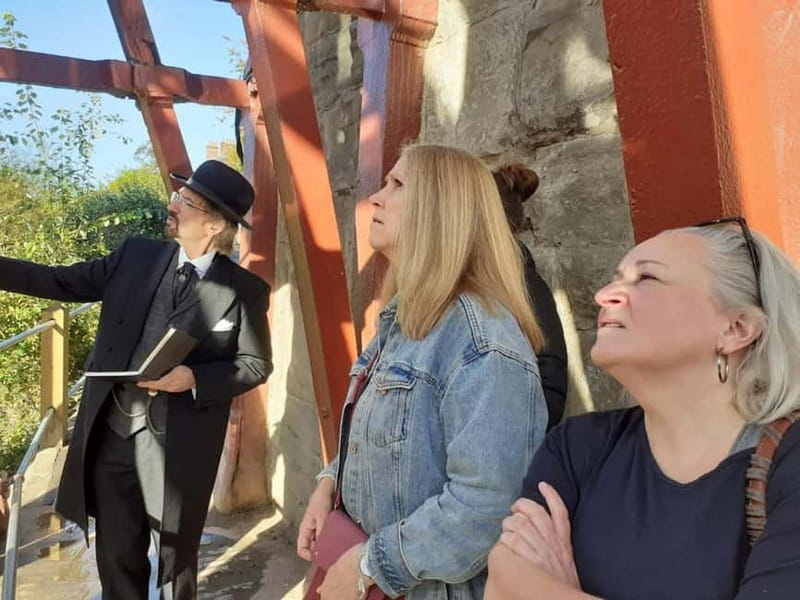
You’ll spend time at the Iron Bridge, including the moment construction kicked off in 1779. The professor focuses on the bridge’s unique construction and why it was such a turning point for the gorge.
This is the moment where the tour earns its name. Ironbridge isn’t just a pretty crossing. It’s tied to the Industrial Revolution’s rise, and the guide helps you connect the bridge to the wider shift happening in the area. If you’ve ever wondered how a single structure can symbolize an entire era, this stop is where that idea comes to life.
Practical tip: take a minute to look around before you move on. The bridge views and the gorge setting are part of the storytelling. If you’re planning photos, hold off on the first round until the professor explains what you’re seeing, then snap shots with the context in your head.
Climbing toward Lincoln Hill: the 16th-century hunting lodge above it all
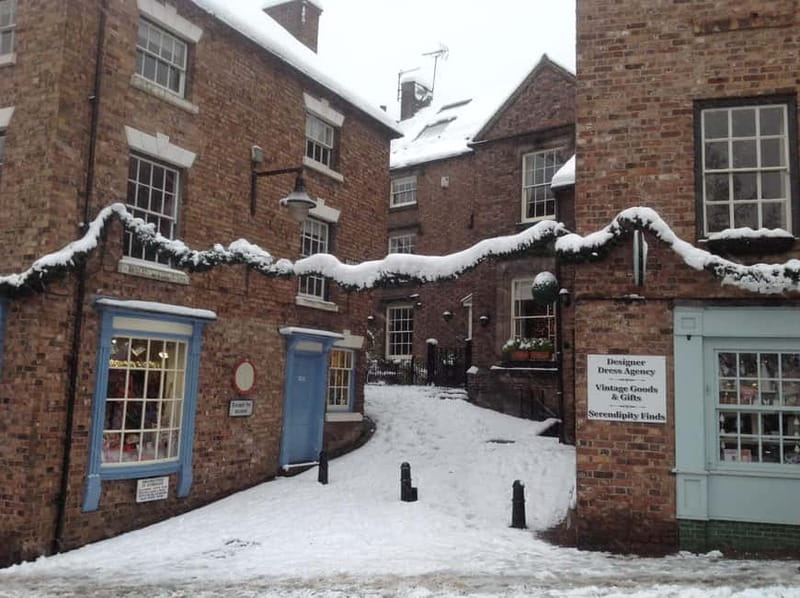
After the bridge, you head upward and away from the river for a change in perspective. One of the standout locations is Lincoln Hill, where you’ll see a stone-built 16th-century hunting lodge.
This stop works because it gives you elevation, not just elevation in the physical sense. It helps you understand how the gorge wasn’t just one industrial strip. It had layers, including people with different lifestyles, priorities, and power. A lodge on a hillside signals wealth and leisure, and the professor uses that contrast to sharpen the gorge story.
The drawback is also obvious here: this is where the inclines start to feel real. Wear shoes you trust on uneven paths and worn stone. If you have any knee or leg concerns, take the climb slowly, and stick close to the guide’s pace. The tour is designed to move carefully.
A few more Britain days worth comparing
- Liverpool: City & Beatles Tour with Live Guide & Live Music
★ 4.7 · 5,944 reviews - London: Emirates Stadium Entry Ticket and Audio Guide
★ 4.7 · 5,513 reviews - From London: Cotswolds and Oxford Guided Day-Trip
★ 4.7 · 3,720 reviews - London: Christmas Lights Nighttime Bus Tour with Live Guide
★ 4.1 · 3,720 reviews
Workers’ cottages: seeing labor, not just industry
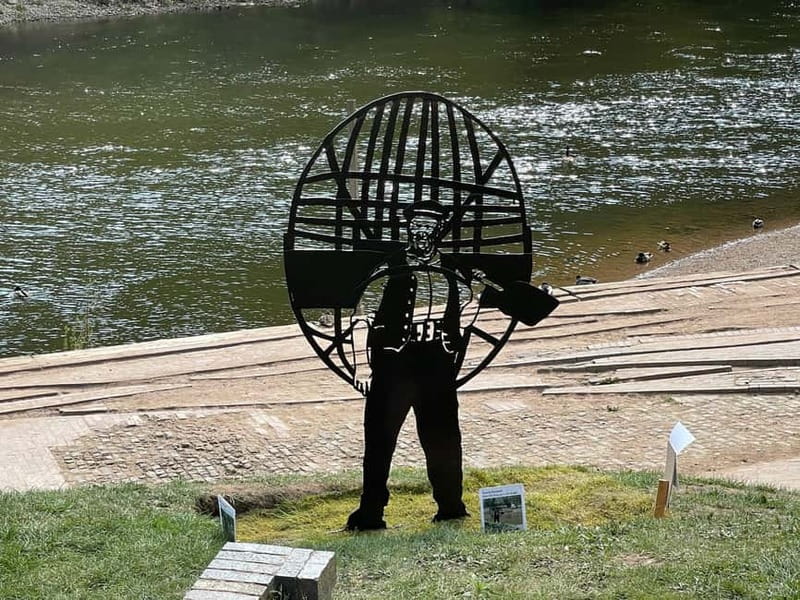
Next, you’ll explore the 18th-century workers’ cottages. These buildings are silent witnesses, and the professor helps you read them like a record. The idea is simple: industry produced work, and the cottages show where that work lived.
This stop adds weight to everything you saw at the bridge. When you only focus on industrial structures, the story can feel like machines and money. The workers’ cottages bring you back to people and routines, and that makes the gorge feel more complete.
You’ll also likely enjoy how the professor frames the difference between those who benefited directly from industrial progress and those who depended on it. Even without getting lost in gloom, the tour gives you the human side of the Industrial Revolution.
Georgian houses and the people who profited from the gorge
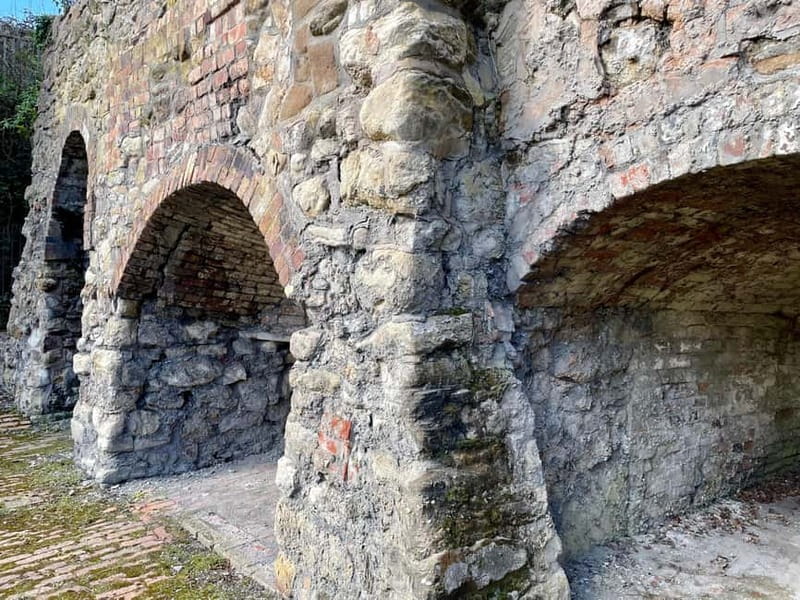
As you continue, you’ll see Georgian houses tied to ironmasters and to owners connected with mines and river barges. In other words, this is where prosperity shows up in brick and design.
This part of the tour is valuable because you get to compare eras and social roles in the same walk. Georgian houses help you spot the shape of ambition, and the professor connects it to the business side of the gorge. You’re not just learning what happened, you’re learning who had options and who had constraints.
If you enjoy architecture, pay attention to how these homes sit within the town. The visual contrast helps you understand why the gorge became a magnet for investors, business operators, and skilled workers who supported the whole system.
Early Victorian villas with local bricks and tiles you can actually see
Another highlight is the early Victorian villas, built using bricks and tiles indigenous to the region. That detail matters more than it sounds. Local materials tell you about supply chains, craftsmanship, and the way the area shaped what could be built there.
This is also where you’ll appreciate the tour’s pacing. You don’t just pass by and move on. The professor points out what makes the villas distinct and how they fit the broader transformation of the gorge.
I like this stop because it makes the architecture feel practical, not just decorative. The villas aren’t seen as random upgrades. They’re treated as evidence of changing tastes and growing confidence.
Ghost stories in a working industrial town
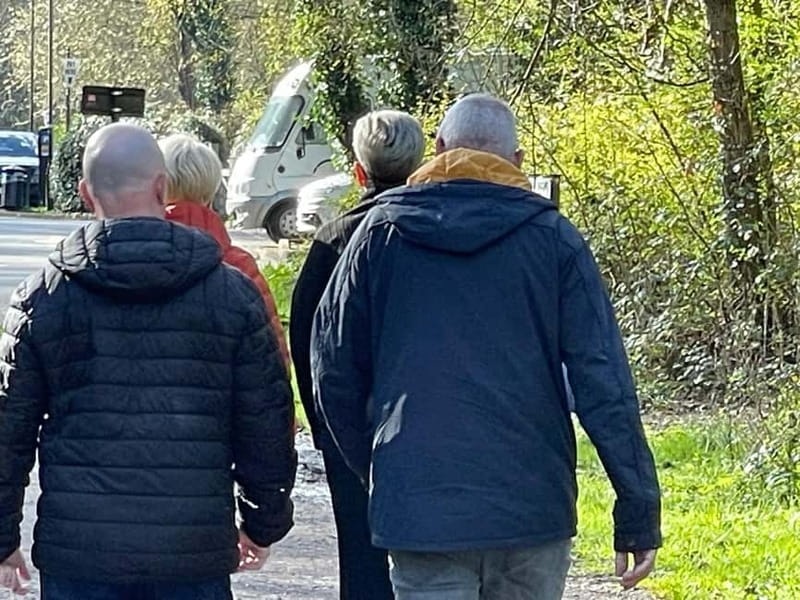
One of the most fun parts is the tour’s blend of fact with folklore. You’ll hear stories about ghosts reportedly haunting this Shropshire village, along with tales of heroes and villains.
You don’t have to be the type of traveler who chases spookiness. Even if you’re more grounded, the ghost stories still work because they point to how communities remember. Local legends are often a way of processing fear, conflict, tragedy, and reputation.
The professor keeps it tied to place. That makes it less like a campfire performance and more like cultural commentary. If you’re traveling with someone who loves atmosphere, this segment is a great way to keep the whole group entertained without losing the historical thread.
How the 2 hours play out on your body and your schedule
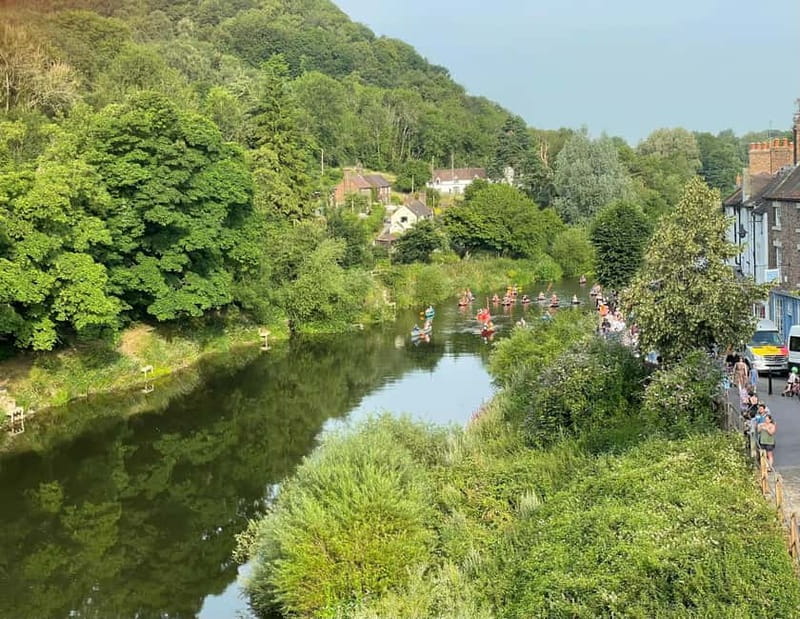
This is not a flat, easy stroll. The tour is listed as a 2-plus hour walking experience with steep inclines and plenty of steps. The key phrase to remember is taken slowly. The group movement stays considerate, and that matters if you’re managing pace.
From the way the professor handles the walk, you can expect he’ll keep the pace steady and may adapt to the group’s needs. In past departures, he’s been considerate about walkers with limitations, which is reassuring if you’re not fully fearless on hills.
Weather: the tour runs regardless of conditions, so dress like you’re actually going outside for a hike. Bring weather-appropriate clothing and plan for the gorge to feel cooler or damp, especially near the river.
Also, shoes matter. You’ll want comfortable shoes with grip. If you’re tempted by cute but slippery footwear, don’t. This is a tour where stability beats style.
Who should book this Ironbridge Gorge walk
This is a strong fit for you if you want an easy entry into the area’s Industrial Revolution story without doing hours of independent research. The professor’s storytelling and the stop-by-stop structure mean you’ll leave with a clearer mental map of Ironbridge Gorge and how the different parts connect.
It’s also a good choice if you like guided Q and A. The tour encourages questions, and in some small-group situations you can interact easily with the professor.
It’s less suitable if you:
- need wheelchair access or mobility assistance (not suitable for people with mobility impairments, wheelchair users, or visually impaired people)
- are traveling with a child under 5 (not suitable for children under 5)
For families with older kids, well-behaved children are welcome (price depends on age). Dogs are allowed on a lead at the guide’s discretion, and you take full responsibility for safety.
Price and value: is $35 per person worth it?
At $35 per person, the value hinges on what you’re buying: time, guidance, and story structure. You’re not just paying for someone to point at buildings. You’re paying for a Victorian professor who connects the dots between the Iron Bridge, the hillside lodge, the workers’ cottages, Georgian houses, and early Victorian villas, plus the ghost legends.
Two hours is also a sweet spot. It’s long enough to feel like you saw real sections of the gorge, but short enough that you can still plan lunch and explore on your own afterward.
And the reviews you can’t ignore support that the guide’s engagement and ability to answer questions are a big part of why people rate the experience highly. If you want to get more than what a self-guided walk gives you, this price looks fair.
Simple start-to-finish practicals you should know
You’ll meet outside the Toll House on the southern end of the Iron Bridge, and you should look for the professor.
You’ll finish at the Museum of The Gorge Car Park. That helps you plan the next step, whether you’re heading for lunch or continuing to explore the gorge on your own.
What to bring is basic but important:
- comfortable shoes
- camera
- weather-appropriate clothing
Not allowed: smoking.
If you want a smooth day, go into the tour with comfortable pacing in mind. Think of it as a guided walk with stops, not a race from stop to stop.
Should you book this Ironbridge Gorge guided walk?
Book it if you want your Ironbridge visit to feel guided, coherent, and fun. The combination of Industrial Revolution context, visible architecture from multiple eras, and the professor’s storytelling makes this tour a strong primer for the gorge.
Skip it if you’re dealing with mobility limitations or if stairs and steep inclines will be a problem. Also, if you only want a quick, flat photo walk, this probably won’t match your pace.
If you’re deciding between casual wandering and learning, I’d pick the guided route. You’ll come away with stories that stick, plus a clearer sense of why this part of Shropshire changed the world.
FAQ
How long is the Ironbridge guided walking tour?
It lasts about 2 hours.
Where do I meet the guide?
Meet outside the Iron Bridge Tollhouse on the southern end of the Iron Bridge. Look for the professor.
Where does the tour finish?
The tour finishes at the Museum of The Gorge Car Park.
What should I bring with me?
Bring comfortable shoes, a camera, and weather-appropriate clothing.
What language is the tour in?
The tour is conducted in English.
Is smoking allowed during the tour?
No, smoking is not allowed.
Is the tour suitable for wheelchair users or people with mobility impairments?
No. The tour is not suitable for people with mobility impairments, wheelchair users, or visually impaired people.
Is there free cancellation?
Yes. You can cancel up to 24 hours in advance for a full refund.
Newly listed near Britain
- London: 3-Hours Private Walking Tour★ 4.4 · 8 reviews
- London: 3 Most Famous Art Galleries Tour★ 5.0 · 3 reviews
- London: 3-hour Outdoor Escape Room Game★ 4.0 · 5 reviews
- London: 24-Hour Hop-On Hop-Off Bus Pass★ 3.1 · 133 reviews
- London: Secret Beer Tour★ 4.9 · 10 reviews
- London: 3 Days of Must-See Attractions including London Eye★ 4.5 · 22 reviews
- London: Private Underground and Tube Tour★ 4.6 · 42 reviews
- London: 20-Minute Tower RIB Blast from Tower Pier★ 4.7 · 135 reviews
Walking Tours, compared.

Magical London: Harry Potter Guided Walking Tour
Read our review →
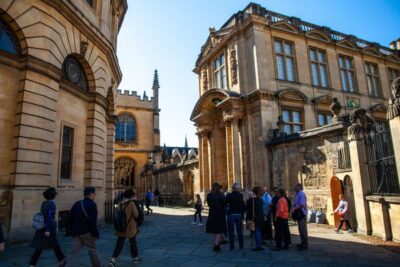
University and City Walking Tour with Alumni Guide
Read our review →
Harry Potter Movies Walking Tour (Kids Go Free)
Read our review →
The Great British Rock and Roll Music Walking Tour
Read our review →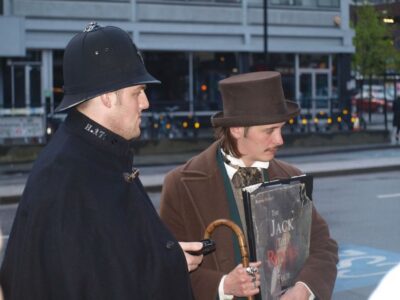
Jack the Ripper Walking Tour – Ripper Vision Tours
Read our review →
Browse the lists this tour appears in