
Review · CASTLE TOURS
Isle of Mull: Guided Wildlife Watch at Glengorm Castle
Mull’s wildlife watch has a way of slowing you down. The guided walk and sea watch at Glengorm Castle is built around real spotting practice, with a guide helping you read the Sea of the Hebrides like a local. I especially like the chance to pair an easy estate stroll with a patient headland watch, and I like that you can learn to spot marine life even if sightings are quiet at first. One consideration is that the ground can be rough and uneven, so you will need good waterproof shoes and a bit of walking comfort.
The other reason I’d pick this is the mix: whales and dolphins are the headline, but the session also turns up seals, otters, and birds, plus a few very photogenic moments with Highland cows grazing nearby.
In This Review
- Key Highlights You’ll Actually Care About
- Glengorm Estate Sea Views, and Why This Watch Works
- Meet at Glengorm Coffee Shop, Then Ease Into the Estate
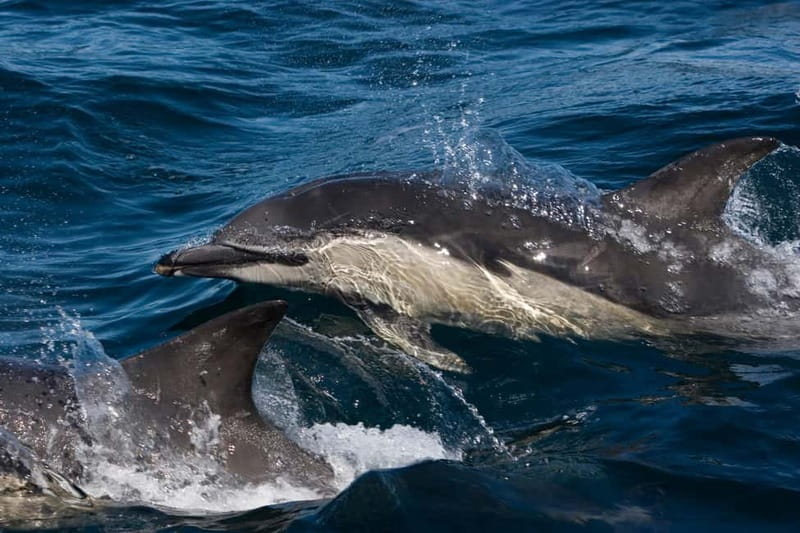
- The Headland Sea Watch: How You Spot Whales and Dolphins
- A tip that makes a difference
- Marine and Birdlife Beyond the Obvious
- Whale Track Citizen Science During Your 2-Hour Session
- What’s Included: Binoculars, Scopes, and a Real Guide
- What to Bring for a Windy, Waterproof Coast
- Who This Tour Suits Best, and Who Might Want to Skip It
- Value for Your Time: Two Hours That Teach You to Look
- Should You Book This Wildlife Watch at Glengorm Castle?
- FAQ
- How long is the Isle of Mull guided wildlife watch at Glengorm Castle?
- Where do we meet for the tour?
- What wildlife might I see during the sea watch?
- Do I need binoculars?
- Is the walk suitable for kids and families?
- Is this tour suitable for wheelchair users or people with mobility impairments?
- What should I wear?
- Can I bring a camera, and can I take photos of other participants?
Key Highlights You’ll Actually Care About

- 2 hours that blend walking + sea watching, so you learn in motion, not just standing in one place
- Headland spotting setup with binoculars, plus spotting scopes when conditions call for it
- Wildlife range from mammals to raptors, including bottlenose dolphins, minke whales, harbour porpoises, seals, and otters
- Birdwatching add-on with a chance to spot white-tailed sea eagles, hen harriers, and seabirds like gannets and guillemots
- Citizen science during the watch using Whale Track, turning your observations into conservation data
- All-ages friendly pacing, tailored to what you care about and what you already know
Glengorm Estate Sea Views, and Why This Watch Works
Glengorm Estate sits in that classic part of the Scottish Highlands where the water, the sky, and the horizon feel unusually close. That matters, because this experience is not just about hoping. It is about learning where to look and how to keep looking without losing patience.
You get a guided session that connects the setting to the wildlife. The guide brings local history into the mix and helps you connect what you are seeing on shore with what might be moving out on the water. That is a big part of why this feels rewarding even when the sea is doing its own thing.
I also like the practical structure. You start with a gentle walk through the estate, then you reach the coast and set up for sea watching. In other words, you are not dropped at a viewpoint and left to figure it out alone. With the Hebridean Whale & Dolphin Trust leading, the focus stays on real spotting skills and calm observation.
More castles to visit near Britain:
- Windsor Castle Admission Ticket
★ 4.7 · 7,032 reviews - Inverness: Isle of Skye and Eilean Donan Castle Day Trip
★ 4.8 · 4,136 reviews - London: Windsor Castle, Stonehenge & Bath Full-Day Tour
★ 4.4 · 3,112 reviews
Meet at Glengorm Coffee Shop, Then Ease Into the Estate
You meet your guide in front of the Glengorm Coffee Shop. From there, you head out on a gentle, relaxing walk toward the coast. Expect a slow build. Early on, the guide talks about local history and the kinds of wildlife that can show up around Mull, so your brain has something to hold onto before you stare at the sea for a while.
As you walk, keep an eye out for the estate details. One of the fun and very photo-friendly touches is the chance to spot Highland cows grazing on the property. It’s a reminder that you’re not only doing marine wildlife watching. This is also very much a land-and-sea day.
The route can be on rough, uneven ground, so I’d treat this as a proper walk, not a flat stroll. If you have to take your time, that is completely normal. The guides tailor the watch to your interests and your prior knowledge, and the experience is described as suitable for all ages.
The Headland Sea Watch: How You Spot Whales and Dolphins

Once you reach the headland, the pace shifts from walking to stillness. This is where the binoculars come out and where you learn how to scan water intelligently.
The vantage point is designed for watching across the Sea of the Hebrides toward other islands. That distance is part of the magic, and it also explains why a guide helps. You are looking for patterns: movement where it shouldn’t be, changes in the surface, and the timing of blows and activity.
Species you might spot include:
- Bottlenose dolphins
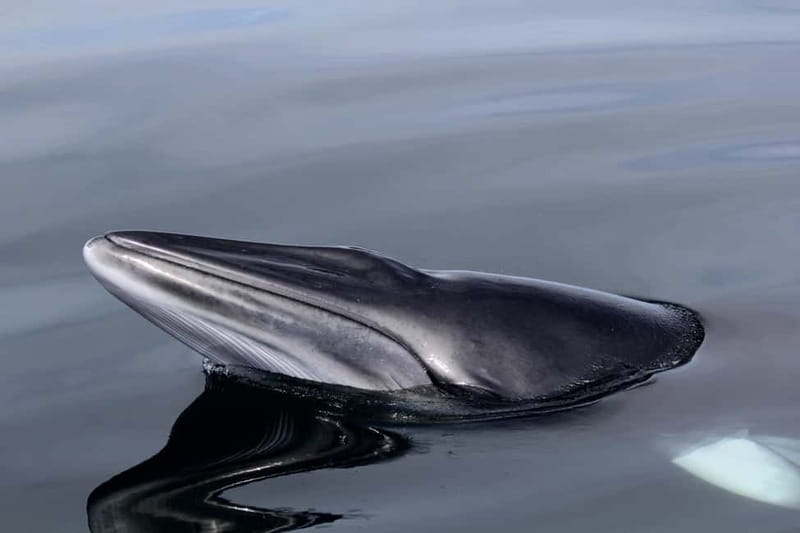
- Minke whales
- Harbour porpoises
- Seals
- Otters
You may also see birds using the same air-and-water rhythm. The guide will help you connect sightings across habitats, so a seal spout or a dolphin surfacing may lead you to watch for what’s happening nearby.
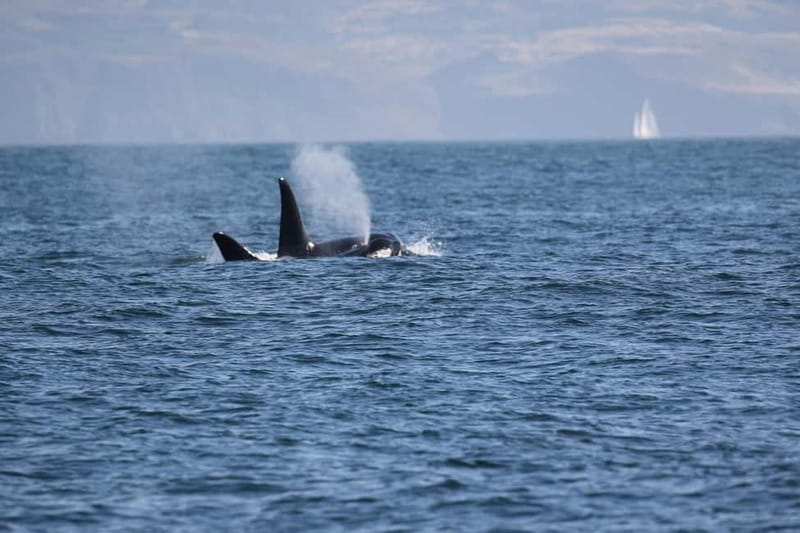
From the reviews, the most memorable moments tend to come from patience and good instruction. People describe seeing minke whales and seabirds feeding, and others report sightings like two whales plus an eagle. That mix is typical of Mull sea days, where wildlife can show up in bursts. Your job is to be ready when it happens, and the guide’s job is to help you keep your eyes in the right place.
A tip that makes a difference
If you bring your own binoculars, use them. If you do not, a limited number are available to loan. Even with scopes on hand, binoculars can help you cover more water while everyone settles in.
A few more Britain days worth comparing
- Magical London: Harry Potter Guided Walking Tour
★ 4.7 · 22,044 reviews - Liverpool: City & Beatles Tour with Live Guide & Live Music
★ 4.7 · 5,944 reviews - London: Emirates Stadium Entry Ticket and Audio Guide
★ 4.7 · 5,513 reviews - Oxford: University and City Walking Tour with Alumni Guide
★ 4.7 · 4,429 reviews
Marine and Birdlife Beyond the Obvious
Whales and dolphins are the headline, but the session also sets you up to notice the smaller stories. Alongside marine mammals, the watch can include birds of prey and seabirds that use the same coastal routes.
The kinds of raptors and birds the guide may help you look for include:
- White-tailed sea eagles
- Hen harriers
- Seabirds such as shearwaters, gannets, and guillemots
In real terms, this matters because bird activity can act like a cue. When you see seabirds working the water, it often means food is in motion below or nearby. And when you’re learning spotting skills, having multiple categories of wildlife increases your chances of feeling rewarded during the watch.
If you do not catch your favorite species, you are still walking away with practical ability. The guided watch is set up to teach you how to go on and spot more wildlife afterward, using the same scanning approach the guide uses at the headland.
Whale Track Citizen Science During Your 2-Hour Session
One of my favorite features is the inclusion of citizen science. Throughout the morning, you record wildlife sightings using Whale Track. That turns your experience from entertainment into something that supports monitoring and conservation efforts.
You do not have to be a tech person to take part. The idea is simple: when you spot something, you note it. That data helps build a clearer picture of what’s moving around Mull and when.
It also changes your mindset. Instead of watching with only personal goals, you are contributing to a bigger story. That is especially meaningful on days when you get multiple sightings, like reviews that mention both marine mammals and raptors.
What’s Included: Binoculars, Scopes, and a Real Guide
This is the kind of tour where the included tools matter. You get:
- Guided walk and sea watch
- Expert guides
- Binoculars (limited number available for loan)
- Spotting scopes and other equipment
The wording matters here. There is a difference between having a guide who talks and a guide who equips you to actually see. With scopes and setup gear available, you’re not left guessing about what you are looking at. That is a big value boost on a coastline day, where distance can be the whole challenge.
Also, the guides tailor the content to your interests, age, and prior knowledge. That flexibility shows up in reviews that mention clear instructions and the way guides considered different ages and abilities.
What to Bring for a Windy, Waterproof Coast
This is Scotland. Dress like you expect weather to change every hour.
Wear sensible, waterproof footwear because the walk can be on uneven ground. For clothing, bring:
- A waterproof jacket
- Waterproof trousers
- Warm layers
You’ll also be standing and watching at the headland, so warmth is not optional even in fair weather. Wind can cut right through.
If you have binoculars, bring them. If you do not, you can borrow from a limited number available. Cameras are welcome too. Just ask permission before taking photos of other participants on the walk.
If you are traveling light, plan to use pockets for gloves and a warm hat. You’ll be happier once you’re settled at the headland rather than constantly shifting layers.
Who This Tour Suits Best, and Who Might Want to Skip It
This walk and watch is described as suitable for all ages, and guides will adjust the pace and focus. Reviews point out that instructions are clear and that the experience can work well across different ages and abilities, which is exactly what you want for a family or a mixed group.
But it has limits. It is not suitable for people with mobility impairments or for wheelchair users. That’s mainly due to the nature of the walk and the uneven ground.
It’s also a dog-friendly outing if you have one. Friendly, quiet dogs on a short lead are welcome. If you do bring your dog, keep it close and be mindful of other people settling into quiet spotting.
If you enjoy nature watching with a learning component, this will land well. If you want a strict itinerary with a guarantee of certain sightings, manage expectations. Wildlife watch days are always weather and timing dependent, and the watch can vary based on wildlife around you and your questions.
Value for Your Time: Two Hours That Teach You to Look
Two hours sounds short, but it’s a sweet spot. You get enough time for:
- a gentle walk that sets context and builds anticipation,
- a headland setup where scanning skills matter, and
- a citizen science component that gives your sightings a purpose.
From a value perspective, what you’re really buying is not just time at the water. You are buying the guide’s help with spotting, plus equipment like scopes and loan binoculars. That combination helps you feel like you learned something, not just that you happened to be there.
The most praised moments in the experience tend to be peaceful group dynamics and guided focus, like a calmer walk with friendly guides and the thrill of multiple sightings. Even when sightings are mixed, learning where to look is the lasting payoff.
Should You Book This Wildlife Watch at Glengorm Castle?
I think you should book if you want a guided way to watch Mull’s wildlife without needing special gear or expertise. It’s a strong choice if you are:
- into marine life, especially the chance to spot dolphins and whales from shore
- interested in birds too, from seabirds to raptors
- traveling with kids or a mixed group and want a pace that can be tailored
- the type who likes learning spotting skills you can use again later
Skip it if your mobility needs make uneven ground a problem, since the walk may not be suitable and it is not listed for wheelchair access.
If you want a high chance of feeling wowed, go in with a “watch and learn” mindset. This tour is at its best when you give the guide your attention, bring warm waterproof layers, and settle in for the slow work of scanning. That’s where Mull’s wildlife day usually pays off.
FAQ
How long is the Isle of Mull guided wildlife watch at Glengorm Castle?
The experience lasts about 2 hours. Starting times depend on availability.
Where do we meet for the tour?
You meet your guide in front of the Glengorm Coffee Shop.
What wildlife might I see during the sea watch?
You may spot bottlenose dolphins, minke whales, harbour porpoises, seals, and otters. The guide also looks out for birds like white-tailed sea eagles, hen harriers, and seabirds such as shearwaters, gannets, and guillemots.
Do I need binoculars?
Binoculars are available to loan in a limited number. If you have your own, bring them.
Is the walk suitable for kids and families?
Yes, it is suitable for all ages. The guide will tailor the content to ages and prior knowledge.
Is this tour suitable for wheelchair users or people with mobility impairments?
No. It is not suitable for people with mobility impairments and not suitable for wheelchair users.
What should I wear?
Wear sensible, waterproof footwear. Bring waterproof and warm clothing, since the walk may be on rough, uneven ground and Scottish weather can change.
Can I bring a camera, and can I take photos of other participants?
Cameras are welcome. Please ask permission before taking photos of other participants during the walk.
Newly listed near Britain
- London: 3-Hours Private Walking Tour★ 4.4 · 8 reviews
- London: 3-hour Outdoor Escape Room Game★ 4.0 · 5 reviews
- London: 3 Most Famous Art Galleries Tour★ 5.0 · 3 reviews
- London: 24-Hour Hop-On Hop-Off Bus Pass★ 3.1 · 133 reviews
- London: Secret Beer Tour★ 4.9 · 10 reviews
- London: 3 Days of Must-See Attractions including London Eye★ 4.5 · 22 reviews
- London: 20-Minute Tower RIB Blast from Tower Pier★ 4.7 · 135 reviews
- London: 30 Top Sights and Churchill War Rooms Tour★ 4.8 · 60 reviews
Castle Tours, compared.


Isle of Skye and Eilean Donan Castle Day Trip
Read our review →
Windsor Castle, Stonehenge & Bath Full-Day Tour
Read our review →
Loch Lomond, Trossachs & Stirling Castle Tour
Read our review →Browse the lists this tour appears in