
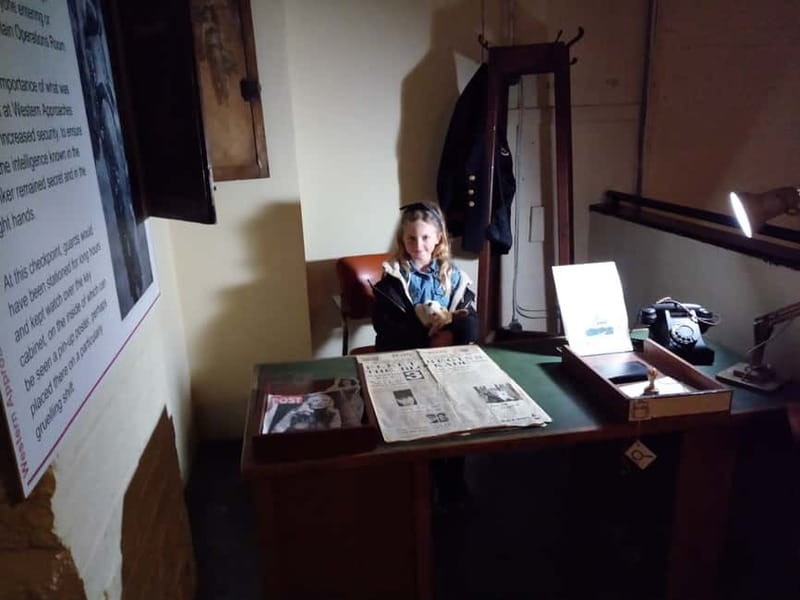
Review · MUSEUMS
Liverpool: Western Approaches WWII Museum Ticket
Liverpool hides a WWII nerve center underground. Beneath the streets, the Western Approaches HQ was built for top-secret work that helped protect Britain’s convoys along the Western Approaches.
I love how the rooms feel like working spaces, not display cases. You’ll wander through interconnected offices and operations areas where 300-plus people worked day and night, and you’ll see period tools and documents tied to convoy protection and reporting.
One consideration: this visit is not suitable for mobility impairments or wheelchair users, so plan on doing it on foot and in an underground setting.
In This Review
- Key Things You’ll Notice Right Away
- Western Approaches HQ: An Underground Stop Behind Liverpool Town Hall
- A Self-Guided Bunker Tour You Can Pace Yourself
- The Operations Room: Convoys, Shipping Lines, and a Huge Map Wall
- Original Communications: The Wartime Phone Linked to the London War Cabinet
- Learning the Human Side in Recreated Rooms and Offices
- The Recreated War-Torn Street: Shops, a Pub, and an Unexploded Bomb
- How Long to Plan, What to Expect, and Who This Suits
- Value and Practical Tradeoffs (Tickets, No Food, and Managing Crowds)
- Should You Book Western Approaches in Liverpool?
- FAQ
- How long is the Western Approaches WWII Museum ticket valid?
- Is this a guided tour or self-guided?
- Where do I start the experience?
- What can I see inside the bunker?
- Is food or drink included?
- Are pets allowed?
- Is the museum suitable for wheelchair users or mobility impairments?
- What is the cancellation window?
Key Things You’ll Notice Right Away
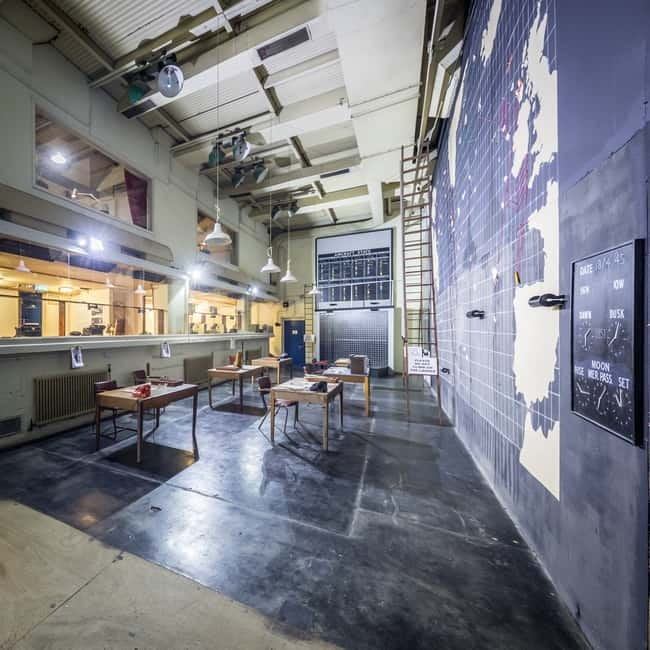
- Realistic bunker layout under Exchange Flags, with a maze of rooms and offices to explore at your pace
- Operations Room focus, including the huge map wall used to track convoy routes and shipping lines
- One of only two surviving wartime phones, with a direct connection to the London War Cabinet
- Recreated war-torn street, complete with shops, a pub, and an unexploded bomb
- Self-guided design, so you can pause where your curiosity sparks
Western Approaches HQ: An Underground Stop Behind Liverpool Town Hall
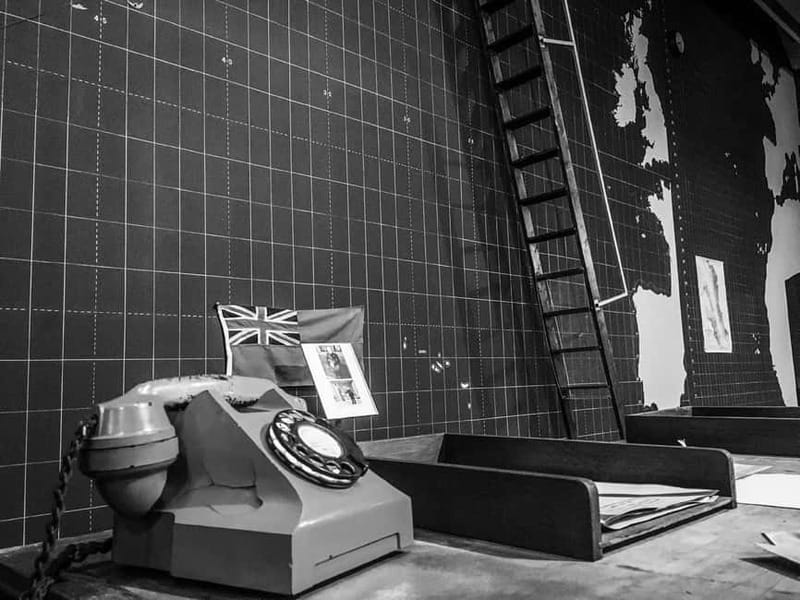
The most striking part starts before you even get fully into the bunker. Western Approaches is in the basement of Exchange Flags, just behind Liverpool Town Hall. In practice, that means you’re stepping into a space that was designed to be hidden, not just transported into a museum building.
If you like history that has texture, this place delivers. You’re not only reading about WWII planning, you’re walking through the kind of maze where people worked long shifts, tracked threats, and sent information upward. It’s a clear reminder that strategy was not abstract. It was paperwork, watches, maps, and constant attention.
Plan to come in with a curious mindset. The museum is self-guided, so you control your pace. Some people speed through the main rooms. Others take their time reading details in the offices and operations areas. Either way, you’ll get the sense that this was a living workplace.
More museum visits in Liverpool:
- Liverpool: Liverpool Football Club Museum and Stadium Tour
★ 4.8 · 10,764 reviews - Liverpool Beatles Museum Entry Ticket
★ 4.6 · 1,192 reviews - Liverpool Football Club: Museum Ticket
★ 4.6 · 230 reviews
A Self-Guided Bunker Tour You Can Pace Yourself
This is a self-guided visit with an admission ticket. That sounds simple, but it changes the experience in a good way. You can spend extra time where you want, like the Operations Room, or where a specific item catches your eye, like wartime communications equipment.
I like self-guided museum experiences that still feel structured. Here, the bunker design helps you move naturally from one area to the next. You’ll find yourself exploring a network of rooms, offices, and exhibit spaces that connect to the story of Western Approaches operations during WWII.
A small practical note from visitor feedback: crowds can be the biggest issue at peak moments. If you want calmer walking and more time with each room, consider going earlier or at a less busy starting time when you check availability.
The Operations Room: Convoys, Shipping Lines, and a Huge Map Wall
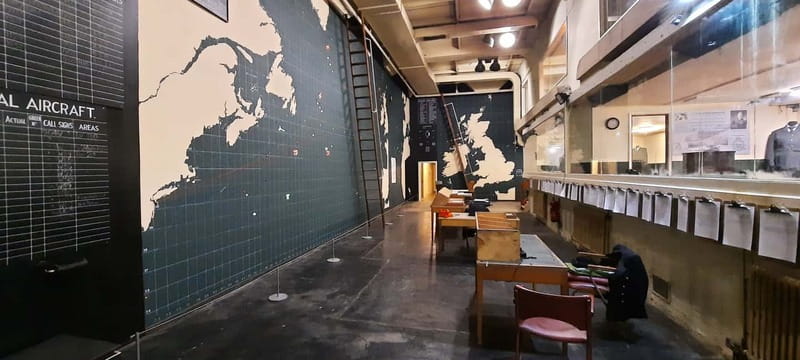
If you only had time for one area, make it the Operations Room. This is where the bunker’s purpose becomes very clear. You’ll learn how personnel monitored convoy routes and vital shipping lines, and how they helped pinpoint enemy locations using a massive map wall.
This part is especially compelling because the museum connects the visuals to decisions. It’s not just a map on a wall. It’s presented as a working tool for identifying where threats were and where attention needed to go next. When you stand there, you get the sense of what it meant to follow fast-moving information in a pre-digital world.
The operations story also includes the people who worked there around the clock. The museum highlights that commanders and women’s services worked day and night in the Operations Room, including the Women’s Royal Naval Service and the Women’s Auxiliary Air Force. That detail matters because it reframes the bunker as a team operation, not a single leadership room.
You’ll also see references to documents and tools used to monitor enemy convoys and then inform the British government. It’s a reminder that intelligence work was both technical and administrative, and that the information pipeline was the job.
Original Communications: The Wartime Phone Linked to the London War Cabinet
One of the most memorable stops is communications. The museum includes a wartime phone with a direct connection to the London War Cabinet. It’s also one of only two surviving wartime phones with that link.
Even if you’re not a communications-history person, this kind of artifact tends to hit. Phones represent urgency. A line to the War Cabinet suggests decisions happening at speed, with high stakes attached to every update. Seeing the phone in context inside the bunker gives it meaning beyond the object itself.
Alongside that, you’ll encounter documents and tools tied to monitoring enemy convoys. The combination helps you understand that operations involved a full loop: observe, interpret, communicate, and then act. It’s a practical way to learn how a command system worked without turning it into a textbook.
A few more Liverpool days worth comparing
- Liverpool: City & Beatles Tour with Live Guide & Live Music
★ 4.7 · 5,944 reviews - Liverpool: The Beatles Story Ticket
★ 4.7 · 4,197 reviews - Liverpool: Sightseeing River Cruise on the Mersey River
★ 4.4 · 4,153 reviews - Liverpool: River Cruise and Hop-On Hop-Off Bus Tour
★ 4.5 · 1,864 reviews
Learning the Human Side in Recreated Rooms and Offices
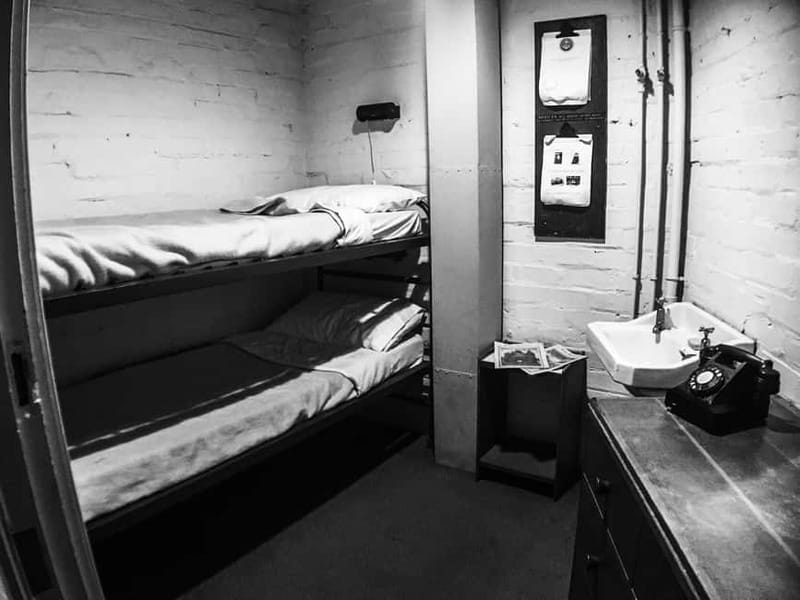
What I appreciate here is that the museum doesn’t treat WWII as one big, distant event. It treats it like work, done in cramped spaces, by real people in defined roles.
The bunker covers the operations undertaken during WWII, and it emphasizes how over 300 people secretly worked in this underground space. That scale is easy to ignore in a typical museum. Underground, it becomes harder to shrug off. As you walk through rooms and offices, you can see the physical logic of where people would have worked, consulted, and recorded information.
This is also where the museum’s “how it felt” quality matters. Some sites tell you facts. This one shows you what the workplace looked like. And that’s why history buffs tend to love it, but it’s also why non-experts usually leave with more than they expected.
The Recreated War-Torn Street: Shops, a Pub, and an Unexploded Bomb
Then you hit the other kind of realism: daily life and danger, recreated inside the bunker experience.
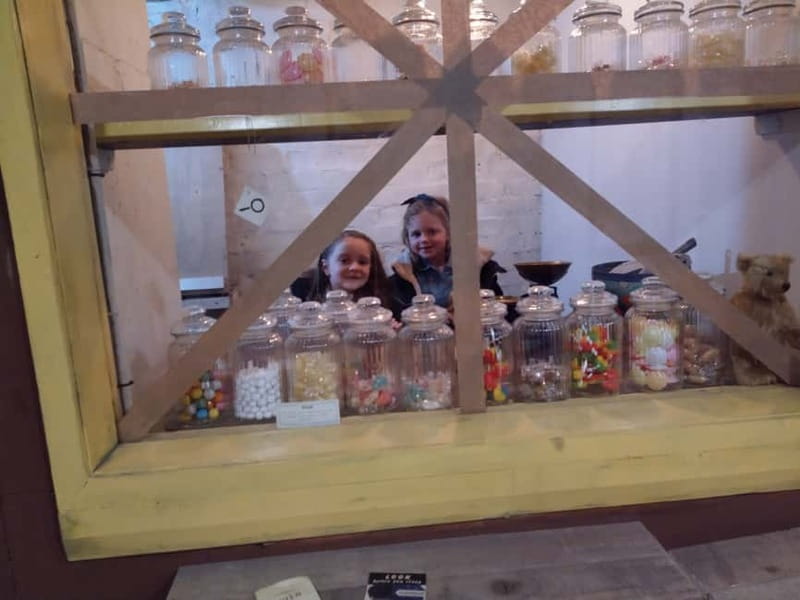
The museum includes a recreated war-torn street with shops and a pub, designed to help you understand what citizens faced. It’s not presented as entertainment. It’s a context tool. When you see the street setting, the bunker story feels even more grounded, because it connects behind-the-scenes strategy to real consequences for people living through air raids and wartime strain.
There’s also an unexploded bomb shown in the street recreation. That detail pushes the message further. It makes the war feel immediate, not museum-distant. You’re seeing how the bunker’s operations tied into the broader struggle, where civilian life and military planning were linked under the same war pressure.
How Long to Plan, What to Expect, and Who This Suits

The activity is valid for 1 day, but your visit length will depend on how methodical you are. Since it’s self-guided, you can stretch it out with reading time in the rooms and exhibits, or you can focus on the main highlights like the Operations Room and the street recreation.
Here’s how to make your time pay off:
- Prioritize the Operations Room and the map wall first, so you understand the purpose before you look at communications and documents.
- Then move to the wartime phone and the replicated working areas, so artifacts connect to the job.
- Save the war-torn street for the later part of your visit when you’re ready for a stronger emotional punch.
As for who will enjoy this most, I’d put it in two buckets. First, anyone with interest in WWII intelligence, naval operations, or Atlantic convoy history. Second, people who like museums where you move through spaces and not just read panels.
One more practical point: it’s not suitable for wheelchair users and is not designed for people with mobility impairments. If you’re unsure, it’s worth checking your comfort with underground walking before you commit.
Value and Practical Tradeoffs (Tickets, No Food, and Managing Crowds)

The ticket gets you admission plus a self-guided visit. That’s a straightforward value proposition. You’re paying for access to a preserved underground site and a thoughtful, room-by-room experience, not for a timed guided lecture or a packaged add-on.
There’s no food or drink included. That matters if you’re planning a longer day in Liverpool. Bring water if allowed and plan a meal break nearby after you finish. If you’re the type who gets hungry while reading, don’t assume you can grab something inside.
Also, pay attention to crowd timing. Some visitors flag crowds as the main problem. The museum is small enough that too many people can make it harder to pause and look closely. If you want quiet time with the map wall and communications items, aim for a starting time when you expect fewer groups.
Finally, do check availability for starting times before you lock in your day. Since it’s valid for 1 day and starts are scheduled, choosing the right time can shape how much you get out of it.
Should You Book Western Approaches in Liverpool?
If you like WWII history that you can walk through, this is a strong choice. I’d especially recommend it if you want to understand what convoy protection and intelligence looked like in a real operations space, and if you’re curious about the role of different personnel, including women’s services, working in the Operations Room.
Skip it if you need wheelchair access or you know you won’t manage an underground, multi-room layout. Also, if you’re expecting a guided talk with a lot of spoken narration, you should know this is self-guided, so your experience will come from what you choose to read and where you stop.
In most cases, I think this is worth your time. It’s not huge, but it is focused, and the combination of bunker operations plus the recreated war-torn street gives you both the strategic and the human side of WWII.
FAQ
How long is the Western Approaches WWII Museum ticket valid?
The ticket is valid for 1 day. You’ll need to check availability to see the starting times.
Is this a guided tour or self-guided?
It’s a self-guided visit of the bunker.
Where do I start the experience?
The meeting point is Western Approaches, located in the basement of Exchange Flags, just behind Liverpool Town Hall.
What can I see inside the bunker?
You’ll explore Western Approaches HQ, including the Operations Room with a huge map wall, documents and tools used to monitor enemy convoys, a wartime phone connected to the London War Cabinet, and a recreated war-torn street with shops, a pub, and an unexploded bomb.
Is food or drink included?
No. Food or drink is not included.
Are pets allowed?
Pets are not allowed. Assistance dogs are allowed.
Is the museum suitable for wheelchair users or mobility impairments?
No. It is not suitable for people with mobility impairments and not suitable for wheelchair users.
What is the cancellation window?
Free cancellation is available up to 24 hours in advance for a full refund.
Newly listed near Liverpool
- Liverpool: The Beatles Tour on Electric Pedal-Assist Ebikes★ 5.0 · 17 reviews
- Liverpool: Upside Down House Entry Ticket★ 4.0 · 168 reviews
- Liverpool: 1980s Music Walking Tour with Guitarist “Nasher”★ 5.0 · 6 reviews
- Liverpool: Total Beatles Car Tour Casbah & Cavern Clubs★ 5.0 · 3 reviews
- Liverpool: The Beatles and Cavern Quarter Walking Tour★ 4.7 · 133 reviews
- Liverpool: The Beatles and Waterfront Guided Walking Tour★ 4.7 · 51 reviews
- Liverpool: The Anfield Abseil & Liverpool FC Museum★ 4.8 · 117 reviews
- Liverpool: Quirky Quarter Interactive Museum Entry Ticket★ 4.7 · 90 reviews
Museums, compared.

Tower of London and Crown Jewels Exhibition Ticket
Read our review →
Liverpool Football Club Museum and Stadium Tour
Read our review →
Chelsea Football Club Stadium and Museum Tour
Read our review →


British Museum Guided Tour with Entrance Tickets
Read our review →Browse the lists this tour appears in