
Review · BRITISH MUSEUM TOURS
London: British Museum Highlights Guided Small Group Tour
Five treasures, one smart route. This British Museum highlights guided tour strings together a few world-famous objects so the museum feels like a story, not a maze. I like that you leave with the why behind what you just saw, from ancient writing to imperial pageantry.
I especially love the focus on marquee artifacts, like the Rosetta Stone, paired with plain-language explanation. You also get real personality from the guide, and names like James H, Jamie, and Andy are often mentioned for a good mix of humor, clear context, and group interaction that even works well with teens.
One consideration: it is a fast highlight tour. In 2 to 2.5 hours, you get major stops, but you will not have time to linger at every object, and wheelchair access is limited to private tours.
In This Review
- Key Highlights You Will Notice
- Entering The British Museum Like You Mean It
- Rosetta Stone: The Moment Writing Became Possible
- Assyrian Lion Hunt Reliefs: When Propaganda Looks Like Art
- Parthenon Sculpture: Myths, Politics, and Big Feelings in Stone
- Lewis Chessmen: Strategy From a Medieval Story
- Oxus Treasure: Luxury That Maps Trade Routes
- Other Favorites That Round Out The 6,000-Year Story
- What The Small-Group Format Really Does For You
- Price And Value: Is $112 Worth It?
- Who Should Book This British Museum Highlights Tour
- Should You Book This Tour?
- FAQ
- How long is the London British Museum highlights tour?
- How much does the tour cost?
- What highlights will we see during the tour?
- Is hotel pickup or drop off included?
- Where is the meeting point?
- Can I bring luggage or a large bag?
- Do I need to bring ID?
- Is the tour wheelchair accessible?
Key Highlights You Will Notice

- Rosetta Stone explained in human terms, not class terms
- Assyrian Lion Hunt reliefs turned into a readable scene of power
- Parthenon Sculpture placed in context so it lands emotionally and historically
- Lewis Chessmen treated as artifacts with stories, not just curios
- Oxus Treasure shown as evidence of trade, taste, and cross-cultural mixing
Entering The British Museum Like You Mean It
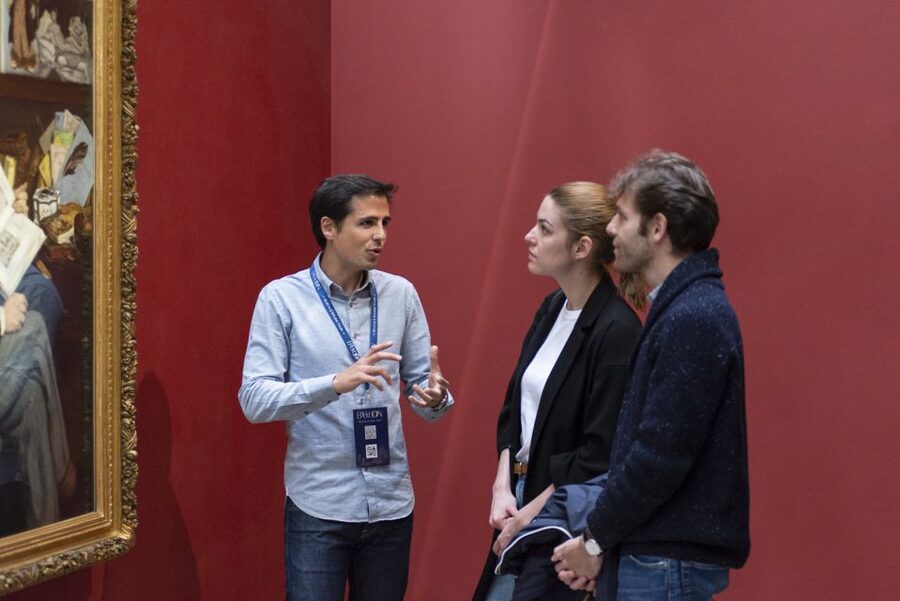
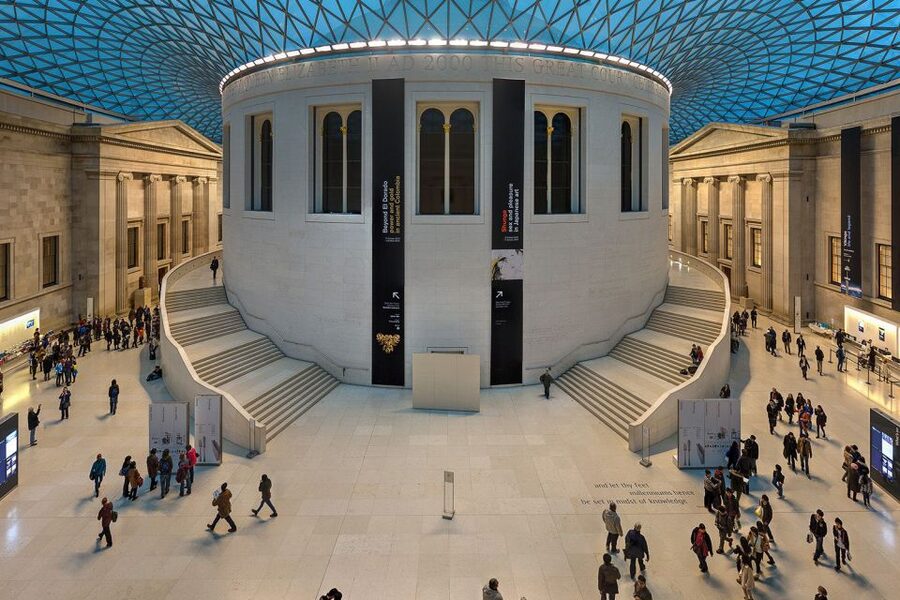
The British Museum is huge. Even if you love history, walking in without a plan can quickly turn into random staring, followed by the feeling that you missed everything important. This tour solves that problem with a short, well-paced route that targets a handful of best-known works and then uses them as anchors for bigger themes.
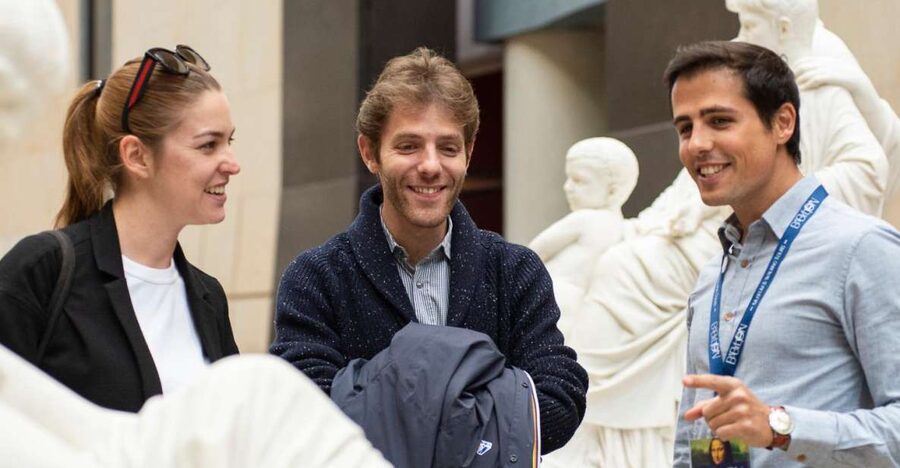
The format also matters. You are with a professional local guide and you will be in either a private setup or a small semi-private group that stays capped at 8 people. That size is big enough to keep it lively, but small enough that the guide can answer questions and shape the pace.
Timing is another quiet advantage. The tour lasts 2 to 2.5 hours, so you can treat it as a smart “first hit” in the museum, then return on your own with a clearer sense of where to go next. The museum is full of crowd energy, and part of the value here is how the guide helps you navigate through the most important rooms efficiently.
A couple practical notes that will save you stress: there is a little walking involved, and luggage or large bags are not allowed. Also, you will want an ID with you, since the tour asks for a passport or ID card.
More Museum Tours in London
- London: Tower of London and Crown Jewels Exhibition Ticket
★ 4.6 · 28,769 reviews - London: Chelsea Football Club Stadium and Museum Tour
★ 4.8 · 4,576 reviews - London Transport Museum Entrance Ticket
★ 4.5 · 1,323 reviews
Rosetta Stone: The Moment Writing Became Possible
If there is one object everyone recognizes, it is the Rosetta Stone. But the real payoff is not that you see it, it is what you learn from it. The guide frames it as an actual artifact, not as a neat word puzzle. You hear what it is, why it mattered, and how it helped unlock meaning from the past.
What I like about the way this tour handles the Rosetta Stone is the focus on the bigger human problem it solved. The tour connects language to power and power to administration. In other words, it is not just about translation, it is about why records survived and why people wanted records in the first place.
When you stand there, here is what you should do during the explanation: slow down and look for how the inscriptions relate to each other. The point is to understand that this is a bridge between worlds. Even if you never read a single line, you can still appreciate the moment it represents, where knowledge starts moving faster than it ever had before.
Assyrian Lion Hunt Reliefs: When Propaganda Looks Like Art
Next up are the Assyrian lion hunt reliefs, and this is where the tour’s storytelling style really clicks. Those carved figures are dramatic on their own, but the guide helps you see them as carefully staged scenes. The hunts are not just entertainment. They are part of how rulers showed strength, controlled narrative, and justified dominance.
Assyrian reliefs can feel distant until someone makes them readable. On this tour, you get the basics of who is depicted, what the scene is communicating, and why the repetition of certain poses and details matters. The result is that the reliefs stop feeling like random stone pictures and start feeling like a message system.
If you want to get more from the viewing, pay attention to motion cues, the arrangement of figures, and the contrast between animals, hunters, and bystanders. That is where the scene tells on itself. This is one of those stops where, after the explanation, you will see more than you did when you first turned the corner.
Parthenon Sculpture: Myths, Politics, and Big Feelings in Stone
The Parthenon Sculpture stop is a clever move on a short tour. It gives you a taste of ancient Greek art at its most iconic and also gives you context for why that art was meant to be seen. You do not just get names and dates. You get the story of how these works carried meaning for the people who made and used them.
Even in a museum setting, these sculptures can hit hard because they are human. Faces, gestures, and the sense of drama are still legible. The guide helps you interpret what you are looking at, including how these figures relate to larger themes from the classical world.
One of the benefits of doing this on a guided route is that you spend time thinking instead of rushing. When you have only 2 to 2.5 hours, the guide’s job is to point you toward the “reading spots” on a complicated piece. After that, you can stand and look again with better focus.
More British Museum tours:
- London: British Museum Guided Tour
★ 4.3 · 1,182 reviews - London: British Museum Guided Tour with Entrance Tickets
★ 4.9 · 748 reviews - London: Tour of the British Museum
★ 4.1 · 678 reviews - Afternoon Tea at the British Museum
★ 4.2 · 511 reviews
Lewis Chessmen: Strategy From a Medieval Story
The Lewis Chessmen are a great reminder that not every major museum object is about worship or warfare. These chess pieces show how play, craftsmanship, and culture travel across time. The tour treats them as real artifacts with real history, and it helps you understand what makes them special beyond their fame.
Chess is a good hook because it is universal. The guide uses that familiarity to explain how the pieces fit into a larger world of medieval life. You get enough background to appreciate the craftsmanship and to imagine how someone might have used these pieces, rather than viewing them as silent sculptures.
When you look at them, give your attention to proportion, carving style, and the overall design choices. The point is to recognize that the artists were making objects meant for a living use. That thought changes how you see the same carvings.
Oxus Treasure: Luxury That Maps Trade Routes
Then you get the Oxus Treasure, and this is where the tour expands the frame from one culture to connections between cultures. The treasure is valuable not only for its craftsmanship, but for what it suggests about trade, movement, and taste across regions.
The guide’s explanation tends to focus on the treasure as evidence of a crossroads world. You start thinking in networks instead of isolated civilizations. That is a theme you will keep seeing throughout the tour, from writing systems to imperial imagery.
If you want to make this stop stick, do not just admire materials. Look for the signs of style and influence, and listen for how the guide connects those details to broader contact between peoples. In a short tour, that is how you turn “pretty objects” into understanding.
Other Favorites That Round Out The 6,000-Year Story
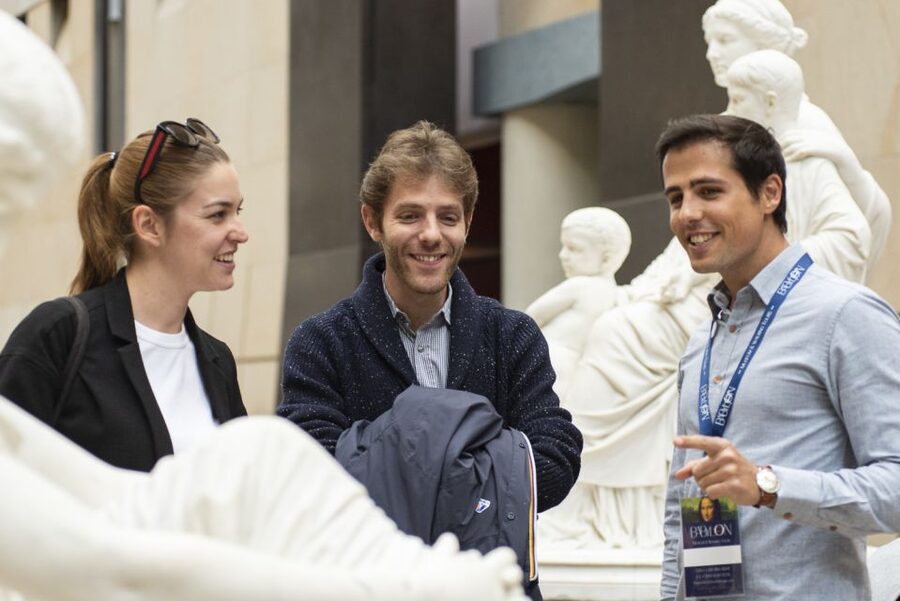
Even though the tour highlights certain headline pieces, it also weaves in additional stops that make the museum feel broader and more balanced. Depending on what is available, you might see items such as Samurai armor, the Mummy of Katebet, and the Royal Game of Ur, along with the other main highlights listed.
Here is why I think those extras are worth it. They prevent the British Museum from turning into a one-genre stop. You go from ancient games to burial practices, and from imperial storytelling in stone to personal protection in metalwork. That range is part of the museum’s strength, and a guided format helps you notice the links.
A note on tone: one guide example, Emily, has been described as honest about the harder side of how objects ended up in museums. If that matters to you, you will likely appreciate this tour’s willingness to talk about more than just shiny surfaces, while still keeping the mood approachable.
You are walking away not only with facts about objects, but with a feel for how humans shaped identity, technology, and belief across time.
What The Small-Group Format Really Does For You
This tour is built for efficiency without turning it into a speedrun. People mention that guides take time to include the group in discussion. That is not just nice, it changes how much you remember. When you can ask questions or react to a point, you turn passive viewing into active learning.
The guide style also tends to be practical. More than one guide has been noted for keeping things fun and for explaining complex topics in a way that still feels respectful. There is also an emphasis on navigating crowds. The museum can be packed, and this tour helps you avoid getting stuck at the wrong bottleneck at the wrong time.
One more value point: because the route is focused, you often end up seeing fewer objects in more detail than you would on your own. Several people have described that effect as priceless, because it gives you time with key works, not just glances.
If you are the type who wants to fully read plaques and do side quests in every gallery, you may wish the tour ran longer. But that tension is also why this works as a highlight add-on. It sets you up for smarter independent time afterward.
Price And Value: Is $112 Worth It?
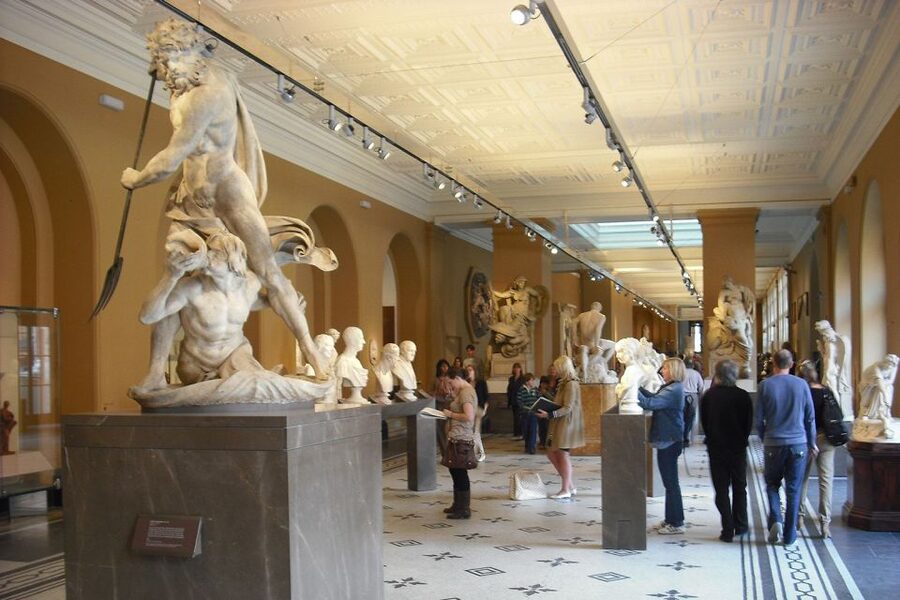
At $112 per person for 2 to 2.5 hours, you are paying for a guide, a focused route, and interpretation that helps you understand what you are seeing. You are not paying for transportation (hotel pickup and drop off are not included), and you should plan your own snack and water.
So is it worth it? In my view, it is when you want structure. If you walk into the British Museum with no plan, you can spend hours and still leave feeling scattered. This tour compresses the essentials into a tight sequence, and it does so with guides who bring both clarity and humor.
The other reason it is good value is the way the tour prepares you to explore after. Once you know what you care about, the museum stops being overwhelming. You can use the rest of your visit to go deeper into the categories that grabbed you most, instead of trying to guess what matters.
If your goal is maximum time at the exhibits, or you travel with a pace that does not match group rhythm, then you might prefer a longer self-guided day. But if you want high-impact museum time and you are visiting for the first time, this price feels like an investment in your attention, not just your time.
Who Should Book This British Museum Highlights Tour
This tour is a great fit if you:
- Want to see the top objects with context, not just photos
- Are short on time and want an efficient plan
- Like interactive explanations, including moments where you can ask questions
- Are traveling with teens, and want explanations that keep their focus
It is less ideal if you:
- Need a lot of time at each object and hate time limits
- Are traveling with a wheelchair and need small-group wheelchair access (wheelchair tours are only available as a private tour)
- Are counting on bringing a large bag, since luggage or large bags are not allowed
Also, this is a minimum of 2 people per booking, and semi-private runs require a minimum number of participants. So if you are a solo traveler, you will likely need to choose private options.
Should You Book This Tour?
If you want a confident first visit to the British Museum, I would book this. The tour hits major icons like the Rosetta Stone, Assyrian Lion Hunt reliefs, Parthenon Sculpture, Lewis Chessmen, and Oxus Treasure, and it does the important part, it explains what you are looking at in a way that makes you remember it.
The big reason to choose it is simple: the museum is too big to learn by wandering. With a focused guide and a small group cap, you get more meaning per minute, and you still have the freedom to continue exploring on your own after.
FAQ
How long is the London British Museum highlights tour?
The tour lasts 2 to 2.5 hours. Starting times depend on availability.
How much does the tour cost?
It costs $112 per person.
What highlights will we see during the tour?
Highlights generally include the Rosetta Stone, Assyrian Lion Hunt reliefs, Parthenon Sculpture, Lewis Chessmen, and the Oxus Treasure. Depending on what is available, you may also see items such as Samurai armour, the Mummy of Katebet, and the Royal Game of Ur.
Is hotel pickup or drop off included?
No. Hotel pickup and drop off are not included.
Where is the meeting point?
The meeting point may vary depending on the option you booked.
Can I bring luggage or a large bag?
No. Luggage or large bags are not allowed.
Do I need to bring ID?
Yes. You should bring a passport or ID card.
Is the tour wheelchair accessible?
Wheelchair tours are only available as a private tour. Small-group tours are not set up for wheelchair users.
More Museum Visits in London
- London: Paradox Museum Entry Ticket
★ 3.9 · 441 reviews - London: National Gallery Guided Tour with Art Expert Guide
★ 4.7 · 440 reviews - London: Tickets for Moco Modern & Contemporary Art Museum
★ 4.7 · 391 reviews - London: Buckingham Palace The King’s Gallery Entrance Ticket
★ 3.8 · 385 reviews
Newly listed near London
- Women in art – National Gallery★ 5.0 · 3 reviews
- Woking: Royal Horticultural Society Wisley Garden Ticket★ 4.7 · 24 reviews
- Windsor Stonehenge Bath Private Tour from London with Passes★ 4.8 · 5 reviews
- From London: Windsor, Stonehenge & Oxford Private Car Tour★ 3.5 · 4 reviews
- Windsor Castle Tour with Fish and Chips Lunch in London★ 4.4 · 25 reviews
- Windsor Castle & Hampton Court Palace VIP Black Taxi Tour★ 4.9 · 14 reviews
- London: Windsor Castle & Tower of London Tour with Tickets★ 3.3 · 15 reviews
- From London: Windsor Castle, Bath, and Stonehenge Day Trip★ 4.4 · 153 reviews
British Museum Tours, compared.
British Museum Guided Tour with Entrance Tickets
Read our review →

British Museum Guided Tour with Priority Timeslots
Read our review →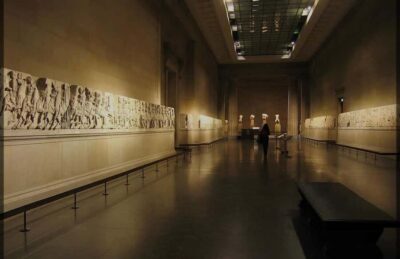

British Museum Archaeology Course and Guided Tour
Read our review →Browse the lists this tour appears in