
Review · HISTORICAL TOURS
London: Brutalist Architecture & History Walking Tour
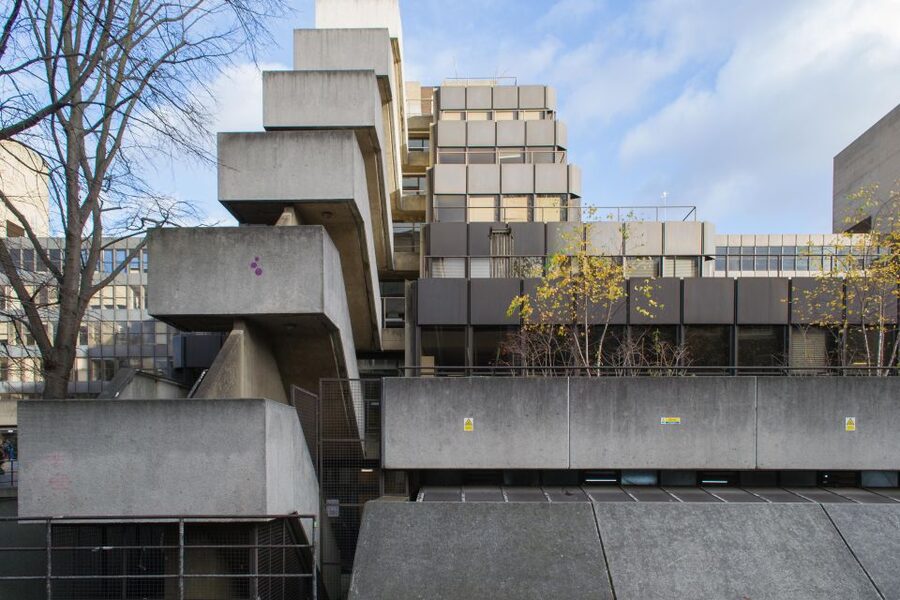
Concrete gets a surprising fan club. This central London walk is all about Brutalist buildings, explaining how concrete powered a new kind of bold look in the 60s and 70s, with standout photo time at the National Theatre. I love the way the guide ties the buildings to the wider post-war social and political mood, and I love the small-group pace that keeps questions in the mix. One drawback to plan for, you only see the exteriors, not inside.
I also like that it is practical and efficient. The tour meets outside Russell Square Underground Station (Piccadilly Line), then uses the tube once for a short hop in Zone 1 before returning to a straight, story-led walking route.
At $47 for 2.5 hours with a live English guide, it feels like good value if you enjoy architecture as more than scenery. Expect strong opinions along the way, some people love Brutalism, others recoil, and you will learn how to form your own take.
In This Review
- Key things I’d circle before you go
- Brutalism in Central London, explained like a real story
- Meeting at Russell Square and the one-tube-hop plan
- Stop One: The Institute of Education and why concrete looks the way it does
- Stop Two: National Theatre and the photo angles that make it click
- The social and political forces between buildings
- The push-pull of preservation, residents, and future use
- The guide experience, and what to expect from Evan’s style
- What you do not get: interiors and deep material lab tricks
- Price and value for $47 in a small group format
- Who should book this Brutalist Architecture & History walk
- Should you book this London Brutalist architecture tour?
- FAQ
- Where is the meeting point for the tour?
- How long is the London Brutalist Architecture & History walking tour?
- Is there a tube ride during the tour?
- Do I need public transport for this experience, and what should I bring?
- Are building interiors included in the tour?
- How big is the group?
- Is the tour suitable for children or people with mobility impairments?
Key things I’d circle before you go
- Small group of 6 keeps the tour from turning into a lecture line
- Guide Evan brings energy, adapts his explanations, and adds details beyond the usual plaques
- Concrete gets explained clearly in terms of engineering and how it looks in real buildings
- National Theatre photo moments focus on dramatic angles and massing
- Post-war context in plain language connects architecture to culture, society, and policy pressures
- Built-environment debate is part of the story, including preservation fights over how these structures should be used
Brutalism in Central London, explained like a real story
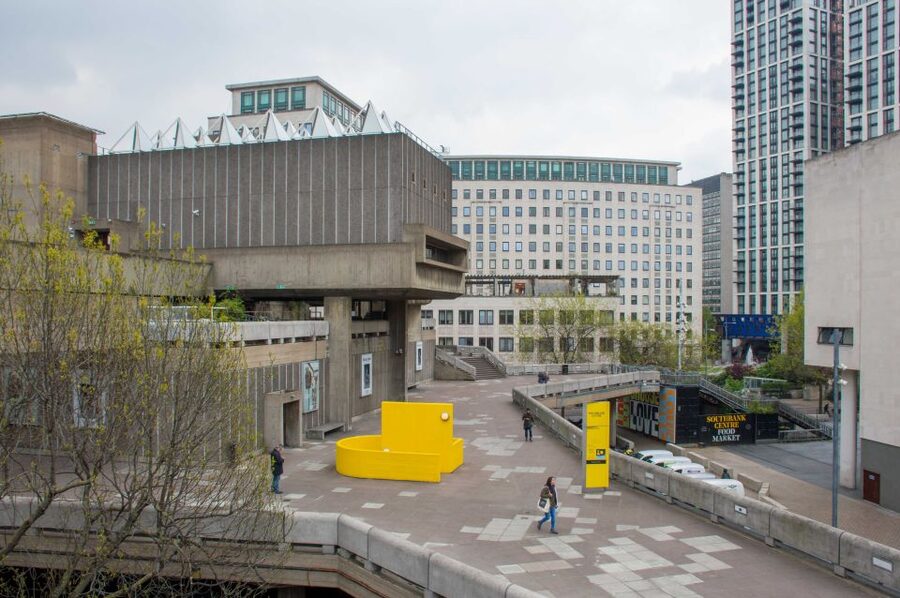
Brutalism can feel like architecture with its sleeve rolled up. You see big blocks, hard edges, and the no-nonsense look of raw or exposed concrete. This tour is built around that reaction, whether you end up thrilled or annoyed. The guide does not treat Brutalism as a museum object. You get the “why” behind the look, plus the consequences for the people who had to live with it.
What makes this experience click is the balance. Yes, you will spot famous examples, but the main point is learning how modern materials, engineering choices, and post-war thinking shaped what London built in the center of the city. The tour also brings in the bigger international picture, because the style did not grow in isolation, world events and shifting priorities influenced reconstruction and design choices.
And because it is a walking tour in central neighborhoods, you will feel the scale in context. This is architecture designed to be read from street level, not admired only at a distance.
More History Tours in London
- London: Historic Pubs of Central London Walking Tour
★ 4.9 · 1,065 reviews - London: Soho Music and Historic Pubs Walking Tour
★ 4.9 · 836 reviews - London: Rock ‘n’ Roll History Tour
★ 4.6 · 645 reviews
Meeting at Russell Square and the one-tube-hop plan
You start outside Russell Square Underground Station on the Piccadilly Line. That is handy because it is a straightforward meeting point, easy to find, and it sets you up for a morning walk.
The tour uses the tube once for a short journey, and it stays within Zone 1. The practical takeaway: bring a public transport ticket and make sure you have enough credit for one trip in Zone 1. If you like to travel light, do the basics right here, you do not want the story stops to get delayed by payment issues.
The walking part is timed for a 2.5-hour slot, so you should expect a steady rhythm. This is not a slow “wander and vibe” tour. It is a guided route with frequent photo and discussion moments as you move from site to site.
Also, it is worth planning for weather. If conditions are unfavorable, the walk may be postponed or canceled, so keep an eye on your day-of schedule.
Stop One: The Institute of Education and why concrete looks the way it does
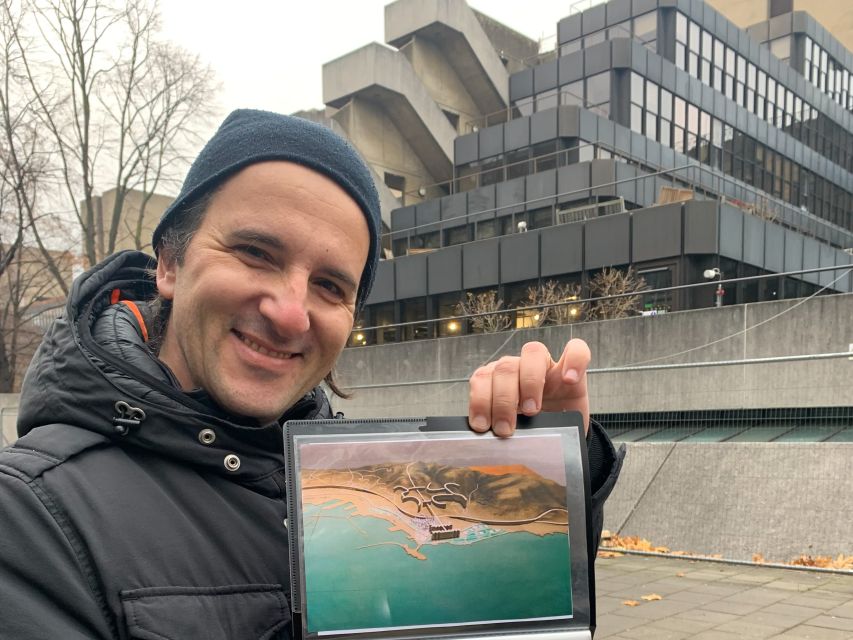
One of the strongest anchors on this tour is the Institute of Education. Even if you do not know Brutalism by name, the building gives you that unmistakable clue: concrete used as structure and expression, not just a hidden ingredient.
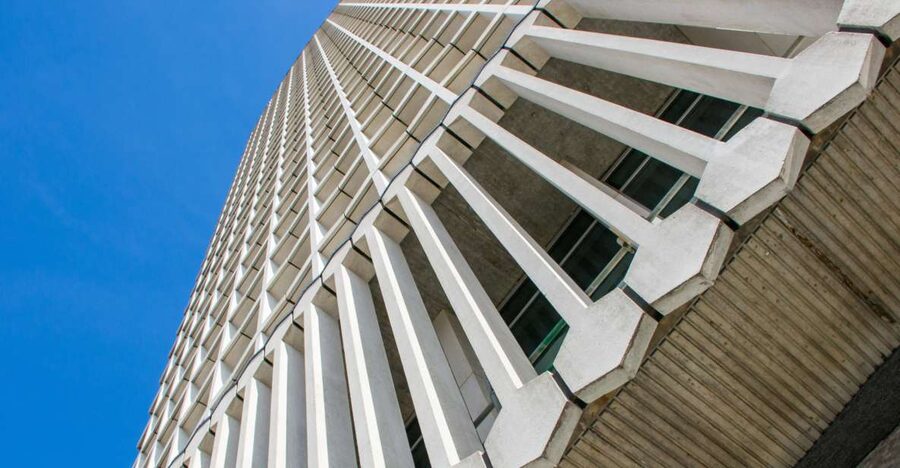
Here is the value of this stop. You do not just learn what Brutalism looks like, you learn why that look mattered in modern times. The guide focuses on concrete in architecture and engineering, connecting materials to form. You start to notice how concrete enables bold spans, heavy massing, and the “urban fortress” vibe people either love or hate.
This is also where you begin to see the style as part of a broader shift in thinking. Brutalism was not only about aesthetics. It connected to practical goals and a new vision of public life, which is exactly why the tour spends time talking about culture, society, and the environmental impact angle as well. The point is not that every building solved everything. It is that the intentions behind the design were real.
If you are a photo person, this stop gives you a good first chance to frame details early. Look for the relationship between geometry and surface, the way the building reads like a single statement from different angles.
Stop Two: National Theatre and the photo angles that make it click
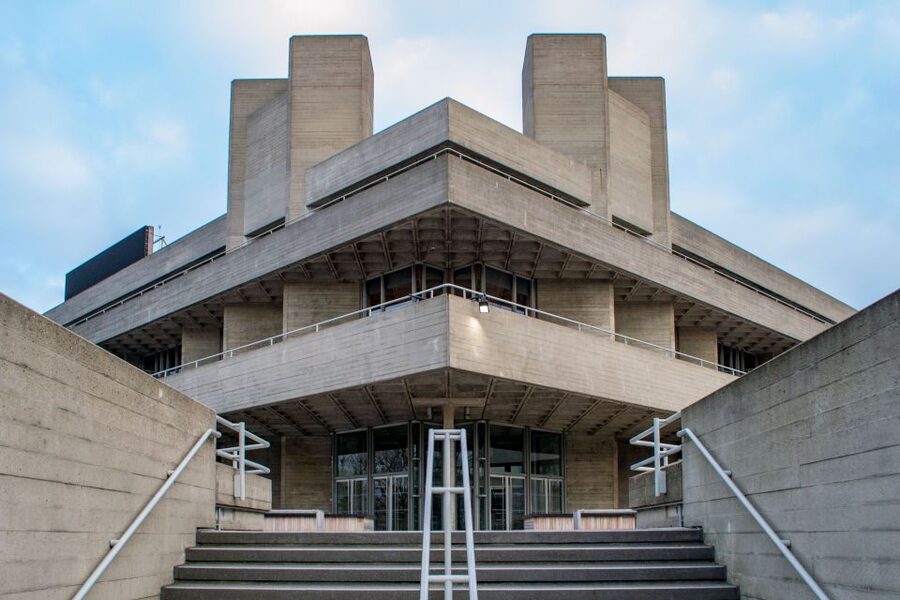
The National Theatre is the kind of building that makes you stop mid-walk. Even if you are not a lifelong architecture fan, the massing and the stubborn confidence in its shapes draw your attention fast.
This stop is great for two reasons. First, the guide helps you see what is worth photographing. You get time for striking shots, including views that emphasize the building’s dramatic presence. Second, you get the story behind the structure, including how wider European modernist ideas landed in London and shaped post-war architecture.
The guide also connects this building to its surrounding debates, including how communities and authorities handle these distinctive structures. That matters because Brutalist buildings often sit in the middle of arguments about value and usefulness, not just design.
If you care about architecture as a living system, the National Theatre stop is a reminder that buildings do not freeze in time. Their purpose evolves, and so does public opinion.
More Walking Tours in London
- Magical London: Harry Potter Guided Walking Tour
★ 4.7 · 22,044 reviews - London: The Original Jack the Ripper Walking Tour
★ 4.7 · 7,833 reviews - London: Harry Potter Movies Walking Tour (Kids Go Free)
★ 4.7 · 3,071 reviews - London: The Great British Rock and Roll Music Walking Tour
★ 4.9 · 1,783 reviews
The social and political forces between buildings
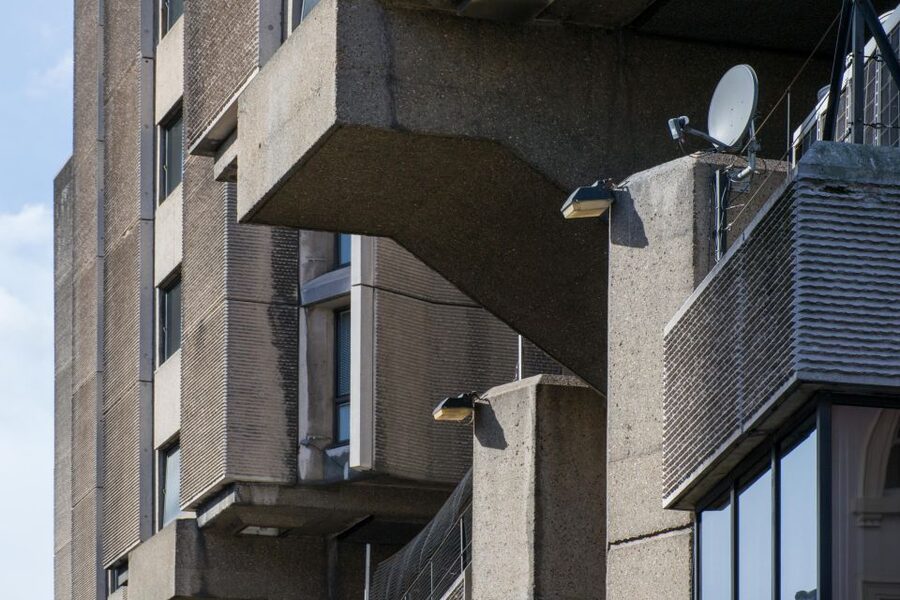
The tour keeps returning to one big theme: Brutalism is tied to modern life and modern pressures. The guide talks about the cultural, social, and environmental impact of monumental modernist architecture. Translation: these buildings were built for specific reasons, and they landed in real communities with real needs.
You will also hear about global events that influenced London’s post-war landscape. The tour does not treat the story as purely local. It frames architecture as a response to the era’s larger shifts, where rebuilding, politics, and international trends shaped what cities thought they could do.
This is where the experience becomes more than photo ops. The guide brings in key characters in European modernism as part of the explanation, so you can connect London’s concrete giants to a wider design conversation. Even if you never go learn every name afterward, you leave with a mental map of how ideas traveled.
One more practical note. The guide adapts the tour based on what you already know. If you want a basic grounding, you will get it. If you want more nuance, you can ask. That flexibility is a big reason this tour holds a very high rating.
The push-pull of preservation, residents, and future use
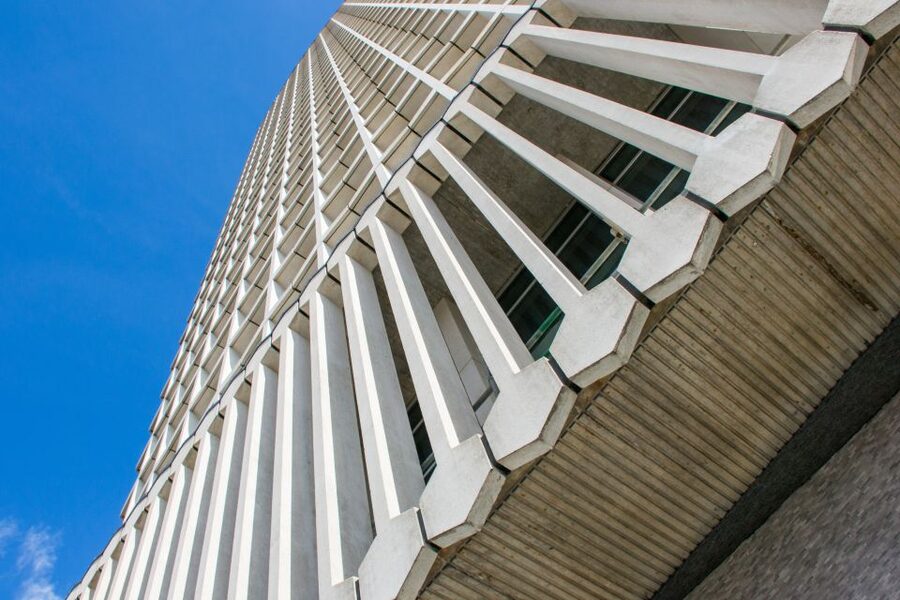
Brutalism often triggers the same question everywhere it appears: do we keep it, change it, or replace it?
This tour does not ignore that tension. It explains the ongoing struggle among local authorities, preservation groups, and residents about how these buildings should be used in the future. That makes the walk feel current, not just historical.
Why that matters for you as a traveler is simple. It changes how you look at the buildings. You stop thinking, this is just a style from the past, and you start thinking, this is a debate in progress. The buildings are still doing their job as public objects, in public space, where opinion is active.
You also get a sense of why some people feel protective about Brutalist architecture, while others feel it never quite delivered what was promised. The tour’s tone helps you hold both ideas at once, without turning the discussion into a shouting match.
The guide experience, and what to expect from Evan’s style
Evan comes through as the kind of guide who really wants you to understand the built environment, not just tick off landmarks. People describe his enthusiasm, his friendliness, and his ability to explain complex ideas in a way that still feels human.
A big plus, he is polite and personable, and he can tailor the depth to the group. For instance, one parent and child duo approach the tour differently, and Evan adjusts to that mix of curiosity and background. That matters because the tour covers both design details and wider historical context, so pacing can make or break the experience.
Now for the fair caution. Architecture history can be full of “close enough” claims that some guides repeat. One guest specifically flagged a couple of points that felt off, including explanations tied to historical window logic and political labeling of a figure connected to modernism. So if you are the type who wants perfect precision on niche trivia, keep your own fact-check instincts handy.
Even with that, the overall experience is consistently praised for making the material feel alive and for bringing you stories you will not find just by standing there and reading plaques.
What you do not get: interiors and deep material lab tricks
This tour is intentionally outside-focused. The interiors of buildings are not visited. So if you want to see foyers, galleries, or educational spaces inside, plan for a different type of ticket or a separate visit.
The tour also is not an engineering workshop. You will learn about concrete and modern construction logic in an accessible way, but you are still primarily learning through observation and guide explanation at the street-facing exterior scale.
That said, you do get plenty to look at. Brutalist buildings show their structure and decisions on the outside. If you pay attention to edges, repetition, and how surfaces meet, you can see the material story without stepping through the doors.
Price and value for $47 in a small group format
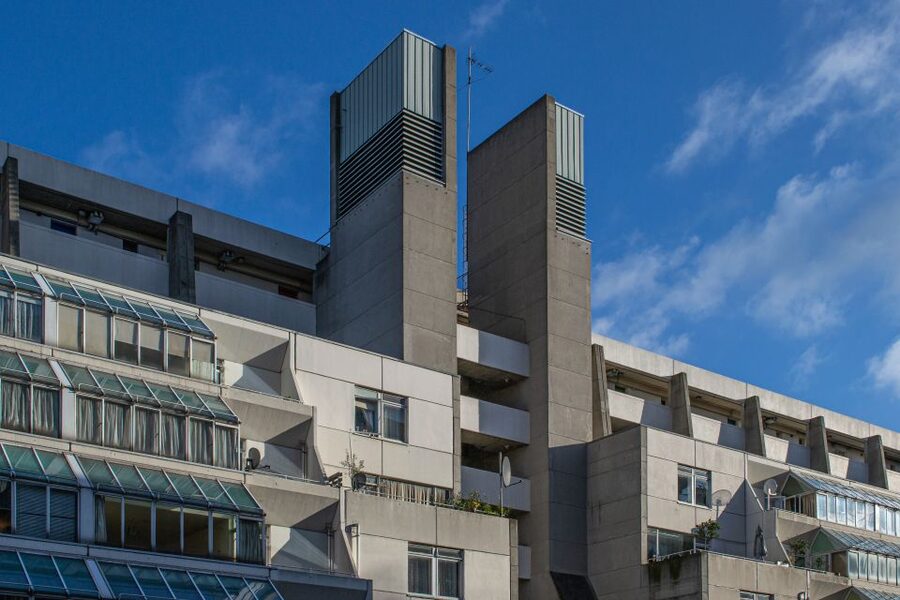
At $47 per person for 2.5 hours, the value hinges on two things: the guide quality and the group size. This tour is limited to 6 participants, which usually means you get more interaction than you would on a big-bus style group walk.
You also get a live English guide, plus a route that includes a tube ride once and a focused selection of notable Brutalist buildings. The “included” package is simple, a walking tour with the guide, so you are paying for the explanation and the time, not for a bundle of extras.
In plain terms, this is a good deal if you want a guided way to look at central London and understand why Brutalism landed where it did. It feels less like you are buying access, more like you are buying perspective.
One more angle: if you are comparing to pricier specialist tours, the biggest reason it still feels fair is the way the guide shares specific context, including the social and political circumstances tied to buildings like the National Theatre.
Who should book this Brutalist Architecture & History walk
This tour is best for adults and teens 16 and up. It is not suitable for children under 16, and it is not suitable for people with mobility impairments.
If you love modern architecture, street-level city design, or you want a different side of London than the usual royal palaces and postcard views, you will enjoy this. It is also perfect if you like asking why questions: why concrete, why this style, why now, and why do people argue about these buildings even today?
If you are expecting soft, pretty, and romantic sightseeing only, you might find the blunt look of Brutalism too confrontational. But if you can handle strong visual opinions, you will get a satisfying education and some seriously good photo moments.
Should you book this London Brutalist architecture tour?
If you want to understand London through its post-war concrete thinking, book it. The combination of small-group format, Evan’s engaging approach, and the focus on major examples like the Institute of Education and the National Theatre makes it a strong way to spend 2.5 hours in central London.
Skip it only if you need interior access, have mobility constraints that make outdoor walking hard, or want a tour that avoids debates and difficult opinions. Brutalism is built to spark reaction, and this tour treats that reaction as part of the learning.
FAQ
Where is the meeting point for the tour?
The tour meets outside Russell Square Underground Station on the Piccadilly Line.
How long is the London Brutalist Architecture & History walking tour?
It lasts 2.5 hours.
Is there a tube ride during the tour?
Yes. The tour uses the tube once for a short journey in Zone 1.
Do I need public transport for this experience, and what should I bring?
Bring a public transport ticket. Also make sure you have enough credit for one tube trip within Zone 1.
Are building interiors included in the tour?
No. Interiors are not visited.
How big is the group?
The group is limited to 6 participants.
Is the tour suitable for children or people with mobility impairments?
No. It is not suitable for children under 16 or for people with mobility impairments.
More History Walks in London
- London: Royal Historic Pubs Walking Tour
★ 5.0 · 536 reviews - London: Jack the Ripper Tour with Historic Pub Stops
★ 4.8 · 360 reviews - London: Medieval History Walking Tour from The Tower
★ 4.9 · 318 reviews - London: Witches and History Bankside Walking Tour
★ 4.8 · 223 reviews
Newly listed near London
- Women in art – National Gallery★ 5.0 · 3 reviews
- Woking: Royal Horticultural Society Wisley Garden Ticket★ 4.7 · 24 reviews
- Windsor Stonehenge Bath Private Tour from London with Passes★ 4.8 · 5 reviews
- From London: Windsor, Stonehenge & Oxford Private Car Tour★ 3.5 · 4 reviews
- Windsor Castle Tour with Fish and Chips Lunch in London★ 4.4 · 25 reviews
- Windsor Castle & Hampton Court Palace VIP Black Taxi Tour★ 4.9 · 14 reviews
- London: Windsor Castle & Tower of London Tour with Tickets★ 3.3 · 15 reviews
- From London: Windsor Castle, Bath, and Stonehenge Day Trip★ 4.4 · 153 reviews
Historical Tours, compared.




Browse the lists this tour appears in