Review · LONDON TOURS
London: Hidden Baker Street Tube Station Tour
Baker Street has a second life underground. This Hidden London tour run by the London Transport Museum shows Baker Street Station beyond the ticket gates, with staff-only spaces and the origins of underground travel in 1863. I love seeing the station’s unusual operational side, like the staff rifle range, and I really like the way the guides connect the place to real people who worked the Underground.
One catch: expect lots of walking, stairs, uneven ground, low lighting, and no elevators, so it is not a comfortable fit for everyone.
In This Review
- Key highlights you will feel right away
- Baker Street Station, built for 1863 problems
- The Sherlock Holmes meeting point and your first reality check
- The Victorian steam era story you hear while you walk
- Hidden staff areas: the rifle range and original platforms
- Corridors and old lift shafts last seen in living memory
- Baker Street as the operational headquarters of the London Underground
- The 85 minute pacing and how to fit it into your London day
- Price and value: is $60 worth it?
- What to expect on your feet: shoes, stairs, and low light
- Who this tour fits best
- Should you book Hidden Baker Street Station tour?
- FAQ
- Where do I meet for the Hidden Baker Street Station tour?
- How long is the tour?
- What should I bring?
- Are food, drinks, and luggage allowed?
- Is the tour suitable for children and mobility needs?
- Is the tour in English, and can I cancel if plans change?
Key highlights you will feel right away
- Exclusive access to areas closed for over 75 years
- Baker Street’s staff rifle range and original platforms
- Old lift shafts and corridors last seen by the public in 1945
- How Baker Street functioned as the operational headquarters of the London Underground
- Guide teams that bring archive stories to life, with Anthony, Sophie, and Pat called out for great hosting
- An 85 minute format that is long enough for secrets, short enough to plan around
Baker Street Station, built for 1863 problems
Baker Street Station opened on January 10, 1863, as part of the Metropolitan Railway. At the time, London was dealing with congested streets, so the idea of carrying passengers beneath the city was revolutionary, and it became a model for metros across the world.
What makes this tour work is that you are not learning the story from a screen. You walk through the same kind of spaces that helped make underground travel happen, which makes the history feel practical. You start to understand how a station is not just a platform and a train schedule, it is an operating machine.
If you like transport history, you will appreciate that Baker Street is treated as more than a backdrop. The tour ties together early underground passenger impressions, how the Underground expanded over the decades, and how this station supported both passengers and the people running the system.
A few more London days worth comparing
- London: The London Eye Entry Ticket
★ 4.6 · 35,875 reviews - London: Tower of London and Crown Jewels Exhibition Ticket
★ 4.6 · 28,769 reviews - From London: Harry Potter Warner Bros Studio Tour
★ 4.7 · 26,588 reviews
The Sherlock Holmes meeting point and your first reality check
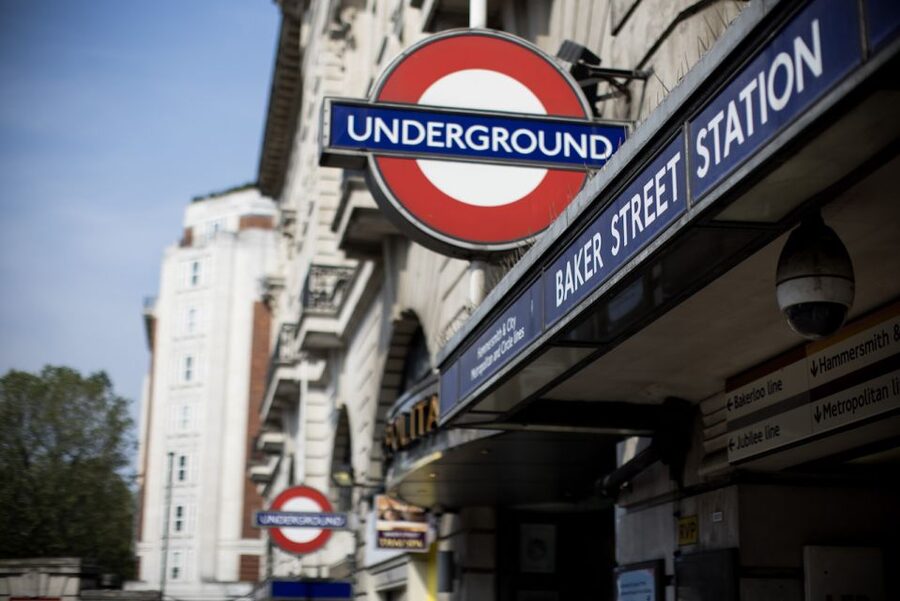
You meet your guide outside Baker Street Underground Station, in front of the Sherlock Holmes statue. It is an easy landmark, and once you spot it, you can get your bearings fast.
Then comes the first important practical point: this is a working-station type experience, not a gentle museum stroll. You should expect a lot of walking, including uneven ground, stairs, and sections with low lighting. There are no elevators, so if you use a mobility aid, or if climbing stairs is an issue, this will likely be uncomfortable.
Before you go, wear comfortable shoes and skip open-toed footwear. Bring water, and plan to carry a passport or ID card. You cannot bring food or drinks, and luggage or large bags are not allowed, so pack light. If you show up with a heavy day bag, you will feel it during the walk-through.
The Victorian steam era story you hear while you walk
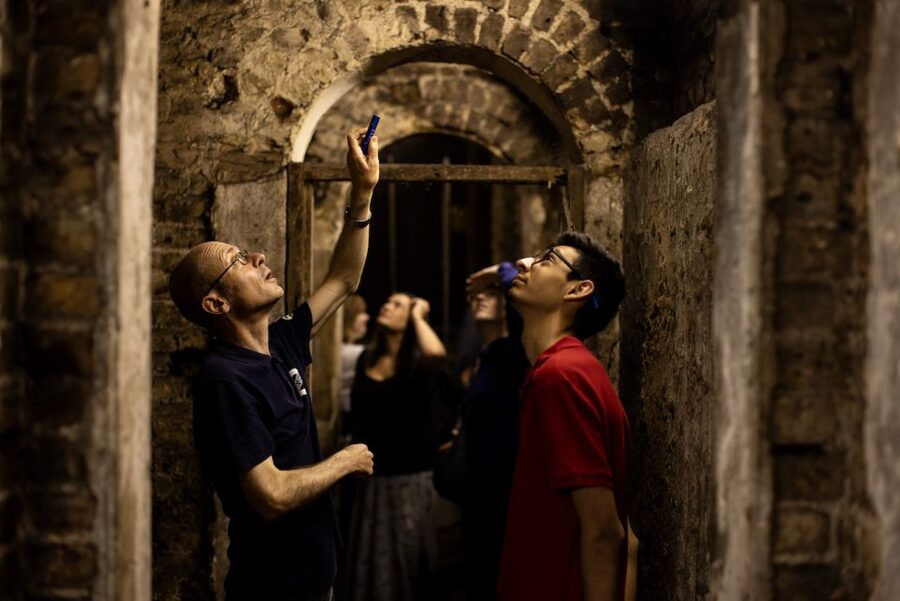
One of the most fun parts is how the tour frames the early years of underground travel. You are guided back to the moment when the public was just learning what it meant to go beneath London. You hear what the very first passengers thought of underground travel in 1863, which helps you separate modern assumptions from what people actually felt back then.
From there, the tour connects the dots between growth phases. You learn how the Underground expanded over the next 16 decades, and you hear how Baker Street served passengers, but also played a role for staff.
That staff angle matters. Stations are full of hidden decisions, from flow and safety to communication between different roles. Once you start seeing staff spaces, the history stops being abstract. You get the sense of how operations shaped what passengers experienced.
Hidden staff areas: the rifle range and original platforms
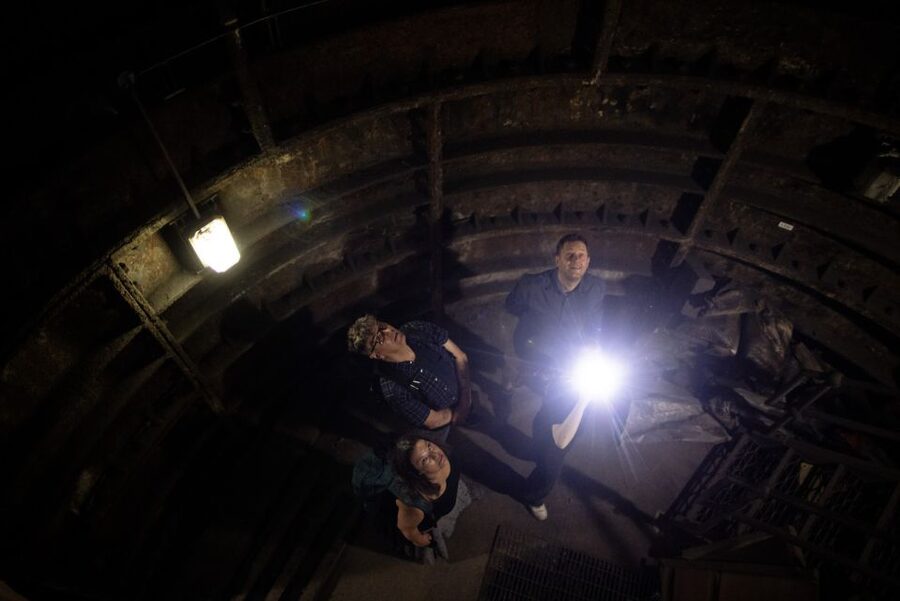
The tour’s wow factor starts with areas you typically never see. One standout is the staff rifle range. It is not something you would guess exists when you are standing on a platform in normal everyday travel. Seeing it helps you understand the station as a controlled workplace, with real operational security considerations in its era.
You also get to explore closed-off parts of the station, including original platforms. That is the kind of detail that can be easy to miss if you only visit public areas, because platforms can look modern even when older structures sit beneath the surface. Here, the guide helps you notice what is original and what later adapted to changing needs.
As you move through these spaces, pay attention to how the tour uses sightlines and transitions. You are learning station function through layout. It is a better way to understand a complex place than reading a single sign and calling it done.
Same corner of Britain, a different sort of outing:
- Magical London: Harry Potter Guided Walking Tour
★ 4.7 · 22,044 reviews - London: Madame Tussauds London
★ 4.6 · 20,915 reviews - London: Warner Bros. Studio Harry Potter Tour & Branded Bus
★ 4.7 · 19,194 reviews - London: Tower Bridge Entry Ticket
★ 4.7 · 15,560 reviews
Corridors and old lift shafts last seen in living memory
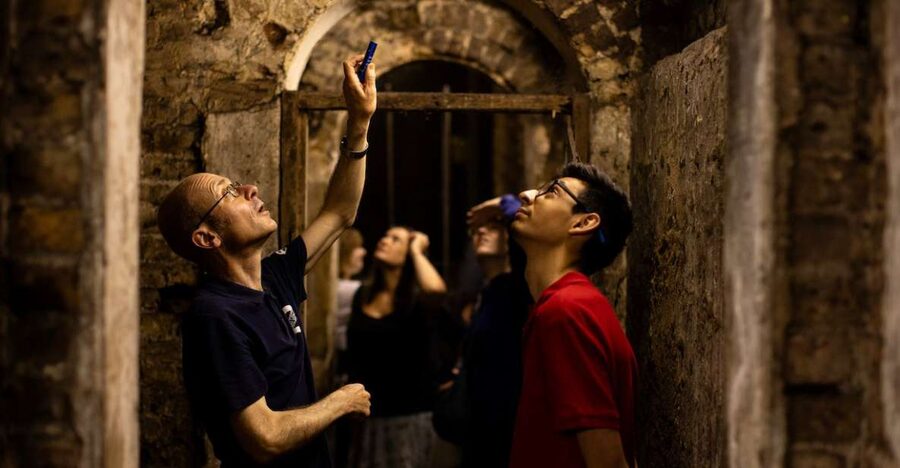
Some of the corridors and lift infrastructure were last accessed by the public as far back as 1945. That is a striking detail because it changes the feeling of the tour. You are not just “behind the scenes,” you are stepping into parts of the station that largely stopped being part of daily passenger life long ago.
You will also see corridors and old lift shafts that have been out of public use for about 75 years. Again, the emphasis is on access. The tour is described as the only one with entry to these hidden areas, and that matters if you want something more than a standard history walk.
This section is where practical preparation becomes extra important. Expect low lighting and stairs, and plan your pace. If you need time to adjust your breathing or vision in darker spaces, build that into your own expectations. Also, no elevators means you should be ready for vertical movement.
Even if you are not a “technical” person, the value is real. You come away with a new map of the station in your head. Instead of thinking of Baker Street as one big stop, you start to think of it as a layered system with infrastructure that supported multiple kinds of work.
Baker Street as the operational headquarters of the London Underground
Baker Street was also the operational headquarters of the London Underground. On this tour, you feel that role in the way the guide tells the story. You hear how the station connected decision-making, coordination, and day-to-day work for staff.
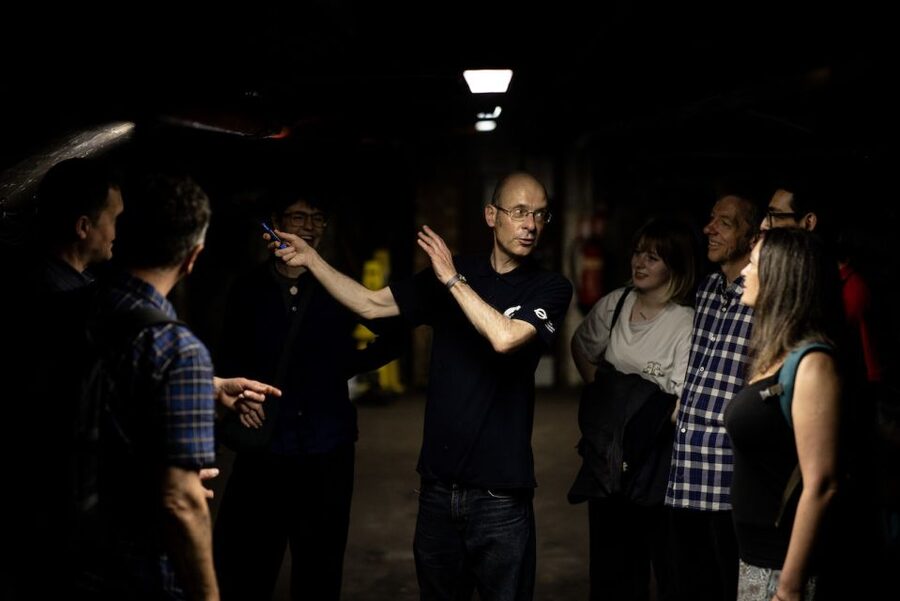
What I liked here is the human scale. You are not only told what the Underground did, you hear stories of the people who worked there over the years, including what they did and what life at the station was like for them.
The guides draw from archive material and the London Transport Museum’s collection, so the stories stay grounded rather than turning into generic “isn’t history interesting” talk. If you enjoy hearing how real workers experienced their environment, this part tends to land well.
Guides named Anthony, Sophie, and Pat are specifically praised for being friendly, enthusiastic, and very knowledgeable in how they handled the material and kept the group moving. Even without knowing their names ahead of time, you can expect a team that knows how to translate old documents and station details into something you can picture.
The 85 minute pacing and how to fit it into your London day
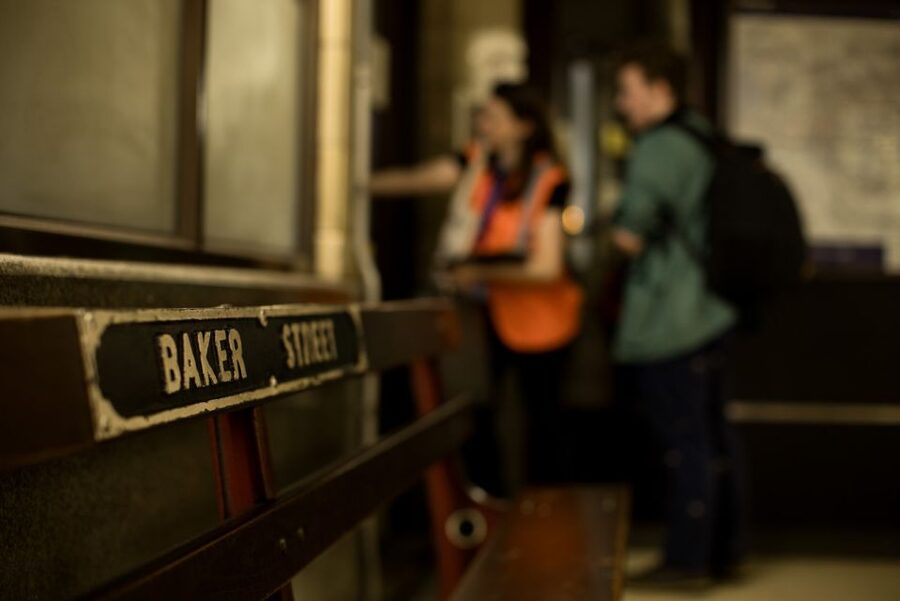
The tour lasts 85 minutes, and that time window is a sweet spot. It is long enough to include multiple hidden sections and real explanation. It is not so long that you burn a half day just to see a single site.
Because it is a walking experience through uneven and low-lit areas, you should treat it like an activity day, not a “float through London” stroll. Afterward, you will likely want a normal break, especially if you are stacking other sights.
Timing-wise, the schedule depends on availability, so choose a slot that fits your energy. If you are the type who likes to do museums early, or you prefer to avoid crowds, pick the time that best matches your own rhythm.
Price and value: is $60 worth it?
At $60 per person, this is not a budget item. But it also is not paying for a generic history talk in a comfortable room.
You are paying for something rare: guided access to areas not seen by the public, including original platforms, old lift shafts, and corridors that have been out of passenger use for decades. The tour is also described as the only one with access to these hidden areas, which is exactly what makes the price make sense for people who want something beyond typical sightseeing.
If you usually spend money on attractions that are mostly about views, you might feel this is different. The payoff is in the backstage details and the station-as-machine understanding. If that is your style, $60 starts to feel fair because the experience is about scarcity, not just location.
If you are price sensitive and only want broad, general station history, you might decide it is more than you need. But for the right person, the price buys a real change in perspective.
What to expect on your feet: shoes, stairs, and low light
This is the “know before you go” section, and it deserves your attention because it affects comfort more than most tours.
You should expect:
- lots of walking
- uneven ground
- stairs
- low lighting
- no elevators
You should also expect restrictions:
- no food and drinks
- no luggage or large bags
- no open-toed shoes
- bring water and comfortable shoes
- bring passport or ID
If you are traveling with kids, there is also a specific limit. There can be a maximum of four children aged 10 to 15 per adult. Children under 10 are not suitable.
If you have mobility impairments, the tour is not suitable. If you have claustrophobia, it is also not suitable. That is not meant to sound harsh, it is practical honesty. When a tour includes tight, less-used parts of a station and low light, comfort is not guaranteed.
Who this tour fits best
This tour is a great match if you:
- love London transport history and want more than surface-level facts
- enjoy behind-the-scenes access and want to see operational infrastructure
- like hearing real stories connected to how systems work
- can handle stairs and walking in dimmer, uneven areas
It is also a good fit if you want an experience that feels “you are in London, not just looking at London.” Hidden Baker Street turns a famous name into a place with layers you usually cannot reach.
You might want to skip it if:
- you cannot manage stairs or uneven ground
- you get uncomfortable in claustrophobic spaces
- you are traveling with very young kids under 10
For many people, that single decision saves time and stress.
Should you book Hidden Baker Street Station tour?
Yes, if you want the rare-access part of London, not the recycled sightseeing version. Book it if you care about how underground systems began, how stations function behind the curtain, and you are excited to see the staff rifle range, original platforms, and corridors and lift shafts that have been largely out of public reach for decades.
Think twice if you are worried about stairs, low lighting, uneven ground, or if claustrophobia or mobility issues are part of your day-to-day comfort equation. In that case, a normal public-area tour will likely feel easier.
If you are in the middle, use this simple rule: if you would pay to visit a place that most people cannot enter, and you are ready to walk and climb a bit, this hidden Baker Street experience is likely worth the $60.
FAQ
Where do I meet for the Hidden Baker Street Station tour?
Meet your guide outside Baker Street Underground Station, in front of the Sherlock Holmes statue.
How long is the tour?
The tour lasts 85 minutes.
What should I bring?
Bring comfortable shoes, water, and a passport or ID card.
Are food, drinks, and luggage allowed?
No food or drinks are allowed. Luggage or large bags are also not allowed.
Is the tour suitable for children and mobility needs?
Children under 10 are not suitable. There is a maximum of four children aged 10 to 15 per adult. The tour is not suitable for people with mobility impairments.
Is the tour in English, and can I cancel if plans change?
The tour is in English. Free cancellation is available up to 24 hours in advance for a full refund.
Newly listed near London
- London: 3-Hours Private Walking Tour★ 4.4 · 8 reviews
- London: 3-hour Outdoor Escape Room Game★ 4.0 · 5 reviews
- London: 3 Most Famous Art Galleries Tour★ 5.0 · 3 reviews
- London: 24-Hour Hop-On Hop-Off Bus Pass★ 3.1 · 133 reviews
- London: Secret Beer Tour★ 4.9 · 10 reviews
- London: 3 Days of Must-See Attractions including London Eye★ 4.5 · 22 reviews
- London: Private Underground and Tube Tour★ 4.6 · 42 reviews
- London: 20-Minute Tower RIB Blast from Tower Pier★ 4.7 · 135 reviews
London Tours, compared.


Tower of London and Crown Jewels Exhibition Ticket
Read our review →

Magical London: Harry Potter Guided Walking Tour
Read our review →
Warner Bros. Studio Harry Potter Tour & Branded Bus
Read our review →