Review · LONDON TOURS
London: Hidden Tube Tour – Green Park Station
Hidden stairs and hidden rooms are the whole point here. This Green Park Underground experience takes you to Dover Street station, plus closed passageways, lift landings, and ventilation spaces most people never get to see. The payoff is the way the story ties old London transport design to wartime survival and post-war expansion.
I especially like the focus on what you can physically spot underground: vintage signs and tiles, old routing corridors, and the engineering behind platform ventilation. I also like the energy from the London Transport Museum guides, with Tommy, Colin, and Anthony specifically called out for keeping the group together and engaged. One consideration: expect a lot of walking, uneven ground, low lighting, and stairs, and yes, it can feel dirty in places.
In This Review
- Key Highlights to Look For
- Meeting at Green Park, Then Watching the City Go Sideways
- Dover Street Station, Hidden Inside Green Park
- Passageways, Lift Landings, and the Signs You Can Still Read
- Second World War Stories You’ll Actually Remember
- Green Park’s Post-War Growth, from Old Lines to New Needs
- Ventilation Tunnels Behind the Platforms, Plus a Secret Shaft View
- Price and Value: Is $62 Worth It?
- Who This Tour Suits Best (and Who Should Skip It)
- Booking Decision: Should You Book This Hidden Tube Tour?
- FAQ
- Where is the meeting point for the tour?
- How long is the London Hidden Tube Tour at Green Park Station?
- What does the tour include?
- What is not included?
- Is the tour guided and in English?
- Can I take photos during the tour?
- What should I bring?
- Are food or luggage allowed?
- Is the tour suitable for young children or people with mobility issues?
- What about claustrophobia or respiratory issues?
Key Highlights to Look For
- Dover Street station inside Green Park, built for the Great Northern, Piccadilly, and Brompton Railway
- Vintage signs and wall tiles last seen by the public in the 1930s
- Wartime use during the Second World War, including London Transport Executive Board meeting safety
- Lord Ashfield’s bedroom fitting, tucked into the heart of the station area
- Ventilation tunnels behind the platforms, plus a view from a secret ventilation shaft
Meeting at Green Park, Then Watching the City Go Sideways
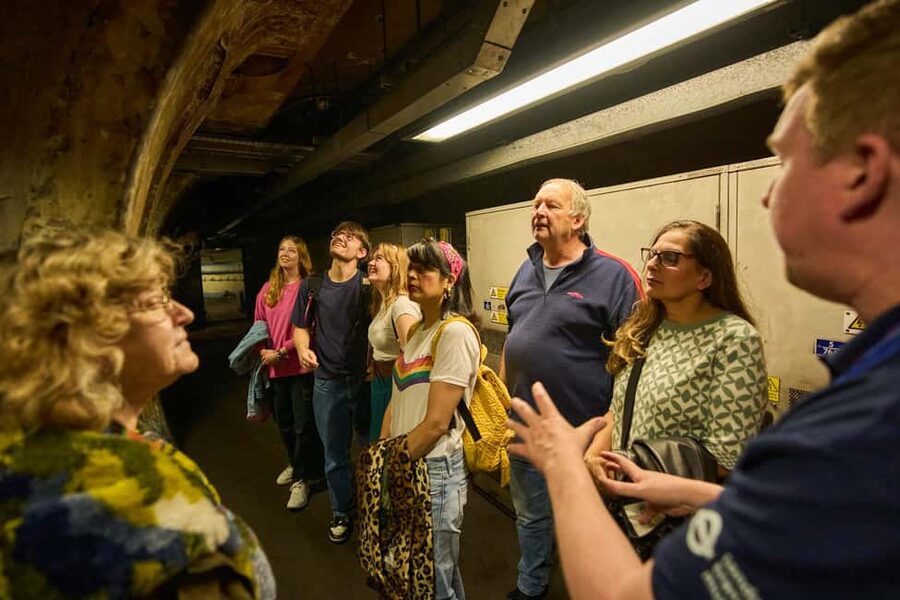
Start at Green Park station, outside the Buckingham Palace/Green Park exit by the Diana Fountain. Plan to arrive 15 minutes early so you can get sorted before the guide pulls the group in. The meeting point matters here, because once you start heading off the normal route, you’ll be moving through side doors and staff-style passages that most passengers never even notice.
This tour runs about 80 minutes, and it’s structured for a guided flow rather than free roaming. That means you’ll want to show up with comfortable shoes and a calm mindset. The pace is active, because you’ll be going from “main station energy” into older, closed corridors with stairs and uneven sections.
One thing to be ready for is atmosphere. Underground temperatures can vary, and lighting can be low. You’ll also want to keep water on hand since food and drinks are not allowed during the tour. It’s one of those experiences where the guide’s job is to keep you moving safely, and that’s exactly where the best tours win.
A few more London days worth comparing
- London: The London Eye Entry Ticket
★ 4.6 · 35,875 reviews - London: Tower of London and Crown Jewels Exhibition Ticket
★ 4.6 · 28,769 reviews - From London: Harry Potter Warner Bros Studio Tour
★ 4.7 · 26,588 reviews
Dover Street Station, Hidden Inside Green Park
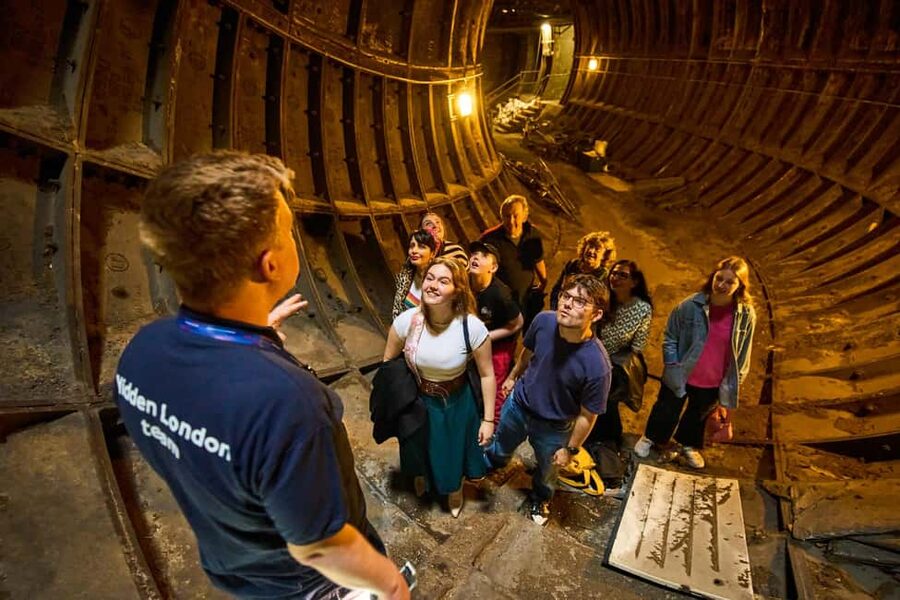
The real thrill is getting to Dover Street station, which sits inside the Green Park complex like a secret layer of London transport. Dover Street was built to serve the Great Northern, Piccadilly, and Brompton Railway, so you’re not just looking at a passageway. You’re seeing how multiple lines and ambitions got physically stitched into one underground system.
What makes this section special is the contrast. Above ground, Green Park reads like a modern station. Underground, you’re stepping into older layouts that feel purpose-built, not improvised. The tour helps you connect the dots between the station’s physical design and what London needed, first for everyday passenger rail and later for crisis management.
And yes, there’s a small social thrill too. A fun part of the experience is moving past regular commuters into entrances they wouldn’t normally use. If you’ve ever wondered how staff routes change your perception of a station, this tour answers it quickly.
Just remember, this is not a museum tour where you pause every 30 seconds. It’s a guided walk with stops, and the route keeps you close to the practical spaces that make this system work.
Passageways, Lift Landings, and the Signs You Can Still Read
Once inside the Dover Street areas, you’ll explore early 20th-century passageways and lift landings. These aren’t just “cool tunnels.” They give you a sense of how people and equipment moved when the Underground was still evolving fast.
The lift landings matter because they hint at older vertical movement design, before modern step-free expectations. You’ll likely see how circulation was engineered to manage crowds and connections, and how those choices still shape what’s visible today. Even if you don’t know engineering terms, the physical clues are clear.
Another standout is spotting original vintage signs and tiles. These are pieces that, according to the tour framing, were last seen by the public in the 1930s. That time marker helps you realize you’re not just looking at recreated surfaces. You’re looking at elements that survived and stayed in place long enough to become a time capsule.
The drawback is practical: you’re walking through spaces that are not polished for comfort. Expect uneven ground in places, low lighting, and a generally rougher feel than what you’d see on main station corridors.
Second World War Stories You’ll Actually Remember
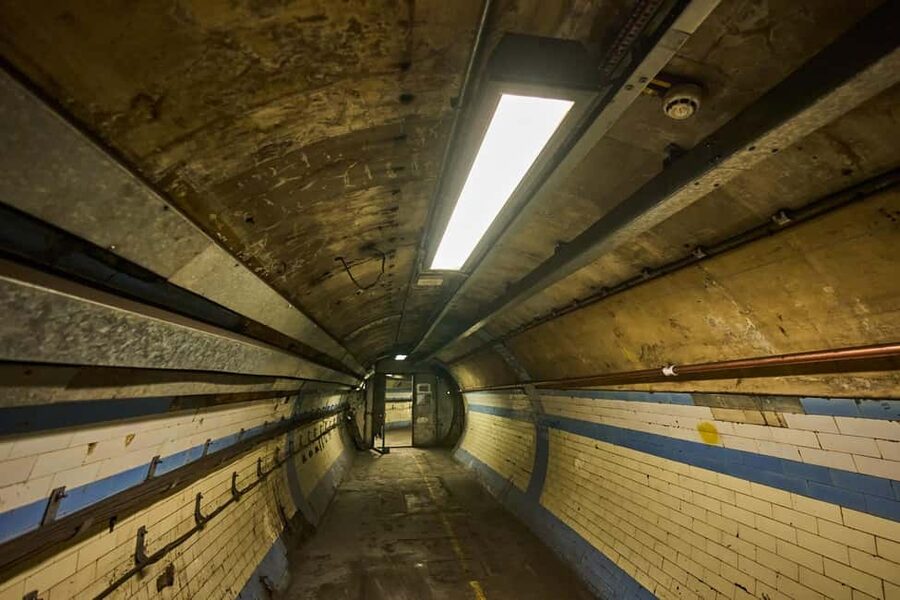
The wartime portion is the heart of why this tour feels different from a typical “underground sightseeing” outing. Dover Street played a role during the Second World War by providing a safe meeting place for the London Transport Executive Board during air raids, helping keep Underground operations running when the city was under threat.
Hearing that story while standing in the station spaces is what makes it stick. It turns the Underground from a route you use into an infrastructure system under pressure. You start thinking about how every corridor, room, and access point could become part of a plan, not just a shortcut.
There’s also a very specific detail that the tour includes: where Lord Ashfield, then chairman of the London Passenger Transport Board, had his bedroom secretly fitted at the heart of the station. That kind of detail does two things. It gives the tour a human scale, and it shows how deeply leadership and daily operations could overlap underground.
This is also where your guide’s ability to keep the group together matters. You’ll be listening in moving spaces, and the more smoothly your guide handles turns and stair sections, the more you’ll actually catch the story instead of playing catch-up.
Same corner of Britain, a different sort of outing:
- London: Westminster to Greenwich River Thames Cruise
★ 4.5 · 22,836 reviews - Magical London: Harry Potter Guided Walking Tour
★ 4.7 · 22,044 reviews - London: Madame Tussauds London
★ 4.6 · 20,915 reviews - London: Warner Bros. Studio Harry Potter Tour & Branded Bus
★ 4.7 · 19,194 reviews
Green Park’s Post-War Growth, from Old Lines to New Needs
After the wartime layer, the tour shifts to the next big phase: how Green Park expanded later to handle changing London transport demands. In the 1960s and 1970s, Green Park grew to accommodate two post-war lines, the Victoria and Jubilee lines.
What I like about this part is that it explains growth as adaptation, not replacement. You’re learning how an ageing system keeps working by building around it, and in a city like London, that’s the only way it realistically survives. Seeing the station spaces in the context of that expansion helps you understand why some sections feel tightly engineered, and why upgrades often have to work within existing geometry.
This is also the part that gives the tour modern relevance. The tour frames Green Park as part of the broader modernization effort during the post-war economic boom. It helps you connect the Underground you ride today to the planning that happened when budgets, pressures, and passenger needs were all changing.
If you’re the kind of person who likes transport history but hates purely academic lectures, this is where the balance works. You’re given enough context to make sense of the structures you see.
Ventilation Tunnels Behind the Platforms, Plus a Secret Shaft View
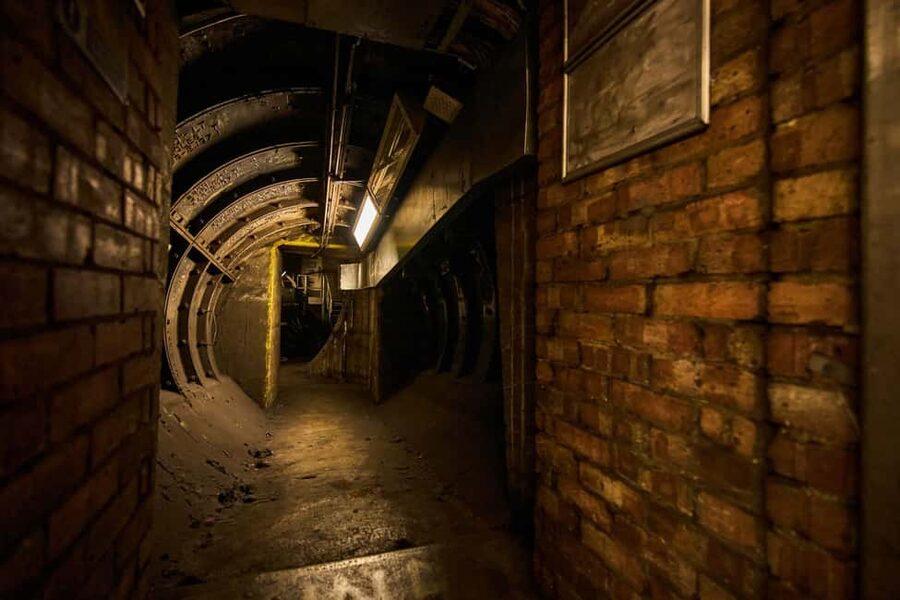
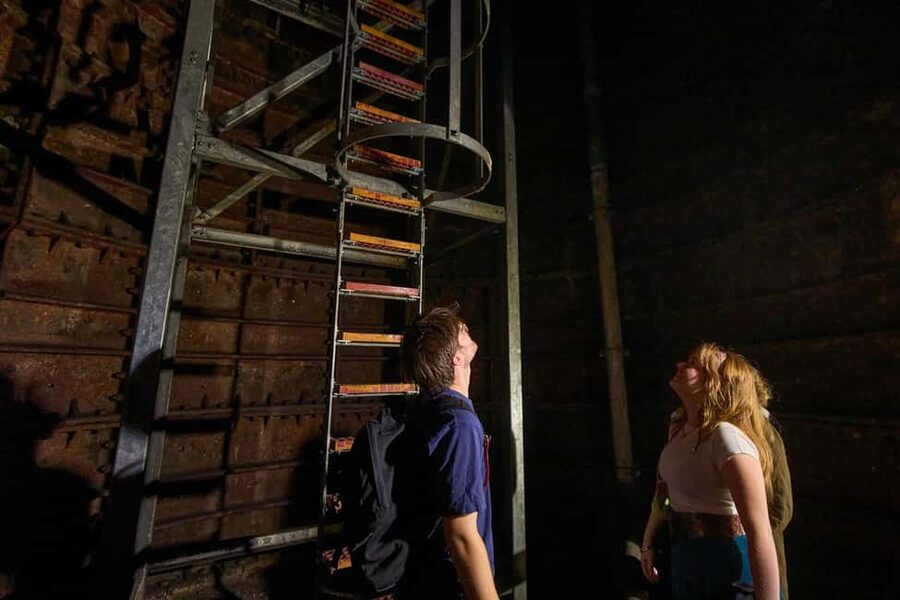
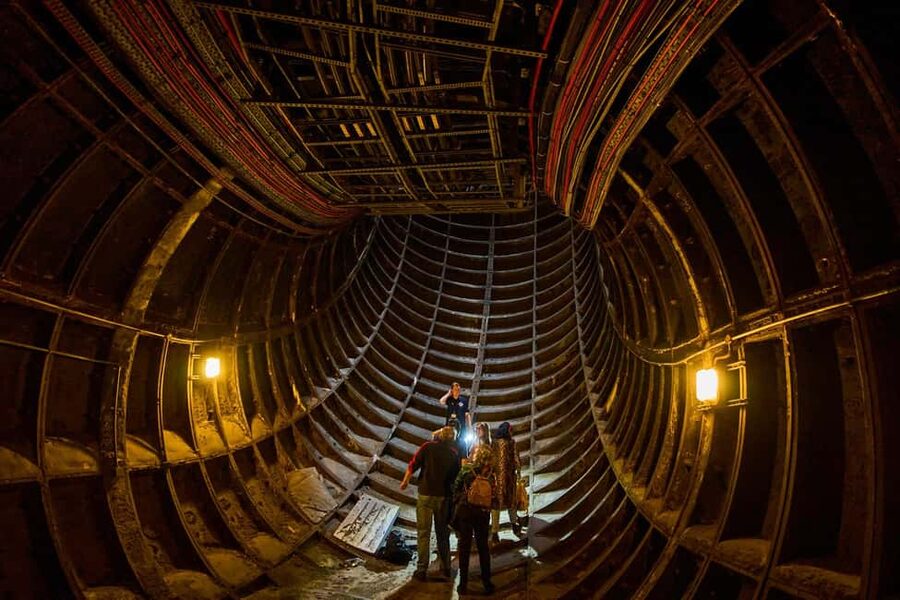
The ending is all about how the Underground stays breathable. You step into the large ventilation tunnels that hide behind the platforms. These tunnels provide essential air cooling for the Victoria and Jubilee lines, which means you’re looking at infrastructure that keeps trains running comfortably and safely.
From a visitor perspective, this is a great way to end, because it answers a practical question you might never ask on your daily commute. How does air move through all that concrete and steel? The tour shows you a piece of the answer, without turning it into a technical class.
You’ll also get a unique view from a secret ventilation shaft, looking down toward Tube trains in a way that’s normally closed off to the public on the platforms. Even if you’ve taken photos near platform edges before, this angle feels different, because you’re seeing the station as a layered system, not a single corridor.
The only real “watch-outs” here are comfort and movement. Ventilation areas can feel colder or stuffier depending on conditions, and you’ll still be on your feet. Wear shoes you trust, and be ready for stairs and low-light areas again as you loop back through the route.
Price and Value: Is $62 Worth It?
At $62 per person for 80 minutes, the price lands in the “special experience” range. The question is whether you’re paying for access and guidance, or just for a story. In this case, you’re paying for both, and the value comes from access.
Included in the tour:
- Guided tour of Dover Street station
- Access to closed passageways and lift landings
- Wartime stories and historical insights
- A view of secret ventilation shafts and corridors
That mix is what makes the cost feel justified. You’re not just hearing facts while staying in the public station. You’re walking through areas that are normally off limits, including older structures and ventilation spaces that directly connect to how the system operates.
What’s not included is also part of the calculation: no transportation to and from the station, and no food or drinks. So treat this as a focused appointment on your schedule. If you already plan to spend time in the area, your “extra cost” is mostly the guided access and the time.
If you like history, transport design, or the feeling of seeing a city’s hidden workings, this is a strong use of one ticket day.
Who This Tour Suits Best (and Who Should Skip It)
This tour is best for people who enjoy a hands-on history experience. You’ll get the most out of it if you like:
- Underground architecture and old signage
- World War II stories tied to real places
- Seeing how stations evolved to serve new lines and needs
- Walking with a guide through spaces that feel authentic, not staged
It’s not for everyone. The tour is not suitable for children under 10. It’s also not suitable for people with mobility impairments, wheelchair users, claustrophobia, or respiratory issues. The tour also involves a lot of walking, uneven ground, low lighting, and stairs, with no elevators.
There’s also a child-to-adult limit: a maximum of four children aged 10 to 15 per adult. If you’re traveling with a mixed group, this matters for planning.
My practical advice is to be honest about comfort. If you know stairs and tight or low-lit spaces are difficult for you, skip it. If you’re comfortable with that kind of underground walking, you’ll likely have a memorable, different kind of London morning or afternoon.
Booking Decision: Should You Book This Hidden Tube Tour?
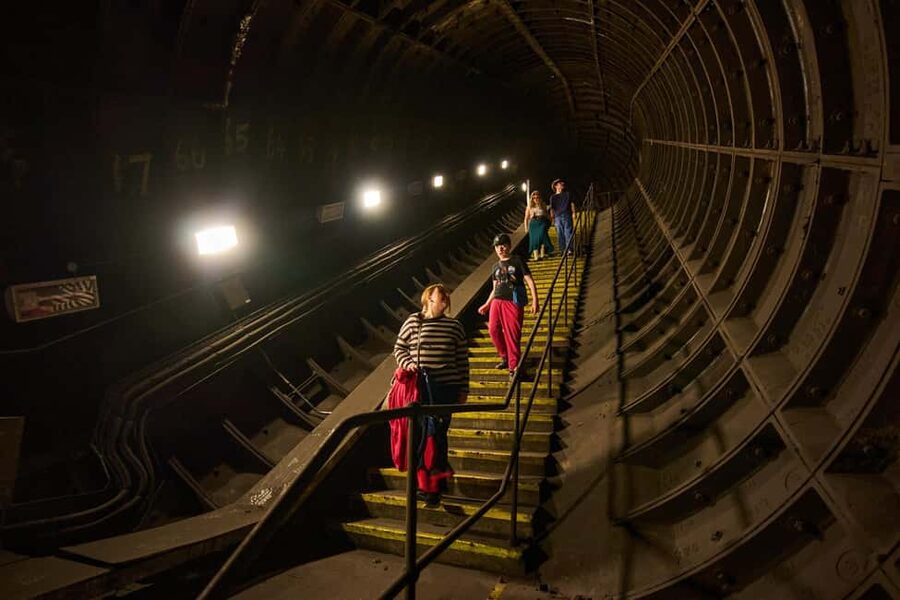
Book this tour if you want a guided way to see the Underground as infrastructure, not just transit. The combination of Dover Street station access, vintage signage and tiles, specific wartime details, and the ventilation tunnels makes it feel like more than a history talk.
Skip it if you need step-free access, have respiratory or claustrophobia concerns, or you know you can’t handle stairs, uneven ground, and low lighting. Also skip if you’re expecting a clean, relaxed museum vibe. This experience is gritty in the way real working stations and older passages can be.
If you’re the type who enjoys “how it works” history and likes being led through places most people miss, this one is a great match.
FAQ
Where is the meeting point for the tour?
The meeting point is outside the Buckingham Palace/Green Park exit at Green Park station, by the Diana Fountain.
How long is the London Hidden Tube Tour at Green Park Station?
The tour lasts 80 minutes.
What does the tour include?
It includes a guided tour of Dover Street station, access to closed passageways and lift landings, wartime stories and historical insights, and a view of secret ventilation shafts and corridors.
What is not included?
Transportation to and from the station, and food and drinks are not included.
Is the tour guided and in English?
Yes, it is a live guided tour in English.
Can I take photos during the tour?
Photography is allowed, but flash photography is not permitted in certain areas.
What should I bring?
Bring a passport or ID card, comfortable shoes, and water. Children also need a passport or ID card.
Are food or luggage allowed?
Food and drinks are not allowed. Luggage or large bags are also not allowed.
Is the tour suitable for young children or people with mobility issues?
The tour is not suitable for children under 10, people with mobility impairments, or wheelchair users.
What about claustrophobia or respiratory issues?
The tour is not suitable for people with claustrophobia or people with respiratory issues.
Newly listed near London
- Women in art – National Gallery★ 5.0 · 3 reviews
- Woking: Royal Horticultural Society Wisley Garden Ticket★ 4.7 · 24 reviews
- Windsor Stonehenge Bath Private Tour from London with Passes★ 4.8 · 5 reviews
- From London: Windsor, Stonehenge & Oxford Private Car Tour★ 3.5 · 4 reviews
- Windsor Castle Tour with Fish and Chips Lunch in London★ 4.4 · 25 reviews
- Windsor Castle & Hampton Court Palace VIP Black Taxi Tour★ 4.9 · 14 reviews
- From London: Windsor Castle, Bath, and Stonehenge Day Trip★ 4.4 · 153 reviews
- Windsor Castle and Buckingham Palace Full-Day Tour★ 4.4 · 71 reviews
London Tours, compared.

Tower of London and Crown Jewels Exhibition Ticket
Read our review →
Westminster to Greenwich River Thames Cruise
Read our review →
Magical London: Harry Potter Guided Walking Tour
Read our review →
Warner Bros. Studio Harry Potter Tour & Branded Bus
Read our review →