Review · LONDON TOURS
London: Hidden Tube Tour of Holborn’s Secret Platforms
The Holborn underground has secret rooms. I love the backstage access and the way the London Transport Museum guide turns a working interchange into a living story. I also love seeing the Aldwych branch spaces that have been off limits for nearly 30 years.
Just note this tour is not gentle on your feet. Expect a lot of walking in low light and across uneven ground, with stairs and no elevators, so it is a poor match if you struggle with steps or tight areas.
In This Review
- Quick hits on Holborn’s Hidden Tube tour
- Where this tour takes you: Holborn Station, but in the dark
- Meeting Gate Street and the real rhythm of an 85-minute visit
- The 1906 start: four Piccadilly platforms and a station built to evolve
- Stepping through concealed doors: the disused areas you rarely get to see
- The Aldwych branch platforms, closed for decades
- Leslie Green Edwardian design details you can actually spot
- An unexpected view of the Piccadilly line while you’re in the disused world
- From labs to wartime shelter: how London repurposed these spaces
- The 1930s modernization, and why British Museum station had to close
- Today’s signalling upgrade: why Holborn still matters for the Underground
- Price and value: is $60.61 for 85 minutes fair?
- Practical tips before you go (and who should pass)
- Should you book Holborn’s Secret Platforms?
- FAQ
- How long is the London Holborn Hidden Tube tour?
- Where do I meet, and where does the tour end?
- What’s included in the price?
- Is the tour suitable for children?
- What restrictions should I know about?
- Can I cancel and get a refund?
Quick hits on Holborn’s Hidden Tube tour
- Backstage access behind a central London station that still runs trains above you
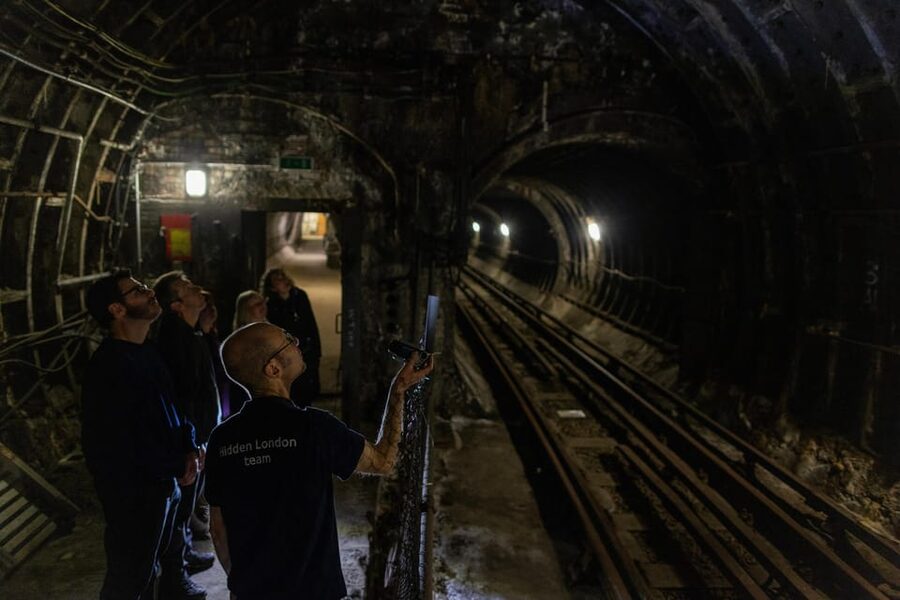
- Aldwych branch platforms closed for decades, including original Edwardian design details
- Piccadilly line views from an unexpected angle while you’re in the disused areas
- Real-world stories tied to the Blitz, scientific labs, wartime shelter, and even a model rail club
- Past meets present with the 1930s modernization story and today’s signalling upgrades
Where this tour takes you: Holborn Station, but in the dark
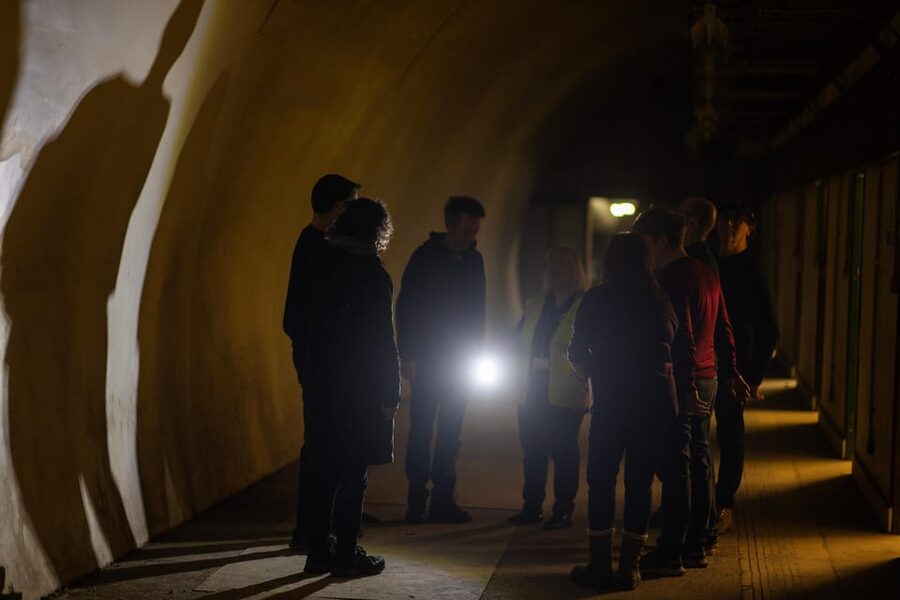
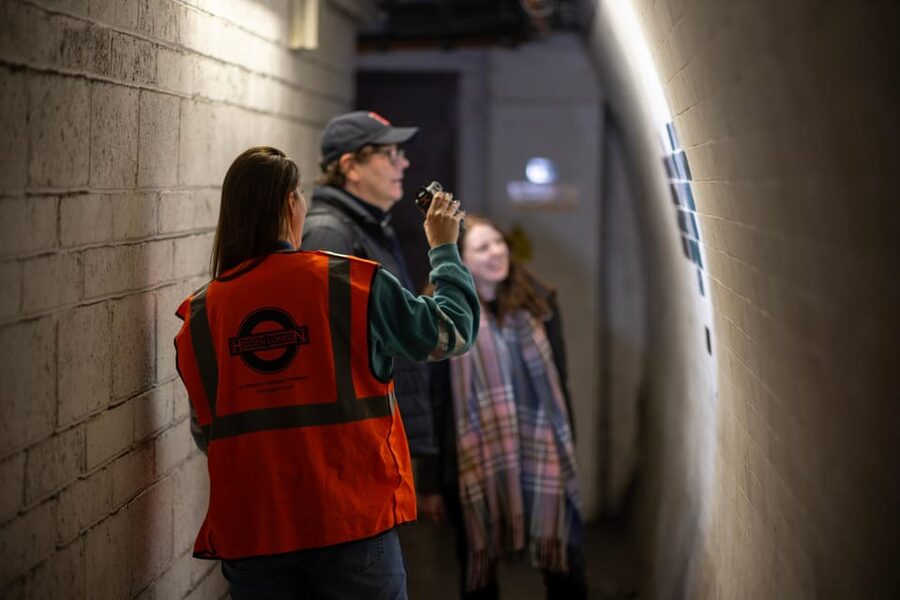
Holborn looks ordinary from the platform, but the Hidden Tube tour treats it like a time capsule with doors you normally never see. You are stepping into disused areas behind the station, places that have stayed out of the public eye for years, even while commuters move past overhead.
The best part for me is that you’re not just looking at old signage. You’re getting a guided interpretation of how this station grew, shifted, and got reused when London changed. That context makes the architecture feel more human, like you’re seeing the station through the eyes of the people who worked there.
And because this is run by the London Transport Museum, the explanations tend to be practical, clear, and grounded in how transport actually works. That matters when you are standing in spaces where the purpose is not obvious at first glance.
A few more London days worth comparing
- London: The London Eye Entry Ticket
★ 4.6 · 35,875 reviews - London: Tower of London and Crown Jewels Exhibition Ticket
★ 4.6 · 28,769 reviews - From London: Harry Potter Warner Bros Studio Tour
★ 4.7 · 26,588 reviews
Meeting Gate Street and the real rhythm of an 85-minute visit
You meet at the corner of Gate Street and Kingsway, WC2B 6AA (what3words: ///towers.rift.forest.). The tour returns you to that same meeting point, so you can plan your next stop nearby without guesswork.
The total time is 85 minutes, which is long enough to take in multiple spaces but short enough that you should not feel trapped. Still, it is a walking-focused tour. You’ll be moving through indoor station back areas with low lighting and stairs, and there are no elevators.
A small but important thing to plan around: bring water, and wear shoes that can handle uneven ground. Leave big bags and anything you can’t comfortably carry at home, because food and drinks are not allowed, and luggage or large bags are also not allowed.
The 1906 start: four Piccadilly platforms and a station built to evolve
The story begins at the start, when the station first opened in 1906 as a complex of four platforms serving the Piccadilly line. Your guide frames Holborn as more than a stop, it was part of a bigger plan to reshape the surrounding area and make it work for business life in central London.
Once you’re inside the disused spaces, that early layout matters. You can actually connect the design choices from the past to what you are seeing now. It stops being abstract transport history and turns into something physical.
I also like how the tour explains that stations are never finished products. They keep being reworked, repurposed, and updated. When you learn that, the odd corners and hidden passages start to feel logical instead of random.
Stepping through concealed doors: the disused areas you rarely get to see
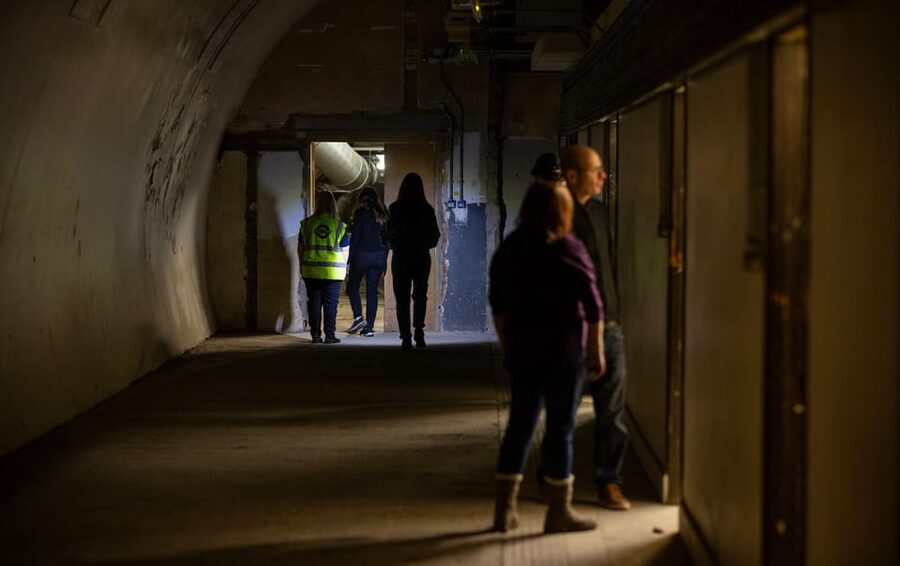
The core promise here is access. You step behind concealed doors with an expert guide and into the disused areas behind the station. Some areas have not been seen by the public in nearly 30 years, which gives the tour a strong sense of scale and restraint.
From a visitor perspective, the disused nature of these spaces can be eerie, but it is also what makes the experience valuable. You’re seeing architecture and infrastructure that no longer serves passengers directly, so you get to study the bones of the system.
One practical note: low lighting and uneven ground are part of the deal. If you’re the type who needs bright, open spaces, you might feel a bit out of your comfort zone. But if you like guided history with real atmosphere, this setting is the whole point.
Same corner of Britain, a different sort of outing:
- London: Westminster to Greenwich River Thames Cruise
★ 4.5 · 22,836 reviews - Magical London: Harry Potter Guided Walking Tour
★ 4.7 · 22,044 reviews - London: Madame Tussauds London
★ 4.6 · 20,915 reviews - London: Warner Bros. Studio Harry Potter Tour & Branded Bus
★ 4.7 · 19,194 reviews
The Aldwych branch platforms, closed for decades
This is the tour’s headline section. You’ll see two closed platforms from the former Aldwych branch line, a little-used branch that most people never hear about.
Standing where the trains used to arrive and leave, you get a different kind of train-spotting satisfaction. Instead of scanning tracks from the public view, you’re looking at the station as a working interface that has been shut down, preserved by neglect and protected by being forgotten.
Your guide also points out vintage posters, which help you picture the station when it was active. The visuals are not just decorative, they support the story of how the space was used and perceived at the time.
Even better, you’re not only seeing the platforms. You’re learning why they ended up closed and how they connected to the bigger changes across London Underground.
Leslie Green Edwardian design details you can actually spot
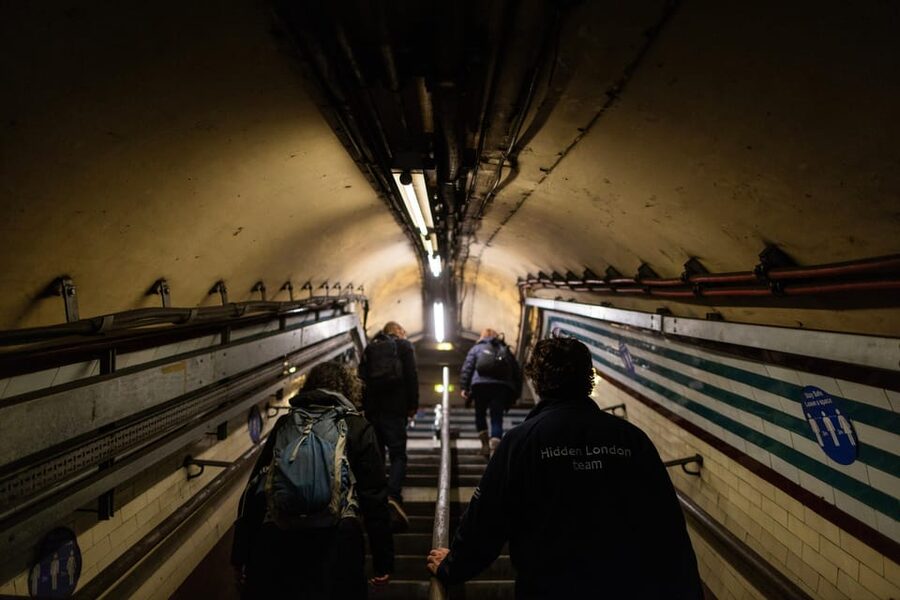
In many transport museums, the design comes to you in photos. Here, you can see the early 20th century design elements in context.
You’ll get to see original Leslie Green Edwardian design details in the station spaces. That kind of architecture can look like a “style” on paper, but in person it helps you understand how stations communicated identity, function, and status in their era.
You’ll also see an original early 20th century signalling cabin. That is a big deal for people who like the behind-the-scenes mechanics of railways. It gives the story a backbone, because signalling is the invisible system that turns tracks into a working timetable.
When you notice these design details, the tour becomes more than walking. It becomes pattern recognition, like you’re training your eye for how transit design works.
An unexpected view of the Piccadilly line while you’re in the disused world
One of the most fun surprises is getting an unexpected view of the Piccadilly line while you’re exploring the disused areas. It helps you connect two realities at once: the station as a live system above, and the older, inactive spaces below.
This contrast is why the tour clicks for many people. You’re not watching history from a distance. You’re standing in it, while the modern operation continues nearby.
It also helps you understand how a station can be both layered and functional. Old sections can stay in place while new parts take over, and the system can keep running without erasing everything from previous eras.
From labs to wartime shelter: how London repurposed these spaces
This tour does a great job showing that transport infrastructure often becomes general-purpose infrastructure in a crisis. You’ll hear about surprising uses over the years, including scientific laboratories, shelter for London Transport staff during wartime, and even housing a model rail club.
That variety matters. It proves the point that stations and their back rooms were part of London’s daily survival toolkit, not just passenger movement. If you’ve ever wondered why you find odd rooms behind working facilities, this is the explanation.
You’ll also hear first-hand accounts, shared through the guide’s storytelling, about what staff members may have felt working there during the height of the Blitz. Even without seeing those moments, the tour helps you imagine the pressure and the routine, because the spaces themselves feel built for intense use.
I find those sections hit hardest because they remove the distance people put between transport and real life. A station is not just steel and schedules. It’s where people go to work, hide, and keep things operating.
The 1930s modernization, and why British Museum station had to close
The tour connects the Aldwych story to a larger transformation: the modernization program of the 1930s. Your guide explains that this big upgrade led to the closure of the nearby British Museum station.
You can think of it as London deciding what to keep and what to simplify. Modern signalling, new operational needs, and changing passenger patterns all push decisions. When you know that, the closures stop feeling like random facts and start looking like part of a system-wide logic.
This context is also helpful for modern visitors. If you’ve used London Underground and wondered why certain stations or lines feel like they were built at different “speeds,” this tour offers a clear example of what drives that shift.
It’s one of the ways the Hidden Tube tour gives value beyond the novelty of being in restricted spaces.
Today’s signalling upgrade: why Holborn still matters for the Underground
The story doesn’t end in the past. You’ll learn how the station still plays a key role in the future of the London Underground as part of a massive upgrading project for the signalling system.
That connection is what makes this tour feel relevant instead of purely nostalgic. The station may have disused areas, but the brain of the Underground still relies on upgrades and modernization at specific sites.
When your guide ties the older signalling cabin to the present-day signalling work, you get a satisfying through-line. The tech changes, the goal stays similar: safer, smoother movement.
If you like understanding how today’s systems are built on yesterday’s groundwork, this part is one of the strongest.
Price and value: is $60.61 for 85 minutes fair?
At $60.61 per person for an 85-minute guided tour, the cost is not “cheap,” but it can be good value for the right traveler. You’re paying for access to spaces that are not open to the public, plus expert guidance through multiple themed areas.
You also get a lot of variety in that time. You’re moving through disused station zones, seeing closed Aldwych platforms, spotting design details, and then connecting it all to bigger stories like wartime reuse, 1930s modernization, and present-day signalling upgrades.
If your ideal London day is a long museum visit with lots of reading, you might not love the pace. But if you want a guided, physical experience that combines architecture, real infrastructure, and human stories, the pricing starts to make sense.
My practical take: it’s worth it when you’re the type who likes transport details, enjoys history that explains systems, and can handle walking in low light.
Practical tips before you go (and who should pass)
Wear comfortable shoes with good grip. The tour involves walking in areas with uneven ground, low lighting, and stairs, and there are no elevators. Bring water, and plan to keep it simple, because food and drinks are not allowed.
You also need ID, a passport or ID card. Open-toed shoes are not allowed, and luggage or large bags are not allowed. If you’re planning to travel light that day, you’ll have a smoother time.
This tour is not suitable for people with mobility impairments or for people with claustrophobia. If you have any doubt about tight spaces or stepping on uneven surfaces, treat this as a serious consideration, not an afterthought.
For families, it’s for older kids only. Children under 10 are not suitable, and there is a maximum of four children aged 10 to 15 per adult.
If your group includes someone who is nervous about stairs, dim corridors, or enclosed areas, you might want to choose a different London Underground experience that is more accessible.
Should you book Holborn’s Secret Platforms?
Book it if you want something different from standard sightseeing. This tour gives you access, contrast, and explanation, all in one compact 85-minute slot.
You’ll get the most out of it if you like transport infrastructure, enjoy stories that connect design to real life, and are comfortable moving through older station spaces with stairs and low light. If you dislike that kind of environment, or you need step-free access, pass and pick something more suitable.
If you’re in London for a short trip and already plan to visit major attractions, this is the kind of experience that adds variety without taking over your whole day. It’s focused, specific, and very “London Underground,” in the best way.
FAQ
How long is the London Holborn Hidden Tube tour?
The tour lasts 85 minutes. Starting times vary, so you should check availability for the schedule.
Where do I meet, and where does the tour end?
Meet at the corner of Gate Street and Kingsway, WC2B 6AA. The tour ends back at the same meeting point.
What’s included in the price?
The guided walking tour is included. Pickup and drop-off are not included.
Is the tour suitable for children?
Children under 10 years old are not suitable. For kids aged 10 to 15, there is a maximum of four children per adult.
What restrictions should I know about?
You should bring a passport or ID card and wear comfortable shoes, and bring water. Food and drinks are not allowed, luggage or large bags are not allowed, and open-toed shoes are not allowed. The tour is not suitable for people with mobility impairments or for people with claustrophobia.
Can I cancel and get a refund?
Yes. Free cancellation is available up to 24 hours in advance for a full refund.
Newly listed near London
- Women in art – National Gallery★ 5.0 · 3 reviews
- Woking: Royal Horticultural Society Wisley Garden Ticket★ 4.7 · 24 reviews
- Windsor Stonehenge Bath Private Tour from London with Passes★ 4.8 · 5 reviews
- From London: Windsor, Stonehenge & Oxford Private Car Tour★ 3.5 · 4 reviews
- Windsor Castle Tour with Fish and Chips Lunch in London★ 4.4 · 25 reviews
- Windsor Castle & Hampton Court Palace VIP Black Taxi Tour★ 4.9 · 14 reviews
- London: Windsor Castle & Tower of London Tour with Tickets★ 3.3 · 15 reviews
- From London: Windsor Castle, Bath, and Stonehenge Day Trip★ 4.4 · 153 reviews
London Tours, compared.

Tower of London and Crown Jewels Exhibition Ticket
Read our review →
Westminster to Greenwich River Thames Cruise
Read our review →
Magical London: Harry Potter Guided Walking Tour
Read our review →
Warner Bros. Studio Harry Potter Tour & Branded Bus
Read our review →