
Review · MUSEUMS
London: Household Cavalry Museum Entry Ticket
Horses in Whitehall, up close. The Household Cavalry Museum is a living museum inside Horse Guards, where you can see the working Household Cavalry and connect the regiments to the people and routines behind them. It is not just look-and-leave history, it is a chance to watch what still happens here.
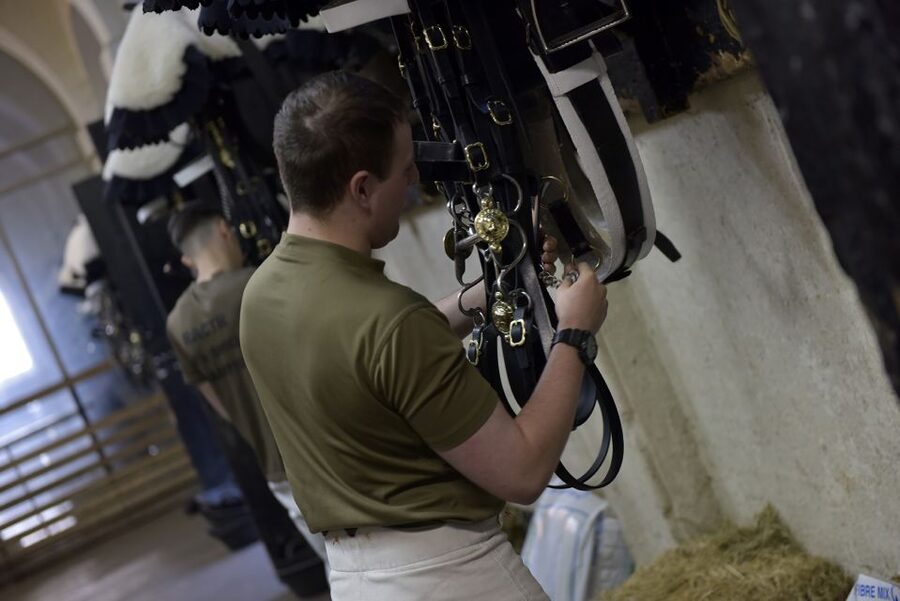
I particularly love the glazed partition view into the original 18th-century stables. It gives you a clear window onto the troopers and horses without turning your visit into guesswork. I also like the way the museum uses personal stories and first-hand accounts to explain the demanding training.
One consideration: there is no tour guide included, and the visit is built for a self-guided pace. If you want lots of live narration or a very long museum crawl, you may feel you went through it too quickly.
In This Review
- Key highlights to plan around
- Horse Guards in Whitehall: where the experience really begins
- Peeking into the 18th-century stables from behind the glass
- Museum stories that connect training to real life
- The 1750 Horse Guards building and the Household Division’s ongoing job
- Rare objects on display: what to look for during your visit
- How long to plan, and how to pace the hour
- Price value at about $14 per person
- Wheelchair access and animal-friendly rules
- Who should book this ticket, and who might skip it
- Should you book the Household Cavalry Museum entry ticket?
- FAQ
- Where is the Household Cavalry Museum ticket valid?
- How long should I plan to spend there?
- Is a tour guide included with the ticket?
- Is the museum wheelchair accessible?
- Are pets allowed?
- Do I need to pick a specific time slot?
- What languages are available?
- What is the cancellation policy?
- Is there anything included besides entry?
Key highlights to plan around
- Working stables views through a large glazed partition that helps you understand what you are seeing
- Personal stories and first-hand training accounts that make the Household Cavalry feel real
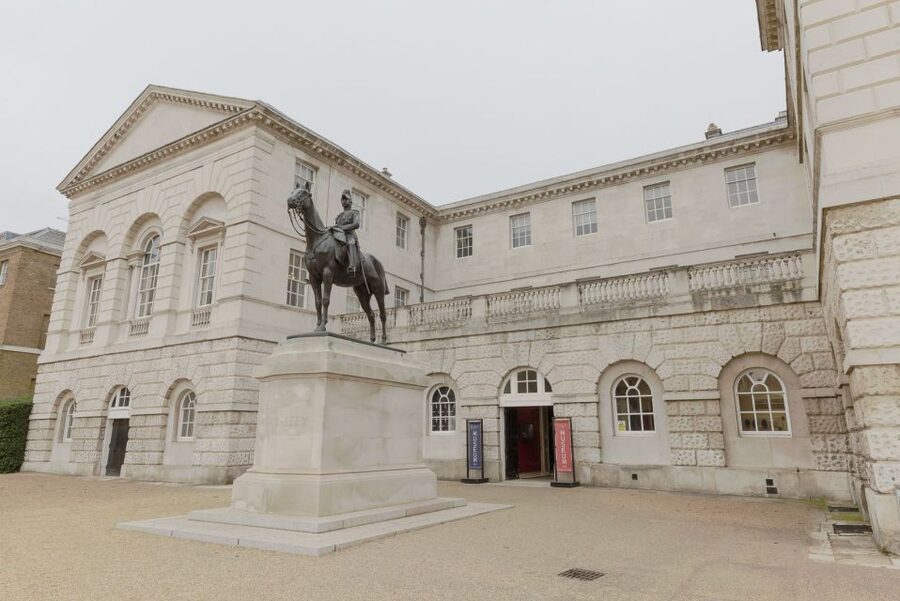
- An 18th-century building from around 1750 that still serves as part of the Household Division headquarters
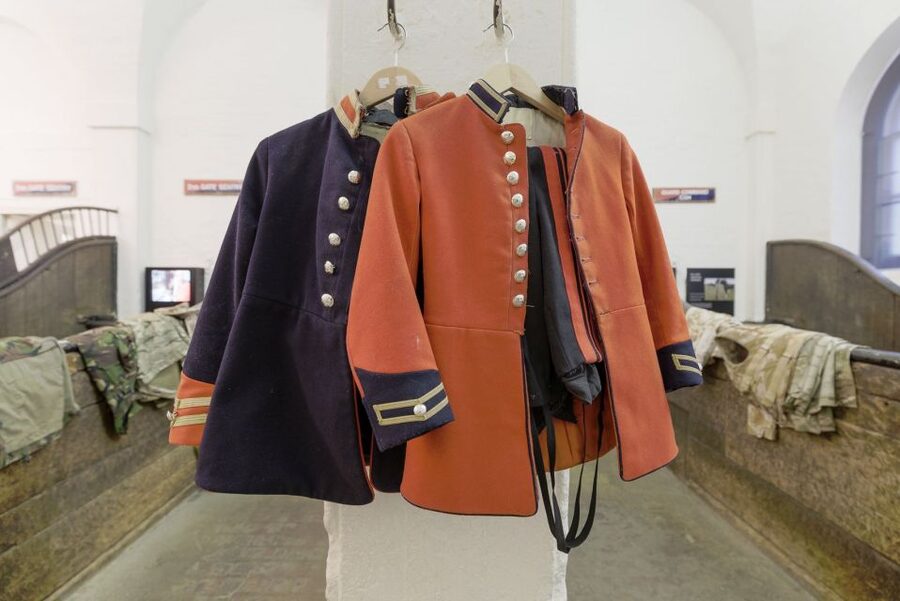
- Rare objects, with many items on public display for the first time
- Two senior regiments in focus, the Life Guards and the Blues and Royals
Horse Guards in Whitehall: where the experience really begins
This ticket takes you straight into the Household Cavalry Museum located in Horse Guards in Whitehall, central London. That matters because you are not visiting a separate building that only imitates a stable, you are getting the museum housed in the kind of setting the Household Division still uses.
I recommend you treat the start as more than a ticket scan. Give yourself a moment to orient, because this is one of those places where the building itself is part of the story. You are in a historic structure dating from 1750, and the museum uses that backdrop to link the past to the present-day work of the cavalry.
Plan on spending at least an hour. That is plenty of time to see the stables view and still read enough to learn something. But if you are slow with exhibits, or you like to watch carefully, add another 15 to 30 minutes.
More Museum Tours in London
- London: Tower of London and Crown Jewels Exhibition Ticket
★ 4.6 · 28,769 reviews - London: Chelsea Football Club Stadium and Museum Tour
★ 4.8 · 4,576 reviews - London Transport Museum Entrance Ticket
★ 4.5 · 1,323 reviews
Peeking into the 18th-century stables from behind the glass
The big draw is the stables viewing area. You can look through a large glazed partition into the original 18th-century stables, which is a clever setup for visitors. It gives you a front-row-like view while keeping the museum and stable functions separated.
What I like here is how the view changes your understanding of the rest of the museum. Without this window, the Household Cavalry can sound like a set of titles and uniforms. With the stables in view, you connect the training and discipline to something tangible: horses, routines, and real working troopers.
You should also watch your posture and sightlines. The viewing area is the kind of space where standing a step too far to the side can make the horses harder to see. I suggest you position yourself, then stay put long enough to notice patterns, like how the space is organized and how the troopers move through it.
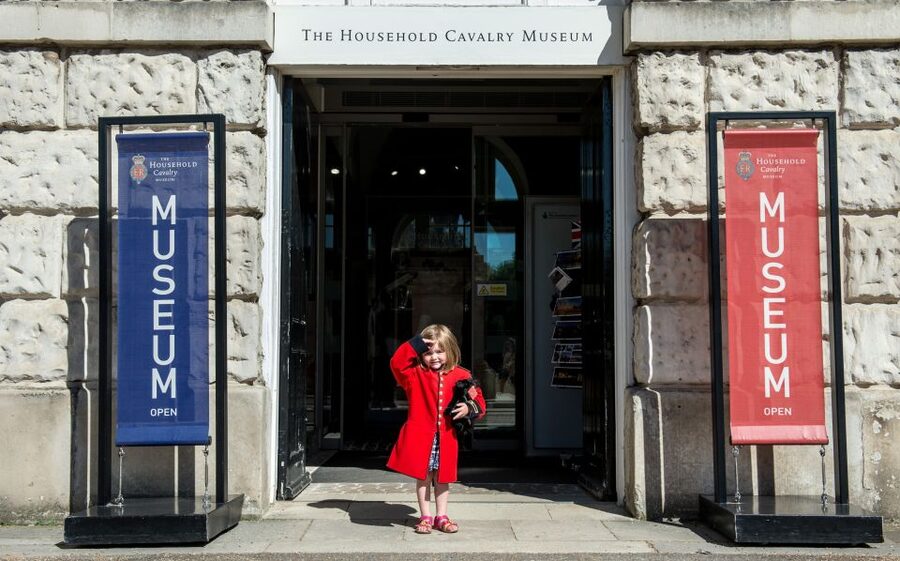
If you are visiting with kids, this is where you will earn the biggest smiles. Even when children are not reading every label, they can still grasp the basic idea: these are working animals and trained people, not costumed actors.
Museum stories that connect training to real life
Step from the stables view into the museum galleries and you will get the human side. The museum shares compelling personal stories and first-hand accounts, focused heavily on rigorous training and what the troopers go through.
I find this section more valuable than it sounds at first. Museums often talk about history in broad strokes, but training details turn the story into a daily reality. When you hear about demanding routines, you start understanding why the Household Cavalry’s standards have such a long reputation.
Look for the interactive displays. The goal is not to click through everything as fast as possible. Instead, use them to build a timeline in your head: what came before, how training evolved, and how the Household Division fits into the larger British Army story.
Also, pay attention to the tone of the descriptions. The museum is not just listing artifacts, it is guiding you to interpret what those objects represent in the larger system of duty, discipline, and service.
The 1750 Horse Guards building and the Household Division’s ongoing job
One reason this ticket feels different from many London history stops is the building itself. The museum sits inside a historic structure from around 1750, and it is still linked to the headquarters of the Household Division.
That continuity is powerful. You are learning in the same general environment where the Household Cavalry has performed the Queen’s Life Guard for over 350 years. Even if you are not deep into royal history, that long performance tradition helps you understand how ceremonial roles can also be professional and operational.
The museum also places the spotlight on two senior regiments of the British Army: the Life Guards and the Blues and Royals. For you, this is a useful way to get your bearings. Instead of drowning in names, you walk away with a clearer idea of the groups that make up the Household Cavalry world.
If you like British military history, this section is where you can connect museum objects to the bigger institutional picture. If you do not, it still helps you avoid feeling lost, because it frames what matters and who the main players are.
More museum visits in London:
- London: British Museum Guided Tour
★ 4.3 · 1,182 reviews - London: British Museum Guided Tour with Entrance Tickets
★ 4.9 · 748 reviews - London: Tour of the British Museum
★ 4.1 · 678 reviews - Afternoon Tea at the British Museum
★ 4.2 · 511 reviews
Rare objects on display: what to look for during your visit
The museum highlights stunning rare objects, and it notes that many are on public display for the first time. That detail changes how you should approach the visit.
Don’t treat the museum like a quick photo stop. Build in time to slow down in the rooms where objects are displayed, especially if you care about craftsmanship, uniforms, and the material culture of cavalry life. Even short pauses help, because these exhibits reward reading and looking carefully.
Interactive displays also matter here, because they give context for the objects. When you connect an item to training practices, or to the role of a specific regiment, the artifact becomes more than a static item behind glass.
A small but practical tip: if you see a display that looks like it has layers of information, start with the simplest label first, then return for the details. That reduces the chance you overwhelm yourself and miss the point.
How long to plan, and how to pace the hour
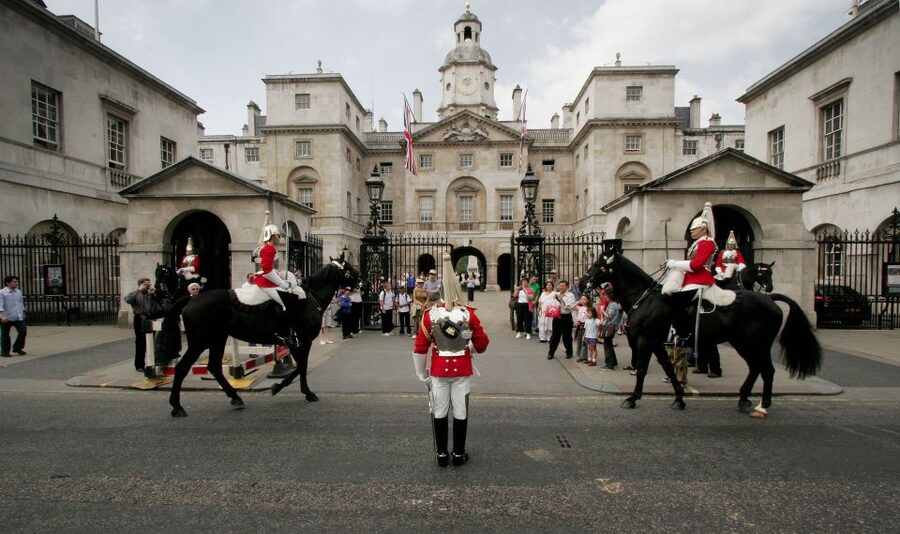
The museum recommends allowing at least 60 minutes. In practice, I think this is the right minimum if you want a satisfying visit without rushing.
Here is a straightforward way to pace it:
1) Start with the stables view through the glazed partition, so you anchor the story in the working setting.
2) Move into the museum and focus first on the personal stories and training accounts.
3) Spend your remaining time on interactive displays and the rare objects.
The main reason to do stables early is mental. When you begin the museum with the “working” part, the training and artifacts make more sense. If you do it the other way around, the exhibits can feel more abstract until you eventually reach the stables.
Also, this is a self-directed visit. Since no tour guide is included, you will rely on exhibit text and interactive elements. If that is not your style, you may need to spend a little extra time reading so you do not feel like you only skimmed the surface.
Price value at about $14 per person
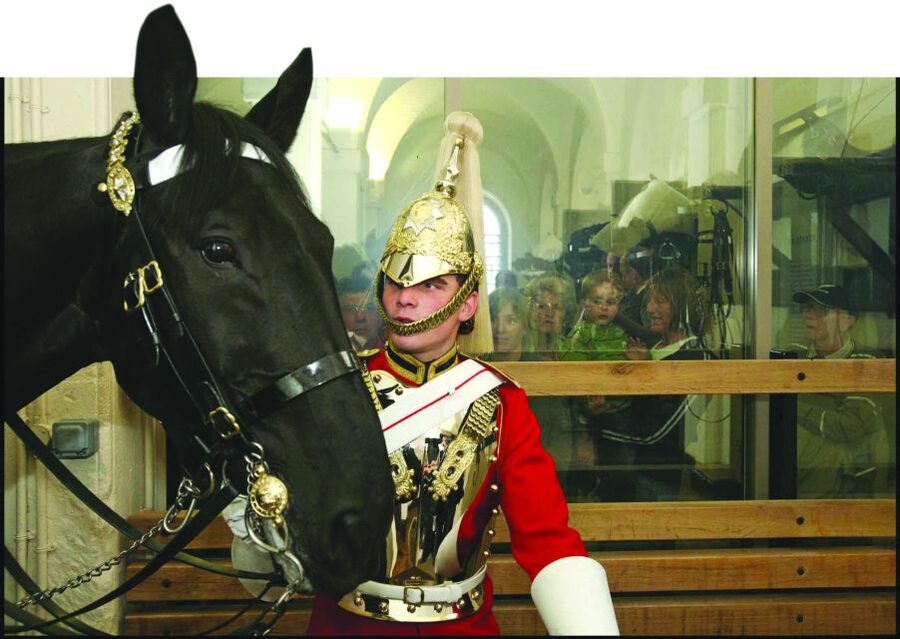
At around $14 per person, this ticket can feel like a great deal for central London, especially because you are not just looking at history in a room. You are getting access to a working Household Cavalry environment and a museum experience housed in the historic Horse Guards building.
The value is strongest if you care about any of these:
- British military history
- the Household Division and its senior regiments
- the relationship between training and daily work
- horses and stable life as a living practice
If you are the type who wants lots of space, long timelines, and a big museum footprint, the price might feel less like a bargain. Some visitors can find the museum compact, so set expectations for an hour-plus experience focused on quality and access, not a full-day museum marathon.
For families, the value often lands well because the stables view is instantly understandable, and the museum includes training stories that can be explained in kid-friendly ways if you read out loud or point out details.
Wheelchair access and animal-friendly rules
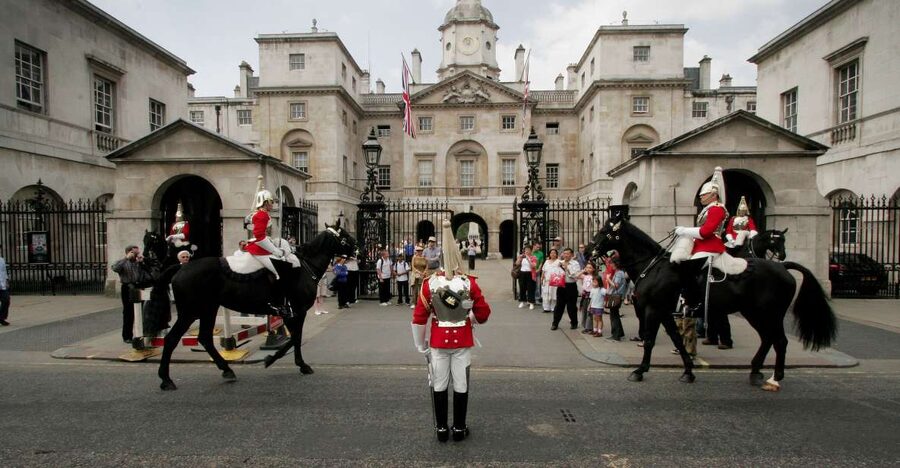
This experience is wheelchair accessible, which is great news for anyone planning a visit with mobility needs. The stables viewing setup is also designed to be visible through glass, which can help many visitors get a clear line of sight.
For animal lovers, there is one rule you should note. Pets are not allowed, but assistance dogs are allowed. If you are traveling with a service animal, plan to follow staff guidance on where and how to move during the visit.
Who should book this ticket, and who might skip it
You should book if you want:
- a London history stop that still connects to daily working cavalry life
- a museum that emphasizes personal training stories rather than only dates and locations
- a short, focused visit that still feels meaningful
It is also a strong fit for kids, mainly because the stables and working troopers and horses are visually engaging. You can keep the visit simple and just concentrate on what you see, then add the explanation part as you feel like it.
You might consider something else if you are expecting a guided tour with lots of live explanation, because there is no tour guide included. Also, if your ideal museum is huge and you plan to spend several hours, this may feel short. The time recommendation of about 60 minutes is a clue that the museum is designed to be efficient.
Should you book the Household Cavalry Museum entry ticket?
My take: yes, I think it is worth booking if you like British military history or you simply want an unusual London experience that is not staged. The combination of a historic 1750 setting, plus the chance to view the working stables through the glazed partition, gives you something you cannot easily recreate elsewhere.
Book it if you want a compact visit that rewards your attention. Go in with an hour in mind, read the training stories, then let the stables view do its job.
If you want a long, guided, talk-every-second kind of tour, you may feel limited. In that case, you would probably enjoy a different format where an expert guide does the connecting for you.
FAQ
Where is the Household Cavalry Museum ticket valid?
It is for the Household Cavalry Museum experience at Horse Guards in Whitehall, and you meet directly at the Household Cavalry Museum.
How long should I plan to spend there?
Please allow at least 60 minutes for your visit.
Is a tour guide included with the ticket?
No. A tour guide is not included.
Is the museum wheelchair accessible?
Yes, the experience is wheelchair accessible.
Are pets allowed?
Pets are not allowed, but assistance dogs are allowed.
Do I need to pick a specific time slot?
The ticket is valid for 1 day, and you should check availability to see starting times.
What languages are available?
The provided info does not list supported languages. One verified booking mentioned the visit being in English, but do not assume other languages are offered without checking.
What is the cancellation policy?
Free cancellation is offered up to 24 hours in advance for a full refund.
Is there anything included besides entry?
The ticket includes entry to the Household Cavalry Museum.
Newly listed near London
- Women in art – National Gallery★ 5.0 · 3 reviews
- Woking: Royal Horticultural Society Wisley Garden Ticket★ 4.7 · 24 reviews
- Windsor Stonehenge Bath Private Tour from London with Passes★ 4.8 · 5 reviews
- From London: Windsor, Stonehenge & Oxford Private Car Tour★ 3.5 · 4 reviews
- Windsor Castle Tour with Fish and Chips Lunch in London★ 4.4 · 25 reviews
- Windsor Castle & Hampton Court Palace VIP Black Taxi Tour★ 4.9 · 14 reviews
- London: Windsor Castle & Tower of London Tour with Tickets★ 3.3 · 15 reviews
- From London: Windsor Castle, Bath, and Stonehenge Day Trip★ 4.4 · 153 reviews
Museums, compared.

Tower of London and Crown Jewels Exhibition Ticket
Read our review →
Liverpool Football Club Museum and Stadium Tour
Read our review →
Chelsea Football Club Stadium and Museum Tour
Read our review →


British Museum Guided Tour with Entrance Tickets
Read our review →Browse the lists this tour appears in