
Review · MARKETS
London: Indian Cooking Masterclass with Market Tour
Spices start before you even touch a pan. This London Indian cooking class mixes a quick shop stop for hard-to-find ingredients with a small-group, hands-on cook at chef Monisha’s home, plus an explanation of how curry took off in Britain. I love that the class feels practical, not showy, and you learn by doing with a chef who actually writes and teaches.
Two things I particularly like are the focus on spice blending and curry pastes, and the way you end up with a balanced meal without needing a huge cupboard of ingredients. You also get a welcome drink of masala chai and a chance to compare home cooking with what you usually get in Indian restaurants in the UK.
One consideration: you’re meeting in Hounslow West, not central London, and there’s a bit of walking between the station, the Indian food shop, and Monisha’s home. If you hate transit connections or long routes, check the timing so you do not feel rushed.
In This Review
- Key highlights worth your attention
- Getting to Hounslow West, then stepping into an Indian food shop
- Market tour focus: the spices that make curry taste like curry
- Monisha’s home kitchen: hands-on curry pastes, step by step
- Welcome chai, then cooking as a team (and eating what you make)
- The curry in Britain talk: home cooking vs restaurant food
- Price and value: is $119 fair for a 150-minute class?
- What to expect from the class style and pacing
- Who this London cooking class suits best
- Practical tips so you enjoy it (and not just survive it)
- Should you book this London Indian cooking masterclass?
- FAQ
- Where is the meeting point?
- How long is the cooking masterclass?
- What is included in the price?
- What is not included?
- How many people are in the group?
- What language is the instructor?
- Is the experience wheelchair accessible?
- Is it suitable for children?
- Can I cancel and get a refund?
- When does it run?
Key highlights worth your attention
- Small group, up to 8 people, so you get real attention while you cook
- Specialist shop stop for spices like dried fenugreek and black cardamom
- Hands-on curry paste building and flavor balancing you can repeat at home
- Masala chai welcome drink plus the lunch you cook together
- Chef-led talk on how curry came to Britain over the last 200 years
Getting to Hounslow West, then stepping into an Indian food shop
Your day starts at the foyer of Hounslow West tube station. From central London, it is about 25 minutes on the Piccadilly line, which makes it feel doable even if you are staying in town. You will meet your guide, Monisha, an award-winning food author and chef, then head out on foot for the shop visit.
This opening matters because it sets the tone. Instead of starting with recipes and guessing measurements, you begin with ingredients, names, and aromas. You get a short orientation to what makes Indian pantry spices different, and why certain items are hard to find in many parts of central London.
You will also learn the practical habit of shopping with purpose. That means noticing the difference between everyday spices and the ones that create depth in curry, like dried fenugreek and black cardamom. The shop stop is not just sightseeing. It is your cheat sheet for what to look for later when you cook on your own.
More around London while you plan:
- London: The London Eye Entry Ticket
★ 4.6 · 35,875 reviews - London: Tower of London and Crown Jewels Exhibition Ticket
★ 4.6 · 28,769 reviews - From London: Harry Potter Warner Bros Studio Tour
★ 4.7 · 26,588 reviews
Market tour focus: the spices that make curry taste like curry
The shop portion of the experience is built around specialist ingredients. You will learn about items that are rarely found in central London, and you will get time to take in the smells and sounds of London’s Indian food precinct.
This is the part I think you will feel most quickly in your cooking. When you understand what ingredients do, your curry stops tasting like “something spicy” and starts tasting like a dish with structure. Fenugreek, for example, tends to add a distinctive, slightly warm, maple-like note. Black cardamom often brings smoky, resin-like fragrance. Knowing that ahead of time helps you use them with confidence rather than luck.
As you walk through the shop, you are not stuck with a list you will forget later. You are learning the ingredients in context. That is valuable if you have ever tried an Indian recipe at home and wondered why it did not taste the same.
Monisha’s home kitchen: hands-on curry pastes, step by step
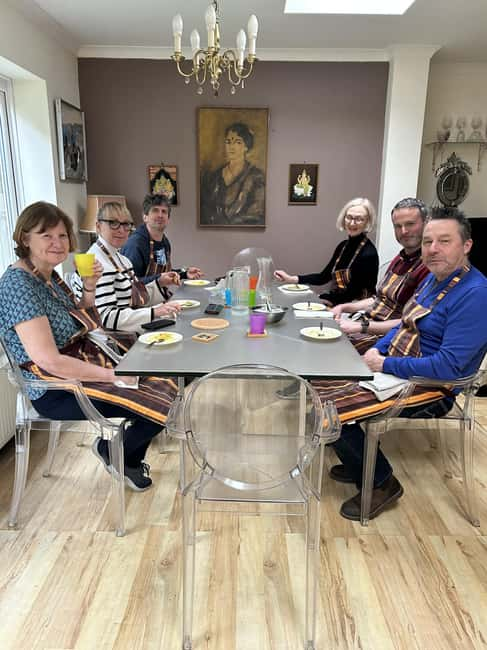
After the shop, you walk to Monisha’s home, just a couple of minutes away. This short transfer keeps the day flowing, and it also means you can focus on cooking rather than transit. The group is limited to 8 participants, so you are not fighting for counter space or asking questions into a crowd.
The class itself is practical and hands-on. You will learn to blend spices, create curry pastes, and build flavor so you do not need a whole cupboard full of ingredients. That promise is not just marketing. It is the core skill here: how Indian home cooks get big flavor from the right small set of building blocks.
Curry paste is where most people get stuck. If you just dump dry spices into a sauce, you miss the point. Making a paste helps spices bloom, release aroma, and blend into the sauce base so the final dish tastes unified. You will work through that process, not just watch it.
Monisha also shares tips for making a healthy and delicious Indian meal in a matter of minutes. Some classes stop at taste. This one tries to connect technique with everyday habits, which is exactly what you need if you want your cooking to work during real life.
Welcome chai, then cooking as a team (and eating what you make)
Before you start the main cooking work, you get a welcome drink of masala chai. It is a small detail, but it helps you settle in. Chai also fits the theme of the day, because it reminds you that Indian cuisine is not only about curry. It is also about how spices show up in drinks, comfort food, and daily routines.
Once you start cooking, you will create your meal together, then eat the feast as a group at the end. Lunch is included, so you are not scrambling for food afterward or worrying about paying extra. This shared meal moment is where the class clicks. You can actually taste what you built, and you can notice how flavor changes when spices are blended properly.
You will likely appreciate that the class avoids an overwhelming “use every spice in the world” approach. The goal is balance. That means adjusting seasoning and combining spices so the final dish feels complete rather than harsh or flat.
From a value perspective, this is important. You are paying for a guided shopping start, professional instruction, ingredients, and the meal itself. When you break it down, it is not just a 150-minute show, it is a full cooking experience that ends with food on your plate.
A few more London days worth comparing
- London Food Tour in Soho or Borough Market With 6+ Tastings
★ 4.8 · 518 reviews - Secrets of London Bike Tour: Thames, Tower Bridge & Market
★ 4.8 · 42 reviews - London: Borough Market Food Tour with Local Guide
★ 4.6 · 19 reviews - London: Camden Market Guided Walking Food Tour
★ 4.8 · 15 reviews
The curry in Britain talk: home cooking vs restaurant food
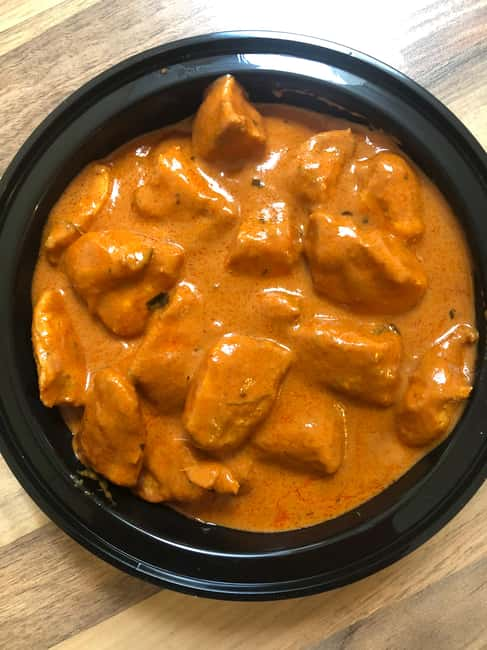
As you eat, you get an informal discussion about how home cooking differs from Indian restaurant food. You also talk about how curry came to Britain over 200 years ago, which gives you context beyond the kitchen.
This part helps you understand why British Indian food can taste different from what you might expect if you only think in terms of traditional Indian restaurant menus. You get a clearer sense of adaptation, local preference, and how recipes travel and change in a new country. It is not a lecture you have to endure. It is woven into the meal and conversation.
I also like that this discussion is tied to technique. When you are learning spices and curry pastes, history becomes practical. You start seeing why certain flavor profiles became popular in Britain, and why home versions might feel more flexible, adjustable, and less rigid than restaurant dishes.
If you care about the story behind what you eat, this add-on makes the class feel more grounded and less like a standalone cooking demo.
Price and value: is $119 fair for a 150-minute class?
At $119 per person for 150 minutes, this sits in the midrange for London culinary experiences. What makes it feel worth it is that you are getting multiple components that cost money and time on their own:
- A guided ingredient shop visit, including specialist spices you might struggle to source elsewhere
- Professional chef instruction focused on curry pastes and flavor balancing
- Ingredients for your meal
- A welcome drink of masala chai
- Lunch included, so you finish with food rather than leaving hungry
The big value question is whether it is hands-on and small enough to matter. Here, the group size is limited to 8 participants, which increases your odds of asking questions and cooking with real guidance.
Another reason the price makes sense: you are learning skills that should save money later. If you can find the right spices and build curry paste with balance, you can cook similar meals at home without paying restaurant prices every time you crave curry.
What to expect from the class style and pacing
The pacing is about 150 minutes total. That is long enough to shop, cook properly, and eat without feeling like a sprint. You will do some walking between stops, and then most of your time is in the kitchen area cooking together.
The class runs in English. Monisha is the instructor, and you can expect a friendly teaching style. In the reviews, Katherine from the UK highlighted how easy Monisha is to talk to and how clearly she knows her stuff, and she noted that she left with recipes to recreate at home. Heather from the US also praised the experience as one of the best cooking classes they have done across different cities.
Those points matter because they signal something you can feel during the session. Good teaching is not just knowing recipes. It is explaining why things work, making it easy to ask questions, and keeping the pace manageable.
Who this London cooking class suits best
This is best for you if you want a real cooking skill, not just a photo-and-taste outing. You will get the most if you are curious about spices, want to understand curry paste technique, and enjoy learning how food habits shaped British versions of Indian cooking.
It also suits you if you like small-group experiences where the instructor can guide each person. With up to 8 participants, you are not lost in the background.
It may be less ideal if you are traveling with kids under 15, because the class is not suitable for children under 15. If you have mobility concerns, the tour is wheelchair accessible, but keep in mind there is walking involved between the station, the shop, and Monisha’s home.
Practical tips so you enjoy it (and not just survive it)
Here are the things I would do before you go, based on how the experience is structured.
- Plan your arrival so you can find the foyer of Hounslow West tube station without stress. The meeting point is specific, so give yourself buffer time.
- Wear shoes you can walk in. You will move between locations and spend time standing while you cook.
- Go in hungry enough to enjoy the lunch at the end. Cooking builds appetite fast, and lunch is part of the included package.
- Expect spice-focused learning. If you are nervous about cooking, this class is still a good fit because the chef teaches blending, pastes, and balance in a way that should make it feel less intimidating.
Also note what is not included: transportation to the meeting point and alcohol. Plan your day accordingly so you do not have to scramble later.
Should you book this London Indian cooking masterclass?
I think you should book this cooking class if you want a smaller, guided experience with real technique. The combination of a specialist shop stop, hands-on curry paste work, and chef-led history about curry in Britain creates a complete arc from ingredient to plate to understanding.
If you are only interested in tasting curry and do not care about learning how spices work, you might find the process more time-consuming than you want. But if you want to leave with skills, ideas for healthier Indian cooking, and the recipes Monisha shares, this is a strong choice.
My call: book it if you can get to Hounslow West easily and you are excited to cook as part of a small group.
FAQ
Where is the meeting point?
You meet in the foyer of Hounslow West tube station.
How long is the cooking masterclass?
The duration is 150 minutes.
What is included in the price?
It includes the cooking class with a professional chef, a visit to a local Indian food shop, a welcome drink of masala chai, ingredients for cooking, an informal discussion, and lunch.
What is not included?
Transportation to the meeting point and alcohol are not included.
How many people are in the group?
The group is limited to 8 participants.
What language is the instructor?
The instructor works in English.
Is the experience wheelchair accessible?
Yes, it is wheelchair accessible.
Is it suitable for children?
No, it is not suitable for children under 15.
Can I cancel and get a refund?
Yes, you can cancel up to 24 hours in advance for a full refund.
When does it run?
The duration is 150 minutes, and you can check availability to see starting times. Reserve and pay later options are available.
More Shopping Tours in London
- Bicester Village Shopping Trip from London with VIP Discount
★ 3.9 · 44 reviews - City Hike London (with Borough Market lunch break)
★ 5.0 · 7 reviews - Borough Market Food Tour
★ 5.0 · 5 reviews - London Ultimate East End Food & Market Tour with a Local
★ 5.0 · 3 reviews
Newly listed near London
- Women in art – National Gallery★ 5.0 · 3 reviews
- Woking: Royal Horticultural Society Wisley Garden Ticket★ 4.7 · 24 reviews
- Windsor Stonehenge Bath Private Tour from London with Passes★ 4.8 · 5 reviews
- From London: Windsor, Stonehenge & Oxford Private Car Tour★ 3.5 · 4 reviews
- Windsor Castle Tour with Fish and Chips Lunch in London★ 4.4 · 25 reviews
- Windsor Castle & Hampton Court Palace VIP Black Taxi Tour★ 4.9 · 14 reviews
- London: Windsor Castle & Tower of London Tour with Tickets★ 3.3 · 15 reviews
- From London: Windsor Castle, Bath, and Stonehenge Day Trip★ 4.4 · 153 reviews
Markets, compared.

London Food Tour in Soho or Borough Market With 6+ Tastings
Read our review →
Air Raid Shelter & St. Nicholas Market Walking Tour
Read our review →
Secrets of London Bike Tour: Thames, Tower Bridge & Market
Read our review →

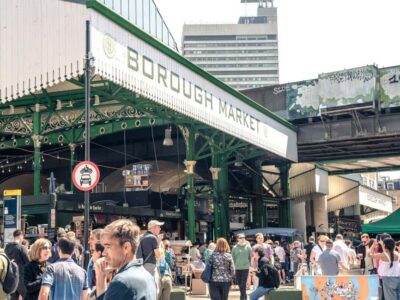
City Hike London (with Borough Market lunch break)
Read our review →
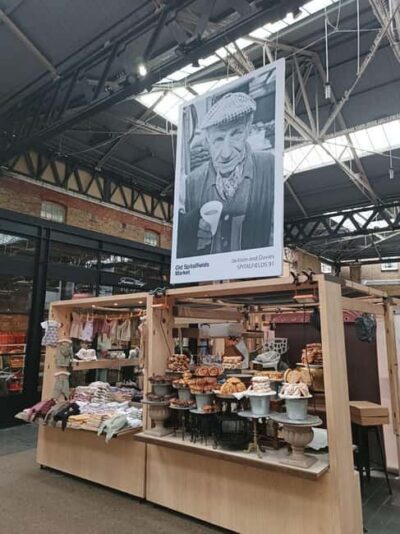
London Ultimate East End Food & Market Tour with a Local
Read our review →Browse the lists this tour appears in