
Review · JACK THE RIPPER TOURS
London: Jack the Ripper tour in Spanish (RLA Winner)
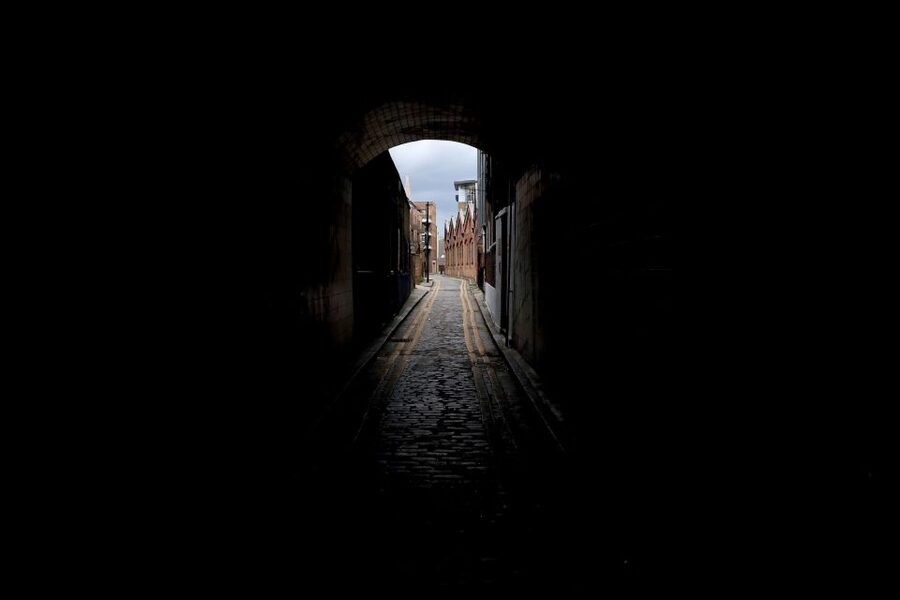
Jack the Ripper, but on actual streets. This Spanish walking tour in Whitechapel pairs award-winning scholarship with real-world location stops, so the story feels grounded. What I like most is the chance to learn from José Oranto, and the way the walk sticks to the places tied to the case, not just generic photos and vague legends.
The only real downside to plan for is simple: it is a walking tour, and video recording is not allowed, so come ready to watch, listen, and take notes the old-fashioned way. Bring weather-appropriate clothing, because London sidewalks do not care about your schedule.
In This Review
- Key highlights you will care about
- Why this Jack the Ripper tour in Spanish feels more serious than most
- José Oranto and the research style behind the walk
- Where the tour begins: St Marys Whitechapel Church Memorial
- Brick Lane and Gunthorpe Street, what street-level stops teach you
- Flower and Dean Walk, a quick pass with a purpose
- Banglatown Arch and Mitre Square Garden, when the city changes but the story stays
- Hanbury Street and Goulston Street, where the narrative gets specific
- Ten Bells Spitalfields and White’s Row, quick looks that land
- What makes the storytelling work: questions, images, and debate
- Pacing and walking level, what to plan for
- Price and value: why $21 can work
- Who should book this tour
- Should you book this Jack the Ripper tour in Spanish?
- FAQ
- How long is the Jack the Ripper tour in Spanish?
- What is the starting point of the tour?
- What language is the guide speaking?
- What is the price per person?
- Is the tour wheelchair accessible?
- What should I bring?
- Can I record video during the tour?
- Is free cancellation available?
- Do I have to pay right away when booking?
Key highlights you will care about
- José Oranto-led history in Spanish, with an academic approach and clear storytelling
- Real Whitechapel crime-scene locations, plus streets where victims lived their daily lives
- Active Q&A, so you can challenge ideas and ask for explanations
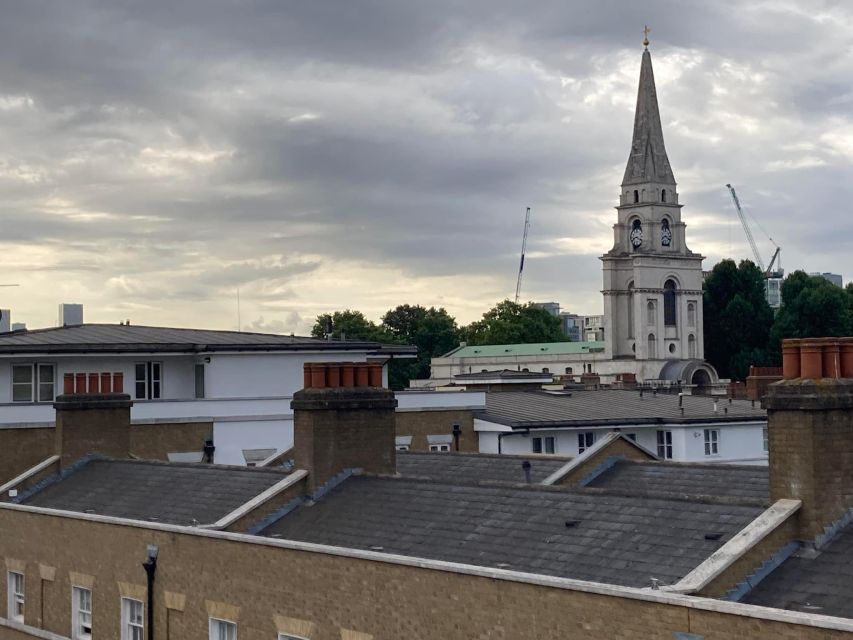
- Stops designed around Victorian-era architecture, not just street names
- A manageable pace, with plenty of time to talk rather than marathon walking
Why this Jack the Ripper tour in Spanish feels more serious than most
Whitechapel has a way of turning tragedy into myth. This tour fights that drift by using documented context and street-level focus. Instead of treating Jack the Ripper like a theme park, the guide keeps bringing you back to the physical city, the buildings, and the human scale of the neighborhood.
The second big reason it works is the open dialogue. You are not just watching a monologue. You can ask questions and debate what you think, and the guide is there to help you make sense of the evidence and the gaps.
More Jack the Ripper walks:
- London: The Original Jack the Ripper Walking Tour
★ 4.7 · 7,833 reviews - London: Jack the Ripper Small Group Tour
★ 4.7 · 3,159 reviews - German Language : Original Jack the Ripper Tour
★ 4.6 · 1,805 reviews
José Oranto and the research style behind the walk
José Oranto is not just a storyteller with good energy. He is a historian and a specialist in the historical investigation of the Whitechapel murders, with published work including Jack el Destripador y las crónicas de Whitechapel. He also collaborates on many specialized books, and he has been recognized through awards connected to the Ripper research community, including an RLA Award in 2023.
In plain terms, that matters because his explanations tend to have structure. You get the sense that he knows what is solid, what is disputed, and where legends started to run away from facts. Several comments also point out how passionate and close-up he is with the material, and that he answers questions with patience, not with a rush to move you along.
If you enjoy learning, but you also hate when facts turn into a lecture, this is the sweet spot. People describe the tour as ameno, detailed, and still easy to follow. There is also mention of images that support the talk, which helps you connect the story to what you are seeing outside.
Where the tour begins: St Marys Whitechapel Church Memorial
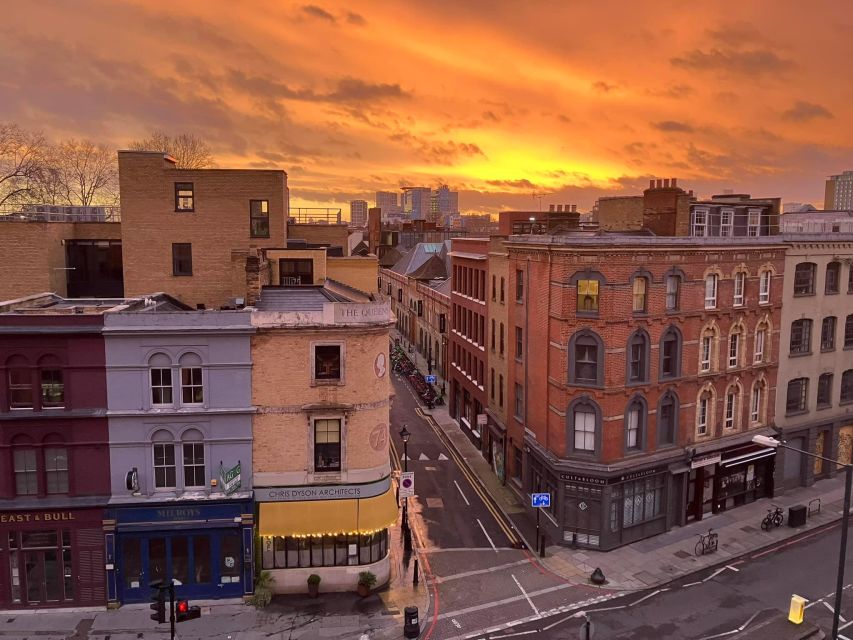
You start at the St Marys Whitechapel Church Memorial. That is a strong choice for setting tone. Before you even get into specific streets, you are in a place that anchors the neighborhood in real local memory, not just famous names.
It also helps you get your bearings. You are about to cover a compact area, and when you begin with a clear point, the rest of the walk feels more like a path through one connected story.
Brick Lane and Gunthorpe Street, what street-level stops teach you
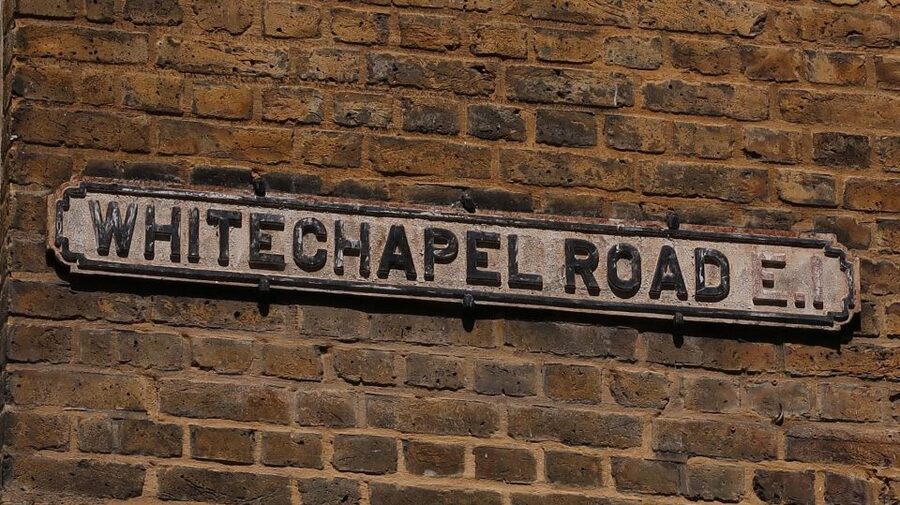
The walk moves onto Brick Lane, then continues toward Gunthorpe Street. These are the kinds of stops that help you understand the “where” behind the case. You get to look at the urban grain of Victorian-era London and think about how people actually lived: narrow streets, close buildings, and the way everyday movement shaped what residents could see and hear.
Brick Lane often brings its own energy, but here it is not about shopping or nightlife. The guide uses the street setting to explain how the architecture and location fit into the larger picture. When you are learning a complex case, that physical anchoring keeps the story from turning abstract.
Gunthorpe Street adds another layer. The value of a stop like this is that it forces you to slow down. Even if you already know the broad outline of the myth, these locations encourage you to notice the neighborhood’s scale and the practical reality of distance and movement.
A few more London days worth comparing
- London: The London Eye Entry Ticket
★ 4.6 · 35,875 reviews - London: Tower of London and Crown Jewels Exhibition Ticket
★ 4.6 · 28,769 reviews - From London: Harry Potter Warner Bros Studio Tour
★ 4.7 · 26,588 reviews - London: Westminster to Greenwich River Thames Cruise
★ 4.5 · 22,836 reviews
Flower and Dean Walk, a quick pass with a purpose
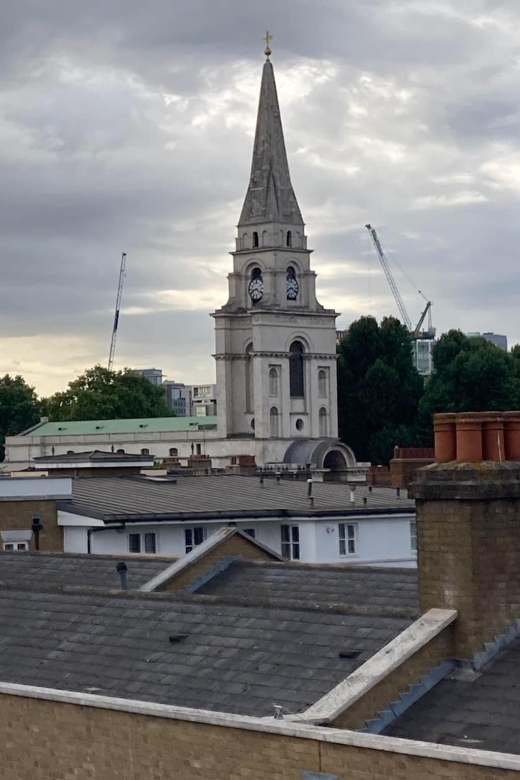
You also pass by Flower and Dean Walk. A pass-by stop can sound like filler, but it often serves a specific role in an event like this: it helps connect one visited location to the next without breaking your momentum.
Use these quick moments to look at building lines, street width, and how the blocks connect. If you are the kind of person who likes to build a mental map, these brief sections are useful because they tighten the geography of the story.
Banglatown Arch and Mitre Square Garden, when the city changes but the story stays
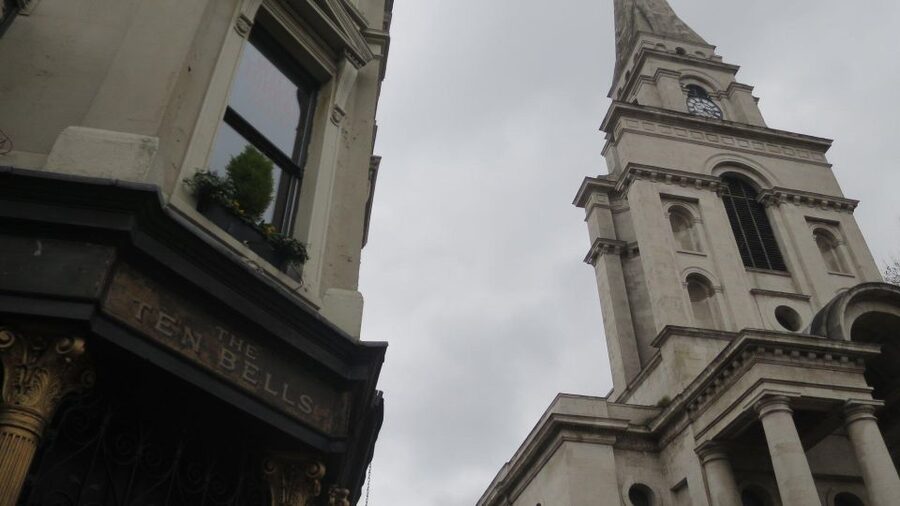
Next comes Banglatown Arch, then later Mitre Square Garden, and these are two of the stops that show you an important truth about London. The neighborhood has changed, but the layout and street relationships still matter.
At Banglatown Arch, you get that sense of London’s layers, where later communities shaped the area while the old geography remained. In a Jack the Ripper tour, that is more than “cool photos.” It helps you visualize that the people in the case lived in a London that looked different, but the core streets and proximity were real.
Mitre Square Garden is a different type of pause. Gardens and squares often feel calmer, and that can make the mental jump from public space to crime-story logic easier. It is also a good moment to take a breath, ask questions, and let the guide connect what you have already learned to what comes next.
Hanbury Street and Goulston Street, where the narrative gets specific
You visit 29 Hanbury Street and then later 46 Goulston Street. Stops like these are valuable because they narrow the focus from the neighborhood’s “vibe” to the case’s street-level setting. The guide ties the buildings and locations back to the murders, and you get a clearer sense of how the case fits into day-to-day life.
One helpful pattern in this kind of tour is that the route often alternates between more talked-about landmarks and quieter streets. After a stronger, more recognizable area, the quieter streets can feel more powerful because they feel more ordinary. You start to see how easy it would be for something tragic to happen in a place that looks like any other street corner.
Ten Bells Spitalfields and White’s Row, quick looks that land
You pass by The Ten Bells in Spitalfields. Then you visit 6 White’s Row near the end of the walk. Even when you only get a pass-by moment, the guide can use it to connect the story to how people socialized and moved through the neighborhood.
Ten Bells is one of those names that can get stuck in pop culture, but this tour tries to keep it human and factual. When the guide speaks around a known location, you learn how myths grow, and how facts get squeezed or stretched.
White’s Row is the close-to-home finale feeling of the route. Visiting a specific address at the end gives the story weight and keeps you from floating away into general knowledge. By the time you leave, you remember the streets as places, not just points on a map.
What makes the storytelling work: questions, images, and debate
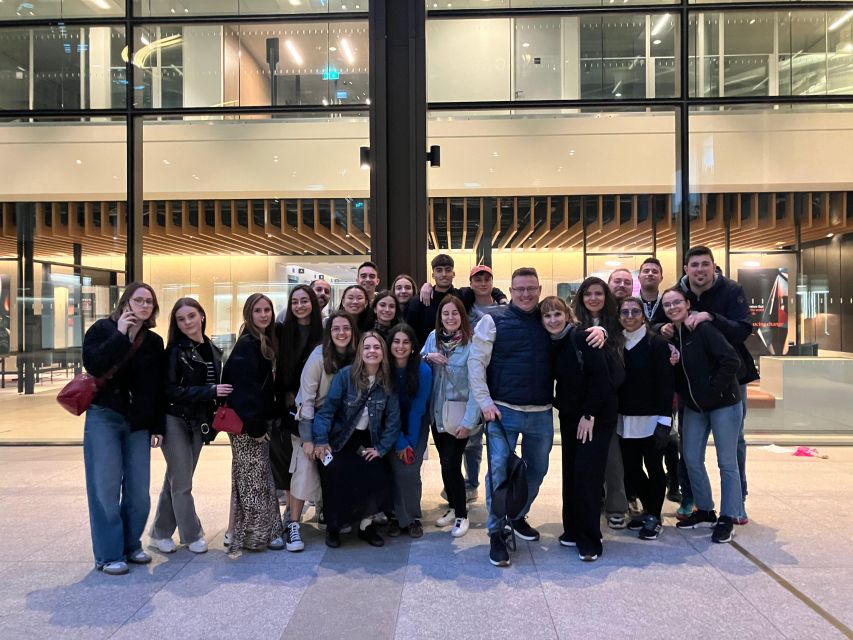
A lot of horror tours give you a script and hope you clap on cue. This one is different because it invites questions openly. You can debate your own theories, ask about details, and get explanations in Spanish with clear structure.
This matters if you are the type who reads online and ends up with three competing ideas. Here you can test those ideas out loud and get the guide’s take. Several comments highlight how friendly, patient, and engaging José is, and that he keeps people involved rather than talking at them.
There is also mention of images accompanying the narrative. That kind of visual support is practical, especially if you are trying to connect what you hear to what you see on the street.
Pacing and walking level, what to plan for
This is a 2-hour walking tour, and it is designed to be approachable. One comment specifically notes that it does not require too much walking, and the guide talks while you move, rather than dumping information at a distance and sending you off alone.
Still, assume you will be on sidewalks for the full duration. Wear comfortable shoes and dress for the weather. London in winter can surprise you, and summer rain can ruin a nice plan fast.
Good news: it is listed as wheelchair accessible. If you use a chair or need extra help, you will want to plan with the provider, but it is at least flagged as suitable rather than ignored.
Price and value: why $21 can work
At about $21 per person for two hours, the value is mostly about what you get for the time. You are paying for a guided walk that mixes physical location visits with research-driven explanation, delivered in Spanish.
For a city where lots of sightseeing is pay-as-you-go and often self-guided, a focused guide at this price can feel like a bargain. You also get the best part of “a guide” in London, Q&A, so you do not just leave with facts, you leave with answers to the questions you actually care about.
If you want Jack the Ripper as history rather than as a spooky playlist, this price-to-content ratio is strong.
Who should book this tour
You will be happiest if you want:
- A Spanish-language guide and a clear, structured story
- Real street locations and Victorian-era context, not just legends
- A chance to ask questions and debate ideas with a specialist
- A manageable, city-walk format in about two hours
It is also a great fit if you like “serious fun.” You get the tension of the subject without turning it into pure shock.
Should you book this Jack the Ripper tour in Spanish?
Yes, if you care about learning the case from a research-minded guide and you want to experience Whitechapel as real streets, real buildings, and real geography. The combination of José Oranto’s expertise, the willingness to answer questions, and the focus on documented locations makes it a smart choice.
Book it if you are tired of generic “Ripper stories” that float above the neighborhood. And if the idea of not being allowed video recording bothers you, plan to rely on notes and photos instead.
If you want, tell me your travel dates and your Spanish comfort level, and I can suggest what to do before the tour so you get more out of the Q&A.
FAQ
How long is the Jack the Ripper tour in Spanish?
The tour lasts 2 hours.
What is the starting point of the tour?
It starts at the St Marys Whitechapel Church Memorial.
What language is the guide speaking?
The live tour guide speaks Spanish.
What is the price per person?
The price is listed as $21 per person.
Is the tour wheelchair accessible?
Yes, it is listed as wheelchair accessible.
What should I bring?
Bring weather-appropriate clothing for a walking tour.
Can I record video during the tour?
No, video recording is not allowed.
Is free cancellation available?
Yes, you can cancel up to 24 hours in advance for a full refund.
Do I have to pay right away when booking?
You can reserve first and pay later, so you do not need to pay today.
Newly listed near London
- Women in art – National Gallery★ 5.0 · 3 reviews
- Woking: Royal Horticultural Society Wisley Garden Ticket★ 4.7 · 24 reviews
- Windsor Stonehenge Bath Private Tour from London with Passes★ 4.8 · 5 reviews
- From London: Windsor, Stonehenge & Oxford Private Car Tour★ 3.5 · 4 reviews
- Windsor Castle Tour with Fish and Chips Lunch in London★ 4.4 · 25 reviews
- Windsor Castle & Hampton Court Palace VIP Black Taxi Tour★ 4.9 · 14 reviews
- London: Windsor Castle & Tower of London Tour with Tickets★ 3.3 · 15 reviews
- From London: Windsor Castle, Bath, and Stonehenge Day Trip★ 4.4 · 153 reviews
Jack the Ripper Tours, compared.

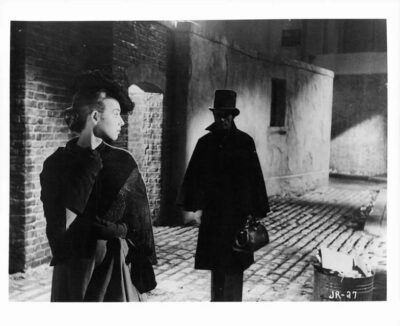

German Language : Original Jack the Ripper Tour
Read our review →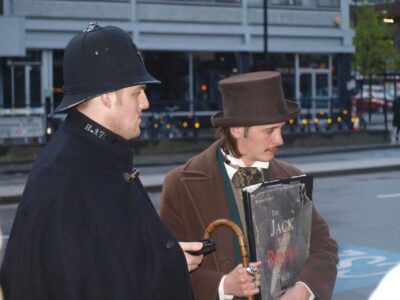
Jack the Ripper Walking Tour – Ripper Vision Tours
Read our review →
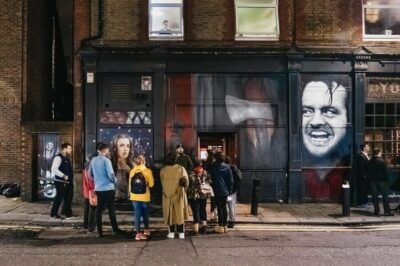
French Language : Original Jack the Ripper Tour
Read our review →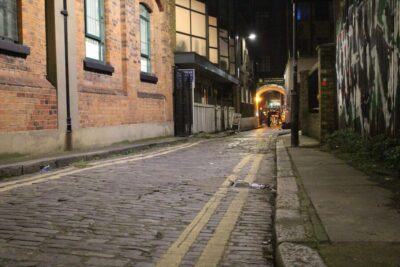
Browse the lists this tour appears in