
Review · WALKING TOURS
London: Kensington and Chelsea Guided Walking Tour
London’s style comes with real stories. This 2-hour guided walking tour threads together South Kensington’s museum district, Kensington Gardens, and the elegant lanes of Knightsbridge and Chelsea. You’ll get the context for why this part of London looks the way it does, from Victorian plans to royal ambition and the quieter back streets that locals actually prize.
Two things I especially like here are the way the tour uses Exhibition Road as a living timeline and the focus on what you can see at street level, not just what’s inside museums. It also ends in a useful spot at Sloane Square, where you can keep walking or hop onward easily. One thing to consider: if you’re chasing lots of ultra-specific building history and named-person stories, the storytelling style can vary by guide, so you may want to choose a departure that matches your expectations.
In This Review
- Key things to know before you go
- South Kensington Station to the Museum District: Albertopolis, without the lecture
- Victoria and Albert Museum area: what to do if you care about interiors
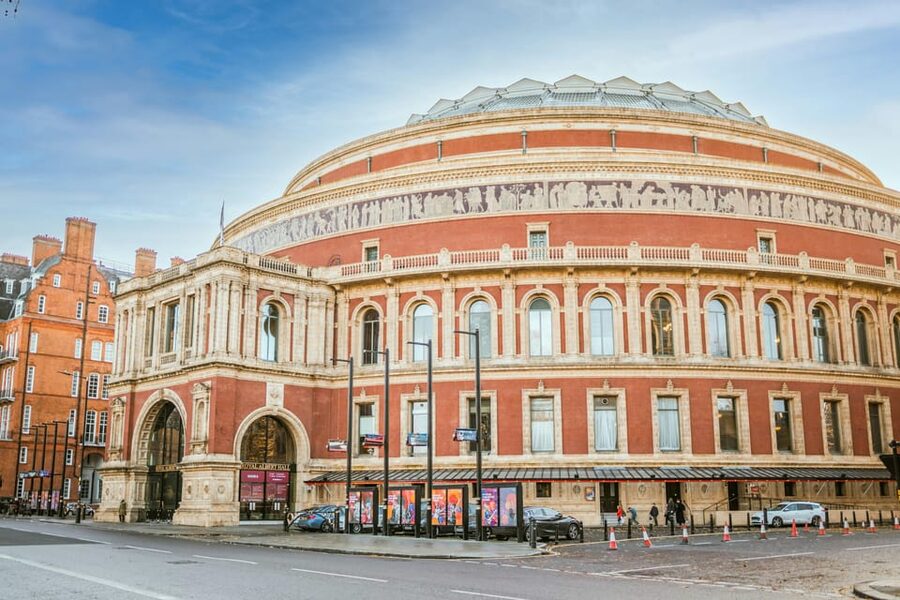
- Royal Albert Hall and the Albert Memorial: where the grandeur slows you down
- Kensington Palace exterior and Princess Diana context: what you’ll notice from the street
- Knightsbridge: embassies, mansions, and Harrods without the mall vibe
- Chelsea mews streets and Georgian townhouses: the lanes you actually want to wander
- Sloane Square finish and the easy next step to King’s Road
- Price and value: what $26 gets you in 2 hours
- Guide quality can be the difference: what to watch for
- Who should book this walk (and who might want a different option)
- Practical tips that make the tour smoother
- Should you book this Kensington, Chelsea, and Knightsbridge walking tour?
- FAQ
- Where does the tour start?
- How long is the walking tour?
- What is included in the price?
- Is the tour step-free or wheelchair accessible?
- What language options do guides offer?
- Can solo travelers book?
Key things to know before you go
- South Kensington starts the plot at the South Kensington Station arcade, right by Thurloe Street
- Albertopolis explained on the move as you walk along Exhibition Road toward the big cultural institutions
- Royal Albert Hall and Albert Memorial stops with photo opportunities and an easy pace through gardens
- Knightsbridge without shopping pressure focuses on architecture, embassies, and the big-name landmarks
- Chelsea mews and garden squares show the contrast between public streets and private space
- Step-free route and relaxed timing make it a practical choice for families and wheelchair users
South Kensington Station to the Museum District: Albertopolis, without the lecture
The tour starts outside South Kensington Station on Thurloe Street, in front of Viandas. The guide will be holding a sign, so it’s easy to match up even if you’re arriving from another part of town.
From the first stretch, I like that you’re not just walking past famous buildings. You’re getting the “why” behind the whole museum zone. The tour frames South Kensington as Albertopolis, a Victorian idea that put education, art, and science into one planned district. That matters because, once you understand the plan, the area stops feeling random. It starts reading like a deliberate design, with each institution part of the same civic mission.
As you move along Exhibition Road, you’ll hear how an earlier public event, the Great Exhibition of 1851, influenced Prince Albert’s push for a place where people could learn in a dignified, public way. The route naturally connects to the major museums that line the road, including the Victoria and Albert Museum. Even if you do not go inside (entrance fees are not included), you’ll still come away with better orientation: what you’re looking at, what it represents, and why locals and visitors treat this area like London’s cultural showroom.
One practical bonus: this is a walking segment where you can take photos without constantly stopping, because you’re mostly outdoors and moving at an easy tempo. If you’ve ever tried to “museum-hop” solo here, you know how quickly you can lose your bearings. This tour gives you a clean map in your head.
More Walking Tours in London
- Magical London: Harry Potter Guided Walking Tour
★ 4.7 · 22,044 reviews - London: The Original Jack the Ripper Walking Tour
★ 4.7 · 7,833 reviews - London: Harry Potter Movies Walking Tour (Kids Go Free)
★ 4.7 · 3,071 reviews
Victoria and Albert Museum area: what to do if you care about interiors
The tour highlights the Victoria and Albert Museum as a key stop. Since entrance fees are not included, you should expect the visit to be more about exterior orientation and the broader story, not a full gallery crawl.
That said, V&A is one of those places where even outside views can clue you in on the scale and design language. When you walk away with the context of the Great Exhibition legacy, you can decide on your own schedule what you want to see next.
My tip: if you know you want museums, plan to do one museum in depth on a separate visit. This walk is best for understanding the neighborhood and architecture patterns. Then, you choose the museum with the exhibits that fit your interests.
Royal Albert Hall and the Albert Memorial: where the grandeur slows you down
After the museum district, the tour moves into Kensington Gardens, with stops tied to royal and public symbolism.
You’ll see the Albert Memorial and get a quieter reset as the walk transitions from big institutional buildings to park paths. The memorial stop is the kind that makes you slow down naturally, because the scale demands it. Even if you’re not a “monument person,” it helps you connect the Victorian ambition you heard about earlier with something you can actually stand in front of.
The tour also includes the Royal Albert Hall area. Again, based on what’s included, this is likely an outside experience with commentary rather than a ticketed event. That’s fine for most people. From the street and nearby viewpoints, you’ll get the “London landmark” feel without getting stuck in lines or timed entries.
The Kensington Gardens stretch is also where the tour earns its reputation as a relaxed stroll. It’s paced for looking, photo stops, and regrouping. If you’re traveling with kids, this is a strong section because it feels like play outdoors, not a nonstop “walk to the next thing” rhythm.
Kensington Palace exterior and Princess Diana context: what you’ll notice from the street
Next up is the exterior of Kensington Palace, with the tour noting its connection to Princess Diana.
You won’t be doing an inside palace tour here. Still, the outside stop is useful because it helps you spot what makes Kensington Palace distinct in the wider royal landscape. It also gives you a sense of how the palace and the gardens work together, a royal complex nested inside a city that keeps evolving around it.
This is one of those moments where it helps to have a guide putting the building into a human timeline, even if you’re only seeing the exterior. If you enjoy royal context, you’ll find this section satisfying. If you don’t, it still works as a visual waypoint before the route shifts again into more shopping and street-life energy.
Same corner of Britain, a different sort of outing:
- London: The London Eye Entry Ticket
★ 4.6 · 35,875 reviews - London: Tower of London and Crown Jewels Exhibition Ticket
★ 4.6 · 28,769 reviews - From London: Harry Potter Warner Bros Studio Tour
★ 4.7 · 26,588 reviews - London: Westminster to Greenwich River Thames Cruise
★ 4.5 · 22,836 reviews
Knightsbridge: embassies, mansions, and Harrods without the mall vibe
Then the tour swings into Knightsbridge, home to Harrods, luxury shopping, embassies, and historic architecture.
Here’s what I think is clever about this part: you don’t have to shop to enjoy it. The tour focuses on architecture and the way the neighborhood signals status through streetscape choices like building materials, setbacks, and frontage styles. You’ll notice red-brick mansions and institutional buildings that feel different from the museum zone. It’s a sharp shift, and it helps you see London as layers, not one style.
Harrods is part of the story because it’s a global landmark, but the tour positioning makes it more about the neighborhood’s role as a meeting point of heritage and international influence. So even if you’re not spending money, you can still watch the street scene, take a photo, and understand why people treat this area like a destination all on its own.
This is also a good segment for anyone who likes street-level contrast: you go from gardens and memorials to a commercial district where the architecture signals old wealth and modern spectacle at the same time.
Chelsea mews streets and Georgian townhouses: the lanes you actually want to wander
The most fun, in my opinion, comes when the tour turns toward Chelsea and its mews streets.
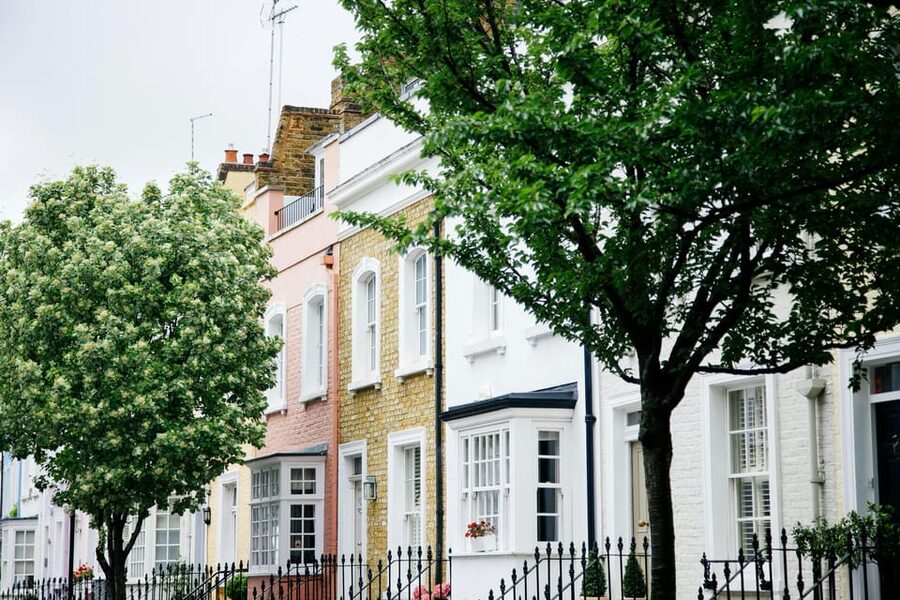
Mews are the kind of London word that sounds quaint until you learn what it means. Here, you’ll hear how these lanes began as stables and later became highly sought-after residences. That transformation changes how you read the street. Suddenly, those narrow facades and quiet corners make sense. They are not just “pretty old streets,” they are functional leftovers from an older city rhythm.
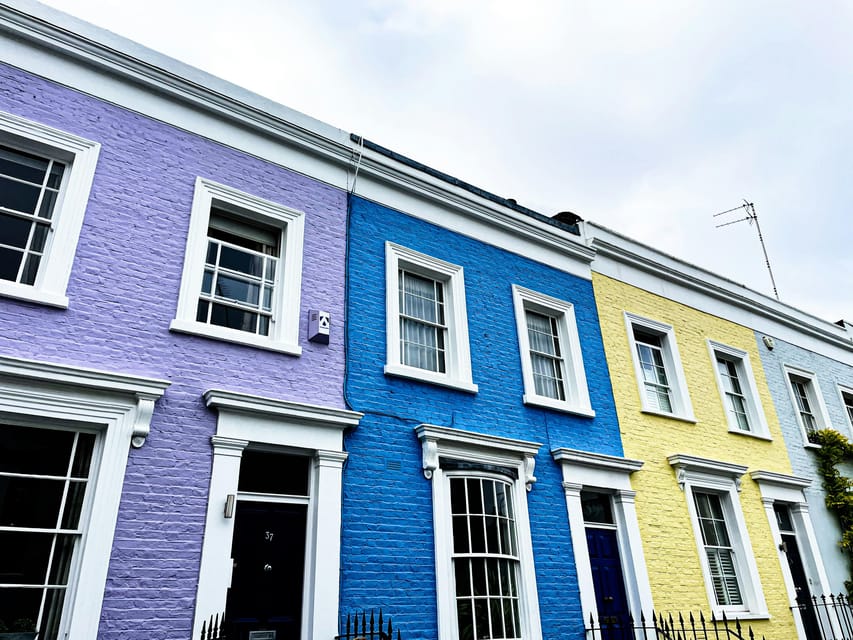
The tour also covers Georgian and Victorian townhouses, with stops that let you compare styles and proportions without needing a magnifying glass. This is a good walking section because you’re not rushing between big-ticket sites. Instead, you’re learning to notice details like doorways, window patterns, and the way buildings sit close to the street.
You may also pause outside private garden squares. That’s a big part of Chelsea’s charm: the area has public streets, but some of the green space is framed as something quieter and more controlled. You’ll also hear stories connected to blue plaques and the elegant architecture that gives Chelsea its identity.
Finally, the tour addresses Chelsea’s creative pull over the centuries, noting that artists, writers, designers, and radicals have long been drawn here. Even without a museum ticket, you get the feeling that the neighborhood had momentum, not just wealth.
Sloane Square finish and the easy next step to King’s Road
The tour concludes at Sloane Square, described as a gateway to King’s Road.
This is a smart ending point because it gives you options. If you want to keep walking, you’re set up for King’s Road, which is associated with fashion and rebellion from the 1960s and still has plenty of independent shops, cafés, and galleries. If you want to rest, Sloane Square is a practical hub for getting around.
My advice: treat the last few minutes of the tour as your planning moment. When the guide points out where King’s Road is headed, you can decide if you want snacks, a bookstore-style browse, or another short stroll that fits your energy.
Price and value: what $26 gets you in 2 hours
At about $26 per person for a 2-hour walk, this is positioned as good value for what it tries to do: neighborhood orientation plus architecture and context.
Why the price feels reasonable here:
- You’re paying for a live guide, not just “someone walking beside you.”
- The time is tight enough that you’ll cover multiple districts without turning it into an all-day commitment.
- Entrance fees are not included, which keeps the cost down. The tour uses street-level sights and explanations instead of depending on paid entry.
What you should budget for separately:
- Food and drinks, since none are included.
- Entrance fees if you want to go into any museum or ticketed attraction.
So the smartest use of your money is this: let the guided walk handle the “big picture.” Then spend your time and money where you personally care most, like choosing one museum to explore deeply on your own.
Guide quality can be the difference: what to watch for
This is the one caution I’d give.
The tour runs with English, German, and Italian speaking guides, and some guides are known for being warm, prepared, and able to engage kids as well as adults. One guide named Simona is specifically described as well-prepared and kind, with storytelling that helps visitors notice design, architecture, and local customs.
At the same time, not every departure may feel equally heavy on people-and-place history. If you’re the kind of traveler who wants lots of named anecdotes and building-by-building detail, you might find the emphasis differs depending on the guide’s style. In that case, your best move is to go in expecting a neighborhood and architecture walk first, not a full academic lecture.
Who should book this walk (and who might want a different option)
This tour makes sense for a lot of travel styles.
You’ll probably enjoy it if you:
- Want an organized way to connect South Kensington, Knightsbridge, and Chelsea in one outing
- Like architecture, street design, and the “how did this neighborhood form” question
- Travel with kids and want a pace that stays manageable, with chances to take photos
- Prefer a relaxed, step-free route (the tour is wheelchair accessible)
You might consider a different option if you:
- Expect a long, museum-style deep dive inside major institutions (entrance fees are not included)
- Need very dense, fact-heavy stories about specific historical figures at every stop, since some departures focus more on atmosphere and lived-in impressions
Also note for solo travelers: the tour generally requires a minimum of two participants. If you can’t book, you can reach out for advice on available time slots.
Practical tips that make the tour smoother
A few small things will help you enjoy this more.
- Wear comfortable shoes. You are walking across several distinct areas, and the streets you’ll be pointed toward include mews lanes, which can feel narrower than main roads.
- Bring water. Two hours sounds short until you’re out in London walking and photographing.
- Bring a camera. Phone cameras do fine too, and the guide is happy to take pictures for you, including if you’re traveling alone.
- Plan one museum visit later if you care about exhibitions. Use this walk to decide which place matches your interests, then return with a focused plan.
One more smart move: look at your route as a series of “mood changes.” Museum grandeur to garden calm to luxury streets to quiet Chelsea lanes. If you lean into that rhythm, the tour feels more like a guided stroll through London character than a checklist.
Should you book this Kensington, Chelsea, and Knightsbridge walking tour?
I’d book it if you want a compact introduction to some of London’s most recognizable neighborhoods, without the stress of mapping everything yourself. The street-level architecture stops and the context around Albertopolis and the Great Exhibition are the kind of prep that makes later sightseeing click.
I’d be a bit cautious if your priority is inside-the-museum exploration or nonstop, highly detailed historical storytelling at every single stop. In that case, treat this as the “orientation layer,” then pair it with a museum ticket or another tour type.
If your goal is to get your bearings fast, enjoy beautiful streets, and leave with a clearer sense of how South Kensington’s cultural planning connects to Knightsbridge’s prestige and Chelsea’s quieter creativity, this one is a solid buy.
FAQ
Where does the tour start?
Meet outside South Kensington Station on Thurloe Street, in front of Viandas. The guide will be holding a sign with the name of the tour.
How long is the walking tour?
The tour lasts 2 hours.
What is included in the price?
You get a walking tour and a live guide. Entrance fees, food, and drinks are not included.
Is the tour step-free or wheelchair accessible?
Yes. The route is step-free and the tour is wheelchair accessible.
What language options do guides offer?
Guides speak English, German, and Italian.
Can solo travelers book?
Solo travelers should note the tour generally requires a minimum of two participants. If you cannot book, you can message to ask about available time slots.
Newly listed near London
- Women in art – National Gallery★ 5.0 · 3 reviews
- Woking: Royal Horticultural Society Wisley Garden Ticket★ 4.7 · 24 reviews
- Windsor Stonehenge Bath Private Tour from London with Passes★ 4.8 · 5 reviews
- From London: Windsor, Stonehenge & Oxford Private Car Tour★ 3.5 · 4 reviews
- Windsor Castle Tour with Fish and Chips Lunch in London★ 4.4 · 25 reviews
- Windsor Castle & Hampton Court Palace VIP Black Taxi Tour★ 4.9 · 14 reviews
- London: Windsor Castle & Tower of London Tour with Tickets★ 3.3 · 15 reviews
- From London: Windsor Castle, Bath, and Stonehenge Day Trip★ 4.4 · 153 reviews
Walking Tours, compared.

Magical London: Harry Potter Guided Walking Tour
Read our review →

University and City Walking Tour with Alumni Guide
Read our review →
Harry Potter Movies Walking Tour (Kids Go Free)
Read our review →
The Great British Rock and Roll Music Walking Tour
Read our review →
Jack the Ripper Walking Tour – Ripper Vision Tours
Read our review →
Browse the lists this tour appears in