
Review · MUSEUMS
London: Museum of Brands Skip-the-Line Ticket
Brands tell time in surprising ways. London’s Museum of Brands turns everyday goods into a story of social change, walking you through 200 years of consumer culture in a simple, chronological flow. The setting is also convenient, just minutes from Portobello Road, so it fits nicely into a Notting Hill day.
I really like the museum’s Time Tunnel approach. It’s laid out so you can connect inventions like the railway, motor car, and airplane to how people lived and entertained themselves. I also appreciate the calm ending, with the memorial garden where you can slow down before you head back out to London.
One thing to keep in mind: this is primarily a museum experience. If you are looking for lots of hands-on activities, you may want to set expectations for reading, looking, and watching displays. Also, food and drinks are not included, even though you can stop for cake, coffee, or a glass of Prosecco afterward.
In This Review
- Key things I’d plan around
- Where to find the Museum of Brands in Notting Hill
- Your skip-the-line ticket, what it really buys you
- The Time Tunnel: 200 years of consumer culture, in order
- A good way to experience it
- One practical consideration
- TV adverts from the past and the joy of seeing marketing evolve
- If you like entertainment history, this is extra relevant
- The museum’s collection size: why 12,000 items matters
- The memorial garden: a proper cooldown after the displays
- Gift shop time, without turning it into a spending trap
- Pricing and value: is $18 worth it?
- Who this visit suits best
- How to plan your day around it
- A few things to notice while you go
- Should you book the Museum of Brands skip-the-line ticket?
Key things I’d plan around
- A chronological Time Tunnel that links transport and technology to everyday life
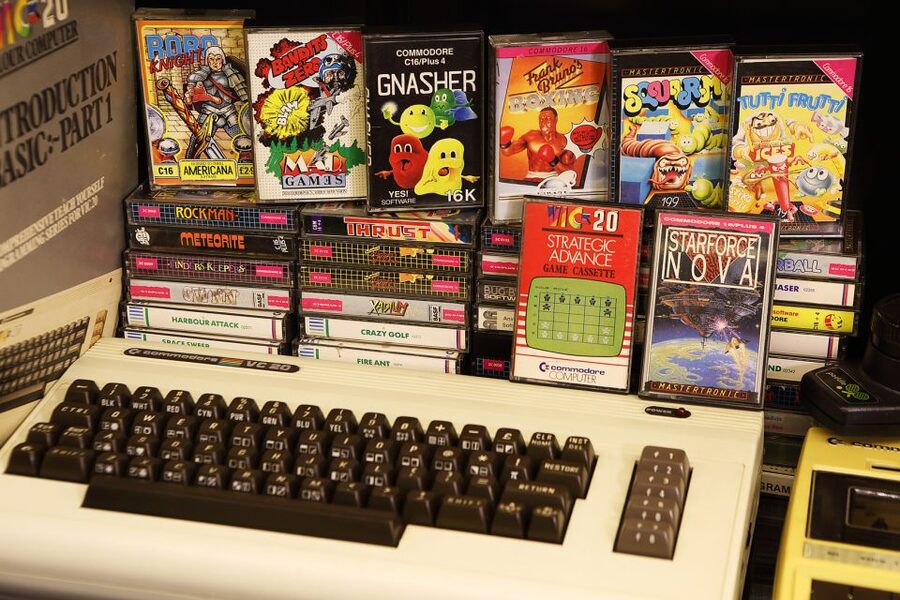
- 12,000-plus items focused on brands, packaging, and advertising history
- Old TV ads and themed temporary displays that change over time
- Entertainment tech milestones like cinema, radio, and television
- Award-winning memorial garden for a breather after the main galleries
Where to find the Museum of Brands in Notting Hill
The Museum of Brands sits on Lancaster Road in Notting Hill, in an easy-to-reach part of town. The big practical win is proximity: it is about five minutes from Portobello Road Market, one of London’s best places to snack, browse, and people-watch.
That location matters because it helps you avoid the classic London trap, spending a whole day in transit. Instead, you can do the museum at a comfortable pace and then walk to Portobello Road without needing a big plan. If you like to build a day with minimal stress, this is an excellent pairing.
Also, the museum is open on a fairly normal schedule for a central attraction, with different hours on Sundays and bank holidays. That gives you options if you are trying to fit it between neighborhood walks.
More Museum Tours in London
- London: Tower of London and Crown Jewels Exhibition Ticket
★ 4.6 · 28,769 reviews - London: Chelsea Football Club Stadium and Museum Tour
★ 4.8 · 4,576 reviews - London Transport Museum Entrance Ticket
★ 4.5 · 1,323 reviews
Your skip-the-line ticket, what it really buys you
This is a skip-the-line ticket, and the value is mostly about time. London museums can get busy, especially midday. Having a ticket designed to reduce waiting helps you spend more time inside and less time standing around.
The ticket is valid for one day from first activation, so it is built for a real visit, not a vague window. And the experience is guided by museum-style presentation rather than a walking tour, so once you are inside, you can move at your own speed through the Time Tunnel, the temporary displays, the TV ad screenings, and the garden area.
It also includes entrance to the museum, the temporary displays, and access to the garden. Food and drinks are not included, so if you want that cake and coffee, or a glass of Prosecco, you should treat it as an on-site add-on.
The Time Tunnel: 200 years of consumer culture, in order
The main event is the Time Tunnel, and the museum’s whole concept is simple: put brand history into the real story of how society changed.
You start with Victorian-era consumer culture and work forward through major historical moments that shaped everyday life. Expect to see how royal coronations, two world wars, and even the man landing on the moon fit into the way brands sold products and captured attention. The path also moves right up to the digital age, so you end with a sense of where things are heading.
What makes this gallery work well is the linking theme. The museum does not treat brands like museum relics. Instead, it ties lifestyle shifts to big inventions and transportation changes. You will see how the railway, the motor car, and the airplane changed movement, habits, and what people had access to. That angle helps you understand why advertising and packaging evolved, not just what the visuals looked like.
A good way to experience it
Go in order and pay attention to how the tone changes. Older advertising tends to feel formal and product-focused. Later eras start to reflect mass entertainment and faster media cycles. Even if you only skim the descriptions, you can still learn a lot by looking at how brands were trying to win attention.
More museum visits in London:
- London: British Museum Guided Tour
★ 4.3 · 1,182 reviews - London: British Museum Guided Tour with Entrance Tickets
★ 4.9 · 748 reviews - London: Tour of the British Museum
★ 4.1 · 678 reviews - Afternoon Tea at the British Museum
★ 4.2 · 511 reviews
One practical consideration
Because it is chronological and display-heavy, it can be easy to rush if you are hopping between London sites. I recommend giving the Time Tunnel your best energy early in your visit, when you are less tired. Save your extra browsing for afterward.
TV adverts from the past and the joy of seeing marketing evolve
After your Time Tunnel journey, the museum gives you a chance to watch TV adverts from the past. That matters because it adds motion and voice to what you just learned from still packaging and print visuals.
The museum also highlights temporary themes, so you might catch special focuses such as 1950s Toys, the London Punk scene, chocolate brands, or biscuit tins. These themes make the museum feel less like one long history lesson. Instead, they let you connect brand culture to music, food trends, and specific moments in British life.
Even if you are not a marketing history person, TV ads are a fast way to learn how communication styles changed. You can spot differences in what advertisers emphasized, the humor or seriousness, and how they tried to build trust with viewers.
If you like entertainment history, this is extra relevant
The museum specifically focuses on areas that transformed entertainment, travel, leisure, music, and more. You can expect references to major entertainment shifts like cinema, radio, and television. That makes the experience relevant beyond packaging. You start noticing that brands helped shape what people wanted to watch, listen to, and buy.
The museum’s collection size: why 12,000 items matters
The museum’s strength is not just that it has brand examples, it has over 12,000 items. A big collection changes how you experience a museum.
It means you are not looking at a handful of famous examples and then moving on. Instead, you can compare eras and formats. Packaging tells one story. Advertising tells another. When both are present, you learn how products were sold from multiple angles.
This is also where nostalgia can become useful, not just sentimental. If you have childhood memories of toys, snacks, or familiar brand designs, you get a chance to see how those visuals were engineered to feel trustworthy and recognizable. And if you do not have those exact memories, you still get a strong sense of what society prioritized at different times.
The memorial garden: a proper cooldown after the displays
After the exhibitions and the TV ad viewing, you finish in the award-winning memorial garden. This is not just a decorative pause. It’s a clear change of pace that helps the museum feel comfortable rather than exhausting.
You can relax there with cake and coffee, or choose a refreshing glass of Prosecco at your own expense. Since food and drinks are not included, treat it as a planned treat, not something already in your ticket.
In practical terms, the garden is also a great place to reset if you are visiting Portobello Road next. Sit down, cool off, and then continue your day with better energy.
Gift shop time, without turning it into a spending trap
Like most museums, there is a gift shop where you can pick up souvenirs that reflect the collection. This part is worth your attention for a simple reason. The museum’s theme is visual and design-focused, so it is often easier to find something you actually want to take home, rather than generic tourist items.
If you are the kind of traveler who buys one small memory, this shop can be a good moment to choose. If you prefer to avoid impulse purchases, set a rule for yourself, like picking a single packaging-themed item or a small book rather than multiple things.
Pricing and value: is $18 worth it?
At about $18 per person for a one-day experience, the value depends on what you want out of it.
If you enjoy social history, advertising design, or you like turning everyday objects into a story, this is strong value. You get a lot packed into one visit: the Time Tunnel, a large collection focus, temporary displays, TV adverts, and the memorial garden. That mix makes it feel like more than a quick stop.
If you are only mildly interested in brands, packaging, or marketing, you might find it harder to justify. In that case, do yourself a favor: treat it as a well-paced indoor break rather than your main attraction. You can still enjoy the nostalgia, but you should not expect it to feel like a hands-on kids museum or a high-energy guided tour.
The skip-the-line feature is the second part of the value equation. When a ticket reduces waiting, you protect your time budget. In London, time is often the real cost.
Who this visit suits best
This experience is a great fit if you:
- Like history, but prefer it connected to everyday life
- Enjoy design, packaging, and how media shapes habits
- Want a calmer indoor option on a busy sightseeing day
- Have nostalgia for toys, snacks, or brand visuals from your childhood
It may be less ideal if you:
- Want lots of interactive activities
- Are looking for a highly guided group experience with a named tour leader
- Need a strictly themed attraction with minimal reading
How to plan your day around it
Because the museum is near Portobello Road Market, you can design a smooth loop. Start with the museum early or in the early afternoon, when you can focus on the Time Tunnel before you get tired. Then walk over to Portobello Road for lunch, browsing, and street-life.
If you are also doing other Notting Hill highlights, keep this in mind: the Time Tunnel is the kind of experience where you will learn more if you are not rushing. Pair it with fewer other indoor stops, so you can give it your full attention.
Also, the museum has specific closures. It is closed on August 27, 28, and 29, and it closes on December 24, 25, 26, and January 1. If your dates fall near those, plan your schedule around open days.
For opening hours, it runs Monday through Saturday from 10:00 AM to 6:00 PM, and Sundays and bank holidays from 11:00 AM to 5:00 PM. That helps if you want a late start on weekends.
A few things to notice while you go
This is the kind of museum where your experience improves with attention. Here are a few “look for” moments that make it more than a passive walk.
- Watch for changes in how brands speak to you, especially the shift from product descriptions to emotional messaging
- Notice how major world events get reflected in the tone of advertising and design
- Compare packaging styles across eras, even when products sound similar
- Pay attention to how entertainment tech shows up in ads and brand behavior, from cinema and radio to television and digital media
If you do these little mental check-ins, you will finish the visit feeling like you learned something real about how modern life got built.
Should you book the Museum of Brands skip-the-line ticket?
I think you should book if you want a smart, enjoyable London break that feels different from the big-ticket museums. For $18, you get a strong mix of history, design, and media, plus a peaceful finish in the memorial garden. The skip-the-line setup also helps you keep your day on track.
Skip booking if you are mostly looking for hands-on activities or you are not interested in brands, packaging, or advertising history. In that case, the experience may feel like more looking and reading than you want.
If you fall in the middle, here is a simple test: if you enjoy the story behind products you use, then you will likely enjoy this. It turns familiar items into a timeline of how society shifted, and it does it in a way that is easy to follow from start to finish.
Newly listed near London
- Women in art – National Gallery★ 5.0 · 3 reviews
- Woking: Royal Horticultural Society Wisley Garden Ticket★ 4.7 · 24 reviews
- Windsor Stonehenge Bath Private Tour from London with Passes★ 4.8 · 5 reviews
- From London: Windsor, Stonehenge & Oxford Private Car Tour★ 3.5 · 4 reviews
- Windsor Castle Tour with Fish and Chips Lunch in London★ 4.4 · 25 reviews
- Windsor Castle & Hampton Court Palace VIP Black Taxi Tour★ 4.9 · 14 reviews
- London: Windsor Castle & Tower of London Tour with Tickets★ 3.3 · 15 reviews
- From London: Windsor Castle, Bath, and Stonehenge Day Trip★ 4.4 · 153 reviews
Museums, compared.

Tower of London and Crown Jewels Exhibition Ticket
Read our review →
Liverpool Football Club Museum and Stadium Tour
Read our review →
Chelsea Football Club Stadium and Museum Tour
Read our review →

British Museum Guided Tour with Entrance Tickets
Read our review →Browse the lists this tour appears in