
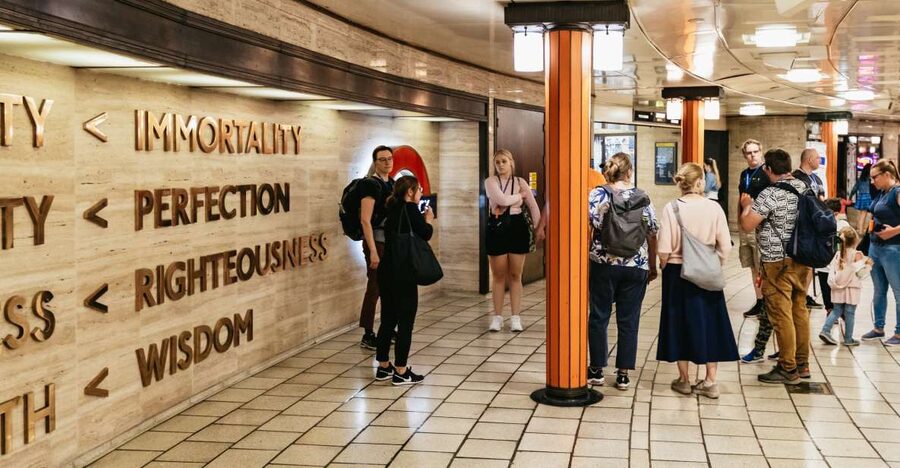
Review · WALKING TOURS
London: Secrets of the London Underground Walking Tour
The Tube has secrets you can walk to. This tour turns daily commutes into story-driven history as you pass through key sites tied to the Underground’s growth, from steam to electricity. I love the chance to start at Baker Street, a stop with roots going back to 1863, and I also like that you get an audio headset so the guide’s details stay clear even with station noise.
One heads up: it is a moderate walking experience with lots of stairs, so it is not a good fit for wheelchair users or anyone who struggles with steps.
The guides set the tone, and the best part is how often you hear questions answered on the fly. John, Peter, Aaron, Angela, and Aran all show up in past groups, and the common theme is that the tour stays fast and lively instead of turning into a lecture. If you want a Tube history lesson you can actually follow while moving, this works.
In This Review
- Key Things You Should Know Before You Go
- Baker Street to Westminster, a Tube Story You Can Follow
- The 1863 Baker Street Connection and Why It Sets the Tone
- A Short Tube Ride and the London Transport Museum Moment
- Steam Trains, Electrified Rails, and the Engineering Story Behind Your Trip
- Why So Many Stations Were Abandoned, and What Happened to Them
- The Roundel Symbol and the Hidden Language of the Tube
- Haunted and Disused Station Lore, With a Facts First Feel
- What the Walking and Tube Segments Really Mean for You
- Audio Headsets and the One Detail That Helps Everyone Hear
- Price and Value at About $40 for 2.5 Hours
- Who This Tour Fits Best, and Who Might Want to Skip It
- Who Will Guide Your Group, and Why It Matters
- Should You Book the London Underground Secrets Walking Tour?
- FAQ
- Where does the tour start?
- Where does the tour end?
- How long is the tour?
- What is the price per person?
- Is the London Underground ticket included?
- What travel card do I need?
- Is an audio headset included?
- What should I bring with me?
- Are strollers or luggage allowed?
- Is the tour suitable for wheelchair users or people with reduced mobility?
Key Things You Should Know Before You Go
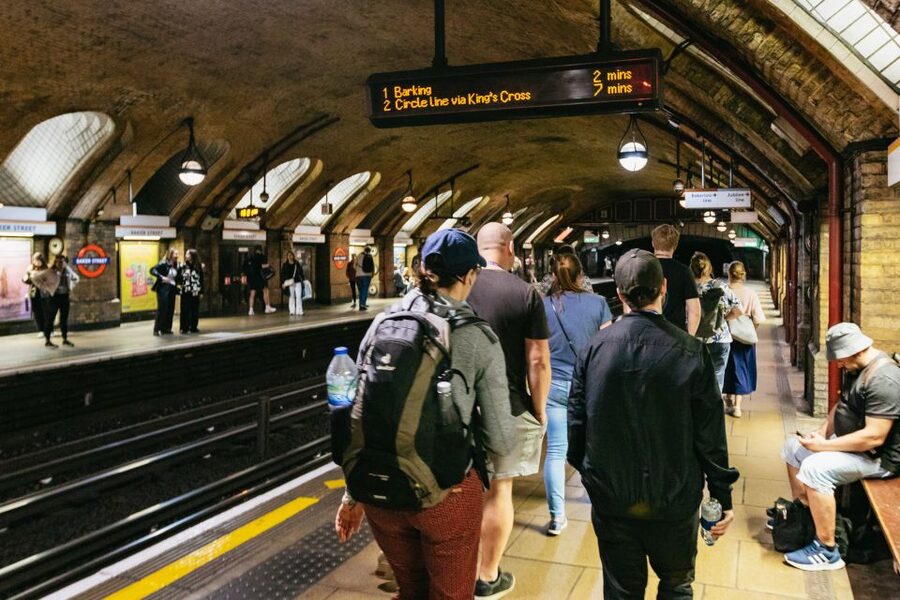
- Baker Street (1863 roots): You begin at a station tied to the Underground story from the start.
- Audio headset included: You do not have to fight for position to hear your guide.
- Real stations, not a textbook: The guide links the system’s design to what you see underfoot.
- Steam to electrification: You get the how and why, not just a timeline.
- Abandoned and repurposed Tube spaces: Expect stories about disused stations, wartime reuse, and hidden relics.
- Haunted-station lore, carefully framed: Ghost stories come with context, so it stays fun rather than scary.
Baker Street to Westminster, a Tube Story You Can Follow
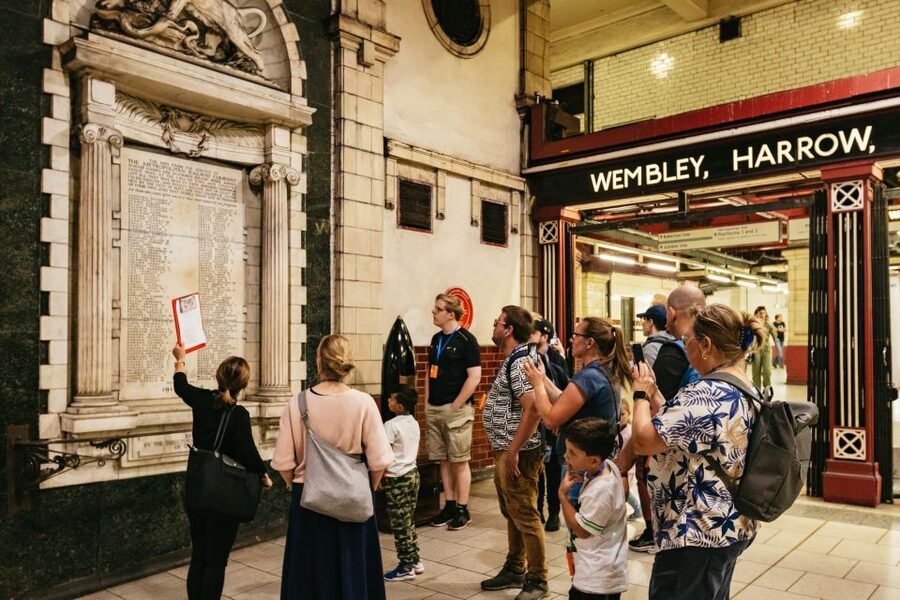
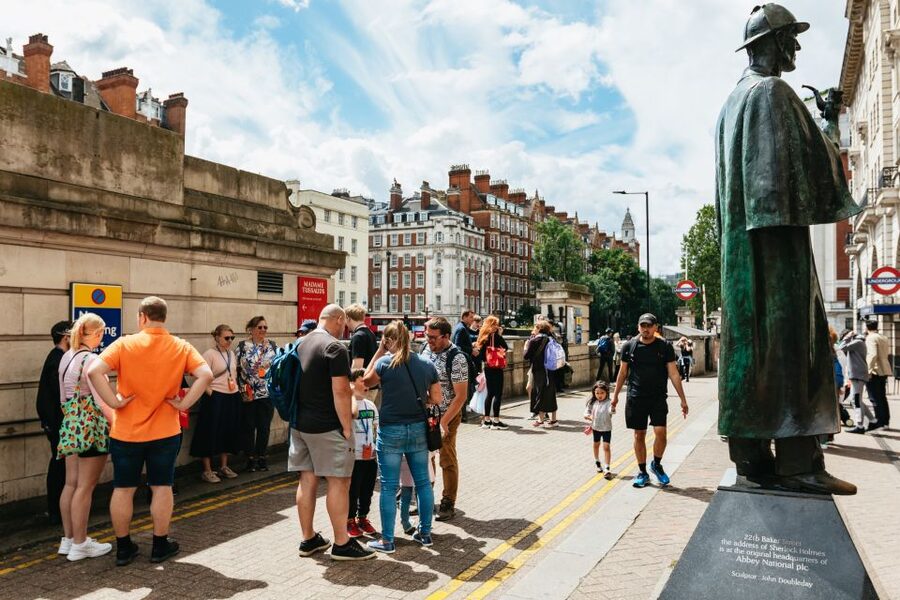
This is a 2.5 hour walking tour with Tube segments that focus on the London Underground as an icon, not just a way to get from A to B. Your group starts at Baker Street Station, meeting the guide outside the Sherlock Holmes statue. From there, you move through the area on foot while your guide stitches together how the system was built, how it changed, and what happened to stations that never fully played their role.
You finish in Westminster at 10B Bridge St, SW1A 2JR. That matters because it turns the experience into more than a circle back to the same platform. You end near the heart of central London, so you can keep exploring right away without feeling trapped in the Underground loop.
More Walking Tours in London
- Magical London: Harry Potter Guided Walking Tour
★ 4.7 · 22,044 reviews - London: The Original Jack the Ripper Walking Tour
★ 4.7 · 7,833 reviews - London: Harry Potter Movies Walking Tour (Kids Go Free)
★ 4.7 · 3,071 reviews
The 1863 Baker Street Connection and Why It Sets the Tone
Starting at Baker Street is a smart choice, because it grounds the whole tour in an early era of underground travel. The guide explains how the Underground evolved from pioneering ideas into a system that could handle massive passenger volume, and you get to anchor that story at a station tied to the earliest chapter.
You will also get a guided stop that includes a photo moment at Baker Street. Even if you think you already know the station from passing through it, the tour’s angle changes what you notice. Instead of seeing it as just a commute hub, you start spotting how infrastructure, entrances, and design reflect the system’s growth.
A Short Tube Ride and the London Transport Museum Moment
After the walking start, the itinerary includes a brief public transport segment, about 10 minutes. The goal here is not the ride itself, it is momentum. You are moving along the route so the guide can keep the story connected to what you are seeing rather than waiting for everyone to regroup.
Then comes the London Transport Museum visit. This stop helps you get the bigger picture before the tour heads deeper into the Underground’s weird and wonderful side. Even if you have visited the museum area before, the value here is the tour guide tying museum themes directly back to the stations on your route.
In other words, the museum visit works like a story amplifier. You see how symbols, design choices, and transport priorities came together, and you understand why certain features became so recognizable that they ended up in people’s everyday mental map of London.
Steam Trains, Electrified Rails, and the Engineering Story Behind Your Trip
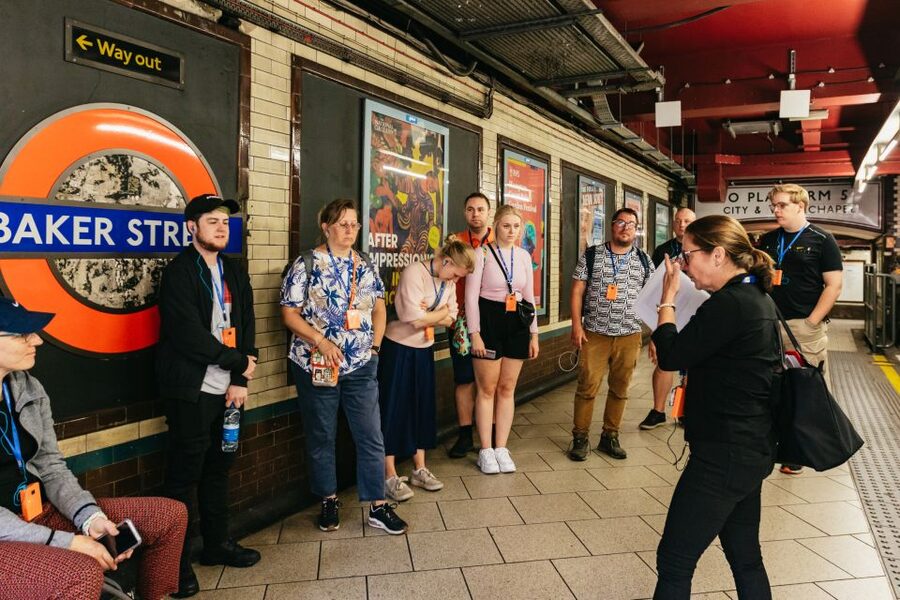
One of the most practical parts of this tour is how it explains technology in human terms. You learn how trains moved from steam power to electrified rails, and you get the logic behind why that shift mattered.
What I like about this approach is that it makes the Tube feel less mysterious. Even if you have ridden the Underground for years, it is easy to treat the system like magic. On this tour, you start to see it as a set of engineering decisions, each one tied to capacity, safety, and how the city demanded more service.
Your guide also talks about how the very first tunnels were built. You might think you already understand what a tunnel is, but hearing about early construction methods changes the way you picture what was possible at the time. It is the kind of detail that makes the city feel older and smarter, not just older.
Same corner of Britain, a different sort of outing:
- London: The London Eye Entry Ticket
★ 4.6 · 35,875 reviews - London: Tower of London and Crown Jewels Exhibition Ticket
★ 4.6 · 28,769 reviews - From London: Harry Potter Warner Bros Studio Tour
★ 4.7 · 26,588 reviews - London: Madame Tussauds London
★ 4.6 · 20,915 reviews
Why So Many Stations Were Abandoned, and What Happened to Them

A big thread in the tour is station after station with complicated fates. You learn why more than 40 stations have been left abandoned, and your guide connects that to how plans changed as the Underground network expanded.
This is where the tour can surprise you, even if you consider yourself a London regular. You start realizing that underground space does not always get used the way it was first intended. Lines get rerouted, demand shifts, and some platforms end up in the category of disused history.
You also hear about what became possible when the Underground was repurposed. The guide covers how the Tube was used as a refuge during the Blitz. You also get stories about the tube being used as an aircraft factory and as storage for treasures from the British Museum. That wartime reuse angle gives the tour emotional weight, because it is not only about ghosts and curiosity. It is about how London adapted when it had to.
The Roundel Symbol and the Hidden Language of the Tube
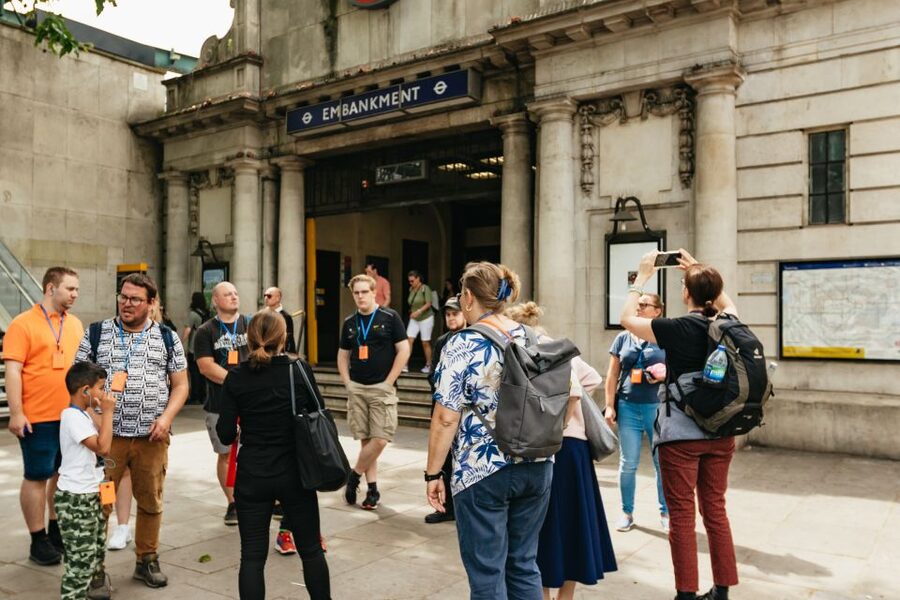
One of the tour’s clever moments is getting to grips with the famous roundel underground symbol. Your guide explains the story of the roundel, and the point is bigger than branding.
Symbols matter most when people are moving fast. London’s Underground is used by locals, commuters, tourists, and people with different levels of familiarity. Learning how that symbol came to be helps you read the Tube the way you would read a map, with less frustration and more confidence.
You might find yourself walking out of the tour looking at signage differently. That small shift is a real value-add, because it improves your next rides, not just your next memory.
Haunted and Disused Station Lore, With a Facts First Feel

The tour includes stories about haunted and disused stations, including reputations tied to a Pharaoh’s daughter and even a nun. These are the kind of details that sound like pure fiction until the guide gives you the surrounding context.
I like that the tour keeps the tone fun without turning it into a horror movie. It is more like folklore you can test against reality, because you are standing in the actual places where the stories attach themselves. You leave with the feeling that London’s past keeps whispering through architecture, signage, and old layouts.
One thing to consider: some people expected more literal access into a disused station. The tour still gives you an informed overview with strong storytelling, but access to fully closed-off spaces is not something you should count on.
If you are the type who loves atmospherics and local lore, this section is likely your favorite. If you only want hands-on exploration below ground, manage expectations and treat this as a history walk plus station-side storytelling.
What the Walking and Tube Segments Really Mean for You
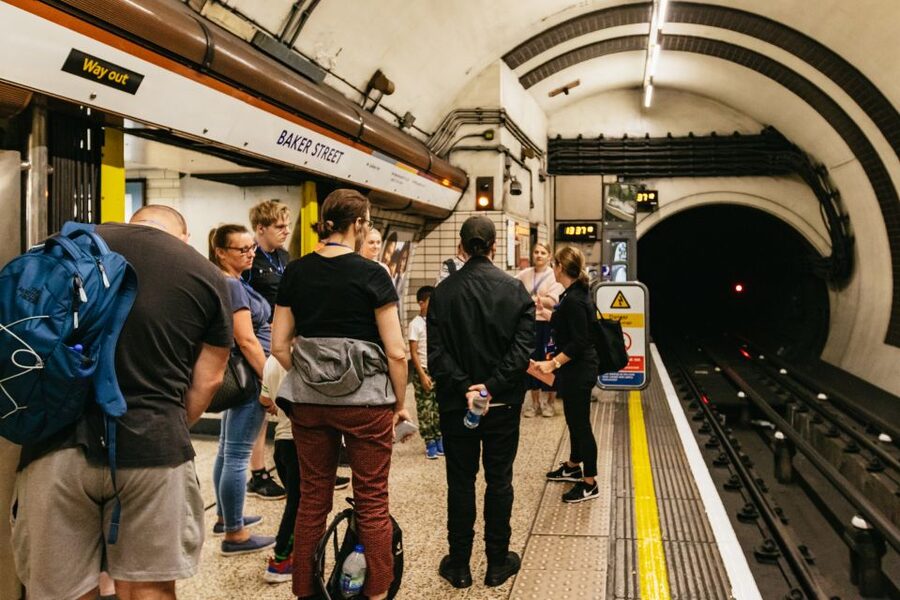
This is not a sit-and-listen tour. There is a moderate amount of walking, plus you are working inside an underground system where steps can be part of the path. The tour is also not suitable for reduced mobility and wheelchair users, specifically due to steps across the Underground system.
In plain terms: you need comfortable shoes and the willingness to keep moving at a steady pace. One of the reasons the tour earns strong reviews is that it keeps the group flowing and uses photo stops, short Tube movements, and station-side storytelling to maintain momentum.
You will also be glad you did not bring bulky luggage. The tour does not allow luggage or large bags, and baby strollers are not allowed either.
Audio Headsets and the One Detail That Helps Everyone Hear
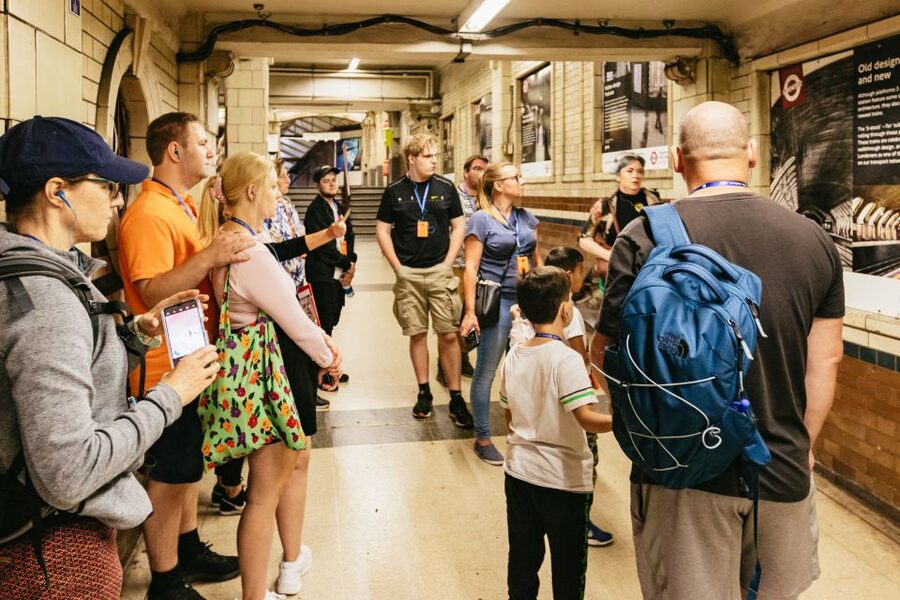
A standout included item is the audio headset. Multiple guides get praised, and the headset shows up as a big reason people found the experience easy to follow.
If you have ever tried to hear a guide in a crowded Tube concourse, you know the problem. Here, the setup reduces that. Most of the time it works well both above ground and inside stations, though there can be occasional headset audio issues depending on where you are during the day.
Still, for many groups, the headsets were the difference between catching every detail and missing half the story.
Price and Value at About $40 for 2.5 Hours
At around $40 per person for 2.5 hours, this sits in the midrange for London tours. The value comes from three places.
First, you are paying for a specialist guide who connects multiple eras of the Underground, not just one station’s trivia. Second, you get an included audio headset, which improves the experience for everyone in the group. Third, the route combines station-side history, a museum stop, and story threads like Blitz reuse and repurposed Underground spaces.
If you are already comfortable navigating London on your own, this is a good buy because it upgrades your usual rides with context. If you prefer self-guided history, then you might find yourself thinking you could read about it online. But the guided story helps you make sense of all the disconnected facts that float around Tube folklore.
Who This Tour Fits Best, and Who Might Want to Skip It
I think this tour is ideal if you:
- love history that you can physically point to in real places
- want Tube facts that go beyond service maps and platform numbers
- enjoy a guide who keeps the pace moving and answers questions
It is less ideal if you:
- need step-free routes or have limited mobility (the tour is not suitable due to stairs)
- want a quiet, purely museum-style experience with minimal walking
- expect guaranteed entry into disused station areas
If you are coming with kids, the tour can work well too. Guides get praised for handling inquisitive questions, and the combination of eerie station lore plus real engineering history tends to keep attention.
Who Will Guide Your Group, and Why It Matters
The guide names that show up in strong past experiences include John, Peter, Aaron, Angela, and Aran. A recurring pattern in the feedback is how well the guides balance lots of history with humor and group management.
If you care about narration style, this matters. The Underground has enough stories to get boring, fast, unless the guide has strong delivery. The best guides keep things moving, point out details you might never notice, and answer follow-up questions without turning it into a slowdown.
Should You Book the London Underground Secrets Walking Tour?
If you want to see the Tube as more than transport, I would book this. It is great for first-timers who want context quickly, and it is also good for people who have lived in London long enough to think they already know it, because the tour’s station-side secrets can still land new details.
I would skip it only if mobility limitations are a concern or if you are looking for a mainly museum-based experience with no walking. Otherwise, for a 2.5 hour hit of Underground origins, wartime reuse, symbolic design, and haunted lore, this offers solid value and a story you can carry onto your next Tube ride.
FAQ
Where does the tour start?
It starts at Baker Street Station. You meet the guide outside the Sherlock Holmes statue.
Where does the tour end?
The tour finishes at 10B Bridge St, Westminster, London SW1A 2JR.
How long is the tour?
The duration is 2.5 hours.
What is the price per person?
The price is $40 per person.
Is the London Underground ticket included?
No. You need your own London Underground ticket or Oyster card, and travel cards are required for this tour.
What travel card do I need?
You need a day travel card for Zones 1 to 2, or an Oyster card, purchased before joining the tour.
Is an audio headset included?
Yes. The tour includes a tour guide and an audio headset.
What should I bring with me?
Bring a public transport ticket.
Are strollers or luggage allowed?
No. Baby strollers are not allowed, and you cannot bring luggage or large bags.
Is the tour suitable for wheelchair users or people with reduced mobility?
No. It is not suitable for customers with reduced mobility or wheelchair users due to the number of steps on the Underground system.
Newly listed near London
- London: 3-Hours Private Walking Tour★ 4.4 · 8 reviews
- London: 3-hour Outdoor Escape Room Game★ 4.0 · 5 reviews
- London: 3 Most Famous Art Galleries Tour★ 5.0 · 3 reviews
- London: 24-Hour Hop-On Hop-Off Bus Pass★ 3.1 · 133 reviews
- London: Secret Beer Tour★ 4.9 · 10 reviews
- London: 3 Days of Must-See Attractions including London Eye★ 4.5 · 22 reviews
- London: Private Underground and Tube Tour★ 4.6 · 42 reviews
- London: 20-Minute Tower RIB Blast from Tower Pier★ 4.7 · 135 reviews
Walking Tours, compared.

Magical London: Harry Potter Guided Walking Tour
Read our review →

University and City Walking Tour with Alumni Guide
Read our review →
Harry Potter Movies Walking Tour (Kids Go Free)
Read our review →
The Great British Rock and Roll Music Walking Tour
Read our review →
Jack the Ripper Walking Tour – Ripper Vision Tours
Read our review →
Browse the lists this tour appears in