
Review · WALKING TOURS
London: Serial Killers of London Guided Walking Tour
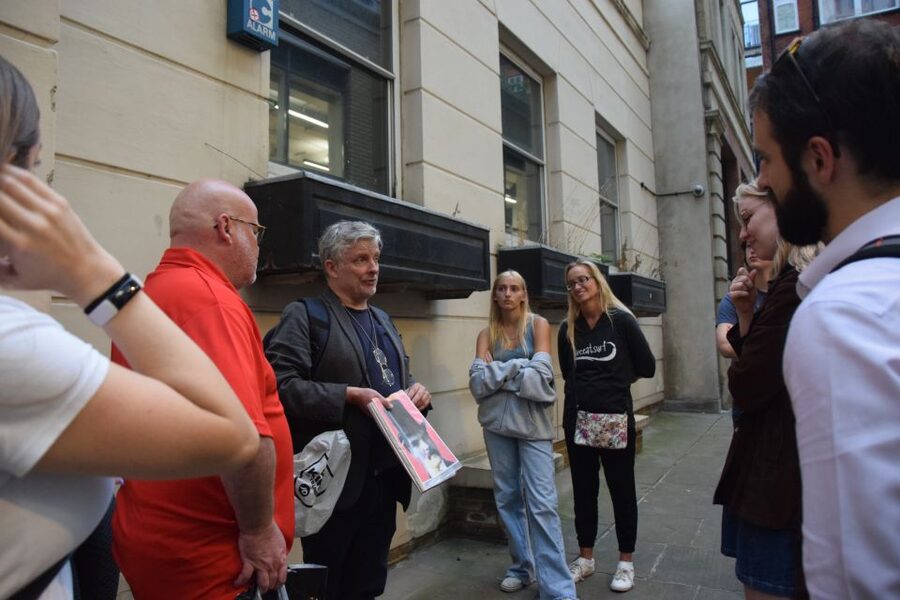
London after dark turns your stomach, fast. This 2-hour Serial Killers of London guided walking tour takes you through crime-scene locations in and around central London, with historical photos and the investigation stories that followed. You’ll start near Barbican Underground, where the guide frames the cases with both the human motives and the police pressure cooker that brought killers to justice.
I love the way Declan tells the stories. He stays interactive, keeps the group thinking with questions, and makes room for people to ask their own follow-ups. I also love the stop-by-stop approach, where you’re shown the locations and paired with supporting photos and detailed descriptions, not just a list of names.
One possible drawback: this is heavy material. Serial killers and their crimes are deeply disturbing, and the tour runs rain or shine, so you need to go in knowing what you can handle. Also, it’s not suitable for people with mobility impairments because it’s a walking route.
In This Review
- Key highlights at a glance
- Starting at Barbican: the meetup, the mood, and the walking pace
- The opening cases: Dennis Nilsen and Peter Sutcliffe
- How the tour moves from case to case, and why the locations matter
- Crime-scene photos and supporting materials at street level
- The psychology and social factors: more than just a list of names
- Police investigations and manhunts: where justice becomes a process
- What can feel tricky for sensitive visitors
- Price and value: is $22 for 2 hours a fair deal?
- Language, guide style, and group suitability
- The practical bits you shouldn’t ignore
- Should you book the Serial Killers of London walking tour?
Key highlights at a glance
- Meet Declan at Barbican: Outside the only exit at Barbican Underground station, look for the sign on his rucksack on the ground.
- 11 notorious cases: You’ll hear stories covering 11 serial killers connected to London and its surroundings.
- Crime-scene walking stops: You’ll visit former crime-scene locations you likely would never choose on your own.
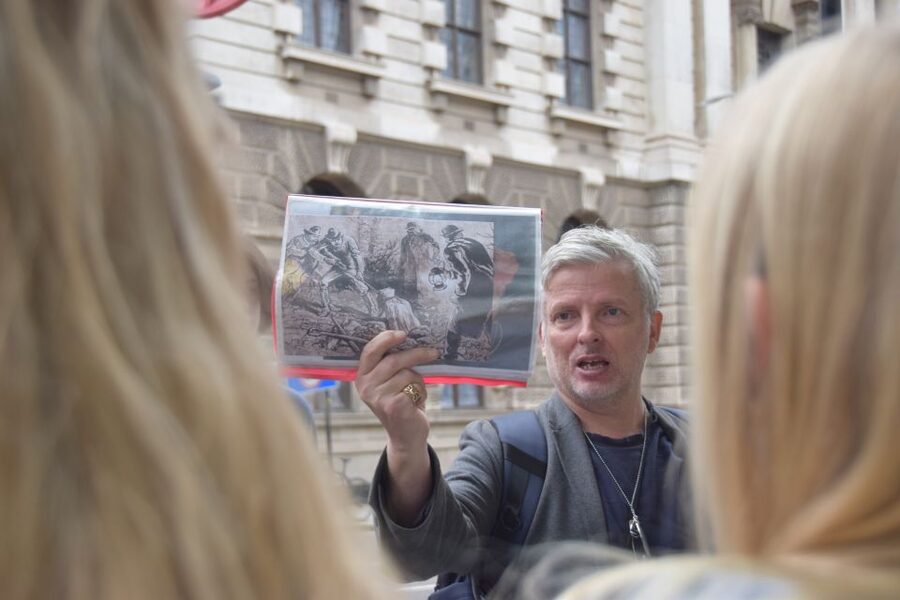
- Photos at the sites: Each stop comes with historical images and detailed context to connect story to place.
- Investigation and manhunt focus: You learn how law enforcement tracked suspects and why cases eventually turned.
- Weather and comfort matter: Rain or shine, and it’s not built for mobility impairments.
Starting at Barbican: the meetup, the mood, and the walking pace
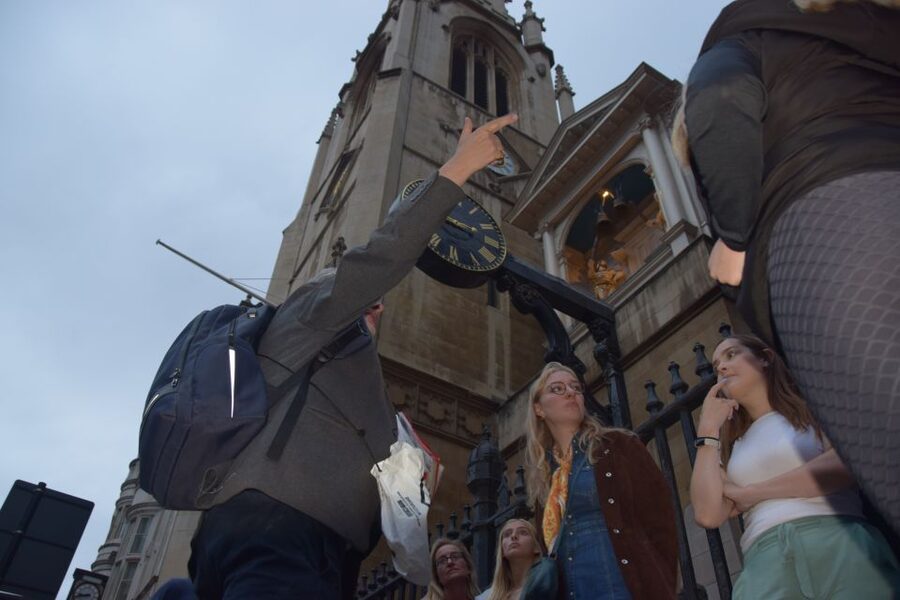
This tour begins at Barbican Underground, outside the only exit. Plan to arrive at least 15 minutes early, because the group leaves promptly and you do not want to miss the start. When you get there, you’ll spot Declan by his rucksack sign, sitting on the ground, which makes it easier to find the correct group without playing guessing games.
The first thing I’d tell you is that this is not a casual sightseeing walk. The guide sets a tone that’s part education, part true-crime storytelling, and part social history. Expect to walk, listen, stop, and then walk again. With a 2-hour duration, the pacing is fairly full: there are multiple cases, plus photos, plus discussion moments.
Also, the tour runs rain or shine, so dress like you are going to be outside for two hours with breaks but no indoor reset. Comfortable shoes matter here more than usual. You’ll be outdoors enough that a bad footwear choice turns the experience from interesting to miserable.
More Walking Tours in London
- Magical London: Harry Potter Guided Walking Tour
★ 4.7 · 22,044 reviews - London: The Original Jack the Ripper Walking Tour
★ 4.7 · 7,833 reviews - London: Harry Potter Movies Walking Tour (Kids Go Free)
★ 4.7 · 3,071 reviews
The opening cases: Dennis Nilsen and Peter Sutcliffe
You start in the heart of London with some of the most infamous names. The tour specifically calls out Dennis Nilsen and Peter Sutcliffe as part of the early focus, and that matters because they’re not just “famous cases.” They’re often used as anchors for how the guide explains patterns in behavior, investigation timelines, and the strain placed on police.
What I think works about starting with these cases is that you get a clearer framework fast. The guide talks about motivations and methods, and that helps you understand why detectives couldn’t always solve cases quickly. You also get a sense of how London itself, crowded and constantly changing, complicates investigations.
You should also be ready for the fact that the tour does not sanitize the subject matter. Even with the historical framing, the crimes are described, and the whole point is to connect human choices to real-world consequences.
How the tour moves from case to case, and why the locations matter
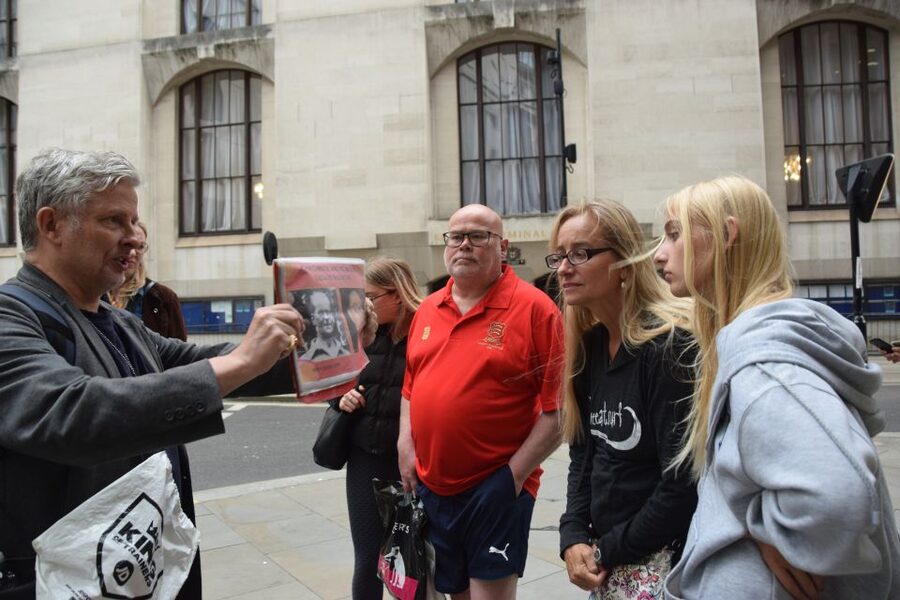
The highlights promise you 11 serial killers and “parts of London you wouldn’t normally visit.” In practice, that means the walking route is designed to connect story to street level. You’re shown former crime-scene locations, and the guide attaches details and historical photos to each stop.
I like this structure because it keeps you from treating the cases like isolated news stories. When you see a place, you naturally ask, Why here? How would this have looked back then? The guide’s job is to guide you into those questions, and the stops do a lot of the heavy lifting for that.
At each location, you can expect a repeatable pattern:
- what happened and what made it distinctive
- how law enforcement responded
- what clues mattered, and what didn’t
- how the case affected the surrounding city and people
That repeated structure is useful because serial-killer cases can blur together if they’re told as only biography. Place-based storytelling gives your brain something concrete to hold onto, even when the stories are grim.
Crime-scene photos and supporting materials at street level
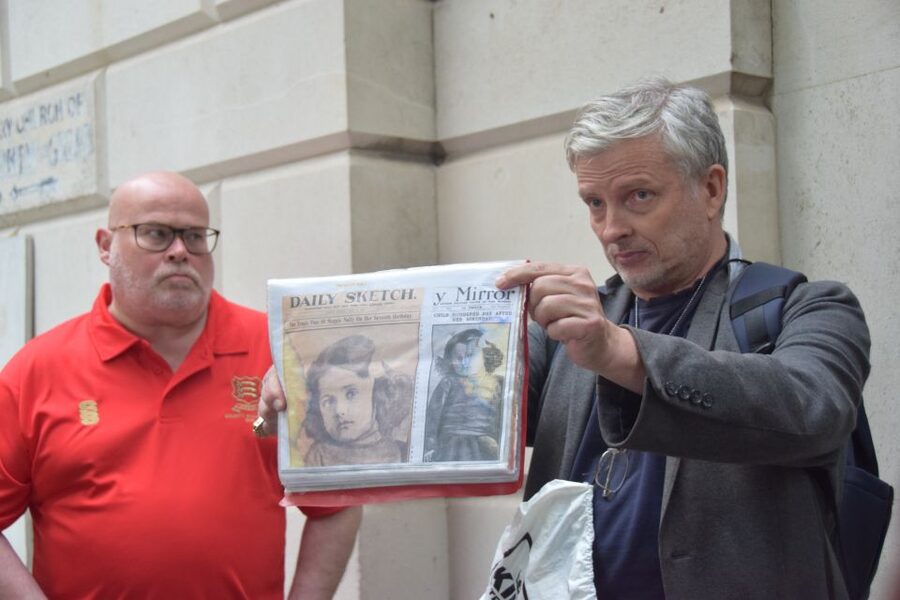
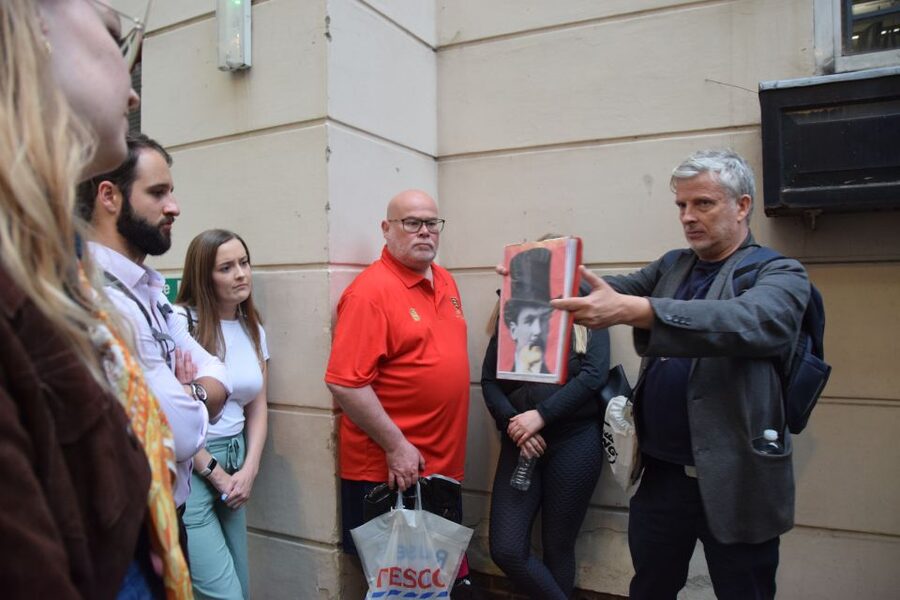
One of the strongest promises for this tour is the inclusion of detailed descriptions and historical photos at the relevant stops. That’s a big deal for value. A walking tour that only talks about what happened is information. A tour that shows images tied to the location is memory. You’re more likely to remember how each case fits into the bigger picture.
In real life, photo quality and presentation can vary with time and medium. So if you’re extremely picky about image sharpness, just know that the tour uses older materials and visuals, and not every photo will look like something from a modern book.
Still, when it’s working, the photos do something practical. They help you avoid turning the stories into pure rumor or headline energy. You’re given supporting visuals so you can follow the guide’s explanation of investigations and timelines.
Same corner of Britain, a different sort of outing:
- London: The London Eye Entry Ticket
★ 4.6 · 35,875 reviews - London: Tower of London and Crown Jewels Exhibition Ticket
★ 4.6 · 28,769 reviews - From London: Harry Potter Warner Bros Studio Tour
★ 4.7 · 26,588 reviews - London: Westminster to Greenwich River Thames Cruise
★ 4.5 · 22,836 reviews
The psychology and social factors: more than just a list of names

This tour doesn’t only focus on who killed whom. It also aims to explain the psychological and social factors that led these individuals to become serial killers.
That part matters for your understanding, because serial-crime patterns often confuse people. You might wonder how someone could live in the same city while terrorizing others. A case-by-case method can feel random. A social and psychological framing tries to show how patterns build, how opportunity can matter, and how victims and communities can be affected beyond the immediate crime scene.
It also helps you separate story from speculation. The guide is there to explain and connect, rather than to just name offenders and move on. The best moment in tours like this is when the guide answers the question you didn’t know you had yet, like how police thinking evolves when clues don’t line up neatly.
Police investigations and manhunts: where justice becomes a process
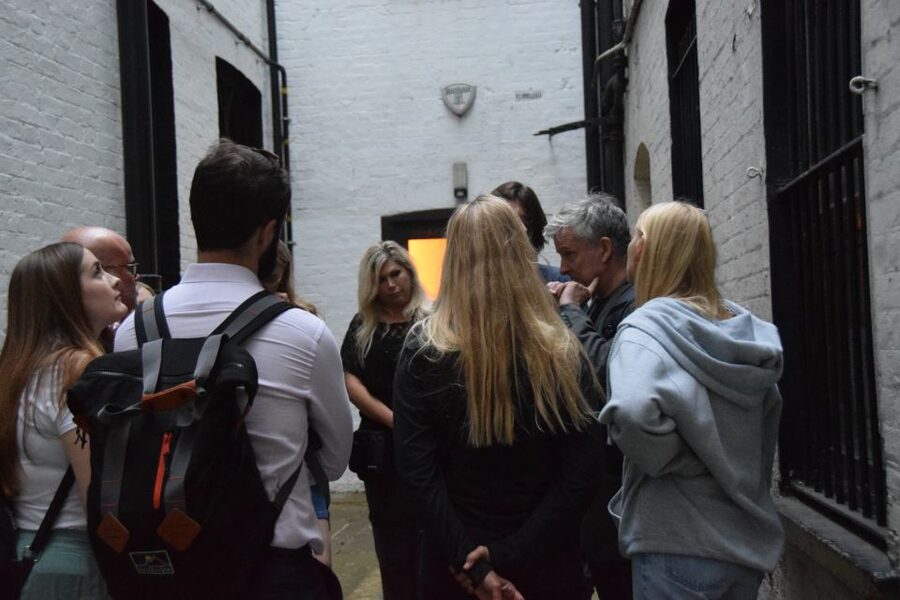
The tour’s highlights emphasize law enforcement efforts and how detectives brought killers to justice. And that’s where the experience gets especially educational, because the story shifts from the offender to the work around them.
You’ll hear about police investigations and manhunts, which gives you a sense of how hard it is to build cases without modern tools. Even if you already know famous outcomes, it’s worth paying attention to how the guide explains turning points: how leads were followed, how mistakes could slow progress, and how pressure mounted as crimes continued.
I also appreciate that the tour frames the bravery and persistence of officers and detectives. It’s easy to focus only on the most shocking parts of the crimes, but justice is not a single dramatic moment. It’s a process, and the tour makes that process part of the story.
What can feel tricky for sensitive visitors
Before booking, the activity is very clear that serial killers and their crimes are deeply disturbing and not suitable for everyone. I’m glad they say that up front.
So here’s the real-world check you should do before you go:
- If you know you get overwhelmed by graphic details or intense true-crime narratives, this may be too much.
- If you prefer your history dark but not personal, this may feel heavier than you want.
- If you’re comfortable with the topic but sensitive to violence, consider sitting out or choosing a less intense tour.
On top of the subject matter, the walking is outdoors, and it runs in poor weather too. That means you are making a two-hour commitment to both the topic and the physical conditions. Plan accordingly.
Price and value: is $22 for 2 hours a fair deal?

At $22 per person for a 2-hour guided walking tour, the value is mostly about density. You’re covering 11 serial-killer stories, adding crime-scene stops, and getting photos and investigation context, all with a live guide.
That’s a lot of material for a short window. If you’re the type who likes true-crime detail and wants the stories tied to places, $22 feels reasonable because the guide is doing the work of turning theory into a clear route and explanation.
If you’re more of a “show me the highlights only” visitor, you might find the content comes fast. This is not a slow, fluffy stroll. It’s a focused walk through dark topics with stops and explanation.
Language, guide style, and group suitability
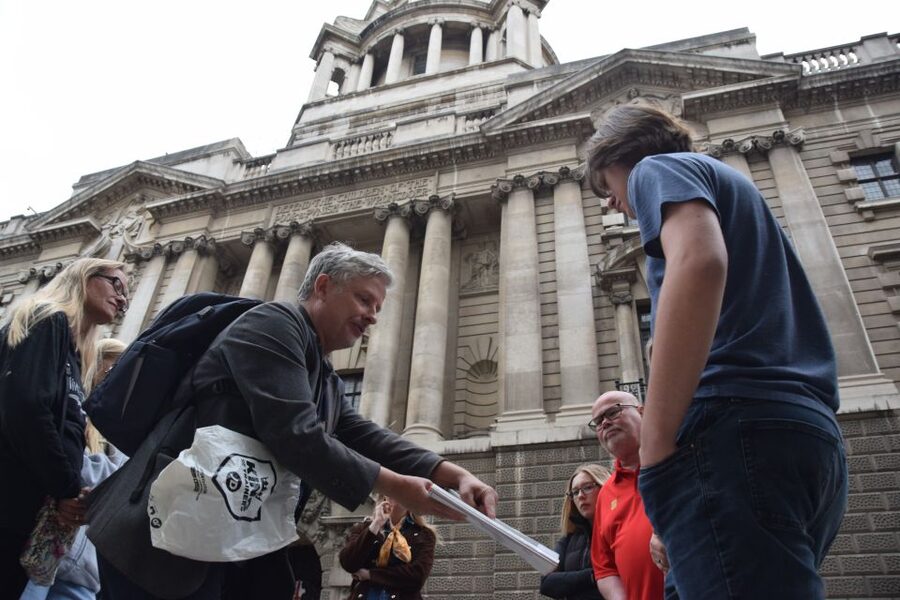
The tour is guided in English, so it’s straightforward if you’re comfortable listening to spoken stories at walking pace.
Declan is often described as engaging and interactive, which matters because it keeps you from becoming a passive listener. Asking questions and getting answers can also make tough material easier to process. If your group includes people with different levels of true-crime interest, that interaction can help beginners feel included without slowing the story down too much.
Still, style can vary. Some visitors prefer strictly neutral, academic delivery, with every claim backed by citations. This tour is story-forward, and you might notice more interpretive discussion than you expect, especially around motivations and how the guide frames certain case details.
The practical bits you shouldn’t ignore
This is a rain-or-shine walking tour, so bring what you’d bring for an outdoor city walk in London. Wear comfortable shoes, dress in layers, and be ready to stand and listen outdoors during stops.
Also, it’s not suitable for people with mobility impairments, so if that applies to you, you’ll want to choose a different format that is easier on the body.
If you want maximum flexibility, the booking options include reserve now and pay later. And cancellations are available up to a day in advance for a full refund, which gives you room to adjust if your schedule shifts.
Should you book the Serial Killers of London walking tour?
Book it if you want a guided, location-based true-crime walk that includes 11 serial-killer stories, crime-scene stops, and investigation context, all in 2 hours. If you’re drawn to the idea of connecting historical photos and explanations to actual places in London, this format fits.
Skip it if you are easily unsettled by violent crime narratives, or if you prefer lighter history. And if mobility is a concern, this route is not designed for it.
If you do book, go in with a clear mindset: this is dark history, presented as a walk. If that’s what you want, you’re likely to come away feeling like you saw London from a side most people never choose to look at.
Newly listed near London
- Women in art – National Gallery★ 5.0 · 3 reviews
- Woking: Royal Horticultural Society Wisley Garden Ticket★ 4.7 · 24 reviews
- Windsor Stonehenge Bath Private Tour from London with Passes★ 4.8 · 5 reviews
- From London: Windsor, Stonehenge & Oxford Private Car Tour★ 3.5 · 4 reviews
- Windsor Castle Tour with Fish and Chips Lunch in London★ 4.4 · 25 reviews
- Windsor Castle & Hampton Court Palace VIP Black Taxi Tour★ 4.9 · 14 reviews
- London: Windsor Castle & Tower of London Tour with Tickets★ 3.3 · 15 reviews
- From London: Windsor Castle, Bath, and Stonehenge Day Trip★ 4.4 · 153 reviews
Walking Tours, compared.

Magical London: Harry Potter Guided Walking Tour
Read our review →

University and City Walking Tour with Alumni Guide
Read our review →
Harry Potter Movies Walking Tour (Kids Go Free)
Read our review →
The Great British Rock and Roll Music Walking Tour
Read our review →
Jack the Ripper Walking Tour – Ripper Vision Tours
Read our review →
Browse the lists this tour appears in