
Review · MUSEUMS
London: Tate Britain Turner and Constable Exhibition
Fire and water, in oil paint.
This one-hour Tate Britain exhibition lines up J.M.W. Turner and John Constable as rivals, but also as kindred spirits through nature, light, and the way each man changed landscape art. You get the bigger story of their intertwined careers, plus close-up glimpses of their working habits through sketchbooks and personal items.
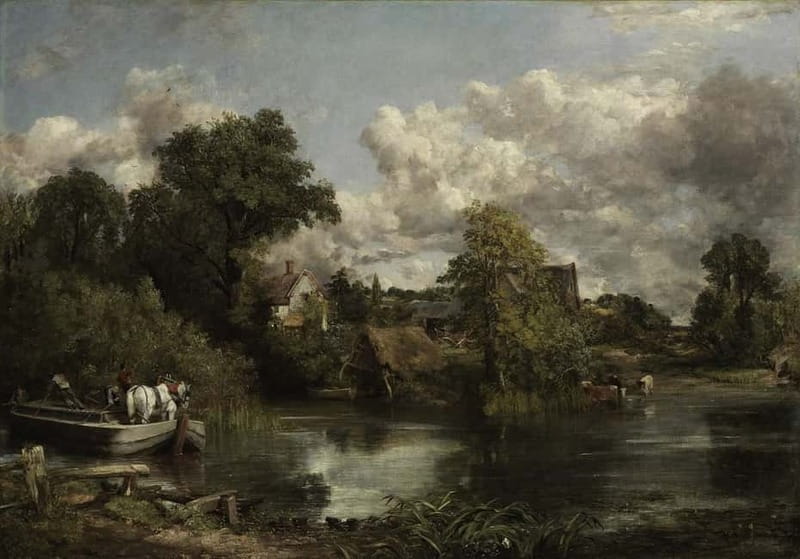
I love two things most. First, the show’s focus on their different paths to fame, Turner coming up fast from gritty Georgian London and Constable pushing for recognition from a different starting point. Second, you’ll see Constable’s expressive cloud sketches and Turner’s later paintings that shocked critics and helped inspire Claude Monet.
One thing to consider: it’s only 1 hour, so if you like to read every wall label and sit with one artwork for a long time, you may feel a bit time-compressed.
In This Review
- Key things to know before you go
- Tate Britain’s Turner and Constable show: rivalry in a single ticket
- From Manton ticket desk to gallery door in about 15 minutes
- Why these two artists were natural rivals: fire and water
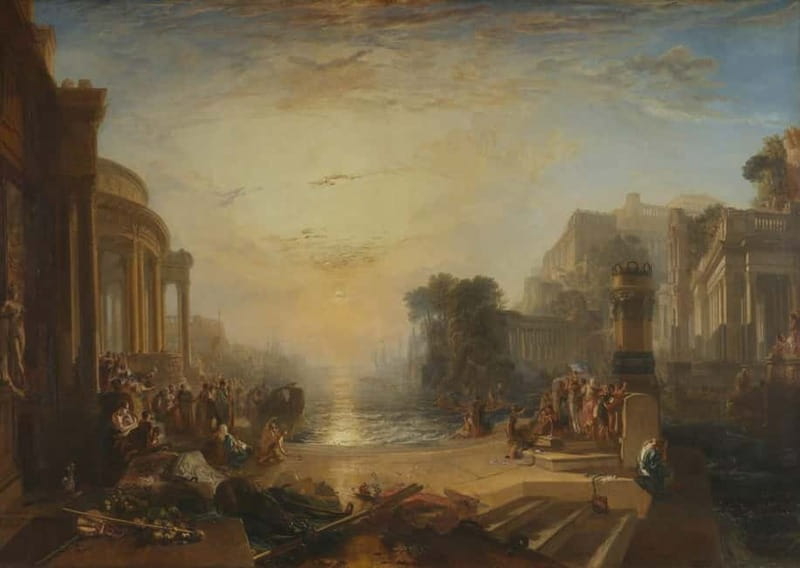
- Turner’s later paintings that shocked critics
- Constable’s clouds and the English sky’s changing light
- Sketchbooks and personal items: the human scale of genius
- How to pace your 1-hour visit (and where to linger)
- Price and value at Tate Britain’s no-fee museum
- Should you book this Turner and Constable exhibition?
- FAQ
- How long is the Turner and Constable exhibition at Tate Britain?
- Where do I pick up my exhibition ticket?
- Is there an entrance fee for Tate Britain itself?
- Is the experience wheelchair accessible?
- What is included in the ticket price?
- Is free cancellation available?
Key things to know before you go
- Turner and Constable side by side, showing how rivalry fueled new ways of painting nature
- Turner’s later power, paintings that surprised art critics in their own day
- Constable’s cloud sketches, built for changing light and quick, honest observation
- Sketchbooks and personal items, so you see process, not just finished masterpieces
- Curated by Amy Concannon and Nicole Cochrane, Historic British Art (1790 to 1850) specialists
- Wheelchair accessible, and the exhibition is designed for an easy, focused visit
Tate Britain’s Turner and Constable show: rivalry in a single ticket
If you’ve ever wondered why art history talks about Turner like a force of nature, this exhibition explains it with actual evidence. The pairing is built around a simple idea: these two British landscape painters were born a year apart, and they both used the outdoors as a way to talk about what’s happening in the world.
You’ll get a tight, readable overview of the Turner versus Constable contrast, sometimes called fire and water by critics. Think blazing, high-energy effects on one side, and careful attention to weather, air, and atmosphere on the other. The result is not just a comparison for comparison’s sake. It helps you see how changing techniques and changing subject matter can both carry emotion.
I also like that the show doesn’t treat them as distant names. You get enough personal material, sketchbooks especially, to make them feel like working artists with doubts, revisions, and repeat obsessions.
More Museum Tours in London
- London: Tower of London and Crown Jewels Exhibition Ticket
★ 4.6 · 28,769 reviews - London: Chelsea Football Club Stadium and Museum Tour
★ 4.8 · 4,576 reviews - London Transport Museum Entrance Ticket
★ 4.5 · 1,323 reviews
From Manton ticket desk to gallery door in about 15 minutes
Your time starts before you even reach the galleries. Tate Britain’s entrance is set up so you’ll exchange your booking confirmation at the Manton ticket desk for the exhibition ticket.
Plan on arriving a little early, I’d say at least 15 minutes before your entry time, because you do not want to sprint while your brain is still in travel mode. This is a short experience overall, so small delays can matter.
One nice practical note: a recent visitor liked how Tate staff handle everyday items at entry, including coats, backpacks, and even an umbrella. So if you’re dealing with London weather, you can show up realistically dressed, not museum-dressed.
Why these two artists were natural rivals: fire and water
The exhibition’s backbone is the idea that Turner and Constable weren’t just two guys painting outdoors. They were two men pushing the medium in different directions, often from very different starting points.
Turner was born in 1775 and raised in the gritty heart of Georgian London. Even with humble beginnings, he became a rising star. Constable, born in 1776, was the son of a wealthy Suffolk merchant, and even with that advantage, his climb was tougher than you might assume from an easy storybook narrative.
So the rivalry isn’t only about taste. It’s also about background, ambition, and how each artist decided to prove himself.
Here’s the key takeaway for you: you’ll understand why Turner paints dramatic power and why Constable returns again and again to familiar places. Turner’s approach often links to travel, brighter extremes, and later works that feel like they’re turning the rules inside out. Constable’s approach is more about renewal, picking apart light and weather in the same regions until the paintings feel fresh again.
Turner’s later paintings that shocked critics
When people talk about Turner, they often stop at early fame or famous river scenes. This exhibition gives you the crucial phase where his work becomes more intense and more unsettling for some viewers.
You’ll see Turner’s powerful later paintings, the ones that shocked art critics of his day. That matters because it shows Turner wasn’t just improving over time. He was actively changing what viewers thought art should do.
A strong part of the show is how it frames these later works as a turning point, not a random late-career wobble. You also get the knock-on effect: Turner’s bold later style helped inspire Claude Monet. If you connect those dots while you’re standing in front of the paint, the exhibition becomes more than a history lesson. It becomes a chain reaction you can literally feel.
Practical tip for your viewing: don’t rush past Turner just because you think you already know him. Spend a few minutes letting your eyes adjust to the movement, the contrast, and the way his later works push color and atmosphere toward something almost physical. If you only give Turner a quick glance, you’ll miss why people argued about him so loudly.
More museum visits in London:
- London: British Museum Guided Tour
★ 4.3 · 1,182 reviews - London: British Museum Guided Tour with Entrance Tickets
★ 4.9 · 748 reviews - London: Tour of the British Museum
★ 4.1 · 678 reviews - Afternoon Tea at the British Museum
★ 4.2 · 511 reviews
Constable’s clouds and the English sky’s changing light
Constable is the artist who teaches you how to look. This show spotlights his expressive cloud sketches, and that’s where things get fun in a very non-museum way.
Clouds sound simple until you see how hard they are to capture honestly. Constable’s sketches emphasize that the sky is never static. Light changes minute to minute. Weather has moods. The cloud shapes are temporary, so the artist has to work like a scientist and like a poet at the same time.
That’s why the clouds matter in this exhibition. They’re not filler. They are the foundation for how Constable builds authenticity, especially in his paintings. You’ll see how his studies capture shifting conditions, and then you can trace that sensitivity back into the way he paints air and weather in finished works.
Also, the show helps you understand his habit of returning to a limited set of beloved places. It’s easy to assume repetition equals boredom. Here it reads as disciplined observation. He’s chasing freshness, not novelty.
If Turner is fire, Constable is water, and that’s not just a metaphor. You’ll feel it as you alternate between their types of energy.
Sketchbooks and personal items: the human scale of genius
One of the most valuable parts of this exhibition is the chance to see artists at work, not only artists on display.
The show includes sketchbooks and personal items that offer unexpected sides to both men. This is where the exhibition stops being two-dimensional. You begin to see their attention habits, their revisions, and the private choices that never make it into a textbook caption.
I especially like that these materials create continuity between process and finished results. Even if you don’t consider yourself an art person, it becomes easier to read the paintings because you’ve already seen how they build toward them.
And yes, you get a peek into their personal lives through these objects. That doesn’t mean it becomes gossip or simple biography. It means you understand the pressures behind the work, including why rivalry could feel personal even when it was rooted in artistic ambition.
You’ll leave with a better sense of what art-making looked like in real time, with real effort.
How to pace your 1-hour visit (and where to linger)
This experience is set for about one hour, which is a good length for most people. But it can be either a relaxed visit or a stressed one depending on how you pace.
Here’s a simple strategy that works well for a focused exhibition:
- Start by scanning the introductory sections so you know what comparison the show wants you to make.
- Then pick one anchor for each artist, Turner first or Constable first. Spend your deepest time where the later Turner impact and the cloud sketches are emphasized.
- Finally, shift to the sketchbooks and personal items so you end your visit with the feeling of process.
Don’t feel guilty skipping some sections quickly. The show’s main value is the dialogue between the two artists, not collecting every fact on the wall.
If you like to read every label, do this: plan to arrive on time, do not stop for long breaks halfway through, and consider adding extra time at Tate Britain afterward if you want to keep the art conversation going.
Price and value at Tate Britain’s no-fee museum
The listed price is $32 per person for the exhibition. That sounds straightforward, but value depends on what you compare it to.
Good news first: Tate Britain has no entrance fee for the museum itself. What you’re paying for here is access to this specific exhibition. So you’re not buying a whole museum ticket just to see one show.
What makes the price feel fair is the density of what you get in one hour. You’re not only seeing major works. You’re seeing:
- how Turner’s later shock-and-inspire phase fits into the bigger story
- how Constable’s cloud studies translate into finished authenticity
- how their personal working materials help explain their results
It’s especially good if you want a high-impact art experience without committing to an all-afternoon plan. If you already love Turner, the show will likely feel like a strong hit. If you’re less certain about Constable, the clouds section is a great entry point because it teaches you a way to look, not just what to admire.
One practical caution: if you rely on Art Fund membership, I’d check before you book. A visitor reported frustration that the membership did not apply through the booking process they used.
Should you book this Turner and Constable exhibition?
Book it if you want a smart, side-by-side look at two British art giants who pushed nature art in different directions. I’d also recommend it if you like exhibitions that show process, not just finished masterpieces, since the sketchbooks and personal items are a real part of the payoff.
Skip or reconsider if you’re the type who needs lots of time per room and insists on long reading pauses. The 1-hour format is perfect for focused viewing, but it isn’t designed for slow meditation.
If you’re visiting London with limited museum time, this is a strong choice because it feels like a complete story in one ticket. And if you leave wondering about Monet or about how artists react to critics, the exhibition has already done its job.
FAQ
How long is the Turner and Constable exhibition at Tate Britain?
It lasts about 1 hour.
Where do I pick up my exhibition ticket?
Bring your booking confirmation to the Manton ticket desk to exchange for your exhibition ticket. Plan to arrive at least 15 minutes before your entry time.
Is there an entrance fee for Tate Britain itself?
Tate Britain has no entrance fee, but some exhibitions can have an additional charge.
Is the experience wheelchair accessible?
Yes, it is wheelchair accessible.
What is included in the ticket price?
Your ticket includes entrance to the Turner and Constable exhibition.
Is free cancellation available?
Yes, you can cancel up to 24 hours in advance for a full refund.
Newly listed near London
- Women in art – National Gallery★ 5.0 · 3 reviews
- Woking: Royal Horticultural Society Wisley Garden Ticket★ 4.7 · 24 reviews
- Windsor Stonehenge Bath Private Tour from London with Passes★ 4.8 · 5 reviews
- From London: Windsor, Stonehenge & Oxford Private Car Tour★ 3.5 · 4 reviews
- Windsor Castle Tour with Fish and Chips Lunch in London★ 4.4 · 25 reviews
- Windsor Castle & Hampton Court Palace VIP Black Taxi Tour★ 4.9 · 14 reviews
- London: Windsor Castle & Tower of London Tour with Tickets★ 3.3 · 15 reviews
- From London: Windsor Castle, Bath, and Stonehenge Day Trip★ 4.4 · 153 reviews
Museums, compared.

Tower of London and Crown Jewels Exhibition Ticket
Read our review →
Liverpool Football Club Museum and Stadium Tour
Read our review →
Chelsea Football Club Stadium and Museum Tour
Read our review →

British Museum Guided Tour with Entrance Tickets
Read our review →Browse the lists this tour appears in