
Review · THAMES RIVER CRUISES
Paddleboard Experience on the beautiful Thames at Richmond
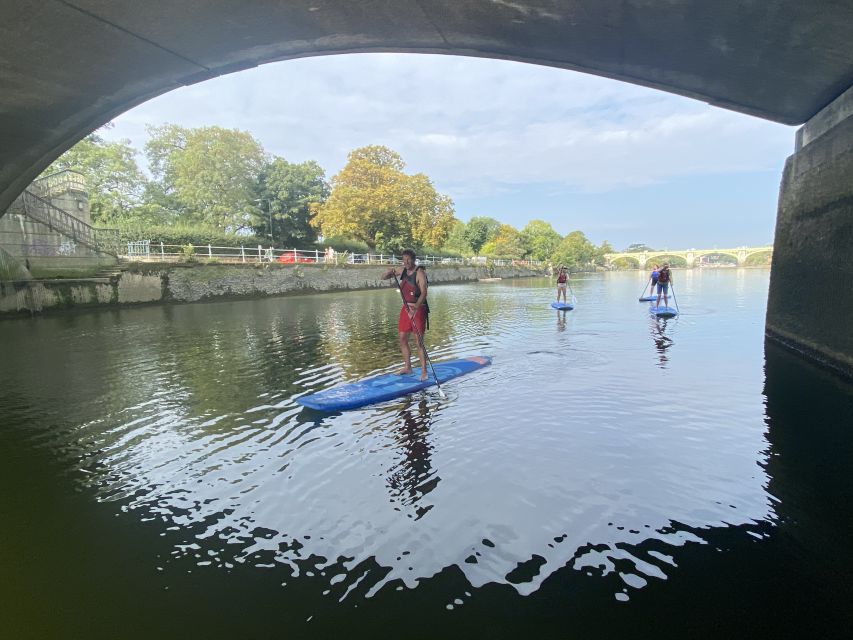
Learning to stand on a board on the Thames feels strangely cinematic. You start on land near Richmond Bridge, then you’re pushed into the real thing with a friendly, fully qualified coach and a small group. What I like most is how calm and controlled the setting feels on a safe stretch of river.
I also love the way this class works for different skill levels. You’ll get tuition that goes beyond just giving you a paddle, and the session includes a proper river tour timed to conditions, with you heading upstream or downstream depending on the day. From one account I read, Nigel guided a first-timer from panic to the point where they could even turn and look back while paddling, and that confidence boost matters.
One possible drawback to plan around: the learning curve has a physical piece. You should be comfortable with falling into the water while wearing the buoyancy aid, and you need enough flexibility to get up from kneeling to standing. If you’re not confident with that motion, this may feel harder than it looks.
In This Review
- Key highlights to know before you go
- Why Richmond on the Thames is a smart place to learn SUP
- The 2-hour flow: from Richmond Bridge safety chat to your first confident strokes
- Choosing the route: upstream toward Eel Pie Island or downstream past locks and landmarks
- Coaching that builds skill, not just confidence at first splash
- What you’ll do on the Thames: practice, balance, and learning how to control the board
- Gear, storage, and clothing: what to wear so SUP feels easy
- Swimming comfort and balance requirements: the real “fitness test” is confidence
- Price and value: $87.55 for tuition plus gear and a real river route
- Who this SUP lesson suits best, and who should skip it
- Should you book Paddleboard Experience on the Thames at Richmond?
- FAQ
- Is the SUP session 2 hours long?
- Where does the session start?
- How long is the safety briefing and land training?
- Do I need to be a strong swimmer?
- What if I cannot stand up easily from kneeling?
- What equipment is provided?
- Do I need to bring my own paddleboard or wetsuit?
- What should I wear?
- Do I have storage for my bags?
Key highlights to know before you go
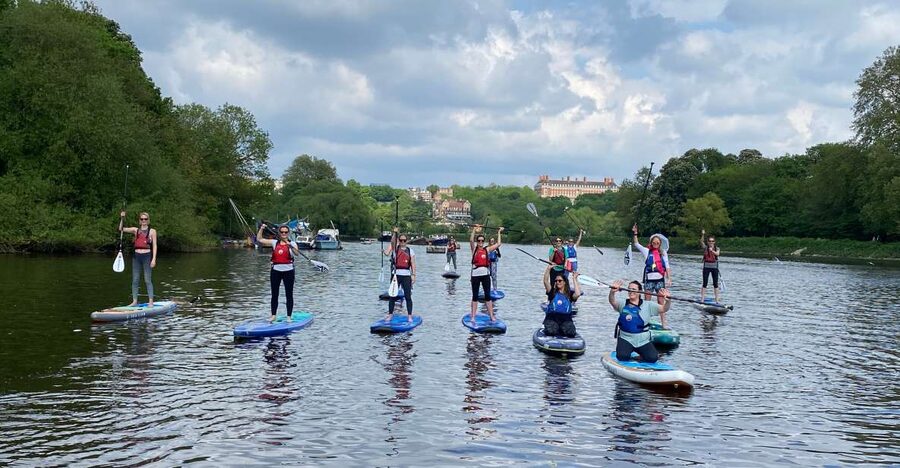
- Small group coaching that helps you progress fast without feeling lost
- Safety briefing and land training on the riverbank near Richmond Bridge (about 15 to 20 minutes)
- Paddle on a scenic Thames stretch, with routes changing based on wind and tide
- All equipment included, so you show up in outdoor clothes and go
- Professional, friendly instruction, with coaches like Nigel who explain and adjust your technique
- A “real” river experience where you learn to control the board, not just try once
Why Richmond on the Thames is a smart place to learn SUP
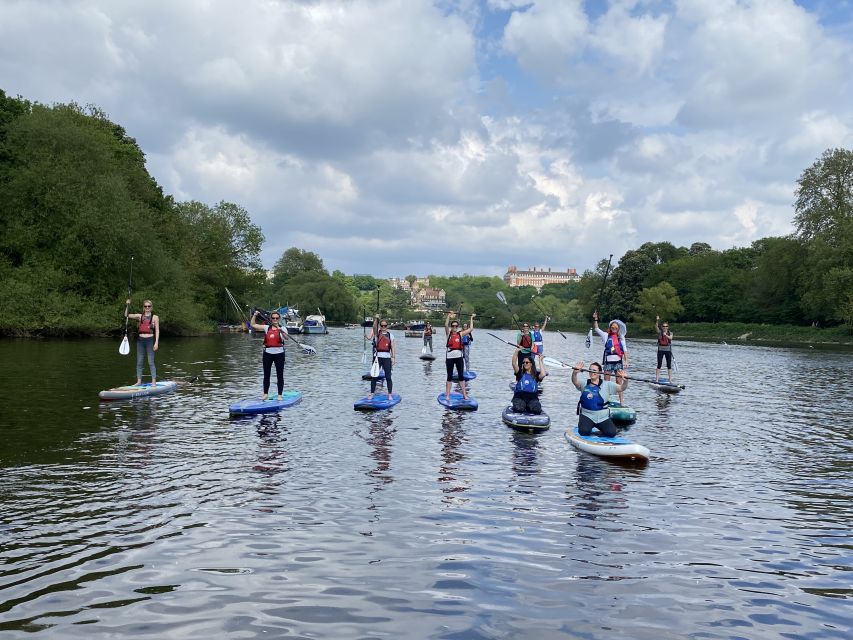
Richmond is one of those London spots where the river stops feeling like a backdrop and starts feeling like the main event. You’re on one of the safest stretches of the Thames, and the session is designed around that. Instead of rushing you onto open water, you build skills with a coach right where it makes sense, near Richmond Bridge.
The second reason I’m a fan is the balance of fun and focus. SUP is half sport, half confidence game. On this stretch of the river, your coach can teach paddle basics, board control, and how to recover after a wobble without turning the lesson into stress. You get to enjoy the views too, because you’re paddling through a peaceful stretch rather than spending the whole time watching your feet.
One more thing I appreciate: the guides share what you’re seeing. In one session story, Nigel mixed technique tips with river and wildlife knowledge, and it helped the student relax instead of overthinking every move. That matters. SUP is easier when you’re not locked in a survival mindset.
More Thames cruises:
- London: Westminster to Greenwich River Thames Cruise
★ 4.5 · 22,836 reviews - London: Westminster to Tower Bridge River Thames Cruise
★ 4.5 · 6,127 reviews - London: Thames River Cruise with Optional London Eye Ticket
★ 4.5 · 3,900 reviews
The 2-hour flow: from Richmond Bridge safety chat to your first confident strokes
This runs for 2 hours, and most sessions start with a safety briefing plus land-based training near the riverbank close to Richmond Bridge. In practice, that land stage is typically 15 to 20 minutes, depending on group size. It’s not just a formality. This is where you learn how to handle your paddle, what to do if you lose balance, and how to move on the board.
Then you head out onto the water. Your direction depends on tide and conditions:
- Upstream toward Eel Pie Island and Teddington
- Or downstream toward Richmond Lock, Isleworth, Kew Gardens, and Chiswick
The distance you cover is flexible. Wind and tide drive the plan, which is exactly how it should be for a learning session. You’re not paying for a rigid route that ignores safety. You’re paying for good coaching plus a route that works that day.
On the water, expect a lot of short coaching moments rather than one long free-for-all. You’ll practice balance and turning, and you’ll get feedback tailored to you as you progress. If you’re a total beginner, the early goal is to stay upright and find a steady rhythm. If you already know SUP, you’ll likely work on control and technique.
Choosing the route: upstream toward Eel Pie Island or downstream past locks and landmarks
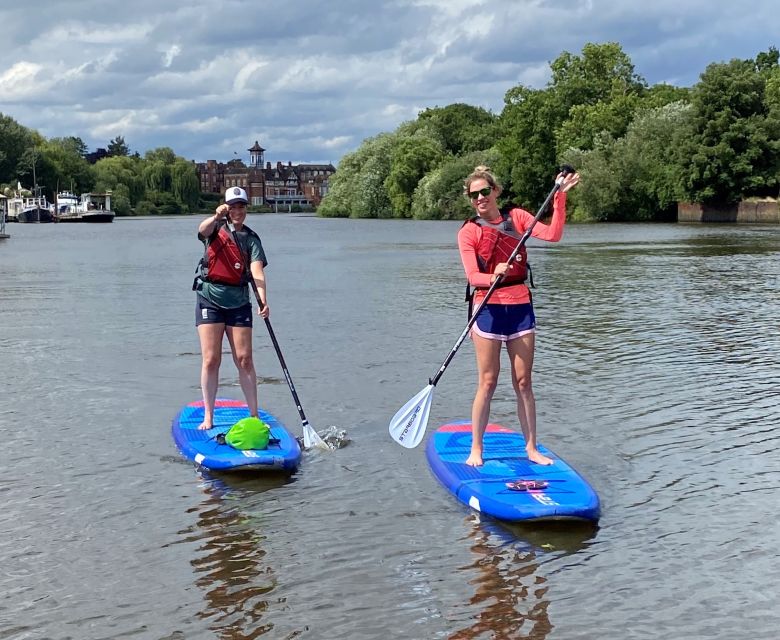
You don’t just get a board and a map. The river itself shapes the session. That’s why you might head upstream one day and downstream another day. It depends on the tide and wind, and that affects how easy (or tiring) it feels to paddle.
If you go upstream toward Eel Pie Island and Teddington, the feel can be more open and expansive, and you may notice the river changing character as you move away from the most central sights. If you go downstream toward Richmond Lock, you may find the experience more structured, with landmarks guiding your sense of where you are on the river.
Downstream toward Isleworth, Kew Gardens, and Chiswick also gives you a great “London from the water” perspective. Even without getting overly specific, you get that rare combo: major city surroundings plus a river pace that lets you actually see what’s around you.
A practical tip for whichever direction you paddle: watch how your coach talks you through turning and looking around. One first-timer story stood out because the coach helped them turn back on the board and check what was behind them, which is exactly the kind of skill that makes future paddling feel normal. If you’re nervous about being watched or about what you might do wrong, focus on learning the motion. Everything else clicks after that.
Coaching that builds skill, not just confidence at first splash
The coaching is a core part of the value here, because SUP lessons fail when they turn into guesswork. This is a fully qualified coaching setup in a small group, which means you get real attention. You’re not just waiting your turn for a quick tip.
What you should look for in the teaching (and what you can expect) is a mix of body mechanics and reassurance. The safety briefing covers what to do if you fall, and the land training gives you a chance to practice the movements before you’re balancing on water. That sequence matters because your brain learns faster when you’ve already tried the basics on a stable surface.
From a review I reviewed closely, Nigel stood out for being kind and helpful, and for sharing stories about the river and its wildlife. He also showed different kinds of paddling. The end result wasn’t just standing up, it was learning to paddle with control, including turning back to check behind you without losing balance.
If you’re the sort of person who needs explanations to feel calm, you’ll probably like this approach. The coach’s job is to take something scary, like falling, and turn it into a controlled part of learning. When that clicks, SUP stops feeling like a stunt and starts feeling like a sport you can actually repeat.
A few more London days worth comparing
- London: The London Eye Entry Ticket
★ 4.6 · 35,875 reviews - London: Tower of London and Crown Jewels Exhibition Ticket
★ 4.6 · 28,769 reviews - From London: Harry Potter Warner Bros Studio Tour
★ 4.7 · 26,588 reviews - Magical London: Harry Potter Guided Walking Tour
★ 4.7 · 22,044 reviews
What you’ll do on the Thames: practice, balance, and learning how to control the board
Your session is built around progression. Even if you don’t know how to paddle yet, you’re going to move through a set of skills that make sense in order. You start with safety and core movement practice on land. Then on the river you transition from kneeling to standing, and then into paddling actions.
One key requirement is physical: you need flexibility and the ability to get up to standing from kneeling. That doesn’t mean you need to be gym-fit. It means you should be able to control your body through a kneeling-to-stand movement without feeling stuck.
Also, you do not need to be a proficient swimmer. Still, you should be comfortable with falling into the water while wearing the buoyancy aid. That’s a big deal for first-timers. You’re not expected to swim laps. You’re expected to stay calm if you go in, and that confidence comes from practicing the right response in the lesson.
Expect the coach to adjust your setup as you learn. Small changes to how you hold the paddle or how you position on the board can make a huge difference. With a small group, you can get those adjustments before frustration builds.
Gear, storage, and clothing: what to wear so SUP feels easy
The activity includes all equipment: paddleboard, paddle, and the buoyancy aid. That’s a genuine time saver, especially in a big city. You just show up wearing outdoor sports clothing. You won’t need to hunt down a rental shop, and you won’t need to travel with a bunch of SUP gear in your suitcase.
For your clothes, plan on staying comfortable in moving water conditions. Wear shorts or leggings with a T-shirt or fleece. The usual guidance is to arrive already dressed for paddling, not to rely on changing first.
Footwear is flexible. Sessions are usually done barefoot. If that’s not your thing, you could wear water shoes, flip flops, sandals, or trainers. The best choice is whatever keeps your footing stable when you first get on the board and when you step back off.
You also get practical help for your stuff. There is a safe lockable storage space for bags and valuables. That means you’re not standing there wondering what to do with your phone, wallet, or keys.
What to bring, depending on weather:
- If it’s sunny, bring a hat and sun cream
- In colder weather (November to March), a wetsuit is advisable
- Bring extra layers, a towel, and a change of clothes
- Consider a small dry bag for money, medications, and your phone in a waterproof pouch
If you want a wetsuit, you can request one in advance, or bring your own.
Swimming comfort and balance requirements: the real “fitness test” is confidence
Let’s talk straight about the challenge level. This is not listed as being for people with mobility impairments, so if you have mobility constraints, you should treat that as a hard stop.
If you can do kneeling-to-standing and you’re comfortable with water exposure, you’re in the right lane. The session specifically says you do not need to be a proficient swimmer, but you should feel okay with falling into the water while wearing a buoyancy aid.
That means the biggest predictor isn’t athletic ability. It’s how you react to a wobble. If you panic when your balance shifts, the first minutes can feel long. If you accept that falling is part of learning, you’ll progress faster because you’ll stay engaged with the coach’s cues.
A small strategy: focus on one instruction at a time. When you split your attention across balance, paddle angle, and where you’re going, you get overwhelmed fast. Coaches will walk you through the sequence. Follow the order they give you, and you’ll feel the board become more predictable.
Price and value: $87.55 for tuition plus gear and a real river route
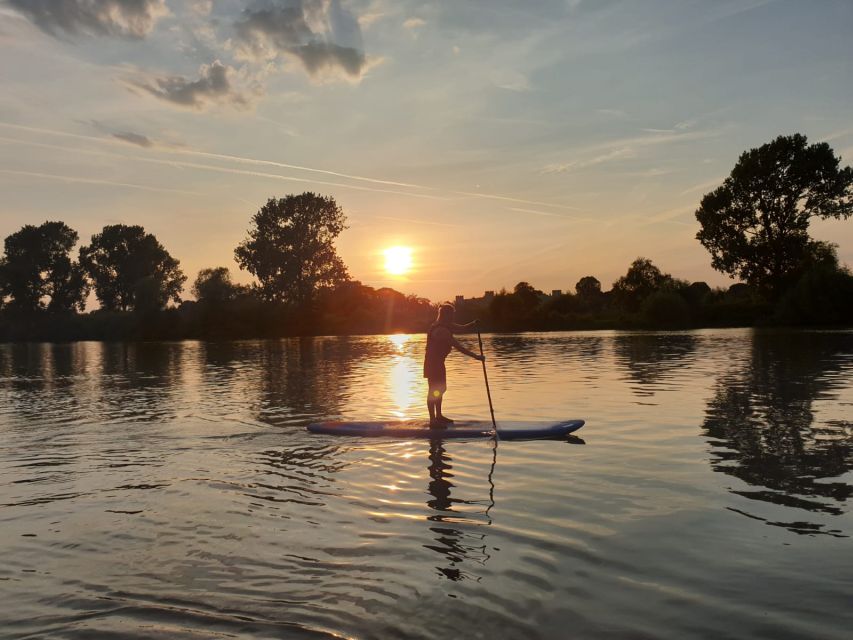
At $87.55 per person for 2 hours, the cost is only worth it if you get more than a quick tryout. That’s where this class earns its keep. You’re paying for:
- Tuition
- A safety briefing
- A river tour
- All equipment (board, paddle, buoyancy aid)
So you are not just renting gear. You’re paying for guided time on the water, plus coaching that helps you use the equipment correctly.
Also, the small group format matters for value. If you’re alone or with a big group, progress often slows. With a smaller group, your coach can spot what you’re doing wrong quickly and fix it before you build bad habits.
Two things can change your experience day to day: the route direction and the distance covered. That might sound like a downside if you want a guaranteed itinerary, but for learning, it’s a safety win. You’ll paddle in a way that fits wind and tide, which typically means less fatigue and fewer unnecessary challenges.
One more note for planning: the experience offers free cancellation up to 24 hours in advance for a full refund, and there is a reserve now and pay later option. That reduces the risk if weather changes your schedule.
Who this SUP lesson suits best, and who should skip it
This is a good match if you want a beginner-to-intermediate learning experience in a real London setting. It’s described as perfect for complete beginners through experts, which usually means the coach has enough flexibility to adjust exercises and challenges based on your comfort level.
You’ll likely enjoy it if:
- You want to learn SUP with coaching, not just rent equipment
- You like water views without needing advanced paddling skills
- You want a relaxed, controlled pace on the Thames
You should think twice if:
- You cannot handle the kneeling-to-standing requirement
- You are not comfortable with falling into the water, even with a buoyancy aid
- You have mobility impairments (it’s not suitable)
And if you’re coming to London with limited time, this hits a nice middle ground. It’s short enough to fit into a day plan, but long enough for real instruction.
Should you book Paddleboard Experience on the Thames at Richmond?
If your goal is a coached SUP session that teaches you how to stand, paddle, and feel in control, I’d book it. The combination of small group tuition, equipment provided, and a safe, scenic Thames stretch makes it a practical use of time. You’re also not stuck with one fixed route, because the river conditions decide what’s easiest and safest that day.
Book it if you want confidence that carries over after the class. The best sign is what coaches do when learners feel nervous, like helping you learn to turn back without losing balance. That kind of progress is exactly what you want from a lesson.
Skip it if you’re looking for a fully sedentary activity or if your balance and flexibility are limited. Also skip it if the idea of falling into water is a dealbreaker for you.
FAQ
Is the SUP session 2 hours long?
Yes. The experience duration is listed as 2 hours, and you should check availability for starting times.
Where does the session start?
Your session begins with a safety briefing and land-based training on the riverbank near Richmond Bridge.
How long is the safety briefing and land training?
It typically takes 15 to 20 minutes, depending on group size.
Do I need to be a strong swimmer?
No, you do not need to be a proficient swimmer. You should be comfortable with falling into the water while wearing the buoyancy aid.
What if I cannot stand up easily from kneeling?
You will need a certain level of flexibility and the ability to get up to standing from kneeling for learning to paddleboard.
What equipment is provided?
All equipment is provided, including the paddleboard, paddle, and buoyancy aid.
Do I need to bring my own paddleboard or wetsuit?
No for the paddleboard and paddle. For colder weather (November to March), wearing a wetsuit is advisable. Wetsuits are available if requested in advance, or you can bring your own.
What should I wear?
Wear weather-appropriate outdoor sports clothing. If it is sunny, bring a hat and sun cream. In cold weather, bring extra layers, a towel, and a change of clothes.
Do I have storage for my bags?
Yes. There is a safe lockable storage space for your bags and valuables.
Newly listed near London
- Women in art – National Gallery★ 5.0 · 3 reviews
- Woking: Royal Horticultural Society Wisley Garden Ticket★ 4.7 · 24 reviews
- Windsor Stonehenge Bath Private Tour from London with Passes★ 4.8 · 5 reviews
- From London: Windsor, Stonehenge & Oxford Private Car Tour★ 3.5 · 4 reviews
- Windsor Castle Tour with Fish and Chips Lunch in London★ 4.4 · 25 reviews
- Windsor Castle & Hampton Court Palace VIP Black Taxi Tour★ 4.9 · 14 reviews
- Windsor Castle and Buckingham Palace Full-Day Tour★ 4.4 · 71 reviews
- London: Windsor Castle & Tower of London Tour with Tickets★ 3.3 · 15 reviews
Thames River Cruises, compared.

Westminster to Greenwich River Thames Cruise
Read our review →
Westminster to Tower Bridge River Thames Cruise
Read our review →
Thames River Cruise with Optional London Eye Ticket
Read our review →
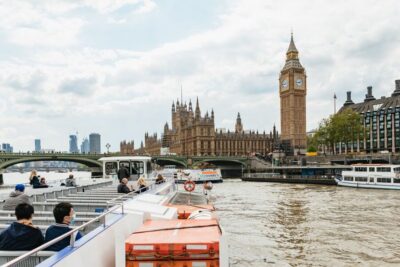
River Thames Hop-On Hop-Off Sightseeing Cruise
Read our review →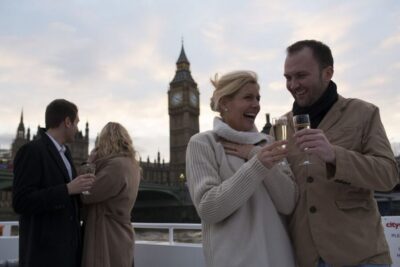
River Thames Evening Cruise with Bubbly and Canapés
Read our review →
Browse the lists this tour appears in