
Review · SALISBURY & WILTSHIRE TOURS
Salisbury: Old Sarum Entry Ticket
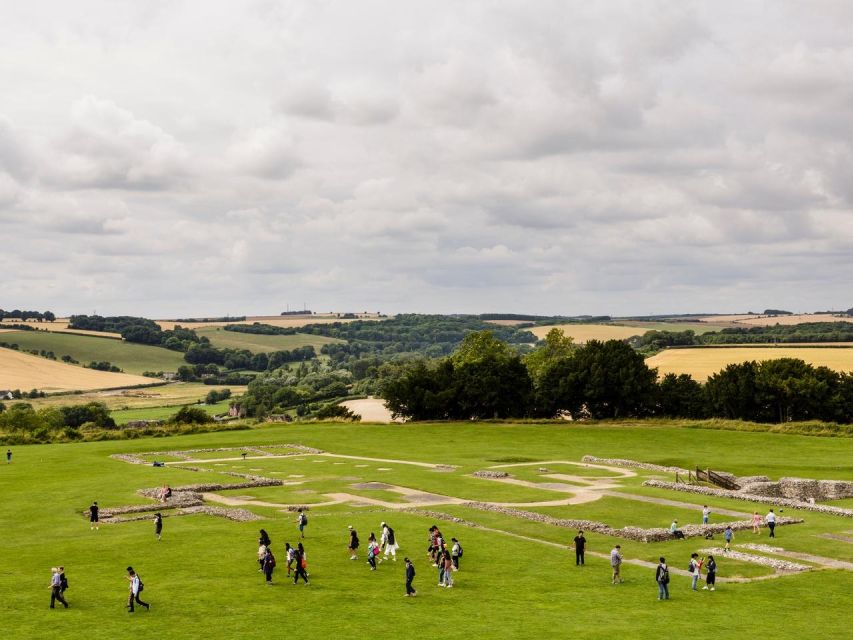
Old Sarum turns a hillside into a story. With an English Heritage entry ticket, you’ll walk through the remains of a medieval royal castle and cathedral complex, then step onto ramparts for big views toward Salisbury Cathedral and the Wiltshire plains. It feels like the same ground keeps getting a new job, century after century.
I especially love how clearly the site shows the layers of power. You get a sense of the Iron Age beginnings, the medieval Christian center, and the later political fallout, all while the signage keeps you oriented without drowning you in details. One possible drawback: this is mostly architectural remnants, so if you want fully restored buildings, you may find the physical remains a bit spare for the price.
In This Review
- Key points to know before you go
- Old Sarum in one glance: a hilltop city that kept changing roles
- What you’ll actually do on your visit
- Iron Age ramparts: where the fortifications begin
- Roman, Norman, and Saxon layers: power rides the same hill
- The royal castle on the motte: medieval authority made visible
- First and second cathedrals: Salisbury’s spiritual center moved
- Views from the ramparts: where geography explains the drama
- William the Conqueror and the center of government angle
- Later years: the rotten borough and the end of the role
- A quick guide to pacing: how to make the most of a 1-day ticket
- Value and price: is $13 per group up to 4 worth it?
- Practical tips that matter on site
- Who this entry ticket suits best
- Should you book this Old Sarum ticket?
- FAQ
- Where is the meeting point?
- How long is the visit?
- What’s included with the ticket?
- Do I need cash for extras like souvenirs?
- Can I skip the ticket line?
- Is Old Sarum wheelchair accessible?
- Is the ground easy to walk on?
Key points to know before you go
- Hilltop ramparts: You’ll get wide panoramic views over the Wiltshire plains and toward Salisbury Cathedral.
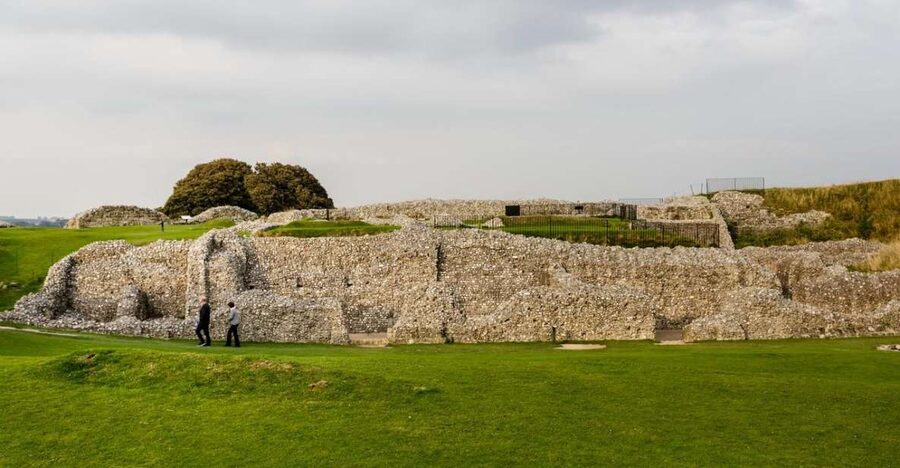
- A motte-and-castle story: The royal castle sits on the earthwork called the motte, a key moment in the site’s medieval power.
- Cathedral footprints: You can see where Salisbury’s original cathedrals once stood, before the move to the present cathedral.
- 2,000 years in one loop: Iron Age ramparts lead into Roman, Norman, and Saxon influence.
- Government with consequences: Later years include its status as a rotten borough and the end of its administrative role.
- Small group, easy entry: Limited to 4 participants and you can skip the ticket line.
Old Sarum in one glance: a hilltop city that kept changing roles
Old Sarum is one of those places where the ground does most of the talking. You’re in South West England, near Salisbury, but the “main attraction” is an open-air archaeological site that once held a fortified town, a royal castle, and cathedrals that mattered.
With your Old Sarum entry ticket, you’re not just sightseeing. You’re walking the ridge where people chose safety, power, and visibility. The ramparts make the story physical: whoever controlled this height could command a wide view and, in many eras, control the surrounding area.
A few more Salisbury & Wiltshire days worth comparing
- Stonehenge Admission Ticket
★ 4.6 · 6,388 reviews - London: Stonehenge Morning or Afternoon Tour Optional Lunch
★ 4.4 · 4,498 reviews - From London: Stonehenge Morning Day Trip with Admission
★ 4.8 · 3,423 reviews
What you’ll actually do on your visit
This is a 1-day entry ticket experience, focused entirely on Old Sarum itself. Plan for a walking visit, not a sit-and-read museum day. You’ll enter from the Old Sarum entrance, recognizable by the informational signage, then follow the paths that take you through the site’s key remains.
Because the terrain includes uneven surfaces, start with comfortable shoes and weather-ready clothing. Even if you move at an easy pace, you’ll want good grip, especially on damp days.
Iron Age ramparts: where the fortifications begin
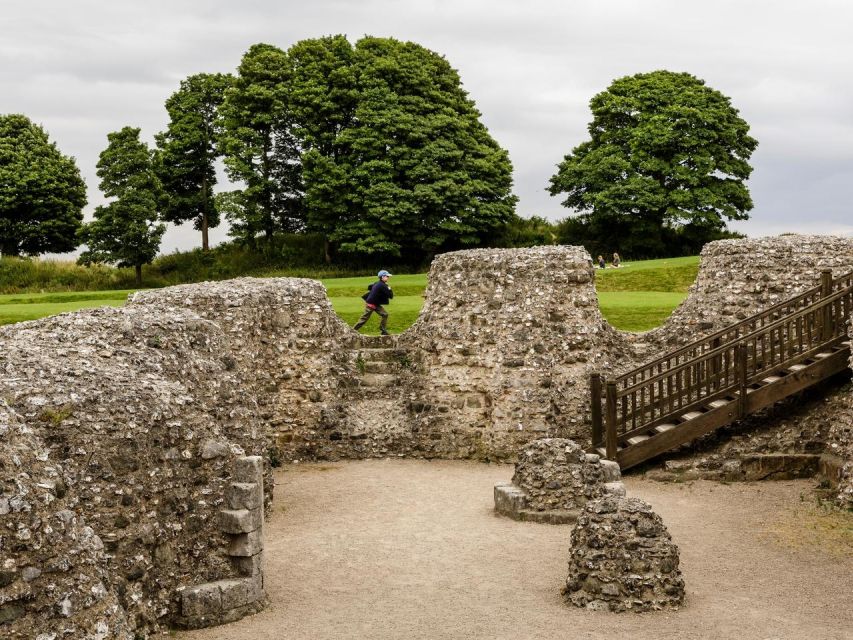
Old Sarum’s story starts long before the medieval castle and cathedrals. You’ll see the Iron Age ramparts, which matter because they explain why this spot was repeatedly reused.
Think of it like this: the builders didn’t pick a random hill. They picked a natural defensive position with earthworks that could be strengthened. When the Romans, Normans, and Saxons later influenced the region, they weren’t starting from zero. They were stepping into a location that already had strategic value.
When you look at these early earthworks, try to imagine what visibility meant. From a fortified height, you could spot movement, control approaches, and manage the flow of people and goods.
Roman, Norman, and Saxon layers: power rides the same hill
One of the most useful parts of this site is that it doesn’t treat each era like a separate planet. You’ll encounter the evolution from Iron Age beginnings into later influence shaped by Roman, Norman, and Saxon presence.
This is where Old Sarum becomes more than a bunch of ruins. It’s a timeline you can walk through. The more you pay attention to where you are on the hill, the more you understand how each wave of authority used the same advantages.
If you like archaeology that explains why things happened, you’ll get a lot out of this portion. The site helps you connect “who was here” with “why this place mattered.”
Same corner of Britain, a different sort of outing:
- From Oxford: Stonehenge and Bath Small-Group Tour
★ 4.8 · 37 reviews - Stonehenge: App Guided Tour + Admission Included
★ 3.6 · 20 reviews - Stonehenge: Shared Half-Day Tour from Bath for 2-8 Guests
★ 5.0 · 12 reviews - From London: Stonehenge Summer Solstice Sunset Tour (Jun 20)
★ 5.0 · 7 reviews
The royal castle on the motte: medieval authority made visible
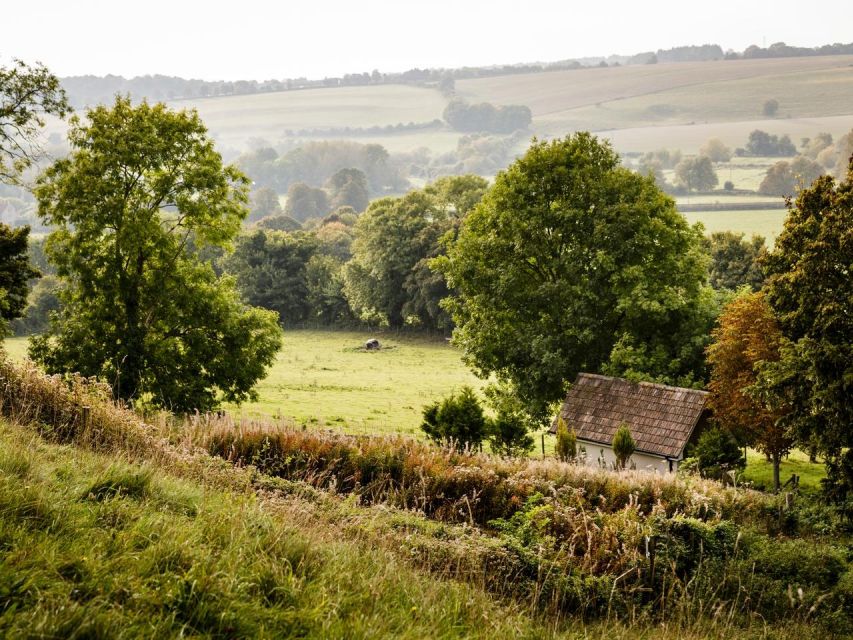
On top of the hill you’ll find the footprint and remnants of the medieval royal castle, built on the motte. A motte is an earthwork mound, and it’s a classic way rulers created height and defense without needing stone towers everywhere.
What I like about the castle remains is that they show ambition. Even though you’re not seeing a fully standing fortress, the layout and defensive logic come through. You can sense the scale of the medieval ambition, because the earthwork and position do the heavy lifting.
If you’re the kind of traveler who likes to read sites like puzzles, this is a good stop. You can piece together how the castle would have dominated the surrounding area, not just for protection but for political presence.
First and second cathedrals: Salisbury’s spiritual center moved
This is the part that feels most mind-bending. Old Sarum includes the site of Salisbury’s original cathedral, and you’ll also learn about the importance of the first and second cathedrals that once operated here.
As you walk, it helps to frame the cathedrals as institutions, not just buildings. They attracted people, power, learning, and influence. In eras when religion and governance were tightly linked, a cathedral could shape the fate of a place.
Then comes the key shift. The medieval site was eventually abandoned for the new cathedral in Salisbury. Standing on the hill, you can almost feel the loss and the transition, like a stage being left behind. The story isn’t just about architecture, it’s about why people moved and what they chose to prioritize.
Views from the ramparts: where geography explains the drama
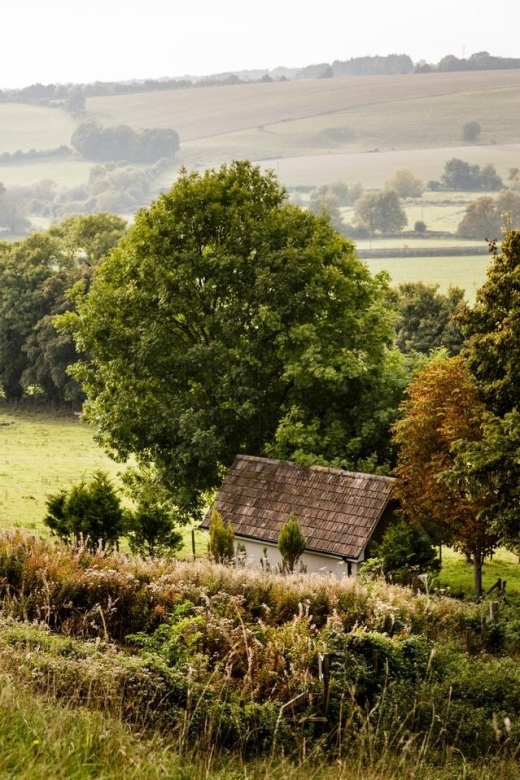
After you’ve worked through the ruins, go slow on the ramparts. This is where Old Sarum pays off visually, because the site gives you panoramic views across the Wiltshire plains and back toward Salisbury Cathedral.
I love using views like this as a way to understand history. From this height, you can see how control and visibility mattered. Even without memorizing dates, you get the emotional sense of power and decision-making.
Bring your camera if you like. But more than that, bring your imagination. The view helps you picture how the medieval city would have looked when it was active and crowded compared to the quieter, partial remains you see today.
William the Conqueror and the center of government angle
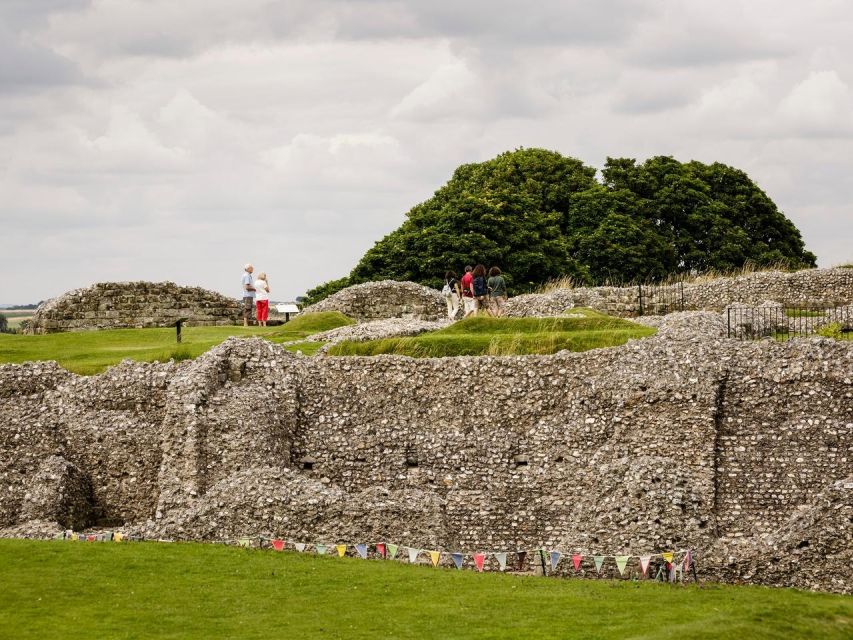
Old Sarum isn’t only about church and castle. It’s also tied to the importance of the site to William the Conqueror and its role as a major center of government.
That combination is useful for understanding the bigger picture. A royal power base paired with a cathedral center means you had both political authority and spiritual legitimacy. In other words, rulers could govern while the church gave structure and meaning to public life.
If you’re wondering why you care about administrative history, here’s the practical translation. Government centers drove roads, jobs, trade, and population movement. When you see that political weight suggested in the site’s layout, Old Sarum stops feeling like a random hill and starts feeling like a working hub.
Later years: the rotten borough and the end of the role
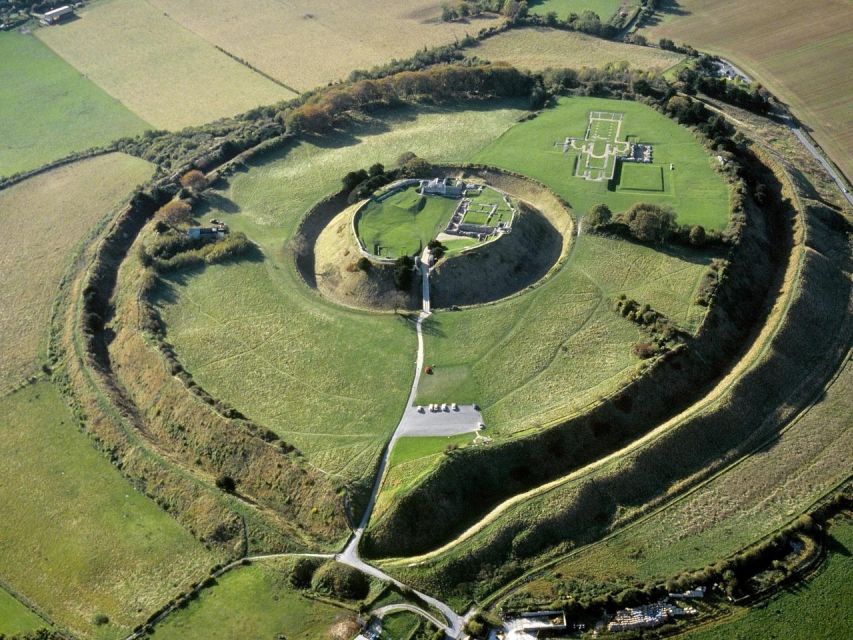
Old Sarum continues past the medieval period into later years that changed its status. Your walk ends with insights into its political life, including its reputation as a rotten borough, and the final cessation of its administrative role.
This is a reminder that places can outlive their original purpose. A site built for control and influence might lose that power when politics reforms, administration changes, or the center of gravity shifts elsewhere.
Standing there, you get a more complete sense of rise and fall, not just architectural change. Time doesn’t only erode stone. It changes systems, too.
A quick guide to pacing: how to make the most of a 1-day ticket
This is a self-directed entry ticket experience, so your best strategy is pacing. I’d aim for a steady loop rather than rushing from point to point.
Here’s a simple approach:
- Spend extra time at the spots tied to the strongest narrative beats: the motte-and-castle area, the cathedral footprint, and the ramparts.
- Pause more than you think you need to while you’re on the ridge. The views help you connect what you’re seeing with what it once meant.
- Save a slower ending for the later-history zones tied to government and the rotten borough concept.
Because the surfaces are uneven, don’t plan to do this with bare-minimum footwear or during a rushed timetable. You’ll enjoy it more if you let yourself linger where the site encourages looking.
Value and price: is $13 per group up to 4 worth it?
At $13 per group up to 4, the pricing can feel like a bargain if you like historical sites where the setting itself matters. Since the ticket covers entry to the entire Old Sarum site, you’re getting time on the ground where the major eras connect in one place.
Still, it’s fair to be honest: some visitors feel the remains are only remnants, not complete reconstructions. If you expect to see intact buildings, the experience might feel less satisfying. If you enjoy reading ruins and using views to imagine what stood there, the value makes more sense.
For me, the value comes from the combination of three things: the hilltop fortifications, the cathedral footprint story, and the panoramic views toward Salisbury. If those are your kinds of experiences, you’ll likely feel like the ticket is money well spent.
Practical tips that matter on site
Old Sarum is outdoors and built for walking, not for flipping through quickly.
- Wear comfortable shoes with good tread. Uneven ground is part of the deal.
- Dress for weather. Wiltshire conditions can change fast, and the open ramparts mean wind exposure.
- Give yourself time at the ramparts. Photos are great, but take a few minutes just to look.
- If you’re visiting in winter months, double-check opening status before you go. One past booking reported the site was closed, so it’s smart to confirm your day.
Also, take advantage of the fact that you can skip the ticket line. It’s not just convenience. It protects your time so you spend more hours exploring and fewer minutes waiting.
Who this entry ticket suits best
This is a strong match if you:
- love archaeological sites and want to walk through layered history
- enjoy medieval England that connects politics, church, and architecture
- want a short trip day that doesn’t require multiple museums
It may be less satisfying if you:
- need fully reconstructed buildings to feel satisfied
- dislike walking on uneven ground
- want a guided experience with a lot of back-and-forth Q and A, since your visit is centered on entry to the site itself
Should you book this Old Sarum ticket?
I think you should book if Old Sarum’s mix of castle, cathedral footprints, and ramparts appeals to you. The site’s design makes it easy to understand why the place mattered, and the views give you a satisfying payoff for the walk.
If you’re on the fence because you worry it’s only remnants, here’s my practical advice: lean into the setting. Imagine the city in its prime, then let the ramparts and the cathedral footprint anchor the story. If you do that, the “quiet remains” feeling can turn into something more thoughtful.
If you’re ready for an outdoors history day with clear orientation and plenty of perspective, this entry ticket is a very reasonable way to spend your time in Salisbury country.
FAQ
Where is the meeting point?
Go to the entrance of Old Sarum, recognizable by informational signage.
How long is the visit?
The ticket is valid for 1 day.
What’s included with the ticket?
The Old Sarum entry ticket is included.
Do I need cash for extras like souvenirs?
Souvenir purchases are not included, so you’ll pay for anything you buy on site.
Can I skip the ticket line?
Yes, skip-the-line entry is included.
Is Old Sarum wheelchair accessible?
Yes, the experience is wheelchair accessible.
Is the ground easy to walk on?
There are uneven surfaces, so wear comfortable shoes and expect some uneven walking.
Newly listed near Salisbury & Wiltshire
- Stonehenge, Salisbury & Wiltshire Road Trip Travel Guide★ 3.0 · 4 reviews
- Stonehenge: Shared Half-Day Tour from Bath for 2-8 Guests★ 5.0 · 12 reviews
- Stonehenge & Sacred Land Guided Driving Tour★ 5.0 · 3 reviews
- Stonehenge , Lacock , Roman Baths: Private Tour★ 5.0 · 3 reviews
- Stonehenge: App Guided Tour + Admission Included★ 3.6 · 20 reviews
- Southampton Port to London via Stonehenge,Lacock & Bath★ 5.0 · 5 reviews
- From London: Stonehenge Summer Solstice Sunset Tour (Jun 20)★ 5.0 · 7 reviews
- From Oxford: Stonehenge and Bath Small-Group Tour★ 4.8 · 37 reviews
Salisbury & Wiltshire Tours, compared.
Stonehenge Morning or Afternoon Tour Optional Lunch
Read our review →
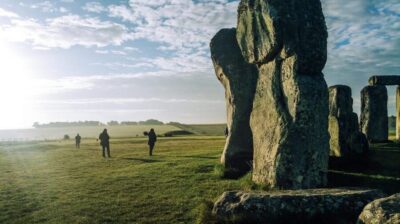
Stonehenge: App Guided Tour + Admission Included
Read our review →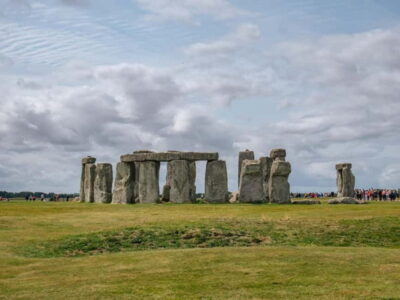
Stonehenge: Shared Half-Day Tour from Bath for 2-8 Guests
Read our review →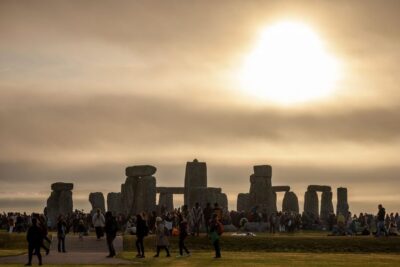

Southampton Port to London via Stonehenge,Lacock & Bath
Read our review →Browse the lists this tour appears in