
Review · COASTEERING & CLIFF JUMPING
Tenby: Coasteering Adventure
The sea sets the pace here, right off Tenby. This half-day coasteering adventure takes you along the Pembrokeshire coast with an expert guide, mixing swims, rock scrambling, sea caves, and optional jumps. You trade dry land for salt spray and real views.
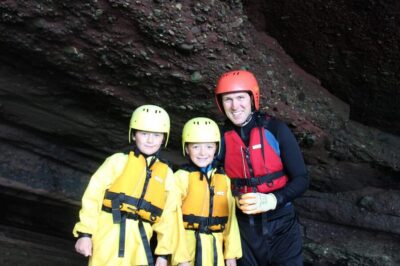
I love the way the guides pair serious safety with fun, flexible routes. It is also great that you get a sit-on-top kayak with storage for snacks and spare clothing, so you are not juggling gear while you explore. The one drawback is physical reality: you need to be able to swim (confidently 25 m is generally sufficient) and handle light scrambling, and yes, you may feel sore the next day. You might even get a particularly supportive guide like Marc and Tom, or Charles, or Merv and Rachel, depending on the group.
In This Review
- Key things to know before you go
- Coasteering Around Tenby From Lydstep Headland, Why It Matters
- Your 2 to 2.5 Hours in the Water, What the Day Feels Like
- Sea Caves, Secret Pools, and Optional Jumps You Control
- The Kayak Setup and Why It Makes the Experience Easier
- Safety Gear and Charter-Style Protection, What You Actually Get
- Naturalist Moments: Learning While You Move
- What To Wear, Bring, and the Shoe Rule That Matters
- Price and Value: Is $81 Worth a Half-Day at Sea?
- Who This Tenby Coasteering Adventure Suits Best
- Should You Book Tenby Coasteering With Tenby Adventure?
- FAQ
- Where is the coasteering meeting point for most of the year?
- How long is the coasteering session, and how much time is spent in the water?
- What is included in the price?
- What footwear should I bring?
- What should I bring besides shoes?
- Is this suitable for children?
- What swimming ability do I need?
- What happens if it rains or if conditions are rough?
- Is there a refund if the session is cancelled or you cannot attend?
Key things to know before you go
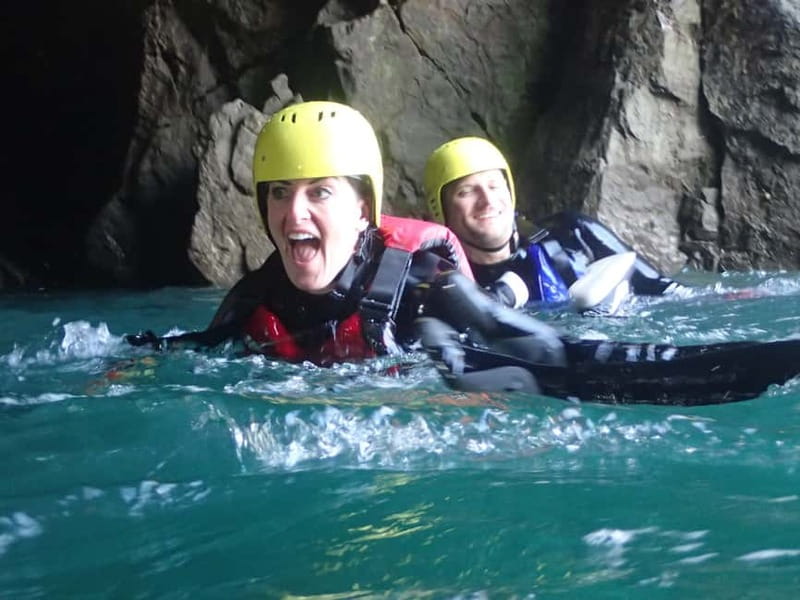
- Safety-first coasteering gear: specialist wetsuit, buoyancy aid, helmet, plus trained guides and charter-recommended safety kit.
- Routes that match your comfort level: jumping is optional, and the activity can be more adventurous or more mellow.
- Sea caves and secret pools: you will spend time in rarely visited coastal nooks, not just doing a shoreline walk.
- A kayak for practical comfort: snacks and spare clothes can ride with you, which matters when you are in and out of the water.
- A naturalist guide angle: you may learn about seals, seaweed, sponges, crabs, and birdlife while you move.
Coasteering Around Tenby From Lydstep Headland, Why It Matters
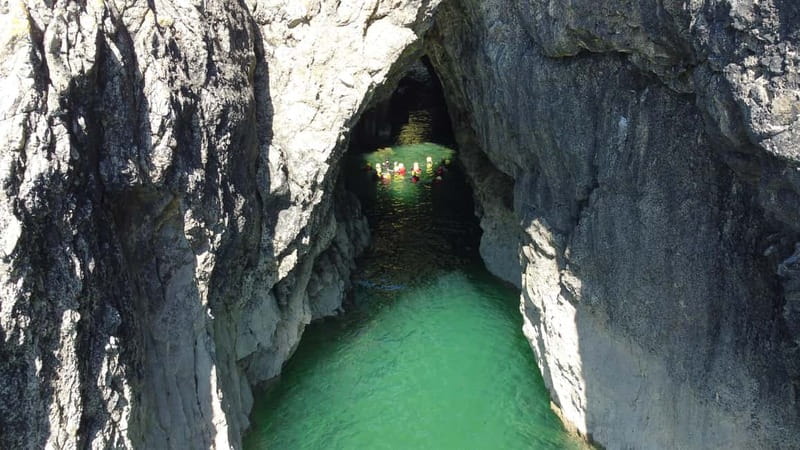
Most of the year, your meeting point is Lydstep Headland, about 10 minutes from Tenby. That is a big deal for your day, because it keeps the experience focused on the coast, not on long drives or time spent figuring out where to start.
Lydstep is also a practical choice if you are driving. There is a free, rarely busy carpark just minutes from the start. When you are about to change into a wetsuit and get suited up for waves, saving time and stress is underrated value.
And then there is the simple truth: coasteering is at its best when you can go from a solid footing to the water fast. Meeting near the action means you get more actual adventure for your 2.5-hour slot.
More coasteering in Britain:
- Newquay: Coasteering
★ 4.9 · 21 reviews - Pembrokeshire: Coasteering Adventure at Stackpole Quay
★ 5.0 · 6 reviews - Cornwall: Coasteering & Cliff Jumping Adventure
★ 5.0 · 5 reviews
Your 2 to 2.5 Hours in the Water, What the Day Feels Like
This is a half-day session built around time on the coast. Typically, you are in the water for about 2 to 2.5 hours, with the rest of the time used for fitting gear and getting sorted.
Here is what you should expect the flow to feel like:
- You arrive, get briefed by the guide team, and get into the specialist kit.
- You move along the coastline through a mix of water and rock sections, with the guide choosing the best route for conditions.
- Along the way, you will stop for the fun parts: caves, pools, and the moments that make coasteering feel like a different world.
The activity is adaptable. That means the guides can keep things mellow if you want a gentler pace, or go more adventurous if your group is keen. This is not one fixed stunt run where everyone must do the same thing.
Weather matters, but not in the way you might fear. Rain does not affect the activity, but strong winds or large swells can mean route changes or postponements. The good part is that the day is designed to respond to the sea, not pretend the sea is predictable.
Sea Caves, Secret Pools, and Optional Jumps You Control
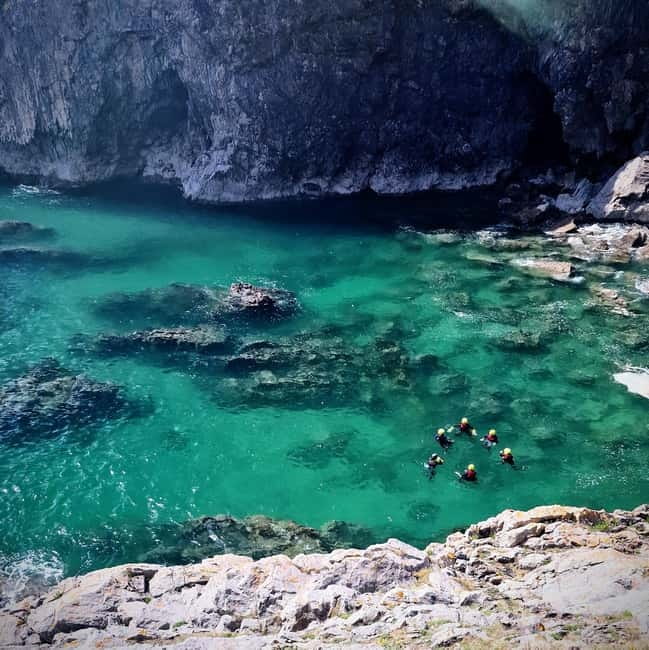
One reason I think this route selection is so appealing is that it is not only about getting wet. Coasteering around Tenby is about the weird, wonderful edges of the shoreline, places you usually would never see.
You can expect a mix of:
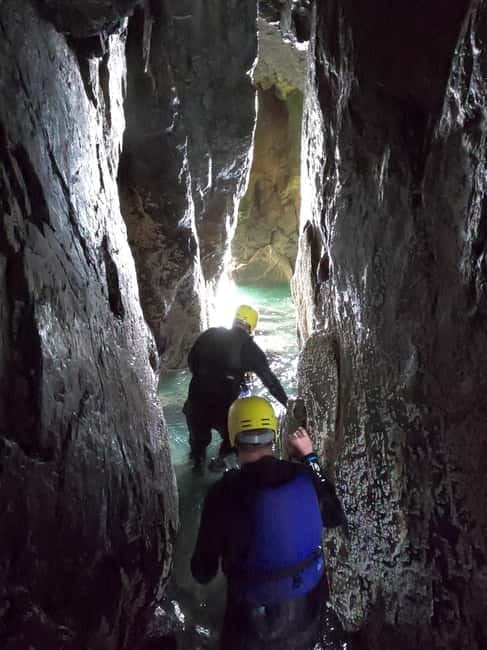
- Swim-through sections where the guide leads you through water routes between rock features.
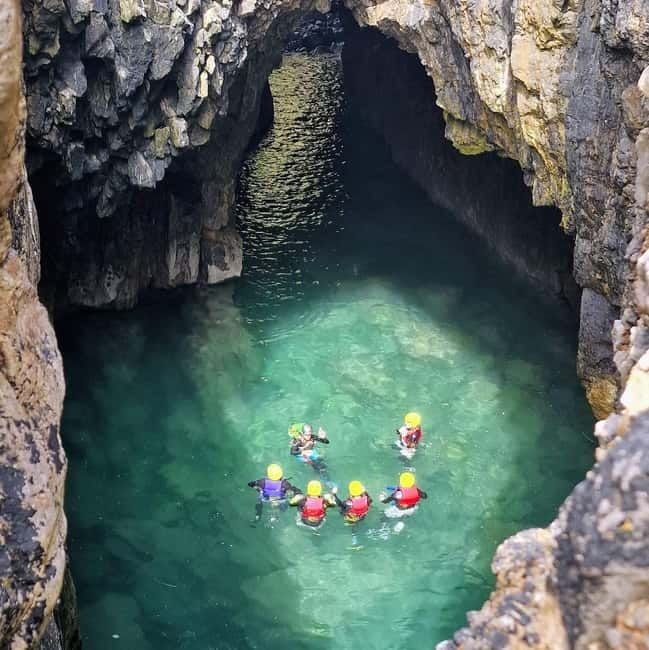
- Sea caves and pockets of protected water that feel like hidden rooms built by tides and geology.
- Secret pools and swirly play spots where you get to enjoy the motion without needing to be a pro athlete.
- Optional jumps into deep water.
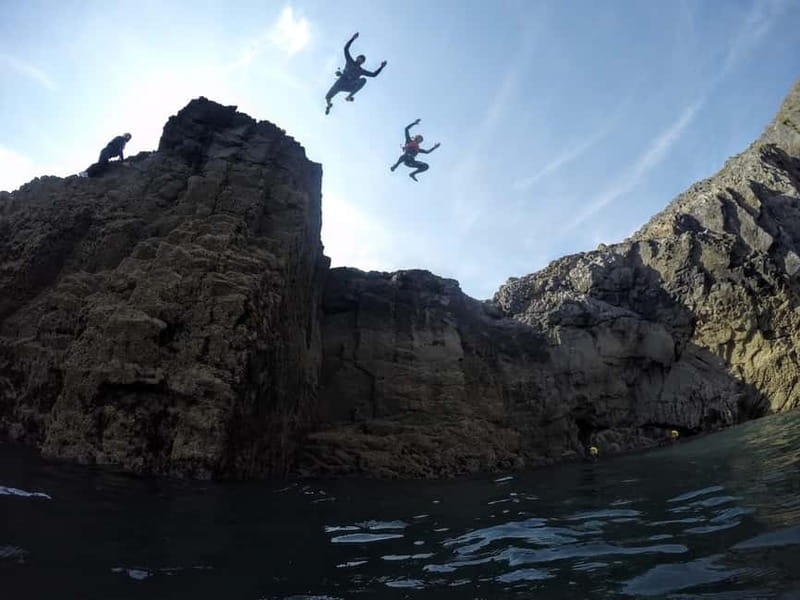
Jumps are often what people picture, but they are just one piece. The day is designed so you are not forced to leap. Even if jumping is epic, it is better to think of it as an offer, not a requirement. Leaping from a safe rocky platform is gently encouraged, but you set your own comfort level.
If you are with family, this flexibility helps a lot. One review highlighted how patient guides can be when a 9-year-old finds rock scrambling harder than expected. That is exactly the kind of behavior you want from a guide, because coasteering rewards confidence, and confidence comes from pacing.
The Kayak Setup and Why It Makes the Experience Easier
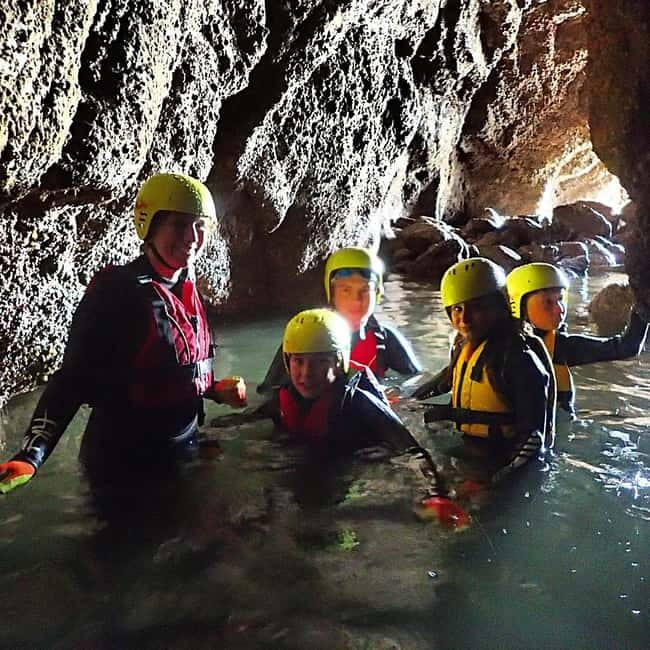
A lot of “adventure” activities forget the boring but important bits, like snacks, spare layers, and not having to hold everything while you scramble.
Here, the sit-on-top kayak with storage for snacks and clothing makes the whole day feel more practical. That means you can keep the essential stuff dry-ish when you are between water moments. It also helps your energy. When you are only thinking about the next jump, cave, or swim, you are having a better time.
It is also a small sign that this is designed by people who do the job for real, not by people who only market the highlight reel.
Same corner of Britain, a different sort of outing:
- London: The London Eye Entry Ticket
★ 4.6 · 35,875 reviews - London: Tower of London and Crown Jewels Exhibition Ticket
★ 4.6 · 28,769 reviews - From London: Harry Potter Warner Bros Studio Tour
★ 4.7 · 26,588 reviews - Magical London: Harry Potter Guided Walking Tour
★ 4.7 · 22,044 reviews
Safety Gear and Charter-Style Protection, What You Actually Get
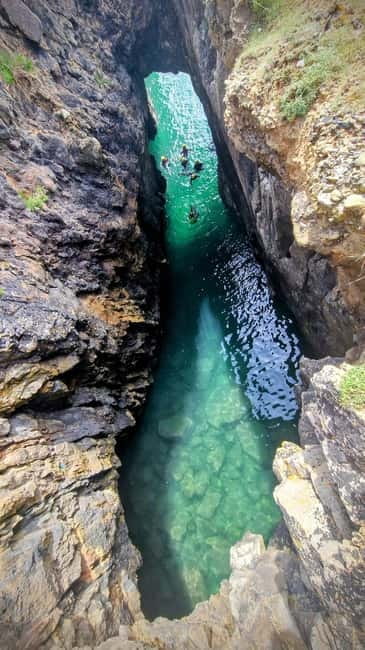
The best thing about a day like this is not the adrenaline. It is the confidence that someone has thought through how to keep you safe in a place where water and rocks both change fast.
You are provided with:
- Wetsuit
- Buoyancy aid
- Helmet
- Expert guide
The guides follow National Coasteering Charter safety kit recommendations, and lead guides have satellite locator beacons. That kind of detail is reassuring because it is built for real-world risk, not just good intentions.
There is also a safety track record cited as over 30,000 people coasteering safely. I cannot guarantee how every session runs, but I like seeing numbers because they suggest systems, training, and consistent practice.
And you still need to do your part. Closed-toe footwear matters. Swimming ability matters. Light scrambling ability matters. Safety is shared.
Naturalist Moments: Learning While You Move
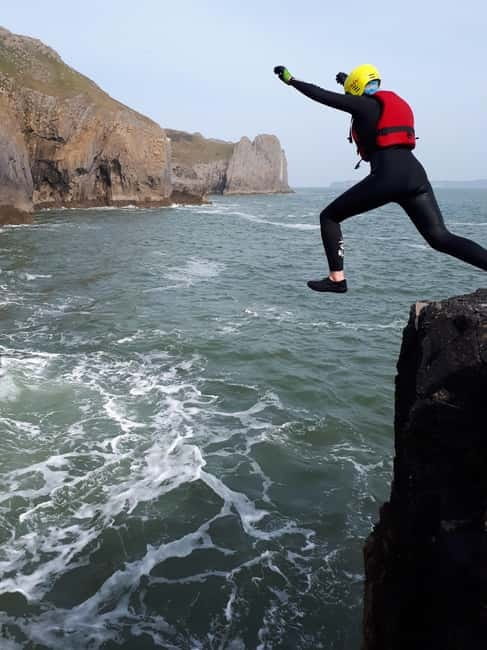
This trip is not only physical. It also has a nature component led by a kayak guide who is described as a keen naturalist.
During the adventure, you might encounter:
- Seals
- Seaweed
- Sponges
- Crabs
- Birdlife
You should not expect a classroom lecture. Instead, it feels like short, practical stories that connect what you are seeing to how the coast works. That is what makes coasteering more memorable for me: you are experiencing the place in motion, and the guide helps you notice the details.
If you have ever done a scenic walk and felt like you saw things but learned nothing, this is the opposite. Your eyes get busy, and your brain gets a reason for it.
What To Wear, Bring, and the Shoe Rule That Matters
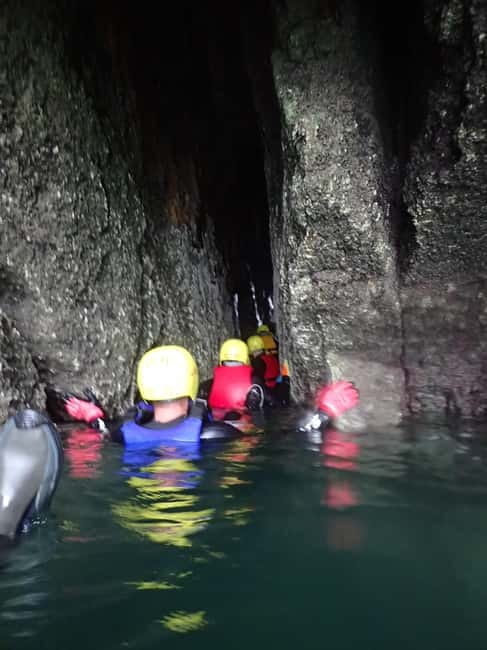
If you remember only one thing from this review, make it this: do not choose footwear like you are going for a casual beach stroll.
You need closed-toe shoes. Trainers are described as the absolute best option because they offer grip, thick soles, and a secure fit. Wetsuit boots can work if they have a decent sole. Beach shoes or reef shoes can be fine too if they are secure and have thick soles.
Why the fuss? Because losing a shoe mid-coasteer is not a small annoyance. It can ruin your traction on rocks, and it can turn the fun sections into stressful ones.
Also bring:
- A pair of shorts to wear over your wetsuit for padding and wetsuit protection
- A towel
- A changing robe is helpful since changing facilities are not always available
These are small things, but they change how the day feels after. You will get cold, then you will want to dry off fast, and you will appreciate being prepared.
Price and Value: Is $81 Worth a Half-Day at Sea?
At $81 per person, this is priced for an experience that bundles real costs: expert guiding, safety gear, and a half-day session built around specialized coastal navigation.
What you get for that price:
- Coasteering session
- Expert guide
- Wetsuit, buoyancy aid, helmet
What you do not get:
- Transportation to and from the departure point
- Footwear (bring old trainers)
So the value comes down to how much you value someone leading you through caves, pools, and optional jumps safely, with gear included. If you were to buy wetsuit and safety items yourself and then try to plan the route, the cost and time add up quickly. For most people, paying the guide fee is what turns a risky idea into a structured outing.
Also, this is not a one-note activity. It is swimming, scrambling, and exploring. You are not paying only for a single moment like a jump. That multi-part mix is why the price feels reasonable.
Who This Tenby Coasteering Adventure Suits Best
This is a good fit if you:
- Can swim and handle light scrambling
- Want to explore the coast where the best views are not accessible by footpaths
- Like doing active things outdoors, not sitting and sightseeing
Suitability is described clearly: it is suitable for anyone from 8 years old as long as they can swim and do light scrambling. Non-swimmers are not suitable. Confident swimming of 25 m is generally sufficient.
It also suits adults and groups. If you have a family member who gets nervous on rocks, look for a calm guide and lean into the fact that routes can be adapted to be more mellow.
One more practical reality check: even if you feel fine during the session, your body may argue the next morning. That is normal. Emma’s comment about loving the experience but wanting it less exhausting is exactly what I would expect from a sport that mixes scrambling, core work, and cold water movement.
Should You Book Tenby Coasteering With Tenby Adventure?
Book it if you want a half-day that feels genuinely different from standard Tenby sightseeing. You are trading predictable views for moving views, sea caves, and optional jumps you can skip. The best part is the structure: expert guides, charter-recommended safety gear, and routes adjusted to conditions and comfort.
Hold off if you are not confident in the water, do not want to do light scrambling, or you know your mobility is limited. This is not described as a gentle stroll. It is built around being happy messing about in the sea.
FAQ
Where is the coasteering meeting point for most of the year?
For most of the year, the coasteering starts at Lydstep Headland, about 10 minutes from Tenby. There is a free, rarely busy carpark near the start.
How long is the coasteering session, and how much time is spent in the water?
The duration is 2.5 hours, and half-day sessions typically involve being in the water for between 2 and 2.5 hours.
What is included in the price?
The experience includes the coasteering session, an expert guide, a wetsuit, a buoyancy aid, and a helmet.
What footwear should I bring?
Bring closed-toe shoes. Trainers are recommended as the absolute best option. Wetsuit boots can work if they have a decent sole, and beach or reef shoes can be adequate if they are secure with a decent, thick sole.
What should I bring besides shoes?
Bring a pair of shorts to wear over the wetsuit for padding and wetsuit protection, plus a towel. A changing robe is useful because changing facilities are not always available.
Is this suitable for children?
It is suitable for people from 8 years old, as long as they can swim and do some light scrambling.
What swimming ability do I need?
The guidance says that being able to confidently swim 25 m is generally sufficient.
What happens if it rains or if conditions are rough?
Rain does not affect the activity. Strong winds or large swells may lead to route changes or postponements.
Is there a refund if the session is cancelled or you cannot attend?
If a session is rescheduled or cancelled and you cannot attend, a full refund is provided. You can cancel up to 24 hours in advance for a full refund.
Newly listed near Britain
- London: 3-Hours Private Walking Tour★ 4.4 · 8 reviews
- London: 3-hour Outdoor Escape Room Game★ 4.0 · 5 reviews
- London: 3 Most Famous Art Galleries Tour★ 5.0 · 3 reviews
- London: 24-Hour Hop-On Hop-Off Bus Pass★ 3.1 · 133 reviews
- London: Secret Beer Tour★ 4.9 · 10 reviews
- London: 3 Days of Must-See Attractions including London Eye★ 4.5 · 22 reviews
- London: 20-Minute Tower RIB Blast from Tower Pier★ 4.7 · 135 reviews
- London: 30 Top Sights and Churchill War Rooms Tour★ 4.8 · 60 reviews
Coasteering & Cliff Jumping, compared.

Pembrokeshire: Coasteering Adventure at Stackpole Quay
Read our review →
Browse the lists this tour appears in