Review · LONDON TOURS
Turmoil, Templars, Oliver Twist: London’s Squalor & Splendor
Holborn has two faces, every step. I love how this walk takes you from Saxon turmoil to the Oliver Twist streets that Charles Dickens made unforgettable, all without feeling like homework. You also get the kind of story-first approach that makes real places click fast.
Two more things I really like: you see the Freemasons’ Hall splendour in London’s law-and-power zone, and you hear why the area became a magnet for justice, punishment, and reform. One possible drawback: this is a walking tour with darker material, including prisons and an execution story, and it is not suitable for children under 13.
The format is built for your feet and your focus. It runs about two hours, covers roughly two-and-a-half miles, keeps group size capped at 15, and starts outside Covent Garden Station, finishing near Blackfriars Station. If you enjoy questions and lively storytelling, it helps that guides like Tom can keep up with them while staying on route.
In This Review
- Key highlights worth your time
- From Covent Garden up to Holborn’s highs and lows
- Bow Street Police Museum and the Bow Street Runners
- Freemasons’ Hall: seeing law, power, and stonework up close
- Aldwych and the Royal Courts of Justice: where the city decides
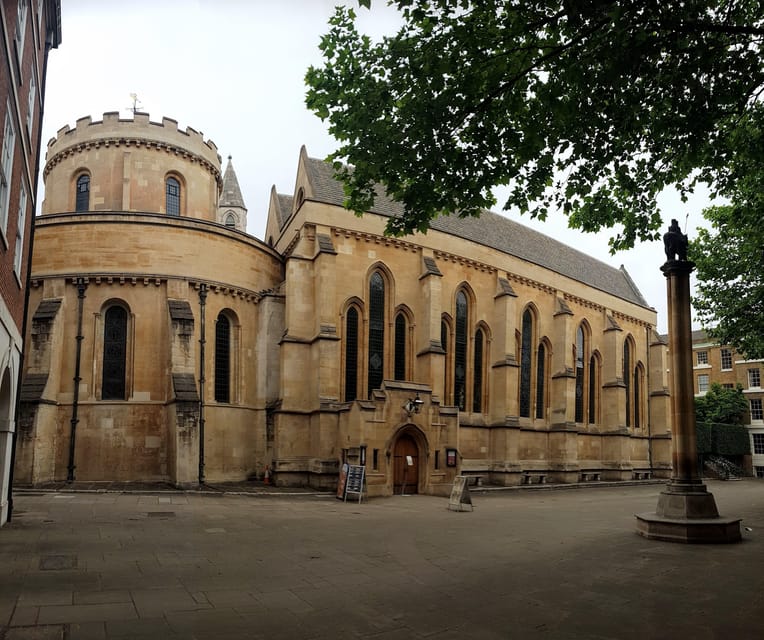
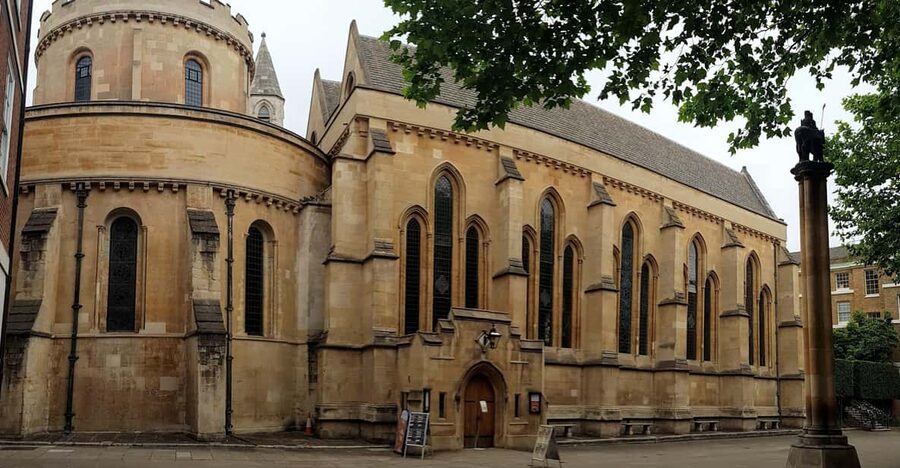
- Temple Church and the Knights Templar headquarters
- The Oliver Twist trail: Fagin’s den and an execution story
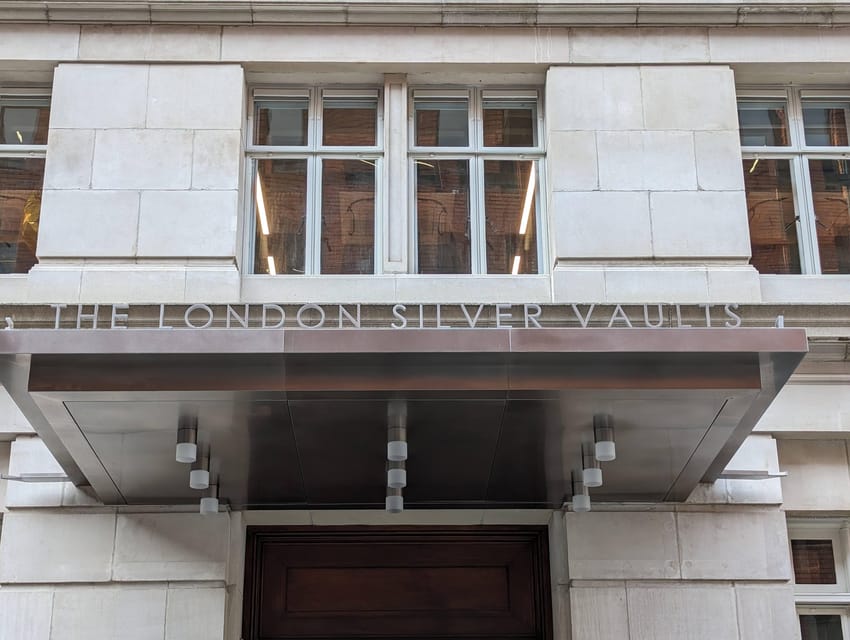
- London Silver Vaults: the world’s largest retail silver collection
- Staple Inn and Hatton Garden: trades, names, and street character
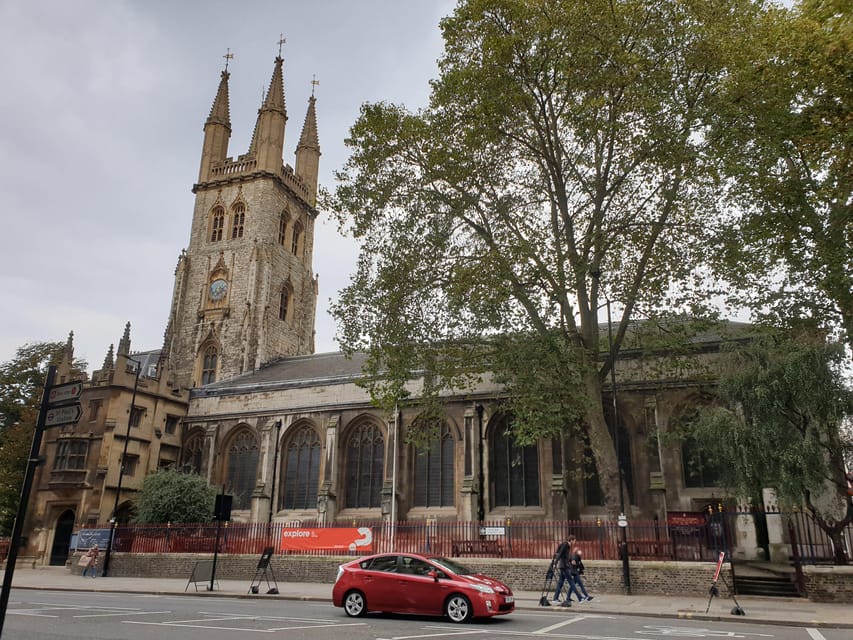
- Holy Sepulchre Church: another layer of London’s long timeline
- Old Bailey and Bridewell Centre: London’s notorious prisons
- Price and value for a two-hour Holborn walk
- Who should book this tour, and who should skip it
- Should you book Turmoil, Templars, Oliver Twist?
- FAQ
- How long is the tour?
- What is the total walking distance?
- Where do I meet the guide?
- Where does the tour finish?
- How much does the tour cost?
- What places will the tour cover?
- Is the tour in English?
- How big is the group?
- Is it suitable for children?
Key highlights worth your time
- Saxon to Dickens in one route across Holborn’s changing fortunes
- Oliver Twist locations tied to Fagin’s den and an execution
- Templar and Freemason landmarks, including Temple Church and Freemasons’ Hall
- London’s prison lore, with stops linked to Old Bailey and Bridewell
- London Silver Vaults, featuring the world’s largest collection of retail silver
From Covent Garden up to Holborn’s highs and lows
This is a compact, very central walk, so you get the payoff of London’s big characters without needing a whole day plan. You start outside Covent Garden Station (look for the Historic London Tours sign), then you work your way across Holborn toward the Blackfriars area. The route is about two-and-a-half miles, and the pacing is designed around short, guided stops rather than long museum-style sessions.
What makes it feel different is the time-jump storytelling. You are not only looking at buildings, you are hearing how the same streets were repeatedly repurposed as London changed. The guide links Saxon turmoil, medieval power, and Dickens-era grittiness so you can see cause and effect instead of just collecting facts.
This tour also does a smart thing with group size. Tickets are limited to 15 attendees, which means you can actually ask questions and not feel like you are talking into a crowd.
A few more London days worth comparing
- London: The London Eye Entry Ticket
★ 4.6 · 35,875 reviews - London: Tower of London and Crown Jewels Exhibition Ticket
★ 4.6 · 28,769 reviews - From London: Harry Potter Warner Bros Studio Tour
★ 4.7 · 26,588 reviews
Bow Street Police Museum and the Bow Street Runners
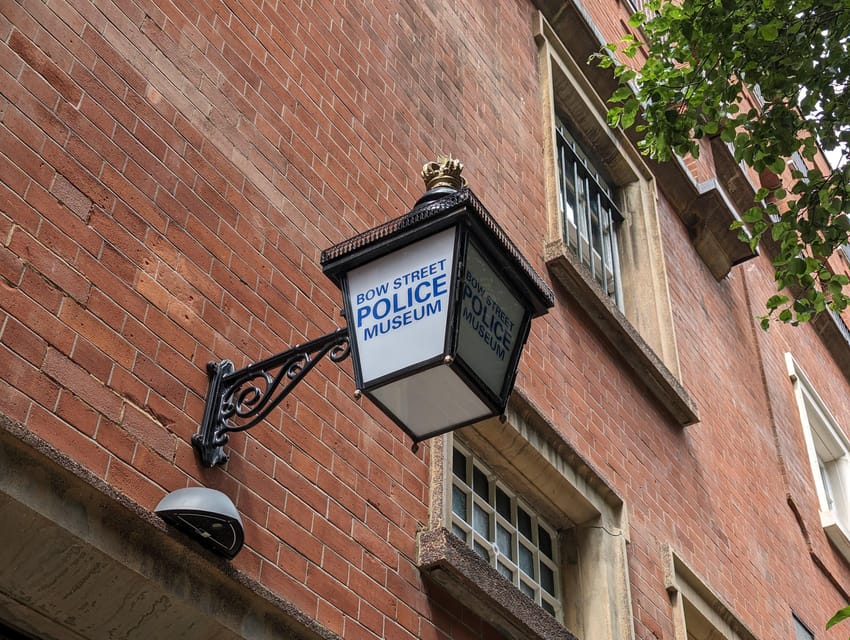
The tour begins by pointing you toward Bow Street Police Museum, an early anchor for the kind of policing London became known for. You get a quick orientation to why Bow Street mattered, and why the Bow Street Runners show up in the story of order, crime, and punishment.
Even with a short stop, the goal is clear: you learn the context behind what you will hear later about London’s courts and prisons. If you are the type who wonders how cities went from informal justice to organized law, this section helps you build that bridge before you hit the heavier sites.
Practical tip: since this is an early stop, wear shoes you can keep moving in right away. Central London pavements can be slick or uneven, and you are still fresh at this point, so you want to stay comfortable.
Freemasons’ Hall: seeing law, power, and stonework up close
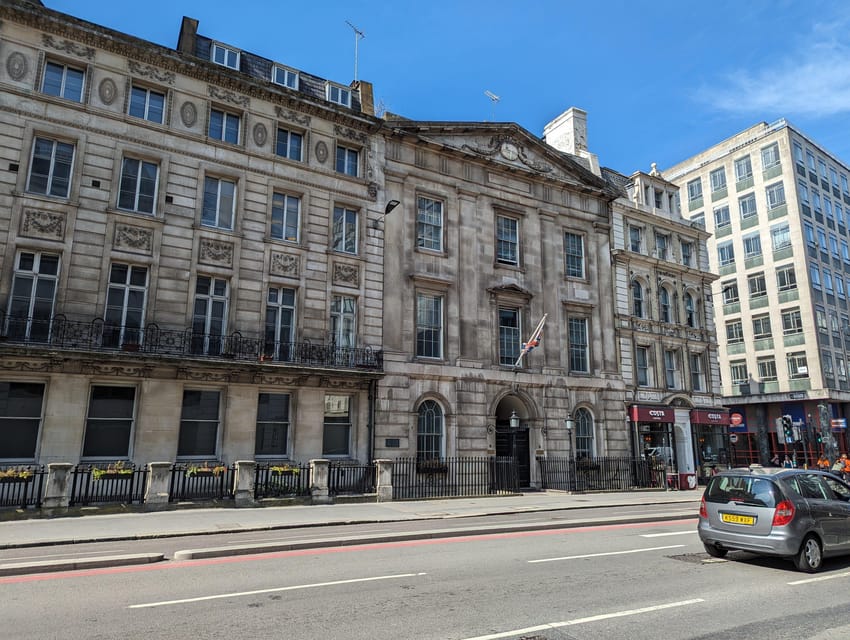
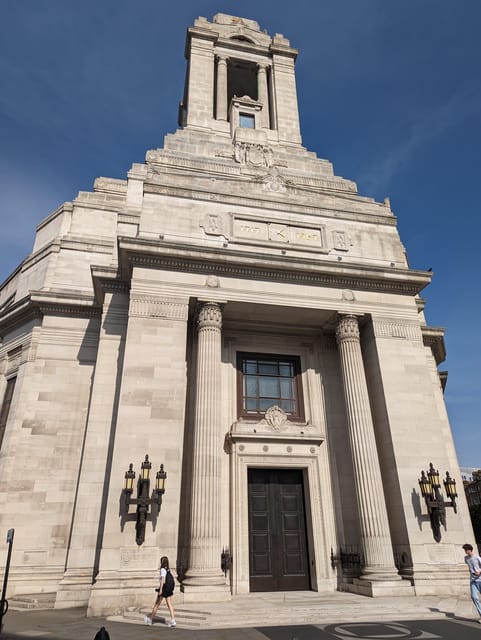
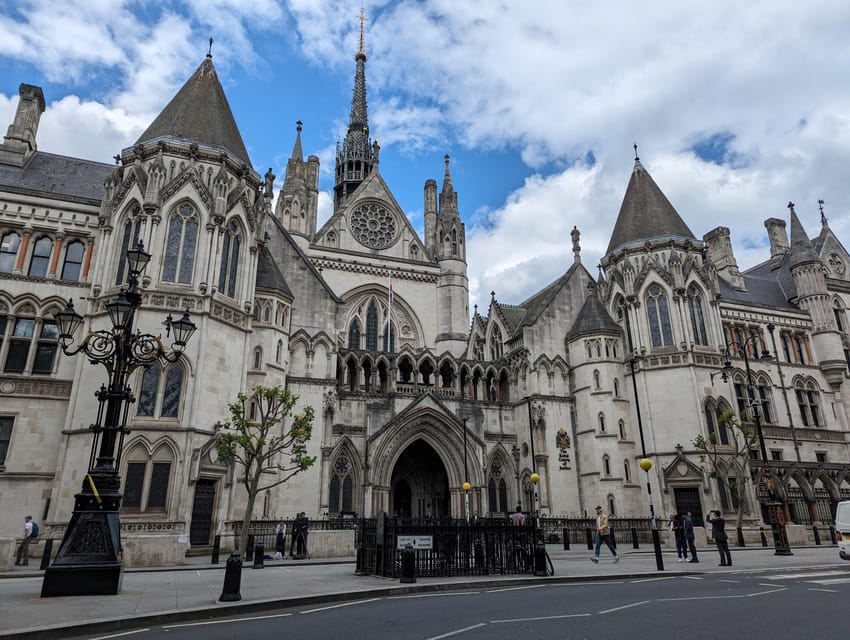
Next comes Freemasons’ Hall, where you get the splendour part of the title. This stop is about more than admiring a grand building. You hear how secretive groups, civic influence, and public authority mixed in London over time.
I like this kind of contrast: you get the slick, impressive facade right in the middle of the area that also held fear, trials, and punishment. It makes the city feel real, not staged. And because your guide is telling the story as you stand there, the building stops being just an exterior photo moment.
If you care about how institutions show their power, you will enjoy this. And if you are not into architecture, it still works because the focus stays on people and systems.
Aldwych and the Royal Courts of Justice: where the city decides
Aldwych is one of those streets where London’s official side shows up with confidence. As you pass through the area and into the orbit of the Royal Courts of Justice, the tour leans into how justice played out on the ground, not only in court records.
This is a good moment to ask yourself what you want from the walk. Do you want political and institutional context? Or do you want darker stories and characters? Either way, the guide frames these sites to set up what comes next, especially the prison talk.
Short stops are part of the deal here. If you want to linger for photos, do it quickly, then turn your attention back to the guide so you keep the “why this place matters” thread.
Same corner of Britain, a different sort of outing:
- London: Westminster to Greenwich River Thames Cruise
★ 4.5 · 22,836 reviews - Magical London: Harry Potter Guided Walking Tour
★ 4.7 · 22,044 reviews - London: Madame Tussauds London
★ 4.6 · 20,915 reviews - London: Warner Bros. Studio Harry Potter Tour & Branded Bus
★ 4.7 · 19,194 reviews
Temple Church and the Knights Templar headquarters
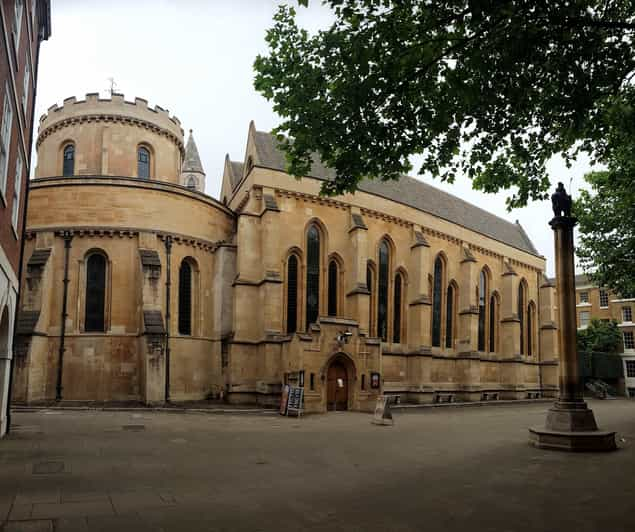
Then you shift into Temple Church, tied to the Knights Templar headquarters. This stop adds a medieval layer to your mental map of Holborn, so the walking story stops being only Dickens-era grit.
I like how the tour keeps your timeline moving. You do not get stuck in one era. Instead, you move from policing and legal authority into a different kind of power, one connected to the Templars and the medieval world’s big religious and military ideas.
Even if you know little about the Templars, the structure helps. You learn just enough context to understand why the location matters, and why it sits in the same urban corridor as later courts and prisons.
The Oliver Twist trail: Fagin’s den and an execution story
One of the most memorable parts of the tour is the Dickens connection, including the locations tied to Fagin’s den and an execution from Oliver Twist. This is not a screen-based talk, and it is not a reading. It is street-level pointing, tied to how the novel’s grim London fit into real neighborhoods.
If you like literature that feels grounded, you will appreciate the method. You are walking the kind of streets Dickens wrote for, then learning how the justice system and punishment system fed the atmosphere he used. It gives the stories extra weight, without turning it into a lecture.
A consideration: because this is connected to execution and prison themes, the tone is naturally darker. The guide keeps it historical, but it is still heavy subject matter. That is also why the tour is not suitable for children under 13.
London Silver Vaults: the world’s largest retail silver collection
After the darker justice and templar layers, the tour gives you a sharp change of pace at London Silver Vaults. You get to discover the world’s largest collection of retail silver, which is a fun contrast to the prisons and courts that came before.
This is the kind of stop that turns “history walk” into “surprisingly entertaining history walk.” Even if you do not buy anything, it helps you see another side of London power: wealth displayed through craftsmanship, trade, and luxury goods.
Practical tip: if you have any intention of shopping, keep an eye on your schedule. Because the stops are guided and timed, you might only get a short window to look carefully. If you are just browsing, you can enjoy it without pressure.
Staple Inn and Hatton Garden: trades, names, and street character
Next up are Staple Inn and Hatton Garden. These stops are short, but they matter because they add texture. Inns and trades helped define how London worked day to day, not only how it judged people.
I like these stops because they prevent the walk from becoming purely institutional. You start to see London as an economic machine too. Even when you only get a few minutes at each location, your guide connects the dots between commerce, law, and how the city housed its professionals.
Hatton Garden is one of those names many people recognize, so it feels satisfying to see it in context instead of as a vague label. You get story context that makes the street feel like a working part of the city, not just a backdrop.
Holy Sepulchre Church: another layer of London’s long timeline
At Holy Sepulchre Church, you get another quick stop that supports the bigger theme: London keeps stacking eras on top of each other. The point here is not to memorize details. It is to notice the continuity of place in a city that repeatedly rebuilds.
This kind of stop works especially well when you have been hearing about upheaval and punishment. It gives you a change in mood, and it reminds you that everyday life, religion, and community institutions sat alongside the darker machinery of justice.
If you have trouble keeping your timeline straight, this stop can help reset your mental map. It is a pause that keeps the story grounded in real neighborhoods.
Old Bailey and Bridewell Centre: London’s notorious prisons
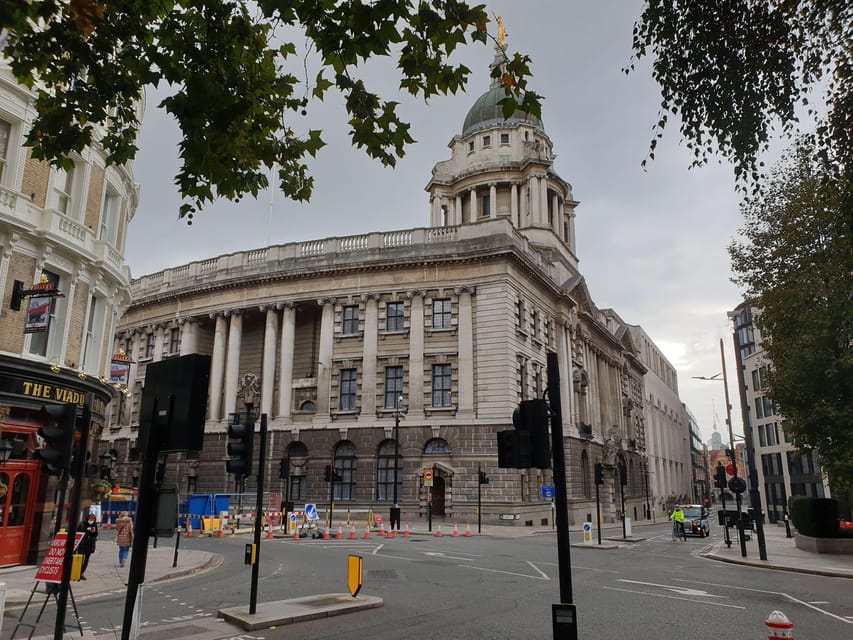
The final stretch turns heavier again with Old Bailey and Bridewell Centre, two key stops tied to London’s most notorious prisons. You hear about the role these places played in punishment and public order, and how the justice system shaped lives far beyond the courtroom.
Old Bailey is especially important for the connection to the city’s legal power. Bridewell Centre is where the “prison reality” feels closer, because it anchors the story in the mechanics of incarceration. Together, they finish the walk with a clear theme: London’s splendour and squalor were never far apart.
This is also the part of the tour where your posture and attention matter most. Stand where you have good sight lines to hear, then listen carefully to how the guide explains the relationship between court, prisons, and the wider city. It makes the darkness feel structured, not random.
Price and value for a two-hour Holborn walk
The price is $26 per person for about two hours, covering around two-and-a-half miles. For central London, that can be good value when you consider what you get in one package: a guided story across multiple eras, stops at major landmarks, and a practical route that moves you through Covent Garden toward Blackfriars without you needing to plan each hop.
What makes it feel like value is the range. You get Saxon turmoil, Knights Templar presence, Freemasons’ Hall splendour, Dickens-era Oliver Twist locations, retail silver at London Silver Vaults, and prison lore tied to Old Bailey and Bridewell. It is not one narrow theme. It is a curated “what this neighborhood was for” route.
The small group size of 15 is also a real value factor. You can hear the guide well, ask questions, and keep a conversation going without losing the route.
One more point: the tour runs in English only. If you need another language, you should plan on that constraint.
Who should book this tour, and who should skip it
I think this works best for adults and teens 13-plus who like street-level history, literature connections, and crime-and-justice context. If you enjoy piecing together how a neighborhood changes over centuries, this tour’s structure will click quickly.
It may be less ideal if you want long time inside one place. This is a guided walk with short stops. You will get guided context, but you are not settling in for extended self-paced exploring at each stop.
If dark topics are hard for you, consider that the tour includes stories involving prisons and an execution tied to Oliver Twist. You might still enjoy it if the tone works for you, but it is good to go in with eyes open.
Should you book Turmoil, Templars, Oliver Twist?
Book it if you want a two-hour walk that gives you a strong sense of London’s layers, from Saxon turmoil to Dickens and from Templars to prisons. The best part is how the guide keeps the story moving place to place, so you leave with a map in your head, not just a list of stops.
Skip it if you hate walking, need a more kid-friendly tone, or prefer museum-style time rather than quick guided stops. At $26 for a tightly paced, limited-group experience, it is an easy choice when you like story-driven urban history.
FAQ
How long is the tour?
It lasts about 2 hours.
What is the total walking distance?
The distance is about two-and-a-half miles.
Where do I meet the guide?
You meet outside Covent Garden Station, exit point, holding a Historic London Tours sign.
Where does the tour finish?
It finishes near Blackfriars Station at 36-37 New Bridge St, London EC4V 6BJ, UK.
How much does the tour cost?
The price is $26 per person.
What places will the tour cover?
You’ll visit stops including Bow Street Police Museum, Freemasons’ Hall, Temple Church, London Silver Vaults, Old Bailey, and Bridewell Centre, plus locations connected to Oliver Twist like Fagin’s den and an execution.
Is the tour in English?
Yes, the live tour guide provides the tour in English.
How big is the group?
Ticket sales are limited to fifteen attendees.
Is it suitable for children?
No, it is not suitable for children under 13 years.
Newly listed near London
- Women in art – National Gallery★ 5.0 · 3 reviews
- Woking: Royal Horticultural Society Wisley Garden Ticket★ 4.7 · 24 reviews
- Windsor Stonehenge Bath Private Tour from London with Passes★ 4.8 · 5 reviews
- From London: Windsor, Stonehenge & Oxford Private Car Tour★ 3.5 · 4 reviews
- Windsor Castle Tour with Fish and Chips Lunch in London★ 4.4 · 25 reviews
- Windsor Castle & Hampton Court Palace VIP Black Taxi Tour★ 4.9 · 14 reviews
- London: Windsor Castle & Tower of London Tour with Tickets★ 3.3 · 15 reviews
- From London: Windsor Castle, Bath, and Stonehenge Day Trip★ 4.4 · 153 reviews
London Tours, compared.


Tower of London and Crown Jewels Exhibition Ticket
Read our review →
Westminster to Greenwich River Thames Cruise
Read our review →
Magical London: Harry Potter Guided Walking Tour
Read our review →
Warner Bros. Studio Harry Potter Tour & Branded Bus
Read our review →