
Review · WESTMINSTER ABBEY TOURS
Westminster Abbey Skip-the-Line Entry and Private Tour
One building, a thousand years, and it moves fast. I like how this private Westminster Abbey tour uses skip-the-line entry and gets you into the story quickly, and I also love the mix of coronations, royal burials, and famous names in one tight 2-hour route. The main drawback is that it is not suitable for wheelchair users or people with mobility impairments, and the Abbey can involve uneven walking.
If you care about seeing more than just the headline sights, this tour is set up for that. You meet your guide outside the official Westminster Abbey shop at the base of the western side, and you follow the Urban Saunters sign to start. In at least one family experience, the guide, Trudy, helped keep things lively for kids aged 8, 11, and 14 while still covering serious details. Do plan for a working church, and keep in mind short-notice closures and changing opening hours can happen.
In This Review
- Key things to love about Westminster Abbey in this 2-hour private tour
- Why Westminster Abbey hits different when time is tight
- Skip-the-line entry, and what it saves you (besides time)
- Meeting outside the Abbey shop: how the start works in real life
- The crown story: coronations from William the Conqueror to Charles III
- Tudor feuds, royal weddings, and the people behind the headlines
- Burial places of authors and scientists: the surprise that makes it feel modern
- Henry VII Chapel and the 16th-century stonework you can spot
- Galleries secrets, flying buttresses, and gargoyles worth looking up for
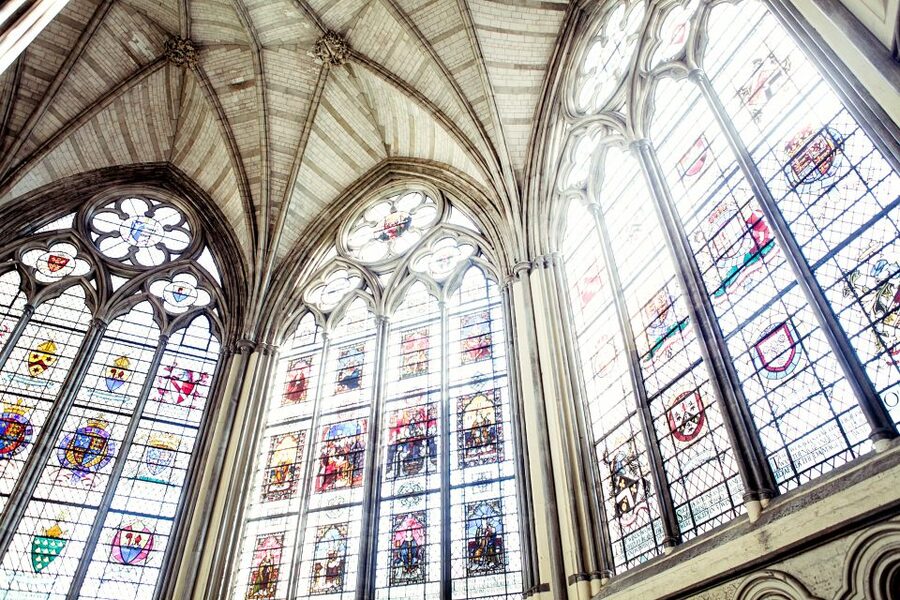
- The 13th-century triforium views: why this stop rewards paying attention
- How the guide style makes it work for families and first-timers
- Price and value at $337 per person for two hours
- What to bring, what to avoid, and how to not get stuck
- Who should book this Westminster Abbey skip-the-line private tour
- Should you book? My practical call
- FAQ
- How long is the Westminster Abbey skip-the-line private tour?
- Where do I meet the guide?
- Is there skip-the-line entry?
- What is included in the price?
- What are the rules for photos and video?
- Is the tour suitable for wheelchair users or people with mobility impairments?
Key things to love about Westminster Abbey in this 2-hour private tour
- Skip-the-line entrance so you spend more time inside, not in queues
- Coronation focus from William the Conqueror through Charles III
- Tudor sibling drama by way of the burial places tied to Elizabeth and Mary
- Major author and thinker graves like Chaucer, Kipling, Dickens, Newton, Hawking, and Darwin
- The coronation chair and Henry VII Chapel with standout stonework details
- Views from the 13th-century triforium, plus flying buttresses and gargoyles
Why Westminster Abbey hits different when time is tight
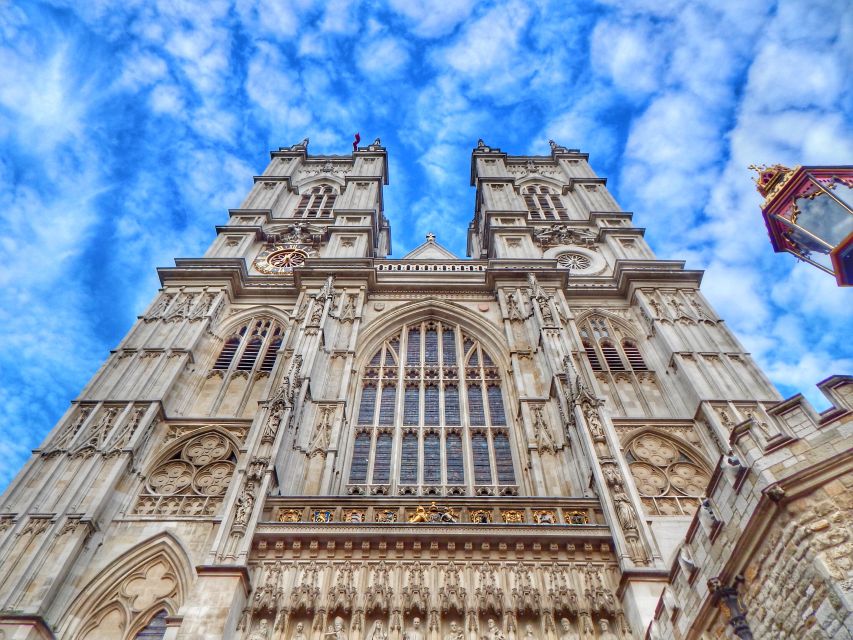
Westminster Abbey can feel overwhelming if you wander on your own. This tour gives you a storyline that stitches together the parts that matter: crowns, graves, and monuments. In two hours, you get the feeling of a lived-in landmark, not just a museum.
I like the way the itinerary is built around recognition. You do not only hear names tied to royalty. You also find the final resting places of authors and scientists, which makes the Abbey feel broader than you might expect.
The private format helps, too. You can ask questions as you go, and your guide can keep the pacing right for your group.
More Westminster Abbey visits:
- London: Westminster Abbey Entrance Ticket
★ 4.6 · 11,254 reviews - London: Westminster Abbey, Big Ben & Buckingham Guided Tour
★ 4.8 · 3,240 reviews - London: Buckingham Palace, Westminster Abbey & Big Ben Tour
★ 4.8 · 949 reviews
Skip-the-line entry, and what it saves you (besides time)
Skip-the-line here is not just a convenience checkbox. It changes your whole visit rhythm. Instead of spending the best part of your trip waiting, you use that time for galleries, burial monuments, and the key ceremonial highlights.
You enter through a separate entrance, so your tour does not depend on the same queue flow as walk-up visitors. That matters in an attraction as popular as this, where “what time you arrive” can make a big difference.
If you are going in busy seasons or on a day when you have limited flexibility, this is a smart way to protect your plan. Two hours is long enough to see a lot, but short enough that waiting can eat your best moments.
Meeting outside the Abbey shop: how the start works in real life
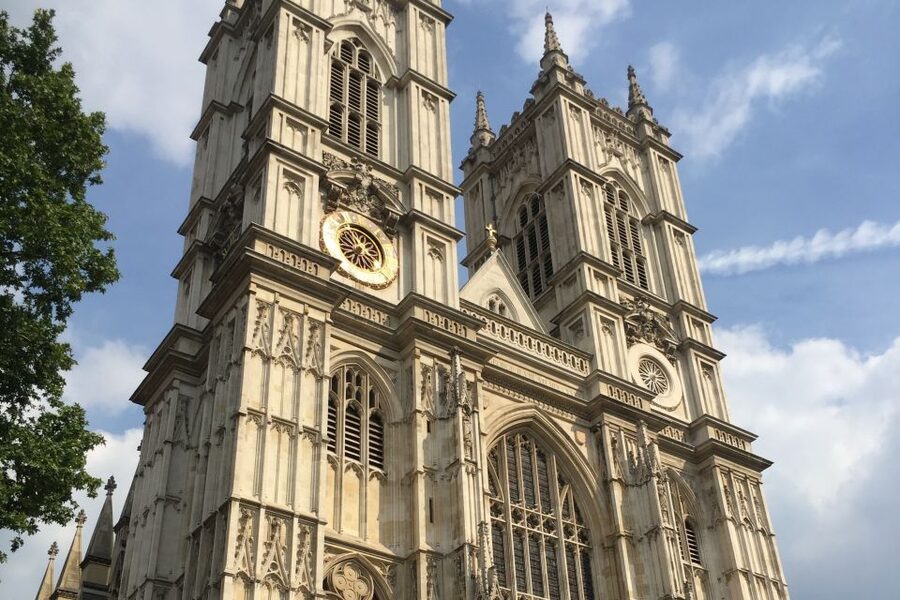
Your guide meets you outside the official Westminster Abbey shop at the base of the western side of the Abbey. You will spot them holding an Urban Saunters tour sign.
This is practical for two reasons. First, it helps you avoid confusion, especially if you are navigating Westminster for the first time. Second, the meeting point is right where you need to be to begin moving toward the entrance and the first big stops.
Bring comfortable shoes. You are doing more than a quick look at stonework. You are walking inside and out, and the Abbey is a working church, so you may have to adjust your path if access shifts.
The crown story: coronations from William the Conqueror to Charles III
The heart of this tour is the coronation thread. Your guide walks you through where every coronation from William the Conqueror to Charles III took place. Even if you are not a hardcore monarchist, hearing it as a continuous line of events makes the Abbey feel like a center of power, not a set of disconnected chapels.
You also get the thrill of the early origin point. Seeing where William the Conqueror was crowned is one of those moments that makes the building click into place. It stops being “old stones” and starts being a place where decisions were made.
And you get a tactile sense of ceremonial design. The tour highlights the 700-year-old coronation chair, which is hard to take in until you know what it represents. It is the physical prop behind a political act, preserved enough to connect past to present.
If you love ritual, this section is going to be your favorite. If you think you only care about tombs, you will still get value here because the coronation story explains why those tomb spaces and chapels mattered so much.
A few more London days worth comparing
- London: The London Eye Entry Ticket
★ 4.6 · 35,875 reviews - London: Tower of London and Crown Jewels Exhibition Ticket
★ 4.6 · 28,769 reviews - From London: Harry Potter Warner Bros Studio Tour
★ 4.7 · 26,588 reviews - London: Westminster to Greenwich River Thames Cruise
★ 4.5 · 22,836 reviews
Tudor feuds, royal weddings, and the people behind the headlines
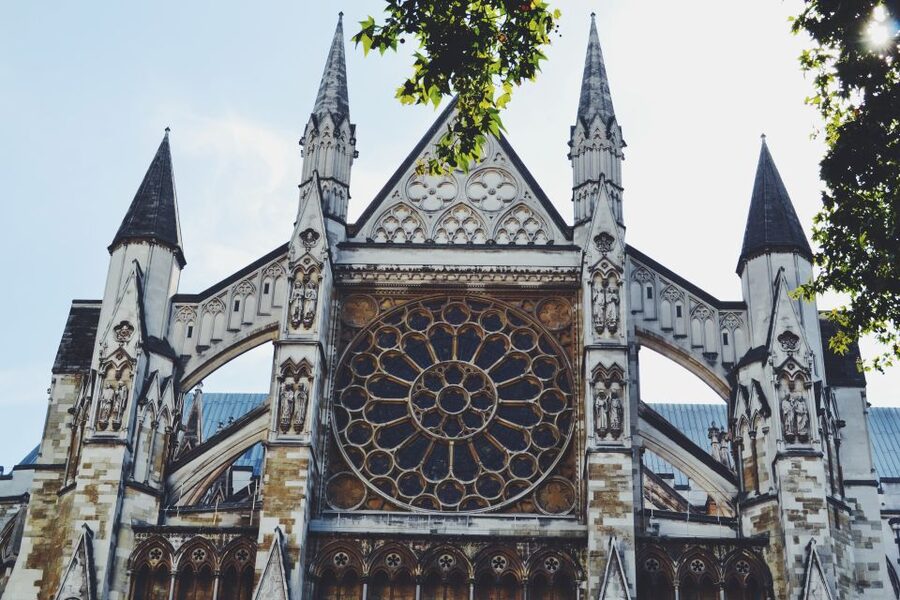
Westminster Abbey is a royal stage. This tour shows that in two ways: where key Tudor figures are buried and how the Abbey was used for major royal weddings.
You will learn where the Tudor queens Elizabeth and Mary were buried, including the tension and rivalry that shaped their era. Even if you remember the broad strokes from school, a guide can bring it down to the stone and location. You see how the Abbey becomes a record of power shifts and grudges.
Then you move to the wedding side. The tour touches on the romance of the Abbey as a setting for seventeen royal weddings, including the wedding of William and Kate. That is a helpful reminder that Westminster is not only about crowns in the abstract. It is about families making public promises inside the same walls that handled politics.
One consideration: this is a dense topic list for two hours. The tour does not drag. It points you to what to look at, explains why it matters, then moves on.
Burial places of authors and scientists: the surprise that makes it feel modern
This is one of the reasons I think this tour is such good value for people who do not want a purely monarch-focused visit. You get the final resting places of famous authors and scientific figures, in the same stop-and-look style.
The guide highlights names like Geoffrey Chaucer, Rudyard Kipling, Charles Dickens, Isaac Newton, Stephen Hawking, and Charles Darwin. That mix is a clever way to show the Abbey as a national memorial space, not only a royal graveyard.
Why it works for you: it gives your brain something familiar to grab onto. You might come in thinking you will learn about kings and queens. You leave remembering that writers and thinkers are part of the same national story.
I also like the balance here. Instead of turning the Abbey into a trivia scavenger hunt, the guide uses these names to point you toward meaningful places you can actually locate and see.
Henry VII Chapel and the 16th-century stonework you can spot
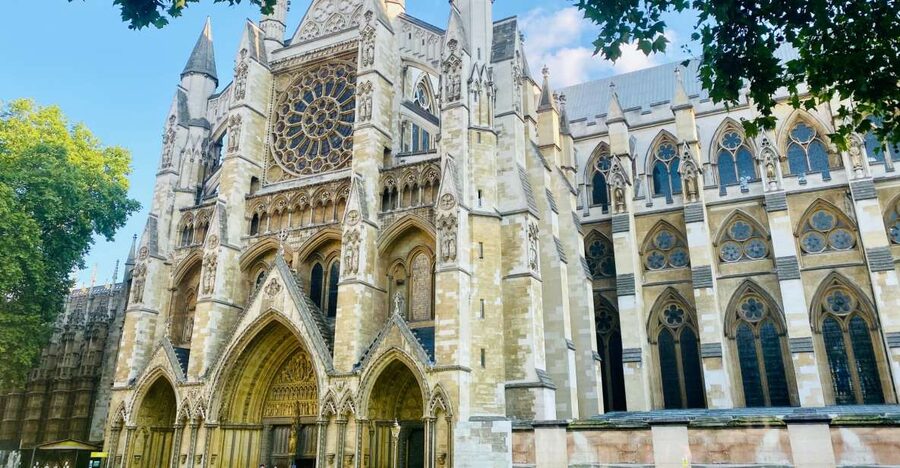
The Henry VII Chapel is where the tour shifts from broad themes into hands-on observation. You get to admire the craft of 16th-century stonework, which is the kind of detail you might miss if you are looking only at the biggest visual targets.
This is a good moment to slow your eyes down. Pay attention to carvings and structural shapes rather than trying to take everything in at once. A guide helps you know what you are seeing, so the chapel does not become a blur of gorgeous work.
You also learn about the portraits of modern martyrs. That detail matters because it links the Abbey to later history, not just medieval Britain. It keeps the building from feeling frozen in time.
If you care about architecture and art, this section gives you enough concrete details to make your photos worthwhile later, even though you cannot photograph inside.
Galleries secrets, flying buttresses, and gargoyles worth looking up for
Beyond the big named spaces, the tour includes the galleries. The idea is simple: you do not just stand where everyone stands. You go to vantage points that show how the Abbey is built and used.
The guide emphasizes secrets of the abbey in the galleries, which translates to a more layered understanding of space. You see how different parts relate to each other and how movement and light are part of the experience.
Then you switch to exterior and high-up elements. The flying buttresses and ornately carved gargoyles are highlighted, which is perfect if you like the weird, dramatic side of Gothic design. Gargoyles can look like decoration until someone points out how they fit into the architecture and visual language.
It is a good section for photos, at least outside. Just remember the Abbey rules: no video recording and no photography inside.
The 13th-century triforium views: why this stop rewards paying attention
One of the specific perks is views from the 13th century triforium. This is not just a pretty moment. It helps you understand scale and placement.
From a higher level, the Abbey stops being a single room and turns into a layered structure. You can see how the space is arranged, and that makes the earlier coronation and burial stories easier to follow. Your mental map gets clearer.
If you like “show me where I am” travel moments, you will appreciate this. It is a chance to reframe everything you have just heard.
How the guide style makes it work for families and first-timers
In one confirmed booking, the guide was Trudy, and the group included three daughters aged 8, 11, and 14. The standout point was that Trudy stayed knowledgeable and also kept the tour fun for kids.
You should expect that kind of adaptability if your guide has experience with mixed ages. A tour like this can go two ways: either it becomes a long lecture, or it becomes a story you can actually follow. The best guides do the second.
Because it is private, your guide can also pace breaks and adjust explanations. That helps if someone needs a moment, if the group wants more time at a tomb, or if the kids need shorter, punchier facts.
Price and value at $337 per person for two hours
Let’s talk money honestly. At $337 per person for a two-hour private tour, this is not a budget pick. It is priced for people who want a guide plus skip-the-line entry, and who value guided access to a dense site.
Here is what you get that supports the price:
- A Blue Badge guide in English
- Entrance tickets included
- Skip-the-line access through a separate entrance
- A private group format, which usually means more direct attention and less waiting
The big value comparison is time and friction. Westminster Abbey is popular, and queues can turn a short visit into a long one. When you protect your schedule, you protect your enjoyment.
What is not included is also part of the value equation. Food and drinks are not part of the tour, so you might want to plan a nearby snack stop before or after if you are visiting during a longer day.
If you are a solo traveler, the per-person cost can feel steep. If you are traveling as a small group that fits the private model, it starts to look more sensible because you are paying for a human guide and faster entry, not just a route on paper.
What to bring, what to avoid, and how to not get stuck
This tour takes place rain or shine. So wear weather-appropriate clothing and plan to stay comfortable.
Bring:
- Passport or ID card
- Comfortable shoes
- Water
For kids, the tour info also asks for passport or ID card.
Avoid:
- Luggage or large bags
- Video recording
- Photography inside
Also note that Westminster Abbey is a working church. Closures can happen on short notice, and opening hours can change. That is not something you can control. What you can control is arriving prepared and staying flexible.
Who should book this Westminster Abbey skip-the-line private tour
This fits best if you want:
- A guided, story-driven visit in two hours
- Skip-the-line access so your schedule stays intact
- A guide who connects coronations, royal burials, and famous authors and scientists
- A private format for couples, friends, or family groups
It is less likely to work for you if you use a wheelchair or if mobility limitations make it hard to navigate the site.
Should you book? My practical call
I would book this tour if you are the type of traveler who likes your major sights explained, not just photographed. The combination of skip-the-line entry and a guided route through coronations, tombs, and major named figures makes it feel efficient and purposeful for the price.
I would skip it if you are trying to keep costs very low, or if you need accessibility support that this format cannot accommodate. Also, if you prefer long free time to wander and read at your own speed, two hours can feel tight.
But if you want to walk away with a clear sense of why Westminster Abbey matters, and you want that clarity without spending your trip in queues, this is a strong choice.
FAQ
How long is the Westminster Abbey skip-the-line private tour?
The tour lasts 2 hours.
Where do I meet the guide?
Meet your guide outside the official Westminster Abbey shop, at the base of the western side of the Abbey. The guide will be holding an Urban Saunters tour sign.
Is there skip-the-line entry?
Yes. You get skip-the-line tickets through a separate entrance.
What is included in the price?
An English speaking Blue Badge guide and entrance tickets are included.
What are the rules for photos and video?
Video recording is not allowed, and photography inside the Abbey is not allowed.
Is the tour suitable for wheelchair users or people with mobility impairments?
No. It is not suitable for people with mobility impairments and wheelchair users.
Newly listed near London
- Women in art – National Gallery★ 5.0 · 3 reviews
- Woking: Royal Horticultural Society Wisley Garden Ticket★ 4.7 · 24 reviews
- Windsor Stonehenge Bath Private Tour from London with Passes★ 4.8 · 5 reviews
- From London: Windsor, Stonehenge & Oxford Private Car Tour★ 3.5 · 4 reviews
- Windsor Castle Tour with Fish and Chips Lunch in London★ 4.4 · 25 reviews
- Windsor Castle & Hampton Court Palace VIP Black Taxi Tour★ 4.9 · 14 reviews
- London: Windsor Castle & Tower of London Tour with Tickets★ 3.3 · 15 reviews
- From London: Windsor Castle, Bath, and Stonehenge Day Trip★ 4.4 · 153 reviews
Westminster Abbey Tours, compared.
Westminster Abbey, Big Ben & Buckingham Guided Tour
Read our review →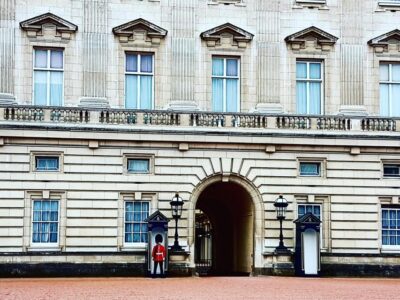
Buckingham Palace, Westminster Abbey & Big Ben Tour
Read our review →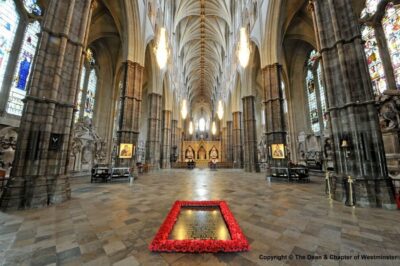
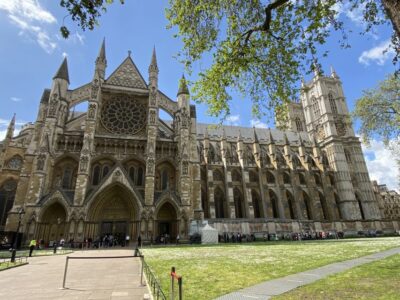
Guided Westminster Abbey Tour and Refreshments
Read our review →
Westminster Abbey Skip-the-line Entry & Guided Tour
Read our review →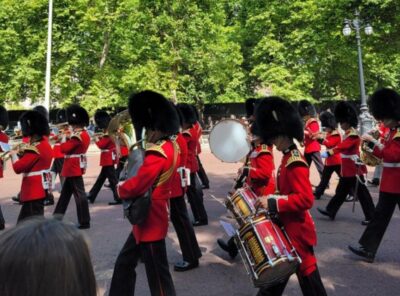

Houses of Parliament & Westminster Abbey Guided Tour
Read our review →Browse the lists this tour appears in