

Review · MUSEUMS
Whitby: Captain Cook Museum Entry Ticket
A name like Captain Cook pulls you in. The real hook here is walking through the only surviving Cook-linked building in Whitby. You get to see original documents, voyage artwork, and detailed ship models, all set inside a harborside 17th-century home.
I especially like the original letters, including correspondence tied to King George III and the Admiralty. They give you the human side of exploration, not just the big maps. I also love how the museum connects Cook’s legend to Whitby itself, with ship models featuring Whitby-built collier barks made for the coal trade.
One thing to keep in mind is the layout. On busy days, the historic rooms can feel tight and a bit cramped, so plan for slower pacing and fewer wide turns.
In This Review
- Key highlights at a glance
- Stepping into Whitby’s 1688 Captain Cook house
- Quick logistics to find your way in
- The house and garden: how to make sense of what you’re seeing
- A note on space
- Original letters, royal regret, and Admiralty names you can remember
- Voyage artwork and the ship models: learn what to look for
- The practical rules that affect your visit
- Price and value: is $14 worth it?
- Who should book, and who might not love it
- Should you book the Captain Cook Museum entry ticket?
- FAQ
- How long should I plan to spend at the Captain Cook Memorial Museum?
- Where is the museum entrance and how do I get there?
- Is a guided tour included?
- Can I take photos inside?
- Are food and drinks allowed?
- What items are not allowed with me?
- Is the ticket valid for more than one day?
- Is it wheelchair accessible?
- Is it suitable for wheelchair users?
Key highlights at a glance
- Only surviving Cook-linked building in Whitby, built in 1688 and still on the harborside
- Original Cook-era documents, including letters involving King George III and Lord Sandwich
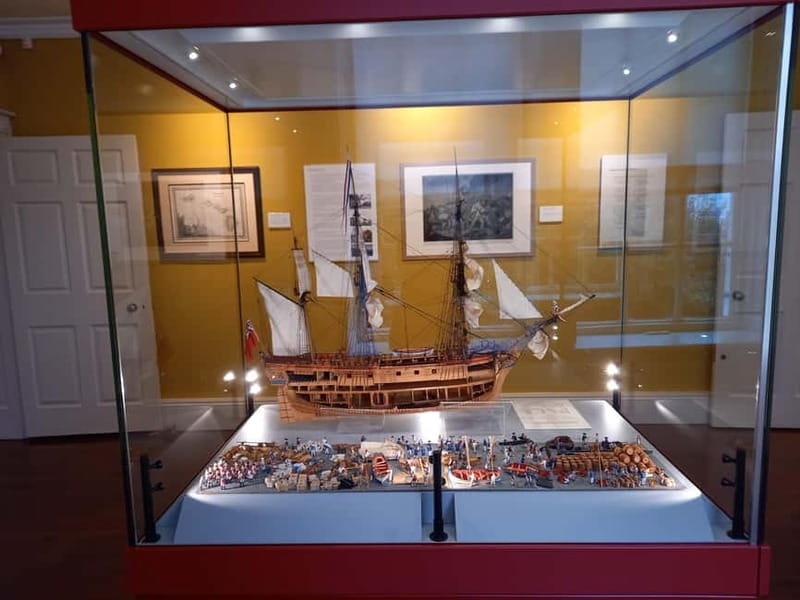
- Ship models of Whitby-built collier barks, tied to the coal trade that shaped the region
- Real voyage art, with watercolors, pencil drawings, sketches, and models to match
- A working-yard style garden with 18th-century plants that change by season
- A family-friendly, education-forward visit, plus an educational gift shop
Stepping into Whitby’s 1688 Captain Cook house
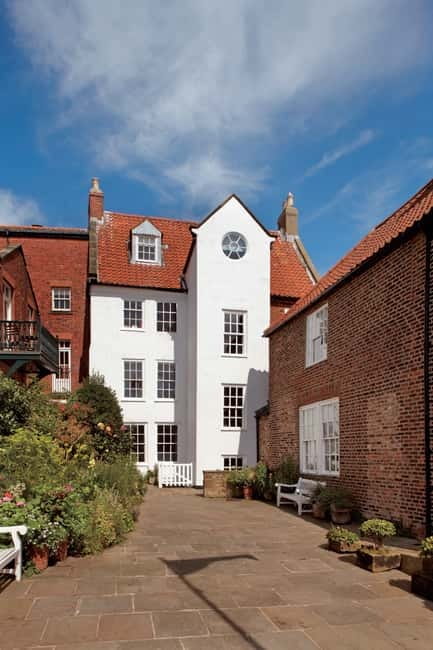
Whitby’s harborside is already a storybook setting, but this museum takes it one step further by placing you inside a real 17th-century structure. The Captain Cook Memorial Museum is housed in the only surviving building connected to Captain Cook, and it dates to 1688. That matters, because you’re not just looking at Cook as a famous figure from a distance, you’re surrounded by the kind of domestic and working space that would have shaped a master mariner’s world.
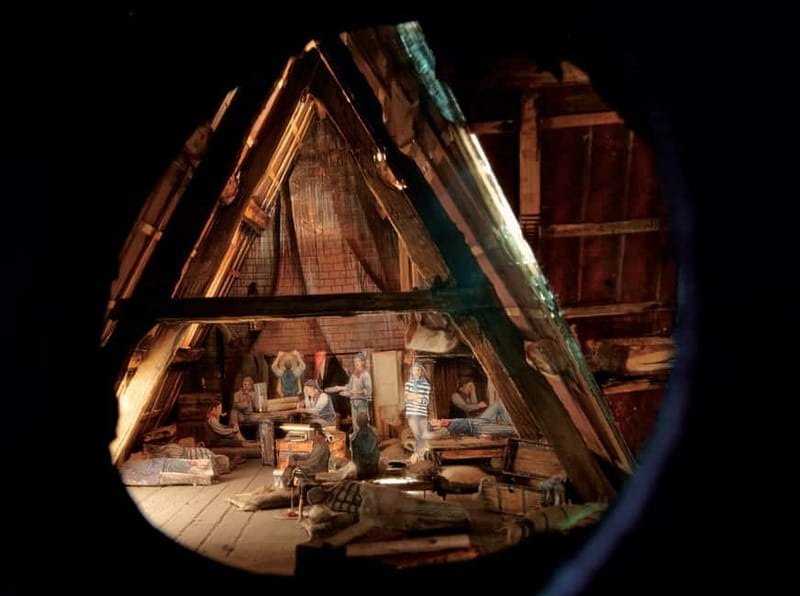
The visit starts with a simple fact: this place is connected to James Cook long before the voyages made him a household name. As a teenager, he came to be apprenticed to Captain John Walker, and the museum helps you see how Whitby’s maritime life fed that kind of career. The house also preserves the original internal character and decoration, so you get an honest sense of period rooms rather than a generic museum set.
For me, one of the most satisfying parts is how the museum makes the geography feel relevant. You’re on the harborside, not tucked away downtown. That single detail makes the letters, ship models, and garden feel less like collectibles and more like pieces of a working life.
More museum visits in York & Yorkshire:
- London: Tower of London and Crown Jewels Exhibition Ticket
★ 4.6 · 28,769 reviews - Liverpool: Liverpool Football Club Museum and Stadium Tour
★ 4.8 · 10,764 reviews - London: Chelsea Football Club Stadium and Museum Tour
★ 4.8 · 4,576 reviews
Quick logistics to find your way in
You’ll want to get your bearings fast. The meeting point is over the swing bridge. Turn right down Grape Land, and look for the museum, which is clearly marked. Entrance runs through a door and gates into the courtyard, and the entry door sits in the corner near the model Kangaroo, marked Stubbsie.
If you’re visiting around peak times, I’d arrive early. Even though you can move at your own pace, the house design can slow you down when multiple people are funneling into the same rooms.
The house and garden: how to make sense of what you’re seeing
This is not a stop-and-go checklist tour. It’s a self-paced museum visit, and the most enjoyable way to do it is to treat the building like a sequence. You’ll move through the original 17th-century house, then on to the garden area that once served as a working yard tied to a master mariner’s business.
Inside, the museum focuses on what makes the place specific to Cook and Whitby. You’ll see the house connected to Cook as a 17-year-old apprentice, plus the preserved internal decoration. The goal is to show how maritime work was organized and how daily life would have felt in a home built for connection to the sea and trade.
The garden is where you can slow down. It was formerly a working yard for a master-mariner business, and the plants are described as 18th-century plantings that change with the seasons. That means the museum isn’t purely static. If you’re visiting in spring versus autumn, you might notice different plant life and different garden energy.
Plan to spend a few minutes just sitting. The museum encourages you to soak up the atmosphere of the garden, and that break is genuinely useful. Once you’ve taken in letters and voyage art, a quiet bench moment helps everything land in your head, instead of turning into museum overload.
A note on space
The museum recommends about 1-2 hours for a full visit, and that’s realistic. If you’re a quick scanner, you could do it faster. If you actually read letters and study artwork, you’ll want closer to the longer end.
The downside is crowd flow. Historic houses tend to have narrower passages, and on busy days you may find yourself doing short waits or careful sidestepping. It’s not a dealbreaker, just a planning detail that affects comfort.
A few more York & Yorkshire days worth comparing
- York: Daytime Sightseeing Boat Cruise with Live Commentary
★ 4.2 · 2,618 reviews - Comedy Horror Show: York Ghost Bus Tour
★ 4.4 · 2,496 reviews - York: Harry Potter Guided Walking Tour
★ 4.5 · 1,231 reviews - York: The York Dungeon Entry Ticket
★ 4.8 · 1,108 reviews
Original letters, royal regret, and Admiralty names you can remember
A lot of maritime museums show you ships. This one also shows you the written machinery behind them: correspondence, orders, and official notes.
You’ll see original letters from Captain Cook and others. Among the most striking items is a note written by King George III expressing regret at the news of Cook’s death. That kind of royal line does two things at once. It gives you an emotional jolt, and it reminds you that exploration was tied to national pride and government decision-making.
The museum also includes correspondence from Lord Sandwich, First Lord of the Admiralty, who was closely involved in preparations for the Second and Third voyages. If you want one takeaway that makes the museum more than a visual stop, it’s this: these voyages didn’t happen because of one heroic captain alone. They were organized, funded, argued over, and politically handled.
There’s also content about Elizabeth Cook and the home front during the voyages. That’s important because it grounds the story in the people left behind. You’re shown that the cost of long ocean journeys was not abstract. It affected households and relationships, and it shaped lives back in Britain while ships were gone.
If you like your museum visits to have names and context, this is a strong match. Once you fix King George III and Lord Sandwich in your mind, the rest of the documents feel more connected rather than random letters in frames.
Voyage artwork and the ship models: learn what to look for
The museum’s visual materials do a lot of work. You’ll see original voyage artwork including watercolors, pencil drawings, and sketches, plus ship imagery tied to the voyages. These aren’t meant to float as decoration. They help you picture what explorers were seeing and documenting, and they give you something tangible to connect to the written letters upstairs and throughout the house.
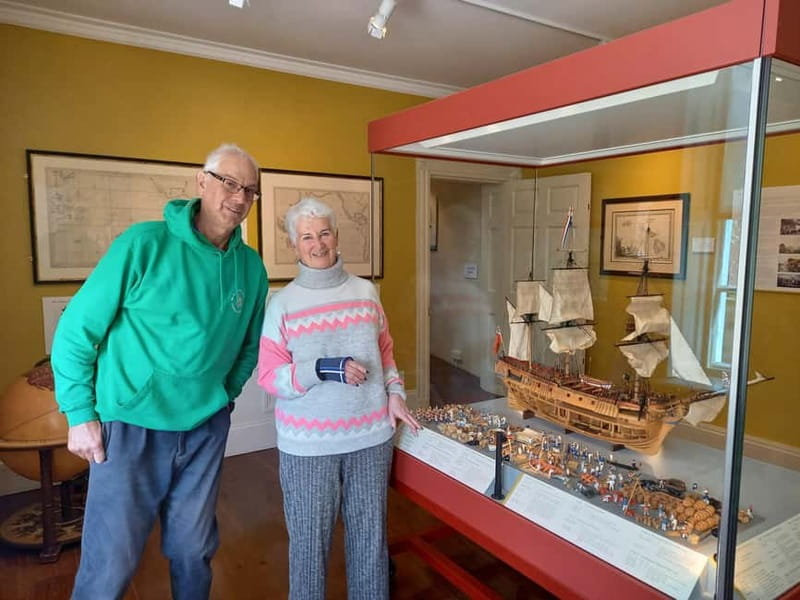
Then come the models, and this is one of the biggest “wow” factors for the experience. You’ll see superb models of Cook’s ships, specifically with ship references described as Whitby-built collier barks. The models emphasize how sturdy and reliable these ships were, built to service the coal trade. That detail might sound niche, but it’s actually a key to understanding the whole region.
Whitby’s maritime identity was built on practical work, not just romance. Collier barks were part of a system that moved coal, powered industries, and kept coastal economies running. When you see these ship models in that context, Cook’s voyages feel like they grew out of real shipbuilding capability in real local yards.
I’d suggest you slow down on the ship models. Don’t treat them as “just models.” Use them as reference points. When you later look at voyage artwork, ask yourself how the ship’s design and purpose might influence what gets sketched, painted, or recorded.
The practical rules that affect your visit

This museum is small and focused, and the rules reflect an effort to protect artifacts and keep the historic space functioning well. A few policies shape your day, so it’s worth knowing them before you go.
Photography is allowed, but flash photography is prohibited. So if you’re the type who loves taking lots of close-ups, plan on steady light and patience. The building itself will do most of the work for you, but flashes can ruin visibility for you and for others and can damage delicate materials.
Food and beverages are not allowed inside. That means you’ll want to plan meals around your museum slot. The visit is short enough that you can grab something before or after, then come in ready to focus.
You also can’t bring luggage or large bags, and baby strollers, backpacks, and pets are not allowed. Assistance dogs are allowed, and unaccompanied minors are not permitted. If you’re traveling with kids, plan on supervision and keep the carry-ons minimal.
Price and value: is $14 worth it?
At about $14 per person with a 1-day ticket, this isn’t a budget blowout or a premium splurge. It’s priced like a focused museum experience, and the value comes from the combination of items you get in one place.
What you’re paying for isn’t just a room full of paintings. You’re paying for access to:
- the original 17th-century house and associated garden
- original correspondence tied to Cook and major figures
- original voyage artwork and portraits
- detailed ship models connected to Whitby-built vessels
- context about Elizabeth Cook and the home front
That set of features matters because it gives you multiple “entry points” into the story. If you love documents, letters carry you. If you love art, the watercolors and sketches do the job. If you love shipbuilding, the models explain more than ships, they explain infrastructure.
And the timing works. With a suggested 1-2 hours, you don’t have to build a whole day around it. You can fit it into a Whitby coastal itinerary without turning your schedule into a squeeze.
Who should book, and who might not love it

This museum is a strong fit if you want a hands-on, place-based look at Cook that goes beyond the headline voyages. It’s especially good for:
- history lovers who enjoy primary documents
- art fans who like seeing original sketches and drawings tied to exploration
- people who want a maritime story anchored in Whitby’s local shipbuilding and trade
It’s also ideal for families that want an educational visit without needing guided narration. The exhibits are designed to be engaging across ages, and the museum includes a gift shop stocked with educational resources.
Where it might not click is comfort and spacing. If you struggle with tight indoor layouts, or if you dislike crowded narrow passages, you’ll want to plan timing carefully.
Should you book the Captain Cook Museum entry ticket?
I’d book it if you’re in North Yorkshire and you like your travel with real artifacts. For $14, you get the rare combo of an original 1688 harborside building plus original letters, voyage artwork, and ship models that connect Cook to Whitby’s working maritime life.
Skip it or plan differently if you’re looking for a guided tour experience with a lot of narration. This ticket focuses on self-led exploration. Also, if you need extensive accessibility across multiple floors, the historic layout may limit what you can reach. That doesn’t mean it’s pointless, but it may change how satisfying the visit feels.
If you want an easy, focused way to understand Cook as both a person and a product of Whitby’s seafaring world, this is a smart booking.
FAQ
How long should I plan to spend at the Captain Cook Memorial Museum?
Plan on at least 1-2 hours to see the house, garden, letters, artwork, and ship models at a comfortable pace.
Where is the museum entrance and how do I get there?
Go over the swing bridge, turn right down Grape Land, and follow the clearly marked museum. Entrance is through a door and gates into the courtyard, near the model Kangaroo labeled Stubbsie.
Is a guided tour included?
No. Admission includes access to the house, garden, and exhibits, but guided tours are not included.
Can I take photos inside?
Yes, photography is allowed, but flash photography is prohibited to help preserve the artifacts.
Are food and drinks allowed?
No, food and beverages are not allowed.
What items are not allowed with me?
Baby strollers, smoking, luggage or large bags, pets (assistance dogs allowed), back packs, alcohol and drugs, unaccompanied minors, chewing gum, climbing, and bare feet are not allowed.
Is the ticket valid for more than one day?
It is valid for 1 day. Check availability to see starting times.
Is it wheelchair accessible?
The museum is described as wheelchair accessible, but the historic building may limit access. Access for mobility impairments is first floor only, and video is available showing the remaining floors including the Special Exhibition.
Is it suitable for wheelchair users?
It is noted as not suitable for wheelchair users. If you use a wheelchair or need full access beyond the first floor, the museum’s access limitation is an important factor to consider.
Newly listed near York & Yorkshire
- Yorkshire Wildlife Park: Entry Ticket★ 4.5 · 161 reviews
- Royal Horticultural Society: Harlow Carr Garden Ticket★ 4.7 · 14 reviews
- Yorkshire: All Creatures Great and Small Mini-Coach Tour★ 4.8 · 25 reviews
- York: Wizard Walk of York Tour – Magic, Comedy & Family Fun★ 4.8 · 57 reviews
- York’s Snickelways Story Walking Tour★ 4.9 · 169 reviews
- York: York Cocoa Works Guided Tour and Tasting★ 4.5 · 168 reviews
- York: Private Horse-Drawn Carriage Ride and Afternoon Tea★ 5.0 · 3 reviews
- York: Private Guided Walking Tour★ 5.0 · 3 reviews
Museums, compared.

Tower of London and Crown Jewels Exhibition Ticket
Read our review →
Liverpool Football Club Museum and Stadium Tour
Read our review →
Chelsea Football Club Stadium and Museum Tour
Read our review →




British Museum Guided Tour with Entrance Tickets
Read our review →Browse the lists this tour appears in