
Review · MUSEUMS
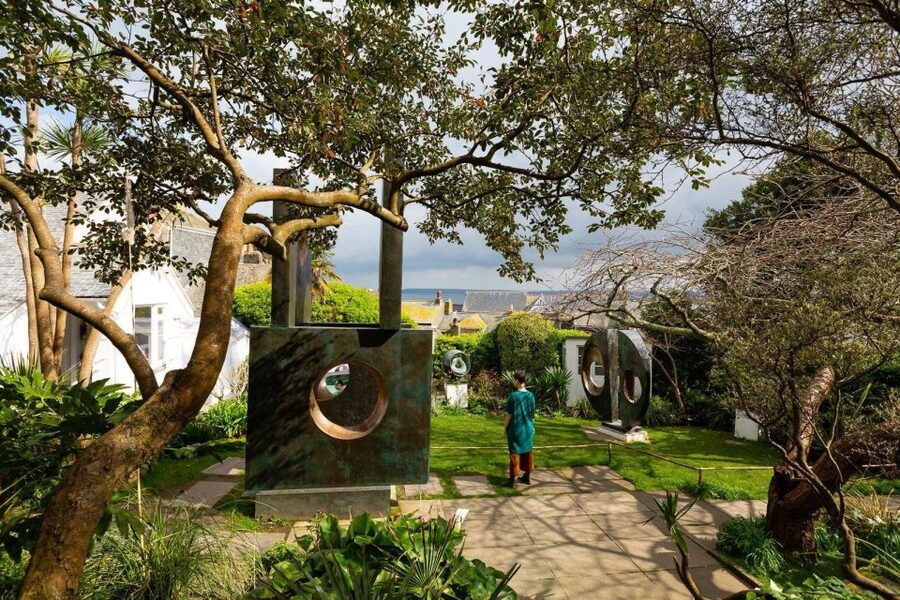
Barbara Hepworth Museum & Sculpture Garden: entry to site.
Barbara Hepworth’s garden still feels like work. In one compact visit you get Barbara Hepworth’s home-and-museum setting plus a sculpture garden that stays largely unchanged from her time in St Ives. I especially like how the museum tells her story in a straightforward way, and how the garden pairing of art and planting makes you slow down instead of rushing.
One thing to plan for, though: the site is fairly small and there’s no café or refreshment facilities, so bring your energy (and do not plan on stopping for snacks on site).
In This Review
- Key highlights to look for
- Barbara Hepworth’s home-and-garden stays personal in modern art terms
- Enter through the admission area, then let the timeline steer you
- Upstairs in the former living area: the museum portion feels quietly intimate
- The sculpture garden: sub-tropical planting turns outdoor works into a walkable conversation
- How Ben Nicholson context (and staff guidance) helps modern art make sense
- What you will not get (and why that is still good value)
- How long to plan, and the small-group pace (up to 9)
- Practical rules, photo limits, and what to pack in your head
- Who should book this visit
- Should you book Barbara Hepworth Museum & Sculpture Garden?
- FAQ
- How much does entry cost?
- How long should I plan for the visit?
- What parts of the site does the ticket include?
- Is there a café or somewhere to buy refreshments?
- Is the site wheelchair accessible?
- Are pets allowed?
- Can I bring food, drinks, or a camera setup for photos?
Key highlights to look for
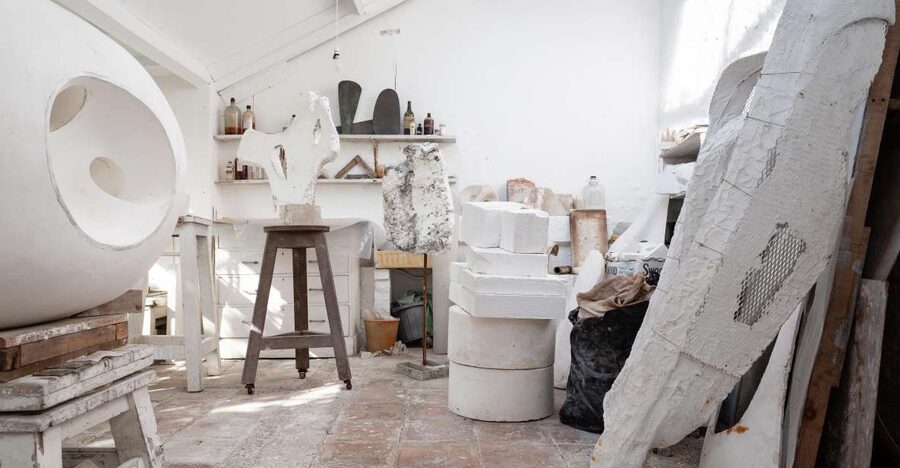
- A chronological entry area with archive photos and artefacts that help you place Hepworth’s career in context
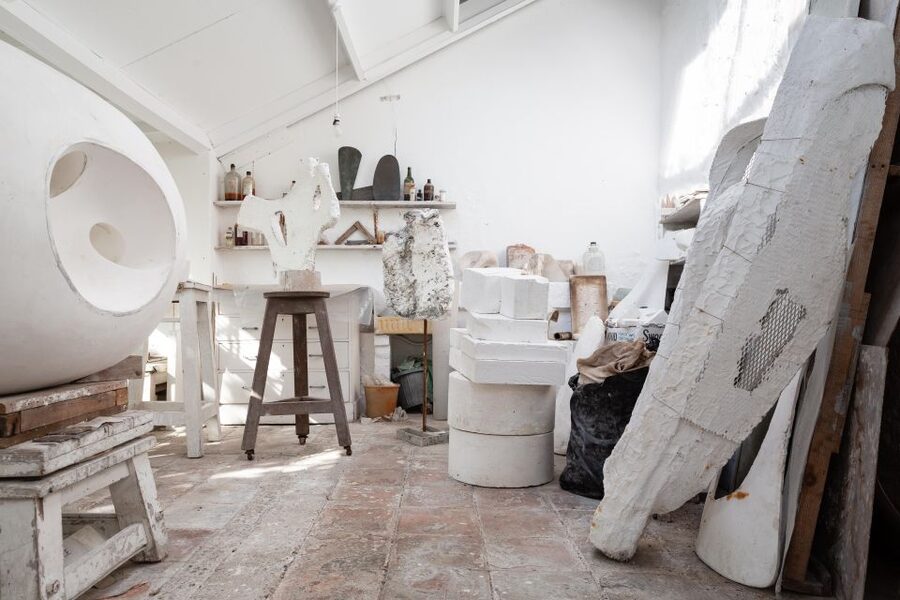
- Museum displays inside her former living areas, with artworks shown where they once lived and worked
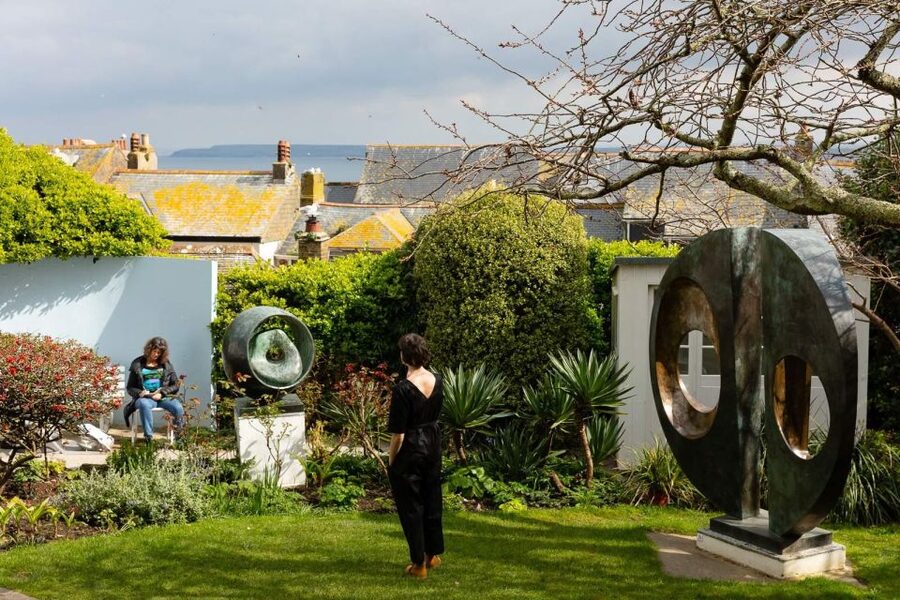
- A larger-scale sculpture garden set in a sub-tropical garden that makes the outdoor works feel intimate, not intimidating
- Staff who are friendly and easy to talk to, with practical guidance that helps modern art click faster
- Planting that supports the sculptures, not competes with them
- References that connect Hepworth and Ben Nicholson, adding useful context to the works
Barbara Hepworth’s home-and-garden stays personal in modern art terms
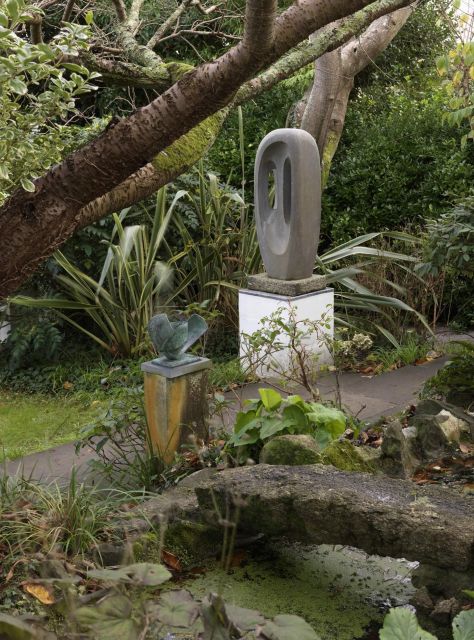
This is not a big, glossy “blockbuster” museum day. What you get instead is a visit that feels like walking through Hepworth’s working life, from the rooms to the garden paths. The site is intentionally kept close to how it was when she lived and worked there, so you are not just seeing art, you are seeing the setting around it.
If you care about modern sculpture, you’ll likely appreciate how the artworks sit in the landscape rather than being isolated behind glass or rope. If you care about gardens, you’ll get a sub-tropical garden design that frames the sculptures with real atmosphere and shade.
The value here is that you can take in a lot of meaning without it turning into a lecture. The best moments tend to come when you stop, look, and let the space do its job.
More museum visits in Cornwall:
- London: Tower of London and Crown Jewels Exhibition Ticket
★ 4.6 · 28,769 reviews - Liverpool: Liverpool Football Club Museum and Stadium Tour
★ 4.8 · 10,764 reviews - London: Chelsea Football Club Stadium and Museum Tour
★ 4.8 · 4,576 reviews
Enter through the admission area, then let the timeline steer you
Your visit starts in the admission area, where you’ll find archive-style information: chronological photos and artefacts from Hepworth’s career. This matters more than it sounds. Modern art can feel like it has its own language, and this opening section helps you translate that language fast.
I like that this area is built for orientation. It gives you a way to understand what you are about to see upstairs, and it helps you catch the “why” behind the artworks rather than just the “what.” In practice, if you skim first, you may miss the threads that later connect to the house rooms and garden works.
Look for the way the story is presented as a sequence. Hepworth’s career is not just a list of dates, it’s a progression that makes the later works feel earned. A couple minutes here can save you time later, because you’ll be able to “place” what you’re seeing instead of treating each piece like an isolated poster.
Upstairs in the former living area: the museum portion feels quietly intimate
After you’ve oriented yourself, head upstairs to the museum rooms. Here you’ll see selected works by Hepworth in what feel like her former living areas. That phrase is key. The museum is not only a display space, it’s part of her home logic: rooms, viewpoints, and the sense of how someone might live with art.
The museum includes a mix of abstract sculpture, as well as paintings and drawings. You can expect to see artworks arranged so they connect to her daily world, not just her public reputation. This also means you should slow your pace. In a small museum, standing too far back or rushing through the rooms can make everything blur together.
What I like most is the feeling that the displays encourage looking in layers. Start with shape and form, then shift to how the work sits in the space. When you see abstract forms in an environment that once belonged to the artist, the works often feel less like puzzles and more like decisions made in a real place.
The sculpture garden: sub-tropical planting turns outdoor works into a walkable conversation
Next is the outdoor sculpture garden. This is where the visit often clicks for people who usually find modern sculpture hard to “get.” The garden is set in a beautiful sub-tropical setting, and the larger-scale sculptures land with more impact because they are not trapped indoors.
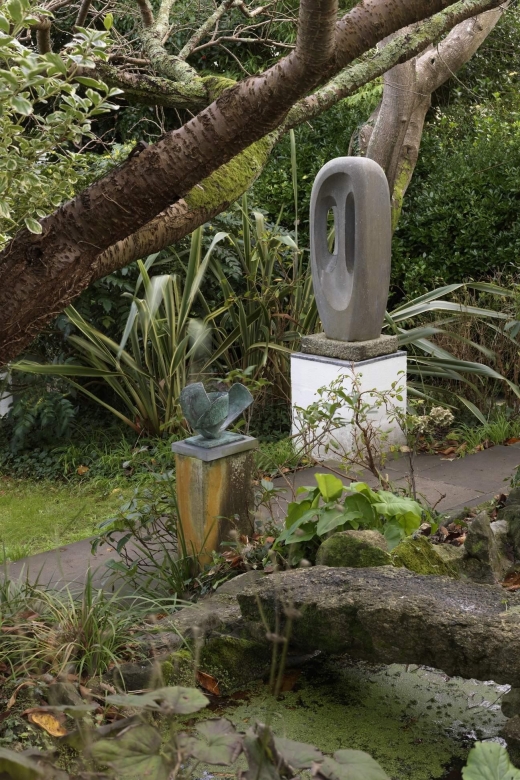
You’ll see additional works outside, including bigger pieces that take advantage of open sightlines. But the garden is not just a backdrop. The planting helps you move at an art pace. Instead of a straight-line “tour route,” the paths make you notice angles, shadows, and how the sculptures look as the light shifts.
From a practical standpoint, give yourself time between stops. Stand back at first, then walk closer or change your viewpoint. These works tend to reward that kind of attention. In reviews, people specifically praised the way the garden planting complements the sculptures, and that’s exactly what you’ll feel when you’re actually there.
One more consideration: there isn’t a built-in “reset moment” like a café or long indoor break. So if you’re visiting on a warm day, plan to pace yourself and choose shaded moments in the garden.
A few more Cornwall days worth comparing
- Cornwall: Eden Project Entry Ticket
★ 4.4 · 495 reviews - Doc Martin Tour
★ 4.6 · 380 reviews - Padstow: Guided RIB Sealife Safari
★ 4.7 · 165 reviews - Penzance: Land’s End Boat Tour with Wildlife Guides
★ 5.0 · 127 reviews
How Ben Nicholson context (and staff guidance) helps modern art make sense
One of the standout parts of this experience is that the information presentation is not dry or overly academic. Reviews highlight that visitors learned a lot about Hepworth and Ben Nicholson from the way the material is presented. That connection matters because it gives you a clearer view of the artistic circles and creative relationships that shaped the era.
Also, the staff experience seems to be a real strength here. People described the team as friendly and easy to talk to, and that’s a big deal in a small site like this. If you want modern sculpture to feel more approachable, you can ask simple questions like what you should notice first in the rooms, or how to approach the outdoors without rushing.
If you are the type who likes to learn while you walk, you’ll probably find the balance here very comfortable. The site doesn’t force you into a one-track route. You can take in the archive info, then use the rooms and garden as a kind of guided conversation between your eyes and the art.
What you will not get (and why that is still good value)
This is a compact experience, and that’s part of its charm. The museum and garden are relatively small, and there’s no café or refreshment facilities. There’s also limited souvenir range, which can feel like a drawback if you like bringing home a lot of gift-shop options.
But here’s the trade: you are paying for the place itself, and for the art presented in a context that is close to how Hepworth lived and worked. In other words, the “value” is not in shopping or amenities. It’s in seeing original home-and-garden spaces and selected works placed where they belong.
At around $13 per person for entry, you’re paying a modest fee for a thoughtful, time-efficient visit. For many people, the ideal outcome is walking out with a better understanding of Hepworth and a new appreciation for how sculpture can live alongside a garden design.
If you know you get hungry easily, plan ahead. There is food and drink not allowed on site, so you cannot treat it like a picnic stop.
How long to plan, and the small-group pace (up to 9)
You’ll spend your day moving through the admission area, the upstairs museum, and the sculpture garden. The overall experience is designed to fit into a single day, even though the quality of the time you spend depends on how slowly you look.
The experience is also limited to small groups, capped at 9 participants. That makes it easier to ask questions and keep your own rhythm. In practice, smaller groups also reduce the pressure to “keep up,” which matters here because looking is the main activity.
If you’re traveling with someone who wants more structure, the entry timeline gives a natural path. If you’re traveling with someone who wants more space to wander, the garden provides that too. This is a visit where “not every minute must be scheduled” works well.
Practical rules, photo limits, and what to pack in your head
Before you go, it helps to know the on-site rules. You cannot bring weapons or sharp objects, oversize luggage, food and drinks, drones, or pets (assistance dogs are allowed). Mobility scooters are not allowed either. You also cannot use professional cameras, flash photography, or tripods.
That means you should treat this as an enjoy-the-place visit rather than a content-production stop. If you love photography, bring your normal camera expectations down a notch and plan to focus on clean, natural viewing.
Also, there’s a strict “do not touch the exhibits” rule. That one is common in museums, but at this site it affects how close you can get to certain experiences, so you’ll want to rely on viewpoint rather than handling.
Finally, plan for the basics: there is only one toilet on site. In a small venue, that matters more than you might think.
Who should book this visit
Barbara Hepworth Museum and Sculpture Garden suits a few clear kinds of travelers:
- Modern art fans who want context, not just objects
- Sculpture lovers who also appreciate gardens and outdoor design
- People who prefer small, calm sites over high-traffic museum days
- Anyone traveling through South West England and making space for something local, personal, and quietly special
If you need a full-service day with cafés, long time slots, and lots of shopping, this probably will not be your style. But if you want one strong stop that feels grounded in place, it can be exactly right.
Should you book Barbara Hepworth Museum & Sculpture Garden?
Yes, if you want a modern art visit that feels human-scale and place-based. The standout reasons are the friendly staff, the helpful opening timeline, and the way the garden setting makes the sculptures easier to read. For the price, you get entry to the original home and garden plus indoor views of Hepworth’s world and outdoor works in a sub-tropical garden.
I’d skip or rethink it if you need food service on site, you rely on mobility scooters, or you’re planning to bring lots of gear or take professional-style photos. But for most people, this is a strong, efficient day with satisfying atmosphere and real insight.
FAQ
How much does entry cost?
Entry is priced at about $13 per person.
How long should I plan for the visit?
The experience is designed as a 1-day visit.
What parts of the site does the ticket include?
Your ticket includes entry to Hepworth’s original home and garden, archive information and images, abstract sculptures, paintings and drawings, the sub-tropical garden, and views of work studios.
Is there a café or somewhere to buy refreshments?
No. The site does not have café or refreshment facilities.
Is the site wheelchair accessible?
Yes. Wheelchair access is available via the side street entrance by arrangement ahead of the visit.
Are pets allowed?
Pets are not allowed. Assistance dogs are allowed.
Can I bring food, drinks, or a camera setup for photos?
Food and drinks are not allowed. Professional cameras, flash photography, and tripods are also not allowed.
Newly listed near Cornwall
- From Cornwall: Private Poldark Tour with Pickup★ 5.0 · 3 reviews
- Falmouth Bay, Cornwall: Private Skippered Speed Boat Trip★ 5.0 · 8 reviews
- Falmouth: Vibrant Historical Walking Tour (award-winning)★ 4.9 · 75 reviews
- Falmouth: Spookily Enjoyable Ghost Tour★ 4.8 · 9 reviews
- Cornwall: Eden Project Zip Wire Experience★ 5.0 · 80 reviews
- Isle of Wight: Helicopter Pleasure Flight★ 4.5 · 13 reviews
- Cornwall: Online Road Trip Travel Guide★ 3.9 · 20 reviews
- Cornwall: 2 hour Wildlife Watching RIB Tour Adventure★ 4.9 · 22 reviews
Museums, compared.

Tower of London and Crown Jewels Exhibition Ticket
Read our review →
Liverpool Football Club Museum and Stadium Tour
Read our review →
Chelsea Football Club Stadium and Museum Tour
Read our review →




British Museum Guided Tour with Entrance Tickets
Read our review →Browse the lists this tour appears in