

Review · FOOD & DRINK
Beginner Foraging Walk: Wild food walking tour & tasters
Wild food learning feels instantly practical. You step into the countryside near The Buddle Inn, Niton, with forager Joseph Thurbin, and you leave with real confidence for spotting edible plants and fungi. I love that it teaches easy-to-identify species right where you can see them, and I also love the fact you get to taste wild ingredients along the way. One thing to consider, this is a walking tour on a 2 mile route, so if your fitness is low or you have mobility needs, you may find it tough.
The timing is tight in the best way. In about 1.5 hours, you cover the basics of wild food identification, plus how to use your smartphone and photos to help you remember species and ID them at home later. The pace also fits British weather reality, so come ready for muddy paths and sudden showers with sturdy waterproof shoes and a raincoat.
This is a small, focused introduction, not a long expedition. You will end back at the meeting point, and the tour is in English with Joseph carrying a foraging basket as you learn. If you have food allergies, this tour may not be the best match, since it is not suitable for people with allergies.
In This Review
- Key highlights you will actually care about
- Wild Food on the Isle of Wight, what makes this walk different
- Where the walk starts, and what that means for your time
- Getting to grips with edible plants and fungi with Joseph Thurbin
- How the tasting moments change the learning curve
- A 2 mile walk that doubles as a photography lesson
- What stops look like during the walk (and where you get value)
- What to bring for UK weather and real trail conditions
- Price and value, is $33.67 worth it?
- Who this tour suits best, and who should skip it
- Should you book this beginner foraging walk?
- FAQ
- How long is the Wild Food for beginners walk?
- Where does the tour start?
- Is there a fixed distance for the walk?
- Is the tour suitable for children?
- Can wheelchair users join the tour?
- What should I bring with me?
- Are food allergies allowed?
- Is parking included?
Key highlights you will actually care about
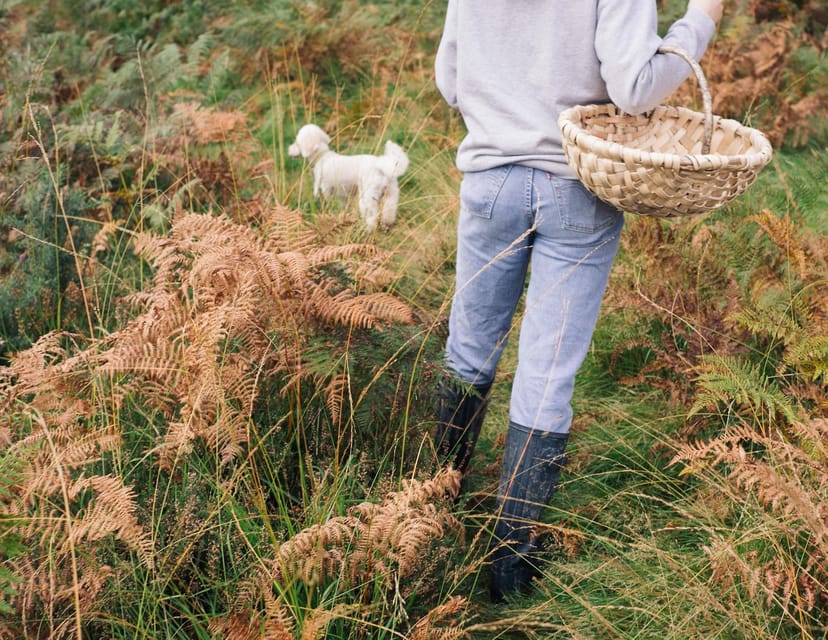
- Beginner-friendly ID skills taught in the field, not from a book.
- Tasting wild snacks made with ingredients you learn to spot.
- Smartphone photography guidance so you can check your IDs later.
- A scenic 2 mile walk in one of the Isle of Wight’s quieter corners.
- Meet Joseph Thurbin, a lifelong forager and filmmaker leading the walk.
Wild Food on the Isle of Wight, what makes this walk different
Foraging tours can go one of two ways. Some are mostly a stroll with a few facts. Others turn into a chaotic grab bag of names and Latin that makes you wish you brought a tutor and a magnifying glass.
This one feels like it lands in the middle, the useful middle. You do a short 2 mile walk and spend that time learning how to identify wild edible plants and fungi, plus how to photograph them and take notes. That combination is what makes it more than a one time novelty.
I also like the mindset it gives you. Instead of treating wild food like a risky stunt, you learn a beginner process: observe, compare, confirm, and only then think about using it. You can leave the walk inspired to cook, but you are also leaving with guardrails for how to learn safely.
And yes, you taste things along the route. That turns the whole experience from theoretical into personal. When you taste wild ingredients and then see the plant again, the memory sticks.
More food tours in Britain:
- From Edinburgh: Scottish Highlands Tour with Whisky Tasting
★ 4.8 · 628 reviews - London Food Tour in Soho or Borough Market With 6+ Tastings
★ 4.8 · 518 reviews - London: Piccadilly and Soho Beer Bike Tour
★ 3.9 · 198 reviews
Where the walk starts, and what that means for your time
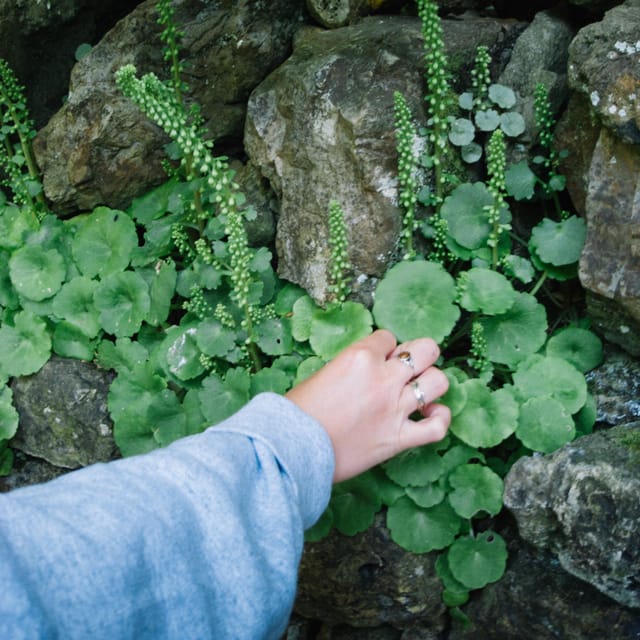
The tour begins at The Buddle Inn in Niton. You park in the large car park opposite the pub, and your guide will be carrying a foraging basket. The walk is about 2 miles and usually takes around 1.5 hours.
Why start here? It keeps things simple. You are not trying to coordinate a complicated transfer to remote trails. You can focus on the experience instead of the logistics. It also means you will be back at the meeting point when you are done, which is handy if you have other plans on the Isle of Wight.
Also, the route timing matters. A 1.5 hour format is long enough to teach real basics, but short enough that you are not dragging yourself through hours of damp hedgerows. If you are learning, shorter can be better, because you can absorb the key identification lessons without your attention fading.
Getting to grips with edible plants and fungi with Joseph Thurbin
Joseph Thurbin leads this beginner foraging walk, and the structure is built around what you need at the start: recognition skills. The goal is confidence, not certainty.
You learn basics of plant identification and how to identify wild edible plants. You also cover fungi, since the walk is designed to introduce both plants and fungi that beginners can learn to recognize. The tour description also emphasizes that you will learn multiple edible species, not just a single headline plant.
How does that help you? Because beginners often struggle with two things:
- Not knowing where to look.
- Not knowing what features actually matter.
On this walk, you are shown what to observe and how to connect the look of a species to the idea of eating it. That is why the tour includes tips on photographing plants and fungi, because a good photo helps you remember specific features like shape, leaf structure, and growth patterns later.
A small but smart detail is that Joseph is described as both a lifelong forager and a filmmaker. In practice, that often translates into clear explanations and practical pointers on how to document what you see.
How the tasting moments change the learning curve
One of the biggest strengths here is that the walk includes nibbling on tasty snacks made with wild ingredients. That means you are not only looking at plants, you are tasting them.
I love this approach because taste does something pictures cannot. When you taste something you learned to identify, you build a stronger memory link. You also start asking better questions next time, like what part is used and how flavor changes based on how it is prepared.
The review highlight that stuck with me is the mention of nettles. Nettles are one of those starter plants that can feel intimidating until someone shows you what to look for and gives you a simple way to use them. If nettles make an appearance on your walk, you will understand why they inspire people to keep cooking with wild greens afterward.
Keep in mind, though, that this experience is not suitable for people with food allergies. That is not a minor footnote. If you need allergy safe handling, you should skip this specific tour and choose something designed for allergy needs.
Same corner of Britain, a different sort of outing:
- London: The London Eye Entry Ticket
★ 4.6 · 35,875 reviews - London: Tower of London and Crown Jewels Exhibition Ticket
★ 4.6 · 28,769 reviews - From London: Harry Potter Warner Bros Studio Tour
★ 4.7 · 26,588 reviews - Magical London: Harry Potter Guided Walking Tour
★ 4.7 · 22,044 reviews
A 2 mile walk that doubles as a photography lesson

The tour is short, but it is designed to teach you how to keep learning after you go home. You are encouraged to bring a charged smartphone and use it for taking notes and photos.
There are two practical payoffs here:
- You can compare your photos later instead of relying on memory.
- You can build a personal reference library of what you learned.
The tour explicitly includes information on how to photograph plants and fungi in order to identify them at home. That matters because wild identification is rarely one photo and done. You often need more than one angle or a clear view of a key feature. A guided walk is the perfect place to learn which photo details make later ID more realistic.
Bring a notebook too, if you like writing. Even quick notes like where you found the plant, what it looked like up close, and what Joseph pointed out can be more useful than you expect.
What stops look like during the walk (and where you get value)
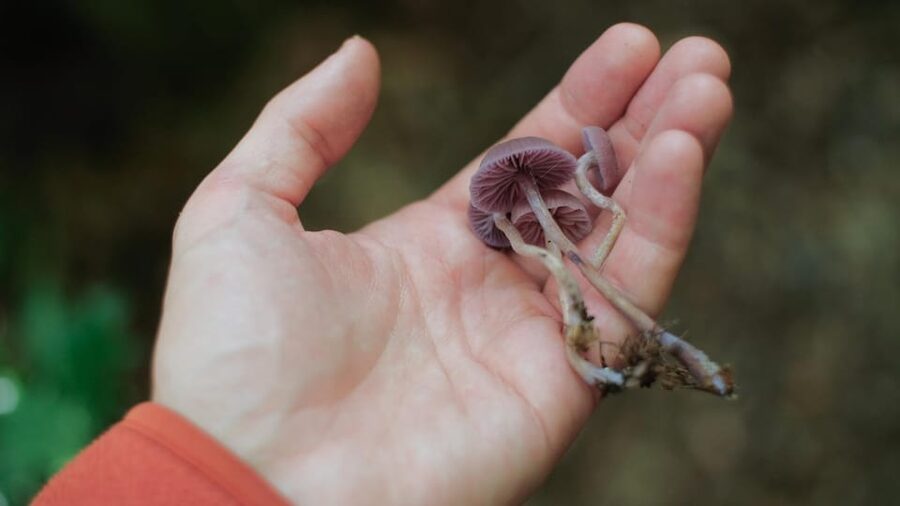
You do not get a long list of named locations, but you still get clear learning phases as you move along. Think of it as a field lesson in four parts:
First, you start at The Buddle Inn and meet Joseph with the foraging basket. Right away, you get oriented for beginner foraging: what you will focus on and how to approach identification.
Next, you head out for the main instruction time. This is where you learn how to identify plants in the wild. Expect to pause for close looks, compare features, and get tips on what makes an edible species easier to recognize.
Then come the nibble moments. These are small, guided tastings that connect identification to actual use. The value is that you learn flavor and use ideas in context, rather than trying to guess how something might taste.
Finally, you wrap up back at the meeting point. You will leave with the confidence to keep practicing, plus the practical note taking and photography approach to keep checking your IDs at home.
The only drawback with this kind of format is that you cover a lot of basics quickly. If you are the type who likes slow, repeated practice, you may want to plan a follow up activity later or review photos after the walk while it is fresh.
What to bring for UK weather and real trail conditions
You will be walking outdoors on the Isle of Wight, so pack for damp and cold, even if the forecast looks kind.
Bring:
- Comfortable shoes with sturdy grip, ideally waterproof
- A raincoat, not just a light jacket
- Water
- A notebook or your phone for notes and photos
- A charged smartphone
The tour also lists not allowed items. You should skip high heeled shoes, and this is a no alcohol and no drugs tour. Also, intoxication is not allowed. That matters because foraging needs clear attention.
If you want your photos to help later identification, wear something that lets you crouch or kneel without slipping. You will do better if you can move comfortably and focus on close observation.
Price and value, is $33.67 worth it?
At about $33.67 per person, this is not a huge splurge, and the value comes from what you actually take away.
Here is what you get for your money:
- A guided beginner introduction to identifying wild edible plants and fungi
- Tasting snacks made with wild ingredients
- Practical guidance on photographing plants and fungi
- A short walk in a picturesque, secluded part of the Isle of Wight
- Instruction in English, led by Joseph Thurbin
You are paying for both field time and teaching time. One part is the walk itself, and the other part is the learning method. Most beginner foraging skills do not come from reading. They come from being shown what features matter and being coached in real time.
Parking is noted as possibly having a fee, so factor that in if you drive. Other than that, the tour includes the learning and the tastings, which is where the value really shows.
If you are on the fence, I would look at it this way: you are buying an accelerated start. Without this, you would likely spend a long time guessing, photographing poorly, and learning through trial and frustration.
Who this tour suits best, and who should skip it
This tour is designed for beginners and it aims to build confidence fast. It is a good match if you:
- Want to learn how to identify wild edible plants and fungi in a guided way
- Like practical outdoor experiences with real food
- Enjoy photographing and taking notes so you can keep learning after
It is not suitable for:
- Wheelchair users and people with mobility impairments
- People with low level of fitness (because it is a walking tour)
- Children under 18
- People with food allergies
If you fit one of those categories, you should treat this as a hard no. Foraging tours need safety and attention, and a poor fit can turn into discomfort instead of learning.
Should you book this beginner foraging walk?
I think this is an excellent way to start if your goal is confidence, not just a nice stroll. You get a focused 1.5 hour introduction, guided by Joseph Thurbin, and you also get tastings and photo guidance, which is what helps the learning stick.
Book it if you want to:
- Learn beginner identification of wild edible plants and fungi
- Taste wild ingredients rather than just hear about them
- Leave with a method for studying at home using your smartphone
Skip it if you:
- Need allergy safe accommodations
- Have mobility limits or expect a very easy walk
- Want a long, deep study course rather than an intro
If you are traveling to the Isle of Wight and want one outdoors experience that teaches something you can actually use, this is a strong choice.
FAQ
How long is the Wild Food for beginners walk?
The duration is about 1.5 hours.
Where does the tour start?
The walk starts at The Buddle Inn in Niton. You park in the large car park opposite the pub, and the guide carries a foraging basket.
Is there a fixed distance for the walk?
Yes, it is a 2 mile walk.
Is the tour suitable for children?
No, it is not suitable for children under 18.
Can wheelchair users join the tour?
No, it is not suitable for wheelchair users or people with mobility impairments.
What should I bring with me?
Bring comfortable shoes, water, comfortable clothes, and a charged smartphone.
Are food allergies allowed?
No, the tour is not suitable for people with food allergies.
Is parking included?
Parking fee is not included, if a parking fee applies.
More Walking Tours in Britain
- London: The Original Jack the Ripper Walking Tour
★ 4.7 · 7,833 reviews - Oxford: University and City Walking Tour with Alumni Guide
★ 4.7 · 4,429 reviews - London: Harry Potter Movies Walking Tour (Kids Go Free)
★ 4.7 · 3,071 reviews - London: The Great British Rock and Roll Music Walking Tour
★ 4.9 · 1,783 reviews
Newly listed near Britain
- London: 3-Hours Private Walking Tour★ 4.4 · 8 reviews
- London: 3-hour Outdoor Escape Room Game★ 4.0 · 5 reviews
- London: 3 Most Famous Art Galleries Tour★ 5.0 · 3 reviews
- London: 24-Hour Hop-On Hop-Off Bus Pass★ 3.1 · 133 reviews
- London: Secret Beer Tour★ 4.9 · 10 reviews
- London: 3 Days of Must-See Attractions including London Eye★ 4.5 · 22 reviews
- London: Private Underground and Tube Tour★ 4.6 · 42 reviews
- London: 20-Minute Tower RIB Blast from Tower Pier★ 4.7 · 135 reviews
Food & Drink, compared.

London Food Tour in Soho or Borough Market With 6+ Tastings
Read our review →

Eating London: Twilight Soho VIP Food & Drinks Tour
Read our review →


East Lothian: Glenkinchie Whisky Distillery Tour and Tasting
Read our review →Browse the lists this tour appears in