
Review · CANTERBURY & KENT TOURS
Guided Nature Tour: Pilgrims Way & Bigbury Fort
Two hours in Blean Woods changes your pace. This guided walk along the Pilgrim’s Way footpath blends nature spotting with Kent’s older stories, then slows you down with forest bathing, or shinrin-yoku. You start in Chatham Hatch, move through semi-ancient woodland, and finish after tea and quiet wildlife watching.
I love the hands-on focus on spotting plants, mushrooms, and birds, and the fact that Greg builds in short pauses so you actually notice what’s around you. I also like the tea or coffee break that turns the walk from a checklist into a proper reset, with views back into the woodland. The main drawback is practical, not poetic: the walk is moderately paced, can get muddy, and there are no public toilets, so plan your timing and footwear.
In This Review
- Key things I’d underline before you go
- Blean Woods and the Pilgrim’s Way, starting in Chatham Hatch
- Meet Greg, the guide who links field skills to calm attention
- Bigbury Camp hillfort stop: Iron Age Kent, told at walking pace
- Tea, views, and the reset you didn’t know you needed
- No Man’s Orchard: traditional orchard nature reserve and wildlife viewing
- Shinrin-yoku in practice: forest bathing for stress and attention
- What you’ll learn: practical ID for mushrooms, plants, birds, and invertebrates
- Logistics that matter: footwear, mud, and no public toilets
- Who this guided walk is perfect for
- Should you book Pilgrim’s Way and Bigbury Fort?
- FAQ
- How long is the guided nature tour?
- Where does the tour start and is there parking?
- Is transportation included?
- What stops are included during the walk?
- What is included in the ticket?
- Do I need special footwear?
- Are there public toilets at the locations?
- Is the tour suitable for young children and anyone using a wheelchair?
- Is smoking allowed during the tour?
Key things I’d underline before you go
- Pilgrim’s Way to Bigbury Camp: a guided route that mixes walking with Iron Age setting and viewpoint stops
- Stop 1, Stop 2, then an orchard reset: a clear rhythm that keeps the walk varied instead of one long slog
- Mushrooms and invertebrates ID guides: you get tools right at the start, not halfway through
- Shinrin-yoku in Kent: forest bathing as a hands-on practice, not a lecture
- Tea or coffee with woodland views: a built-in break that helps you slow down for real
Blean Woods and the Pilgrim’s Way, starting in Chatham Hatch
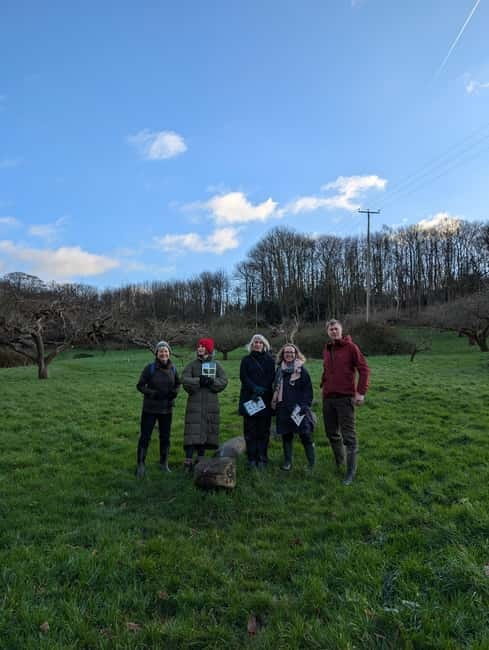
Blean Woods is the kind of place where the day feels less scheduled the moment you step under the trees. You meet in the village of Chatham Hatch at the Village Hall, with free parking in the hall carpark. The guide is there early, and you should look for someone tall, usually wearing wellies, so you can find the group fast and get walking without fuss.
From the start, the route is about more than moving from point A to point B. You follow the Pilgrim’s Way footpath through woodland, then weave in a traditional orchard nature reserve and ends near Bigbury Camp. That mix matters because it keeps your brain in “look and listen” mode. One moment you’re surrounded by tree cover and birdsong, the next you’re in an open space where you can see the woodland below.
This is also a good reminder that “history” doesn’t have to mean castles and ticket lines. You’re in Kent, so layers of time are part of the scenery. As you walk, Greg ties what you can see now to what people used to do here long ago, including Iron Age life and the wider context of Roman and Briton conflict.
A few more Canterbury & Kent days worth comparing
- Dover Castle Admission Ticket
★ 4.7 · 735 reviews - Canterbury: Walking Tour with Green Badge Guide
★ 4.8 · 709 reviews - Canterbury Cathedral: Entry Ticket with Audio Guide
★ 4.6 · 266 reviews
Meet Greg, the guide who links field skills to calm attention
Greg is the sort of guide who treats woodland like a living classroom. He’s a Farm Environmental Advisor, and he’s guided wildlife-focused trips with experience from the Great Barrier Reef, which he then brings to British woodlands. That combination shows up in how he teaches: he’s careful, practical, and good at pointing out what most people walk past.
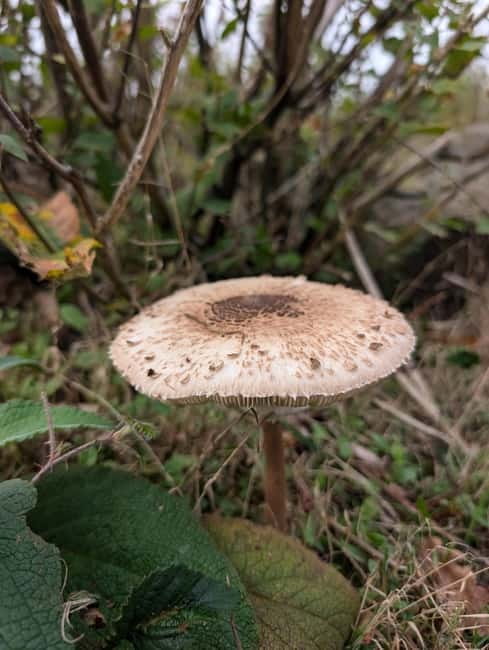
He also sets you up properly at the start. You’re given identification guides for mushrooms and invertebrates, and you get them early, so you can learn without playing catch-up. That matters because woodland spotting gets easier when you know what to look at and how to use the guide rather than just staring at every odd leaf.
If you’re coming for fresh air and a gentle nature fix, Greg’s style fits that. If you’re the kind of person who loves naming things, it also fits you. You’ll notice how often you’re encouraged to stop, look closely, and listen, not just stride forward to the next viewpoint.
One small heads-up: you’ll be on comfortable-shoes duty. Trainers may get muddy, and wellies or sturdy hiking boots are recommended depending on conditions. It’s not a polished garden walk, and that’s part of the charm.
Bigbury Camp hillfort stop: Iron Age Kent, told at walking pace
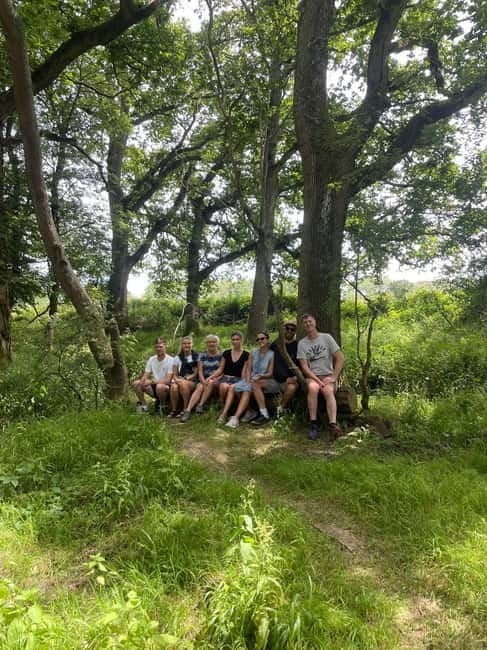
The first big land marker is Bigbury Camp, with a guided segment and walking time that takes about 45 minutes. Even if hillforts sound like a topic reserved for museums, the effect here is different. You’re learning in place, in the same kind of environment people once moved through.
This stop is where Greg’s storytelling really connects with your senses. The woodland setting makes the history feel physical, not academic. You’ll hear about Kent’s Iron Age past and also how Romans and Britons clashed in the broader story of the area. The point isn’t a timeline test. The point is to understand that this ground was shaped by human movement, conflict, farming, and survival.
What I liked most is that the time at Bigbury Camp doesn’t feel rushed. You’re not sprinting through a viewpoint for photos and leaving. Instead, you get time for the quiet details: the way light falls between trees, the bird calls that pop up when the group pauses, and the sense of being in a semi-ancient woodland rather than just a path.
You might also spot signs of wildlife activity overhead or nearby. Depending on conditions, you could catch glimpses or calls from birds such as jays, and you may hear woodpecker sounds or see buzzards soaring above. Even when you don’t get the perfect sighting, the rhythm of stopping helps you notice more than you would on your own.
Tea, views, and the reset you didn’t know you needed
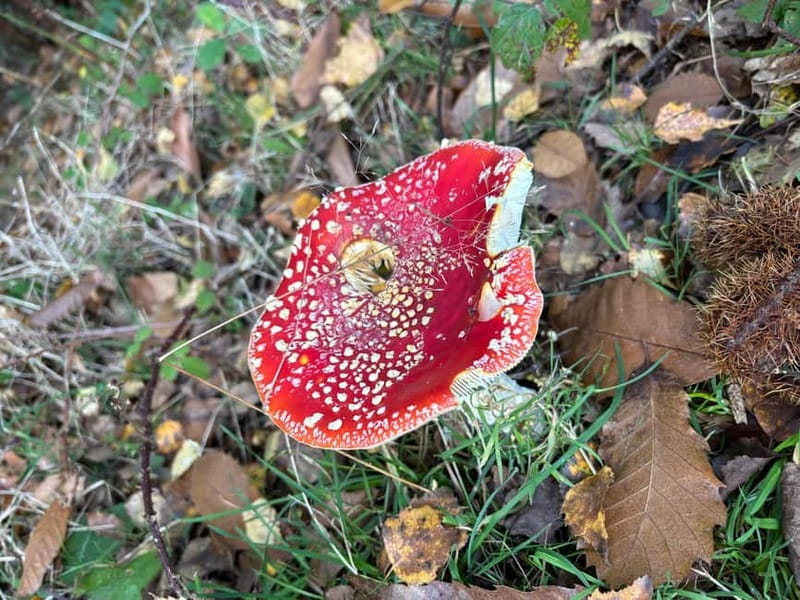
Between the main woodland stop and the orchard wildlife viewing, there’s a break period of about 20 minutes. This isn’t filler. It’s part of why the walk works.
You’ll have tea or coffee, and it gives you a chance to sit and actually absorb the setting. That matters for forest bathing, which you’ll learn about on the tour, because it’s hard to “bathe your senses” if you keep walking at full speed. The break helps you slow your body down, and once your pace eases, the birdsong and forest sounds become louder in your awareness.
This is also a good moment to eat a snack and check your footing. Bring snacks and water, since the tour doesn’t include transportation and there are no public toilets along the route. If you’re the type who gets focused and forgets to drink, this break is a natural reminder to rehydrate.
On a frosty day especially, this pause can feel like the best part of the whole outing. Even if you arrive hoping for history or wildlife, the calm reset tends to win people over quickly.
Same corner of Britain, a different sort of outing:
- Chatham Historic Dockyard: Call the Midwife Tour
★ 4.6 · 216 reviews - Canterbury: Private Guided Walking Tour with Official Guide
★ 5.0 · 15 reviews - Canterbury: Yoga with Goats and Sheep
★ 5.0 · 9 reviews - From Brighton: Leeds Castle & Canterbury Full-Day Trip
★ 4.9 · 8 reviews
No Man’s Orchard: traditional orchard nature reserve and wildlife viewing
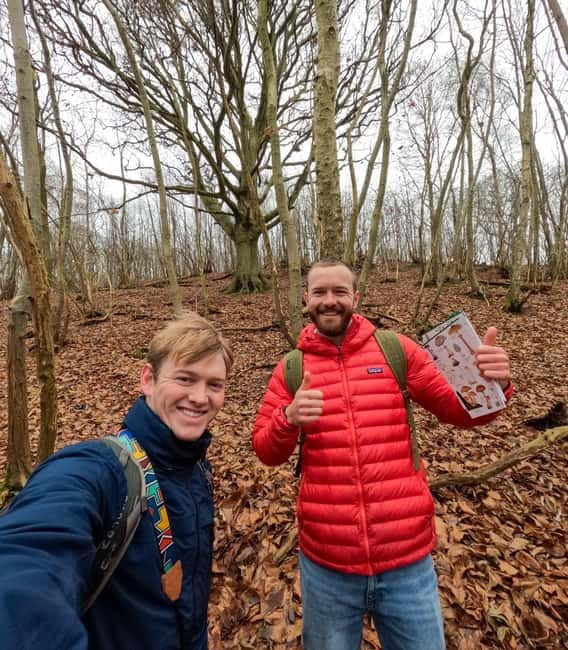
The second wildlife-focused stop is No Man’s Orchard, with about 45 minutes of wildlife viewing. This is where the tour shifts from woodland intensity to orchard edge habitat, and that change is a big deal for your eyes.
A traditional orchard nature reserve isn’t just pretty. It’s a reminder of how people used to manage land in Kent. Fruit trees and the spaces around them can support different insects, birds, and plant growth than dense woodland. When you’re learning on a guided walk, that variety makes your identification practice feel more meaningful because you’re not only seeing one kind of environment.
Greg uses this time to keep you engaged with what’s around you, including the small stuff. Since you already started with the identification guides for mushrooms and invertebrates, you’re primed to look beyond the obvious. You might spot movement, textures, or plant features you’d normally ignore.
Birdlife tends to be easier to catch at this point too. Even if you only hear calls, you’ll probably feel like the forest is talking back. Depending on the day, it’s possible you’ll glimpse jays, woodpeckers, or buzzards overhead.
The orchard stop is also where the walking pace feels most therapeutic. You’re not rushing. You’re scanning. You’re letting small discoveries count.
Shinrin-yoku in practice: forest bathing for stress and attention
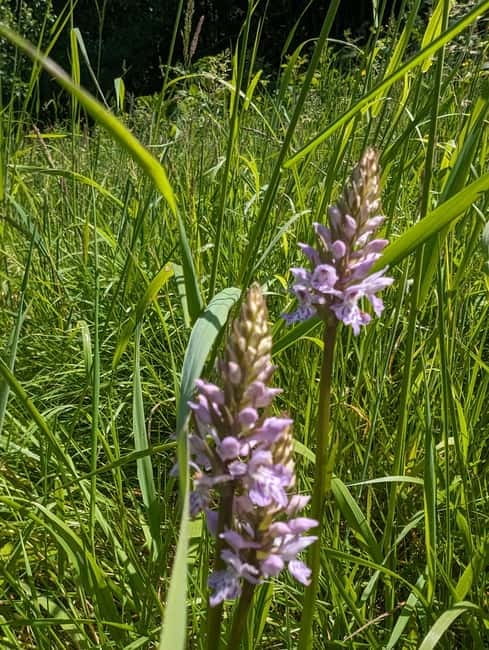
Forest bathing, known as shinrin-yoku, is the tour’s calm science. You’ll learn what it is and why it’s practiced, then you’ll use it while you’re actually walking.
The key idea is simple: you slow down on purpose and let your senses do the exploring. This isn’t about meditating in perfect silence. It’s about breathing, noticing, and connecting with forest sounds and sights long enough that your body gets the signal to relax.
The tour description also includes the health rationale. Forest bathing has been shown to reduce stress hormones and even lower blood pressure. In Japan, it’s described as being prescribed by doctors for depression, chronic stress, and anxiety. Even if you don’t chase those specific outcomes, the method translates into something you can feel right away: you pay attention differently.
On this walk, shinrin-yoku works because it’s built into the route. You stop at points, you take a break with tea or coffee, and you pause to identify what you see. That means you aren’t just told to slow down. You’re guided into it.
If you’re coming from a busy week, this kind of guided nature time is a smart way to decompress without needing a long trip. It’s also a good reset if you’re the type who thinks you need to be doing something outdoors to enjoy it. Here, “doing” turns into noticing.
What you’ll learn: practical ID for mushrooms, plants, birds, and invertebrates
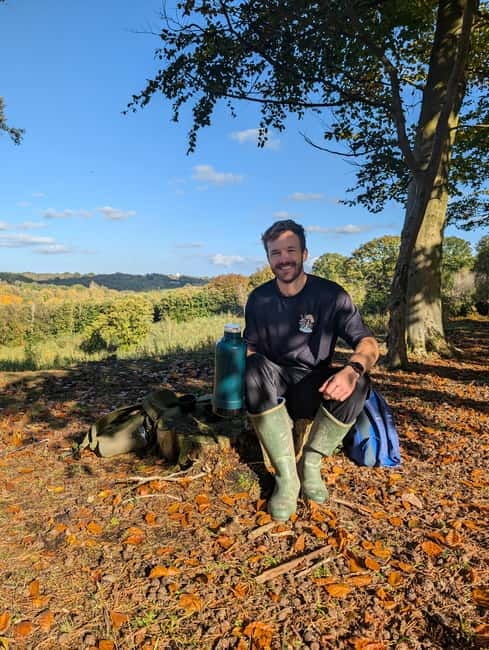
This tour is not just a walk with stories. The learning is hands-on, and it’s structured so you can use it immediately.
At the start, you get guides for mushrooms and invertebrates, which you can refer to as you encounter things along the way. Greg also helps you identify plants and spot birds, so you’re not only looking at the biggest trees. You’ll get trained to notice smaller details like leaf shape, growth patterns, and the kinds of habitats those plants prefer, which helps you understand why the woodland looks the way it does.
The invertebrates and mushroom focus is especially valuable for anyone who thinks of wildlife as only birds and mammals. In semi-ancient woodland, the small life is everywhere, but it hides in plain sight. If you’ve ever walked past a patch of fungi and wondered what it was, this tour gives you a more grounded way to pay attention.
You’ll also hear how to use your guide while staying curious. The goal isn’t to become an expert on day one. The goal is to rewire your attention so you leave with a stronger sense of what’s living in front of you, and how to keep looking after the walk is over.
Logistics that matter: footwear, mud, and no public toilets
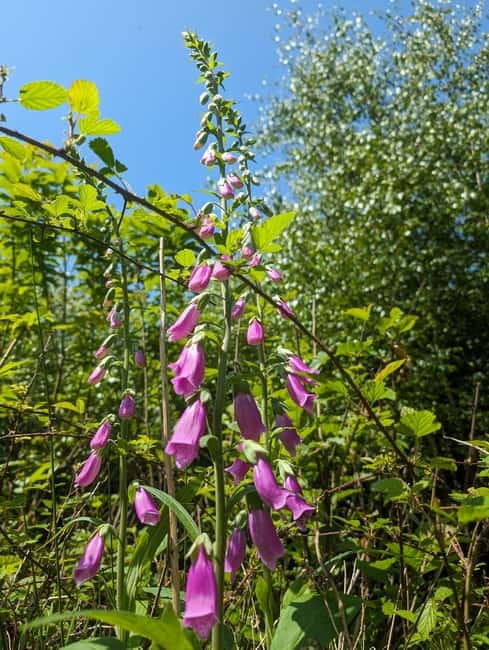
This is a moderate walking experience, about 2 hours total. Depending on weather, wellies or sturdy hiking boots are recommended. Trainers may get muddy, so plan for that reality.
Wear weather-appropriate clothing. Bring water and snacks, since you’re out walking and there are no public toilets. There’s also a clear rule: no smoking.
One more practical note: transportation to and from Blean Woods isn’t included. You’ll need to get yourself to the meeting point at Chatham Hatch Village Hall and use the free parking there.
Because it’s not suitable for wheelchair users or people with mobility impairments, and it’s not designed for children under 5, it’s best thought of as a nature walk for people who can manage uneven ground and time spent walking.
Who this guided walk is perfect for
I’d put this tour in the sweet spot for people who want more from a walk than just scenery. If you like nature but don’t have the confidence to identify what you’re seeing, the ID guides and Greg’s teaching approach make it feel approachable.
It’s also a great choice for families when kids enjoy exploring and asking questions. Greg’s background and guidance style support curiosity, and the slow pace helps young attention spans too, as long as the child is old enough for the walking involved.
If you’re a hiker who wants a structured route and history in a natural setting, you’ll likely appreciate the Pilgrim’s Way route, Bigbury Camp focus, and the shift to No Man’s Orchard.
And if you’re someone who wants mental calm as much as wildlife, shinrin-yoku is the anchor. It turns the walk into a reset you can actually feel.
Should you book Pilgrim’s Way and Bigbury Fort?
Book it if you want a guided nature experience that’s active enough to feel worthwhile, but slow enough to help you notice. The combination of woodland walking, practical identification for mushrooms and invertebrates, and a forest-bathing style pause hits a sweet spot that self-guided trips often miss.
Skip it or consider something else if you can’t manage moderate walking or if you need wheelchair access. Also, if the lack of public toilets is a deal-breaker for you, plan around it before you arrive.
If you’re deciding between a generic country stroll and a guided walk with real learning and real quiet time, this one is the better bet. You’ll leave with new names for what you saw, a calmer body from shinrin-yoku, and a better sense of how Kent’s older stories sit right inside the trees.
FAQ
How long is the guided nature tour?
The tour lasts about 2 hours.
Where does the tour start and is there parking?
You start at Chatham Hatch Village Hall. There is free parking in the village hall carpark.
Is transportation included?
No, transportation to and from Blean Woods is not included.
What stops are included during the walk?
You’ll visit Bigbury Camp, then stop for a tea or coffee break, and later enjoy wildlife viewing at No Man’s Orchard before returning to the starting point.
What is included in the ticket?
You get a guided tour, mushroom and invertebrate identification guides shared at the beginning, and a tea or coffee break.
Do I need special footwear?
Comfortable shoes are required. Depending on weather, wellies or sturdy hiking boots are recommended. Trainers may get muddy.
Are there public toilets at the locations?
No, there are no public toilets.
Is the tour suitable for young children and anyone using a wheelchair?
The tour is not suitable for children under 5. It is also not suitable for people with mobility impairments or wheelchair users.
Is smoking allowed during the tour?
Smoking is not allowed.
Newly listed near Canterbury & Kent
- Kent: England’s Longest Zip Wire – 720m Flight over Quarry★ 5.0 · 4 reviews
- From London: Christmas in Canterbury, Dover & Greenwich★ 3.6 · 5 reviews
- From London: Canterbury and White Cliffs of Dover Group Tour★ 3.4 · 5 reviews
- From Brighton: Leeds Castle & Canterbury Full-Day Trip★ 4.9 · 8 reviews
- Dover, Canterbury, and Leeds Castle Private Tour★ 4.7 · 3 reviews
- Canterbury: Yoga with Goats and Sheep★ 5.0 · 9 reviews
- Canterbury: City & Cathedral Private Guided Tour★ 5.0 · 5 reviews
- Canterbury: Private Guided Walking Tour with Official Guide★ 5.0 · 15 reviews
Canterbury & Kent Tours, compared.

Canterbury Cathedral: Entry Ticket with Audio Guide
Read our review →
Chatham Historic Dockyard: Call the Midwife Tour
Read our review →
Private Guided Walking Tour with Official Guide
Read our review →
Browse the lists this tour appears in