
Review · PRIVATE
London: Private Underground and Tube Tour
The Tube has secrets, and this tour shows them. I love the way it turns everyday stations into a living story of London Underground history, and I also like how the guide turns confusing routes into simple, practical takeaways like Circle Line direction tips. One thing to consider: this tour is not accessible for wheelchair users or parents with prams.
You start under the clock on Platform 1 at Paddington and finish at Westminster, with enough time to ask questions. With guides like Rory, Jericho, Chris, and Fiona leading groups, the tone stays friendly, focused, and not rushed, which matters when you are standing in busy station spaces for more than two hours.
In This Review
- Key Highlights You Will Actually Notice
- Why a Private Underground Tour Beats Just Riding the Tube
- Meeting at Paddington, Getting Oriented, and Understanding the Route
- The Oldest Railway Stretch, and the Stories Behind It
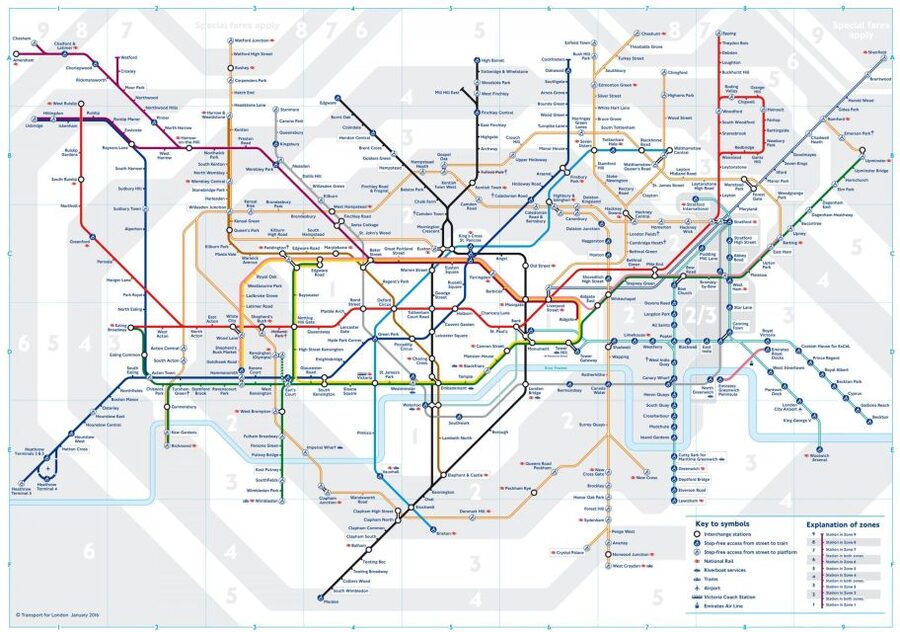
- Circle Line Direction Tips, and Why the Tube Map Can Lie
- Ghost Stations: Old Stops, Lost Connections, and What You Might See
- How Lines Used to Be Owned by Rival Companies
- Electric Trains vs Steam Engines, and the Why Behind the Change
- The Walking Tempo, Timing, and What to Plan For
- Ending at Westminster, With Fresh Eyes for What You See Next
- Price and Value: Is $84.86 Worth It?
- Who This Tour Fits Best (And Who Should Skip It)
- Should You Book This London Underground Tour?
- FAQ
- Where does the tour start and end?
- How long is the London Underground private tour?
- Is this tour private?
- What is included in the price?
- Do I need a specific transit card to join?
- Is the tour wheelchair accessible or stroller friendly?
- Is free cancellation available?
Key Highlights You Will Actually Notice
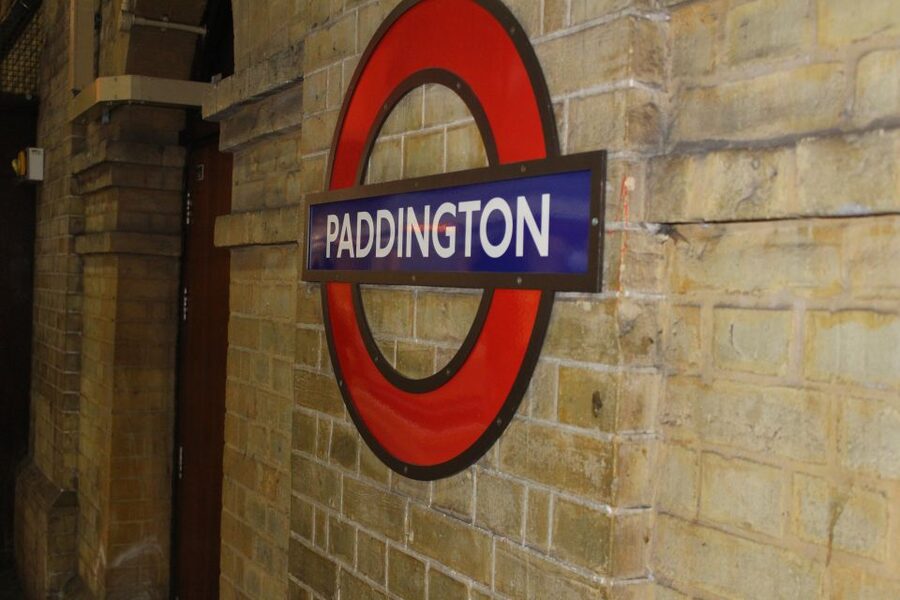
- Paddington to Westminster with a guided walking flow through famous, older, and sometimes very peculiar stations
- The Tube’s evolution since 1863, including why trains moved from steam to electric
- Circle Line travel logic that explains why knowing the direction can save you time and confusion
- Ghost stations stories, plus what to look for when the Tube has layers of past and present
- Tube map reality checks, so you understand what the map gets right, and what it quietly simplifies
Why a Private Underground Tour Beats Just Riding the Tube
The London Underground is the kind of place you use without thinking. You follow the signs, you mind the gap, you board, you go. This tour changes that habit fast. Instead of treating stations like background scenery, you start seeing them as historical documents, built, modified, and sometimes abandoned in ways you can actually spot.
I like that this is not a museum lecture. It is a walking tour through real stations, guided by a professional who keeps the pace and the explanations tied to what you can see. You learn how London got its underground in the first place, and you also get the practical mindset shift: the Tube is not just a transport system, it is also a patchwork of decisions from different eras.
There is also real value in the private format. Even with a single guide, you can ask questions and get answers in context, which is huge when you are trying to understand line ownership changes and why layouts and signals make sense the way they do.
A few more London days worth comparing
- London: The London Eye Entry Ticket
★ 4.6 · 35,875 reviews - London: Tower of London and Crown Jewels Exhibition Ticket
★ 4.6 · 28,769 reviews - From London: Harry Potter Warner Bros Studio Tour
★ 4.7 · 26,588 reviews
Meeting at Paddington, Getting Oriented, and Understanding the Route
Your tour starts at Paddington Station, underneath the clock on Platform 1. Arrive a few minutes early if you can, because you want time to locate the meeting point without stressing. From there, the guide sets the tone and frames what you are about to experience: 150 years of Underground growth, station design quirks, and stories that usually stay invisible when you pass through quickly.
One practical note that matters for your expectations: the route can change slightly depending on improvements work on the network. That is not a dealbreaker. In fact, it is part of what makes Underground history feel real, since the Tube is always under maintenance and constantly being reshaped.
During the early part, you also get the mental scaffolding that helps later. You are not just learning random trivia. You are learning how different lines developed, how ownership used to belong to rival companies, and why that history still influences the way the network behaves.
If you only do one Tube-related thing in London, do it with a guide who can connect the dots. Otherwise, you will miss the “why” behind the station features you see every day.
The Oldest Railway Stretch, and the Stories Behind It
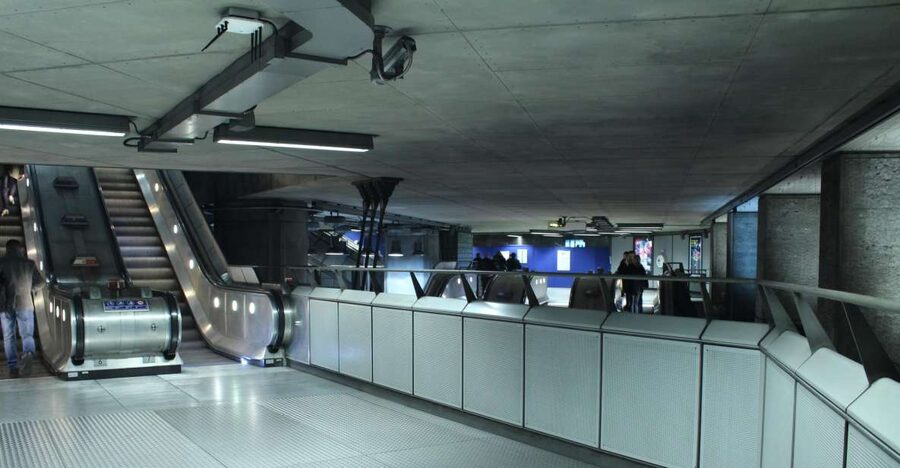
One of the core promises here is travel along London’s oldest stretch of railway line. Even if you are not a rail nerd, this kind of segment is where you start understanding the Underground as an evolving machine. The older parts of the network have a different feel, and the station experience often reflects those earlier engineering decisions.
What you should watch for is how design choices reveal time periods. The guide will point out station quirks and explain what they mean in plain language. You also get context around the big technological shift: why electric trains replaced steam engines.
That transition is more than an interesting fact. It helps you understand why the Tube looks and runs the way it does today. You will also start seeing why some parts of the Underground are easier to navigate than others, not just because you are improving, but because the system itself grew in phases.
This is a great section for people who enjoy learning while they walk. The tour is active, but it is not a forced sprint. It works best when you let the guide lead and you keep an eye on what they point out rather than treating it like a quick photo stop.
Circle Line Direction Tips, and Why the Tube Map Can Lie
A standout part of the experience is learning why it was important to know which way to travel on the Circle Line. It sounds simple, but once you understand the reasoning, it becomes the kind of practical tip you will use immediately after the tour.
The key is that the Circle Line is not just a circle on a map. It has real-world operational logic, and the route experience can change depending on direction. Your guide explains the logic in a way that helps you stop relying on hope and start relying on understanding.
Then you hit another valuable moment: the tour talks about how accurate the Tube map really is. The Tube map is designed for clarity, not geographic truth. During the tour, you learn how the map simplifies distances and relationships so passengers can navigate fast. That is helpful, but it also means the map can shape how you perceive the Underground.
This is the practical payoff. After this tour, you stop thinking, I guess it is close, and you start thinking, okay, the map tells me where I should go, but I need to understand how the lines connect at ground level and at platform level.
It is also the part that makes station signage and track layouts feel less mysterious when you go back on your own.
Same corner of Britain, a different sort of outing:
- Magical London: Harry Potter Guided Walking Tour
★ 4.7 · 22,044 reviews - London: Madame Tussauds London
★ 4.6 · 20,915 reviews - London: Warner Bros. Studio Harry Potter Tour & Branded Bus
★ 4.7 · 19,194 reviews - London: Tower Bridge Entry Ticket
★ 4.7 · 15,560 reviews
Ghost Stations: Old Stops, Lost Connections, and What You Might See
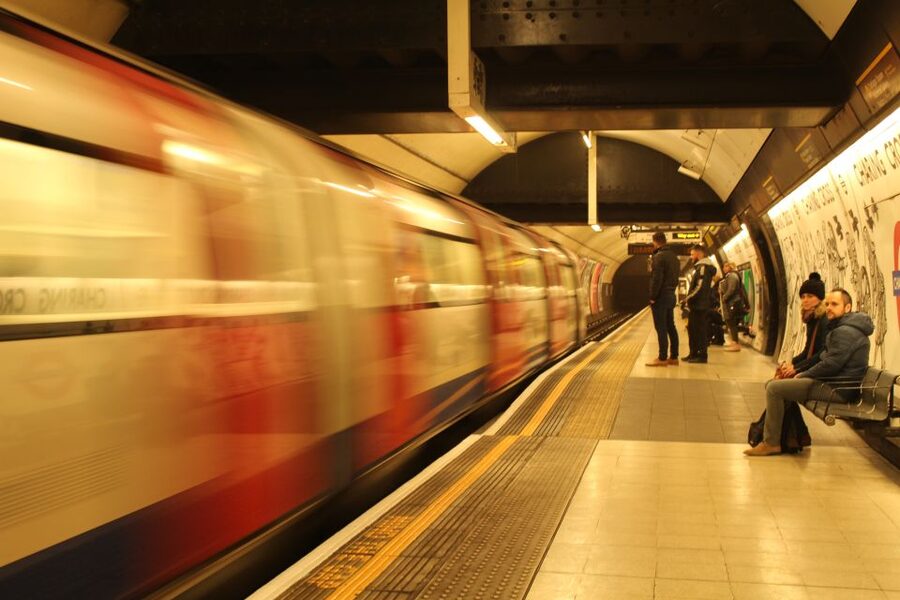
The tour includes stories about London’s ghost stations. That phrase alone gets your attention because it sounds spooky, but the real point is more interesting than it feels: the Underground has layers. Some stations existed, they served a purpose, and then service patterns changed or routes were reorganized.
In the tour, you get guided explanations of what makes a ghost station different from a normal station you can use today. You also learn how those past stops fit into the Underground’s evolution, including why networks grew in ways that sometimes left infrastructure behind.
What I like here is how it changes your station perspective. You stop treating closed or unused spaces as forgotten corners. Instead, you see them as evidence of the Underground’s history of expansion, competition, and consolidation.
This is also where your guide’s tone really matters. You want someone who can keep the storytelling grounded in what you can see around you. Based on the tour’s reputation and the guides who lead it, the experience tends to stay engaging and question-friendly.
How Lines Used to Be Owned by Rival Companies
One of the most useful concepts the tour covers is that different Underground lines used to be owned by rival companies. That might sound like a historical footnote, but it helps explain why the network feels the way it does.
When systems are built by separate groups and then later connected, you get uneven design choices. You can see that in how lines interrelate, how some areas feel more straightforward while others feel like a maze, and why upgrades and changes happen in patches rather than as one clean master plan.
Your guide connects those historical business facts to what you see in stations now. You do not just hear dates. You understand the cause-and-effect logic that shaped the Underground over time.
And because you are walking through real stations, the stories feel less abstract. You can point at things and think, okay, that makes sense. The Tube was not designed in one meeting. It was built, modified, and stitched together, generation by generation.
Electric Trains vs Steam Engines, and the Why Behind the Change
The tour explains why the Underground moved away from steam engines and toward electric trains. You may already know the basic idea, but here you get the practical implications behind it.
Electric trains changed how the Underground could operate, including reliability and how tunnels and stations supported day-to-day service. Your guide’s job is to turn what could be a confusing technology timeline into something you can actually understand while standing in the stations where it played out.
If you are someone who enjoys practical science and engineering explanations, this is a rewarding section. If you are not, the guide still keeps it human and station-focused, which helps it land.
This is also a nice contrast with the ghost station content. One part of the story is about modernization. The other part is about abandonment and reshaping. Together, they give you a balanced view of what “progress” looked like in the Tube world.
The Walking Tempo, Timing, and What to Plan For
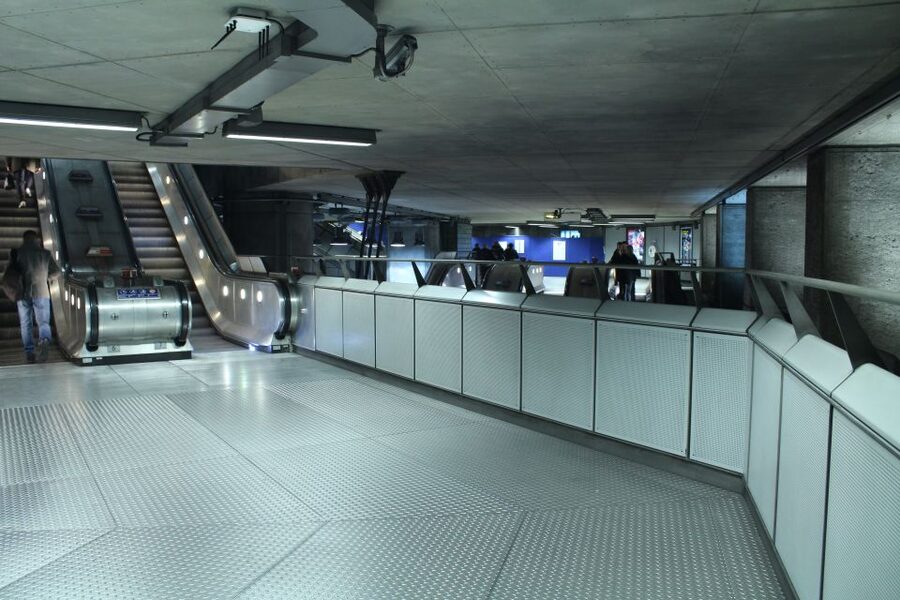
The tour runs for 165 minutes, which is long enough to create a real arc, but not so long that you are completely fried. Still, you are on your feet. You will be moving through station corridors and platforms where people flow in different directions. If you are sensitive to crowds or standing for extended stretches, plan accordingly.
There is also a practical consideration around bathroom access. The experience does not include a dedicated loo stop in the way some longer walking tours do. So I recommend treating this like a half-day walk: use facilities before you meet, then bring patience for the rest of the session.
Because it is private, you also get a smoother rhythm than larger group tours. You still share spaces with commuters, but the guide can steer the group efficiently and adjust when station conditions are tight.
Ending at Westminster, With Fresh Eyes for What You See Next
The tour concludes at Westminster Station. Getting to the end is not just a logistics win. It is also a mental reset. After learning how the network evolved, how maps simplify, and how ghost stations fit into the Underground’s history, you start noticing patterns everywhere.
Westminster is a fitting finish because it feels like a central piece of modern London travel. You can compare what you learned about older infrastructure and past decision-making with the way the Tube runs today.
When you hop back on the Underground after the tour, your navigation tends to feel more confident. You do not just follow signs blindly. You understand how the network’s history has influenced the present.
And if you keep an eye out as you travel, you will likely spot the same types of quirks your guide pointed out. That is the real souvenir here, information you can use on your next ride.
Price and Value: Is $84.86 Worth It?
At $84.86 per person for a 165-minute private tour, the value comes down to one thing: how much you want guided context in places you already think you know.
This price includes a professional guide, and that is the heart of the experience. You are paying for someone to explain why Underground features exist, how lines were shaped by rival ownership, and why the Tube map is accurate in one way and misleading in another. Without a guide, you can ride the Tube and take photos, but you cannot easily get that cause-and-effect story.
A few cost and logistics details affect your total spend:
- Travel costs are not included, so factor in whatever you need to get to Paddington and from Westminster.
- You need a Zone 1 travel card or an Oyster card topped up with at least £7 pay-as-you-go credit. Plan your transit so you are not stuck figuring it out mid-tour.
When the guide is strong, the money tends to feel worth it quickly. The tour’s standout reviews repeatedly emphasize that guides keep the session engaging, allow questions, and make the Underground feel like more than a commute. You also get the benefit that the route can shift due to improvements work, so you are not guaranteed an identical path every time, but you are still getting the core underground story.
If you are the kind of person who likes understanding how cities work, this is a good spend. If you mainly want quick sightseeing with minimal time on your feet, you might prefer something shorter.
Who This Tour Fits Best (And Who Should Skip It)
This is a great match if you:
- enjoy history that shows up in everyday places
- want practical navigation tips, not just facts
- like guided storytelling while walking through active spaces
- appreciate a private group dynamic where questions are welcome
It is not a good match if you:
- need wheelchair accessibility or are traveling with prams
- want frequent, guaranteed bathroom stops during the tour
- prefer short, minimal walking tours
It is also clearly geared toward adults and older kids who can handle station environments and the pace of a guided walk. If that describes you, you will get a lot out of it.
Should You Book This London Underground Tour?
I think you should book if you want to understand London’s Underground as a system, not just a way to get from A to B. Starting at Paddington, finishing at Westminster, and focusing on 150 years of changes, ghost stations, Circle Line direction logic, and Tube map accuracy gives you a full picture you cannot easily piece together on your own.
If you want a guided experience that makes you look twice at stations you pass every day, this one delivers. If you are worried about accessibility needs or you strongly need restroom breaks built in, you may want to look for a different format.
FAQ
Where does the tour start and end?
The tour starts under the clock on Platform 1 of Paddington Station. It ends at Westminster Station, and it finishes back at the meeting point.
How long is the London Underground private tour?
The tour lasts 165 minutes.
Is this tour private?
Yes. It is listed as a private group tour with a live English-speaking guide.
What is included in the price?
The price includes a professional guide.
Do I need a specific transit card to join?
Yes. You need a Zone 1 travel card or an Oyster card topped up with at least £7 of pay-as-you-go credit.
Is the tour wheelchair accessible or stroller friendly?
No. The tour is not accessible for wheelchair users and it is not suitable for parents with prams. Baby carriages are also not allowed.
Is free cancellation available?
Yes. You can cancel up to 24 hours in advance for a full refund.
Newly listed near London
- London: 3-Hours Private Walking Tour★ 4.4 · 8 reviews
- London: 3-hour Outdoor Escape Room Game★ 4.0 · 5 reviews
- London: 3 Most Famous Art Galleries Tour★ 5.0 · 3 reviews
- London: 24-Hour Hop-On Hop-Off Bus Pass★ 3.1 · 133 reviews
- London: Secret Beer Tour★ 4.9 · 10 reviews
- London: 3 Days of Must-See Attractions including London Eye★ 4.5 · 22 reviews
- London: 20-Minute Tower RIB Blast from Tower Pier★ 4.7 · 135 reviews
- London: 30 Top Sights and Churchill War Rooms Tour★ 4.8 · 60 reviews
Private, compared.

Harry Potter Studios & Private Transfer from Central London
Read our review →

Private Bridgerton Walking Tour for upto 20 people
Read our review →



Private St Andrews: Home of Golf Old Course Tour
Read our review →