
Review · HISTORICAL TOURS
Oxford: History of Medicine Tour – by Uncomfortable Oxford™
Oxford medicine has a way of feeling current. This Uncomfortable Oxford walk traces how epidemics, anatomy study, and even early penicillin research shaped real rules for real bodies. I especially like the way the tour uses Oxford’s built environment as evidence, and I like that it’s led by a university researcher guide with training in making tough topics work in a group setting.
The one possible drawback is focus. This is not a classic checklist of famous medical addresses. You will spend more time on ethics, bias, and public health tension than on seeing specific named sites in full detail, and you do not go inside colleges or libraries.
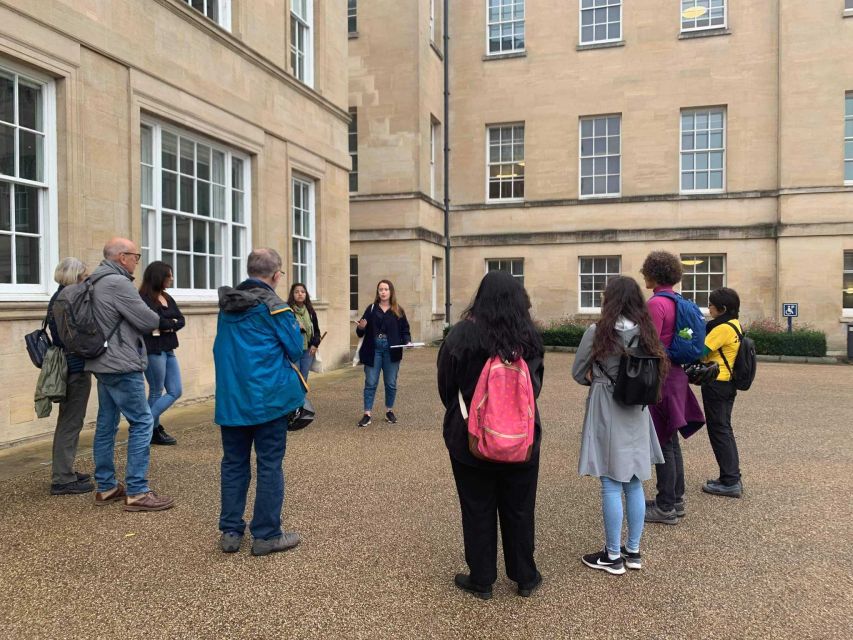
You’ll cover about 2 km in around 1.5 hours, with places to sit and lots of standing and walking in between. It runs in all weather, so plan for cold, drizzle, or wind, and bring the right layer.
In This Review
- Key moments that make this tour worth your time
- Why Oxford’s history of medicine feels personal
- The “uncomfortable” approach, and how it changes your expectations
- Bridge of Sighs, the Hertford Bridge start: turning a postcard into a prompt
- New College: authority, education, and the question of who gets studied
- Bodleian Quadrangle: knowledge, access, and why institutions shape medicine
- Clarendon Building: turning medical ethics into something you can picture
- Oxford University Museum of Natural History: specimens, evidence, and the uncomfortable questions
- King’s Arms Pub, a human scale moment inside the scholarship
- War Memorial Garden: why public health stories linger
- Radcliffe Observatory Quarter and the penicillin thread
- Price and value: what $29 buys you here
- Who this tour suits best, and who should think twice
- Should you book this Oxford history of medicine tour?
- FAQ
- How long is the Oxford: History of Medicine Tour?
- What does it cost?
- Is this tour suitable for children or teens?
- Does the tour go inside colleges or libraries?
- Is the tour wheelchair accessible?
- What should I bring since the tour runs in all weather?
Key moments that make this tour worth your time
- Medieval epidemic disease in real Oxford spaces, not in a textbook voice
- Anatomy and dissection themes tied to the university’s authority over bodies
- Public health vs individual rights, explained through history instead of slogans
- Penicillin trials in the story of medical progress, with the moral questions included
- Stories connected to empire, race, class, and gender, and how those threads still show up today
- A guided, performance-forward style from Uncomfortable Oxford trained university researchers
Why Oxford’s history of medicine feels personal
Medicine history is usually taught like a straight line. First people were sick, then science arrived, then things improved. This tour treats it more like an argument that never fully ends.
You start with medieval Oxford and the city’s experience of epidemic disease. Then you move into how the university studied anatomy, including the hard questions that come with dissection and the power imbalance between scholars and patients. Along the way, the guide frames medicine as social practice, not just lab work.
That matters, because the tour keeps coming back to a question you can feel in modern life: who gets protected, who gets controlled, and who decides what counts as health? You’ll hear about the tension between public health and individual rights, and you’ll see how resistance to public health policies is not a new habit. It’s been part of the story for centuries.
The most valuable part is that the tour does not treat bias or inequity as footnotes. It treats them as part of how medical knowledge formed. The themes include histories of empire, race, class, and gender, and the guide makes the point that these forces shape outcomes long after the historical events end.
More history walks in Oxford:
- Oxford: Private City Tour & University Historical Highlights
★ 4.9 · 14 reviews - Oxford: Historic Pubs & Taverns Guided Walking Tour
★ 4.6 · 5 reviews - London: Historic Pubs of Central London Walking Tour
★ 4.9 · 1,065 reviews
The “uncomfortable” approach, and how it changes your expectations
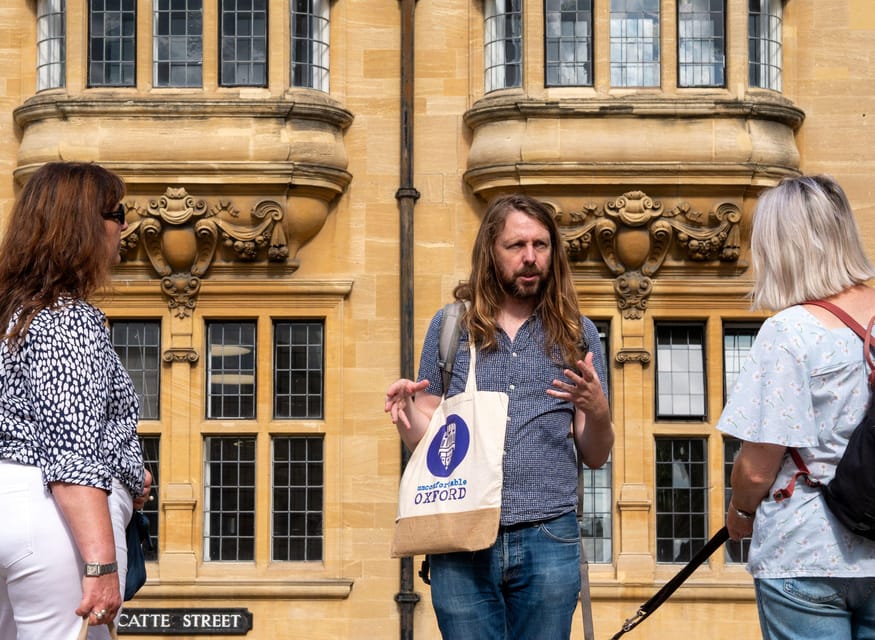
Uncomfortable Oxford has a style: university researcher-led tours that combine serious scholarship with an actual performance skill. In practice, that means you get explanations that stay clear and interactive rather than a march of dates and names. The guide training is part of the value, because it helps complicated ethical material feel discussable on the street, not trapped behind museum glass.
Still, you should set expectations before you go. One traveler who wanted a more traditional medicine landmark experience felt the tour leaned heavily into lecture-style notes and bias discussion rather than stopping at a long list of specific medical addresses and artifacts. That doesn’t mean the content is weak. It means the tour’s product is interpretation and ethics, not sightseeing trophies.
Also, the tour does not go inside any colleges or libraries. So you will not get that inside-the-walls experience where you can step into an archive room or a reading hall. You will get exterior and public-facing spaces, plus pauses for explanation.
If you enjoy history as a thinking exercise, you’ll probably love it. If you want a lighter, purely visual walk, you may feel the balance is off.
Bridge of Sighs, the Hertford Bridge start: turning a postcard into a prompt
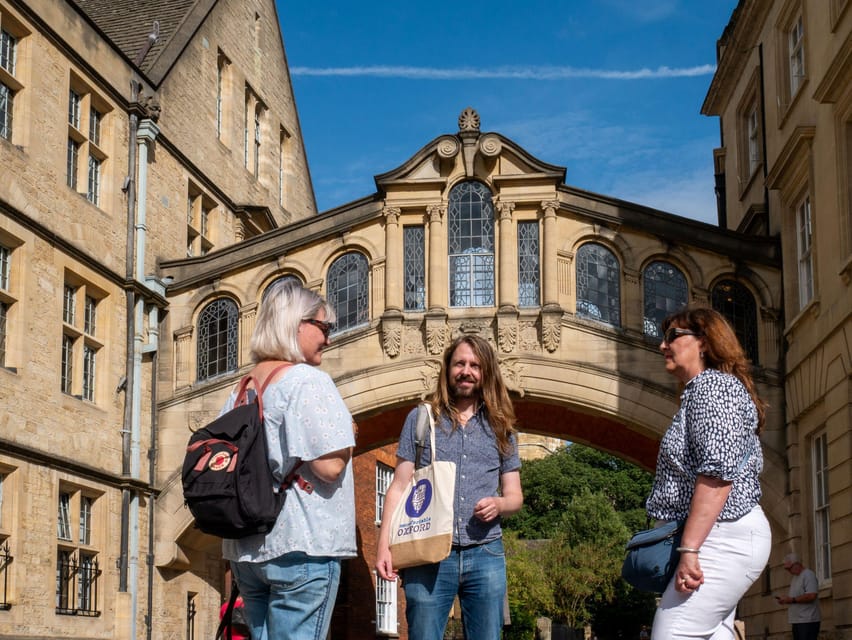
You meet at the Bridge of Sighs, also called Hertford Bridge. It’s the kind of place people associate with architecture first, and story second. Here, the guide uses it as a starting prompt, setting the tone that bodies and institutions have always been linked.
Why it works as a beginning is simple. The Bridge of Sighs gives you a visual anchor, and then the guide can pivot into the idea that epidemics are not only medical events. They reorganize public space, travel, housing, and authority. In medieval contexts, that reorganization affected who was blamed, who was protected, and whose suffering became visible.
You’ll likely get your first framing of what you’re about to learn: epidemic disease as a lived reality, anatomy as a contested practice, and medical progress as something that comes with governance, power, and ethical tradeoffs.
New College: authority, education, and the question of who gets studied
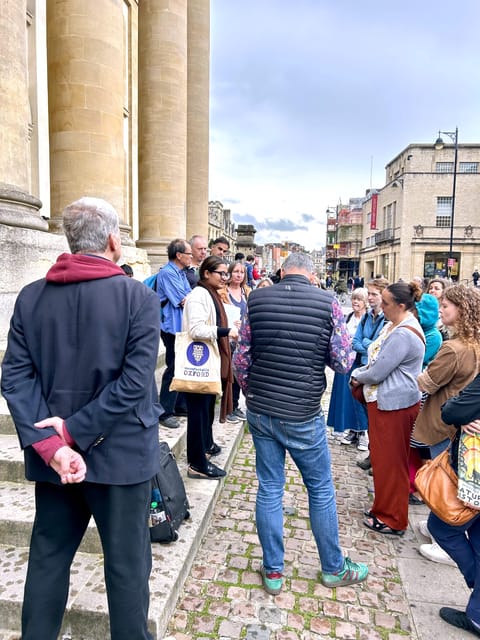
From the bridge, you walk to New College. This stop is more than a pretty facade moment. It helps the guide talk about the university as a machine for producing knowledge.
In the history of medicine, universities mattered because they trained the people who would interpret symptoms, define illness categories, and influence policy. That creates an ethical tension: when an institution becomes the expert, it also claims the right to define what is normal and what is dangerous.
You’ll get part of the tour’s conversation about health equity and medical ethics. The themes are not abstract. They connect to how dissection and the study of anatomy emerged inside an academic system. The issue is not just that anatomy was studied, but how the power to study it was distributed, and who bore the cost.
In other words, New College supports the tour’s bigger point: medicine does not happen outside society.
A few more Oxford days worth comparing
- Oxford: University and City Walking Tour with Alumni Guide
★ 4.7 · 4,429 reviews - Oxford: City and University Tour, including college entry
★ 4.5 · 2,243 reviews - Oxford: Harry Potter Walking Tour Including New College
★ 4.6 · 1,446 reviews - Oxford: Guided Sightseeing River Cruise
★ 4.6 · 935 reviews
Bodleian Quadrangle: knowledge, access, and why institutions shape medicine

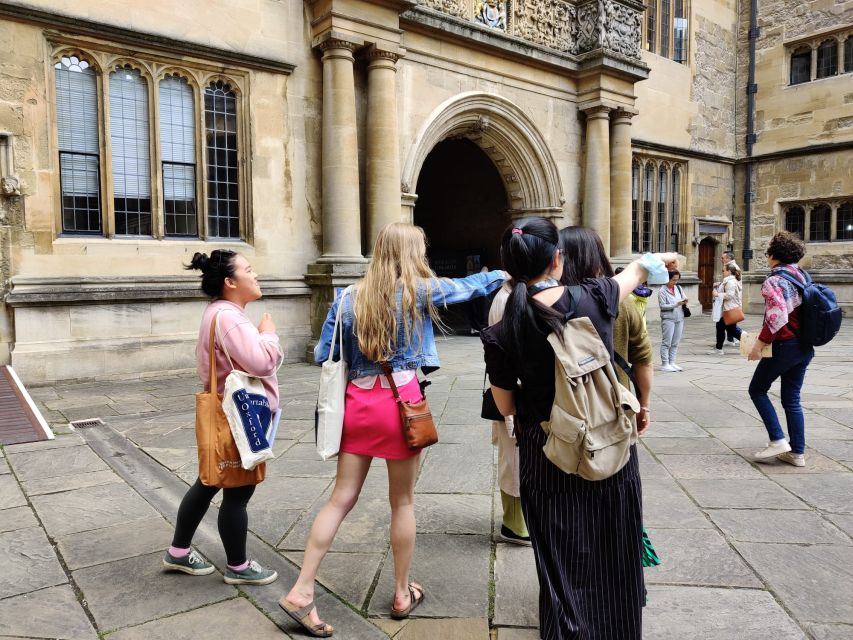
Next you move to the Bodleian quadrangle. Even without stepping inside, this space communicates how Oxford organizes knowledge. The guide uses the location to make the point that information access and institutional authority can influence public health decisions.
Here’s what I think you’ll appreciate as a visitor: you start noticing how the city’s layout can act like an argument. Where you pause, what you can see, and what remains out of reach mirror the historical dynamics the tour discusses.
This stop also supports the tour’s theme of tensions between public health and individual rights. In practice, public health decisions always require a tradeoff: you gain protection for some by imposing rules on others. The tour frames those tradeoffs through the way institutions shaped health behavior over time.
It’s the kind of stop where you may start listening for the guide’s language around rights, responsibility, and consent, not just medical terms.
Clarendon Building: turning medical ethics into something you can picture
Then you reach the Clarendon Building. This is a strong “explainer” stop because it feels like the seat of decisions. The guide uses it to bring medical ethics into focus, especially around the idea that progress is not neutral.
You’ll hear about tensions in medicine that include public health needs versus individual freedoms. The story is not that people suddenly became ethical or unethical. It’s that medical authority developed, then collided with the reality that living bodies are not controlled in lab conditions.
If you care about current debates over health policy, this is where the tour starts making you connect dots fast. You may find yourself thinking about how governments and institutions justify actions, how they measure risk, and how they handle dissent.
And because the guide is a university researcher trained by Uncomfortable Oxford, the discussion tends to stay grounded in how history actually worked, not just what modern people wish had happened.
Oxford University Museum of Natural History: specimens, evidence, and the uncomfortable questions
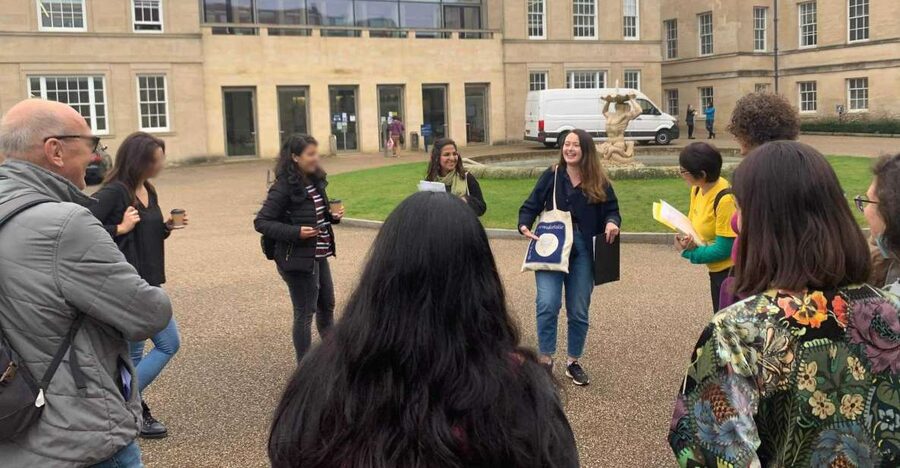
The tour continues to the Oxford University Museum of Natural History. This stop supports the anatomy and dissection thread, plus the tour’s broader focus on how knowledge is collected.
Why this matters is that medical understanding often depends on physical evidence, and physical evidence depends on human choices. In historical contexts, that creates uncomfortable questions: Who provided the material? Who benefited from the study? What did it cost?
The tour’s conversation includes cases of dissection and the study of anatomy at the University. It connects those themes to medical ethics, including the idea that scientific curiosity and human rights can collide.
Even if you only pause at the museum area rather than moving through exhibits, the guide’s framing helps you see the museum as more than a collection of objects. It becomes a symbol for the ways evidence-building can be tied to power.
King’s Arms Pub, a human scale moment inside the scholarship
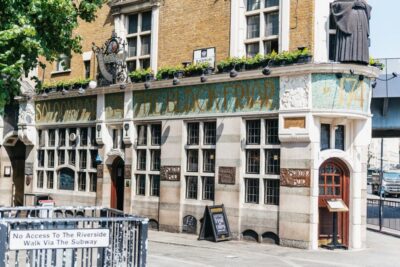
At some point you also stop at the King’s Arms Pub. This is one of the tour’s smartest pacing choices. A conversation about plagues, dissection, and ethics can become heavy. A pub stop gives you a chance to reset your brain and keep the group engaged.
From a tour-design point of view, it also matches the tour’s theme. Medicine has always been a public topic. You don’t need a lecture hall to discuss it. The guide can shift from institutional authority to lived experience, and the pub setting supports that change in tone.
So treat this stop as both a practical break and a storytelling beat. If you want to keep up with the discussion, this is where it becomes easier.
War Memorial Garden: why public health stories linger
Next comes the War Memorial Garden. This stop adds emotional weight to the tour’s history. It supports a point that the guide likely repeats in different ways: health crises do not vanish when the immediate emergency passes.
The history of medicine includes not only epidemics and research, but also long-term impact on communities, institutions, and policy. War and remembrance spaces are powerful because they help visitors think about collective consequences rather than isolated events.
This is also where the tour’s “health geographies” theme can click. Epidemics and health policy affect specific areas, specific groups, and specific neighborhoods. The physical placement of events, memorials, and institutions can make those patterns visible.
If you like history that helps you read the city like a document, this is a strong stop.
Radcliffe Observatory Quarter and the penicillin thread
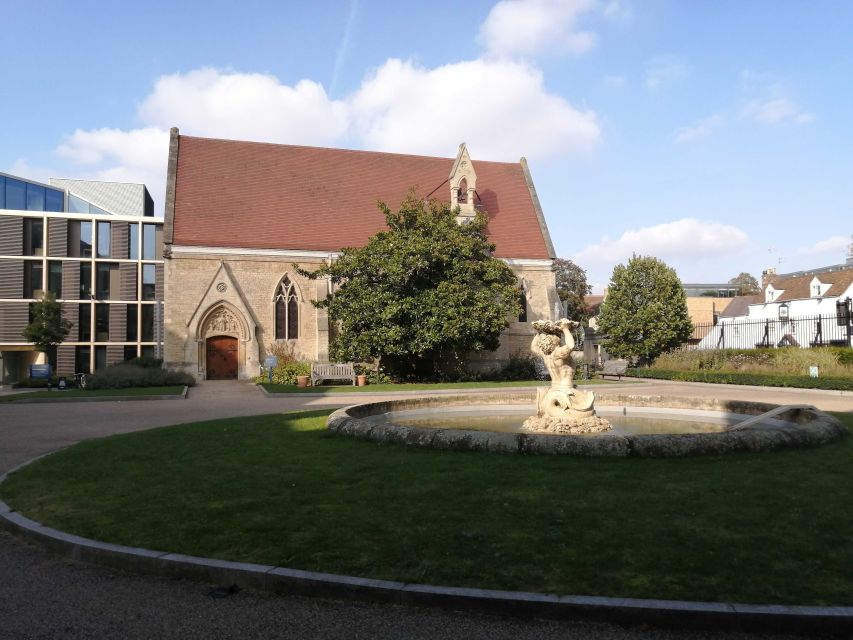
Finally, you head toward the Radcliffe Observatory Quarter, then finish at St Luke’s Chapel. This late stretch is where the tour’s timeline likely tightens, linking the earlier medieval epidemic material to later developments in medical science.
You might find the penicillin part of the story placed in this closing segment, since the tour narrative includes early trials of penicillin. The key is not just the science. The guide frames medical progress as a contested process with ethical and social consequences, not a clean victory march.
St Luke’s Chapel as a finish works because it encourages reflection. Chapel spaces naturally invite quiet thinking, which is helpful after a conversation about the control of the body, public health authority, and rights.
Even though you do not enter colleges or libraries, you still end the tour feeling like you’ve used Oxford itself as the textbook.
Price and value: what $29 buys you here
$29 per person for a 1.5-hour walking tour is pretty reasonable for Oxford, especially for a specialized theme like history of medicine.
Here’s the value math you should use. You’re not paying only for the buildings. You’re paying for a university researcher guide, plus the Uncomfortable Oxford training and performance style that makes ethical debates understandable on the street. If you enjoy history that connects past decisions to modern dilemmas, this tour can feel like a high-impact use of a short time window.
At the same time, this price may feel less like a deal if what you want is a museum-like hit list of medical landmarks and artifacts. Because the format leans into discussion and ethics, it’s less suited to the traveler who wants lots of stops with obvious “photo moment” payoffs.
In short: it’s good value if your goal is meaning. It may feel expensive if your goal is pure sightseeing.
Who this tour suits best, and who should think twice
This tour is a strong fit if you:
- Enjoy uncomfortable history that connects to ethics and current public health debates
- Want an Oxford walk that uses epidemics, anatomy study, and public policy tension as the organizing story
- Like tours led by trained university researchers who can keep a group engaged
It might be a weaker fit if you:
- Want a traditional medicine sightseeing route with specific famous addresses and in-depth site access
- Prefer a lighter tone and fewer arguments about bias, equity, and rights
- Get frustrated when a tour turns into a discussion heavy experience in cold weather
The age recommendation is 12 and older, which suggests the content is framed for younger teens, but it still carries uncomfortable themes. If you’re bringing a teen, it can be a great lesson in how history shapes medicine and policy.
Should you book this Oxford history of medicine tour?
Book it if you want Oxford history that makes you think, not just look. The combination of epidemic disease context, dissection and anatomy study themes, and the public health vs individual rights tension gives you a tour with real staying power. You’ll also get the benefit of an Oxford guide team trained to handle tough material in a way that stays engaging.
Skip it, or at least adjust expectations, if you’re hoping for a straightforward medical landmarks tour. This one is less about checking off famous medicine names and more about understanding how medical knowledge and power have always been connected.
If you’re ready for history with teeth, this Uncomfortable Oxford route is a smart use of a rainy morning or a brisk afternoon, and you’ll walk away with a different way of seeing the city.
FAQ
How long is the Oxford: History of Medicine Tour?
The tour lasts about 1.5 hours.
What does it cost?
The price is $29 per person.
Is this tour suitable for children or teens?
It is recommended for ages 12 and older.
Does the tour go inside colleges or libraries?
No. The tour does not go inside any colleges or libraries.
Is the tour wheelchair accessible?
Yes, it is wheelchair accessible. The route includes mild uneven cobblestones and busy streets on weekends.
What should I bring since the tour runs in all weather?
Dress for all weather and bring a water bottle if needed.
Newly listed near Oxford
- Undiscovered Cotswolds Private Driving Tour★ 5.0 · 5 reviews
- Oxford University: Guided Small Group Walking Tour★ 4.8 · 90 reviews
- Private Downton Abbey Day Tour, including Pub Lunch★ 5.0 · 5 reviews
- Oxford: Town & Gown Walking Tour★ 4.7 · 15 reviews
- Oxford: Tolkien, Lewis and Alice Walking Tour. Small group!★ 5.0 · 7 reviews
- Oxford: University Tour for Prospective Students★ 4.9 · 26 reviews
- Oxford: City & University Tour with College entry included★ 5.0 · 4 reviews
- Oxford: The Original Uncomfortable Oxford™ Tour★ 4.6 · 21 reviews
Historical Tours, compared.






Browse the lists this tour appears in