

Review · HISTORICAL TOURS
Inspirational Women: Liverpool Past/Present History Tour
Women’s stories take over Liverpool.
This walking tour strings together politics, education, and health through real places you can point to, starting at Liverpool Cathedral and working toward St George’s Hall. I especially love the stop in the Lady Chapel, where the stained-glass windows bring historical women to life, and how the guide connects different themes instead of treating each site like a one-off fact.
One thing to plan for: you’ll be walking as a group through busy central areas, including patches with cobbles and uneven surfaces. It is wheelchair accessible, but it still helps to wear comfortable shoes and keep your pace steady.
In This Review
- Key things I’d circle before you go
- Why this 2-hour walk is worth your time (and your money)
- Getting Oriented: start at Liverpool Cathedral, with a donation and a plan
- Inside Liverpool Cathedral’s Lady Chapel: stained-glass women you can actually track
- Blackburne House: where education for girls and women mattered
- Rodney Street and the Everyman Theatre: from professional networks to suffragette pressure
- Mount Pleasant and medicine: women fighting for health, education, and change
- Pembroke Place and the Red Brick universities: women connected to schooling and reform
- Metropolitan Cathedral of Christ the King: Nightingale links and legislative reform
- Lime Street songs, the Walker Art Gallery, and a dramatic finish at St George’s Hall
- Practical tips for a smooth, comfy walk
- Guides, energy, and the facts you do not usually get
- Who this tour suits best
- Should you book the Inspirational Women Liverpool Past/Present History Tour?
- FAQ
- How long is the tour?
- Where does the tour start, and when should I arrive?
- What is included in the price?
- Is there food or drink included?
- Is the tour wheelchair accessible?
- Are dogs and children allowed?
Key things I’d circle before you go
- Lady Chapel stained-glass focus: you get stories tied directly to the women shown in the windows
- Hope Hall at the Everyman Theatre: a political stage for suffragettes and activism
- Medicine and Mount Pleasant: you learn how women pushed for change in education and health services
- Rodney Street and Pembroke Place: two local addresses tied to women’s professional and social networks
- Art and activism at the end: Walker Art Gallery and a finish by St George’s Hall connect ideas to place
Why this 2-hour walk is worth your time (and your money)

For $28, you’re buying more than a route. You’re getting a tight loop through Liverpool where women are not background characters. They are the engine of the story, whether the theme is suffrage, schooling for girls, or the push to improve medicine and family health services.
The pacing matters here. Two hours is long enough to make the places stick, but short enough that you do not have to commit to a full day. I like that it focuses on a handful of meaningful stops instead of trying to cover the whole city. If you want a quick, high-impact orientation to Liverpool through one clear lens, this delivers.
More History Tours in Liverpool
- Liverpool: Haunted History Guided City Tour
★ 4.9 · 404 reviews - Liverpool: A Walk Through Time: Full History Walking Tour
★ 4.8 · 184 reviews - Liverpool: St James’ Cemetery Historical Ghost Tour
★ 4.9 · 169 reviews
Getting Oriented: start at Liverpool Cathedral, with a donation and a plan
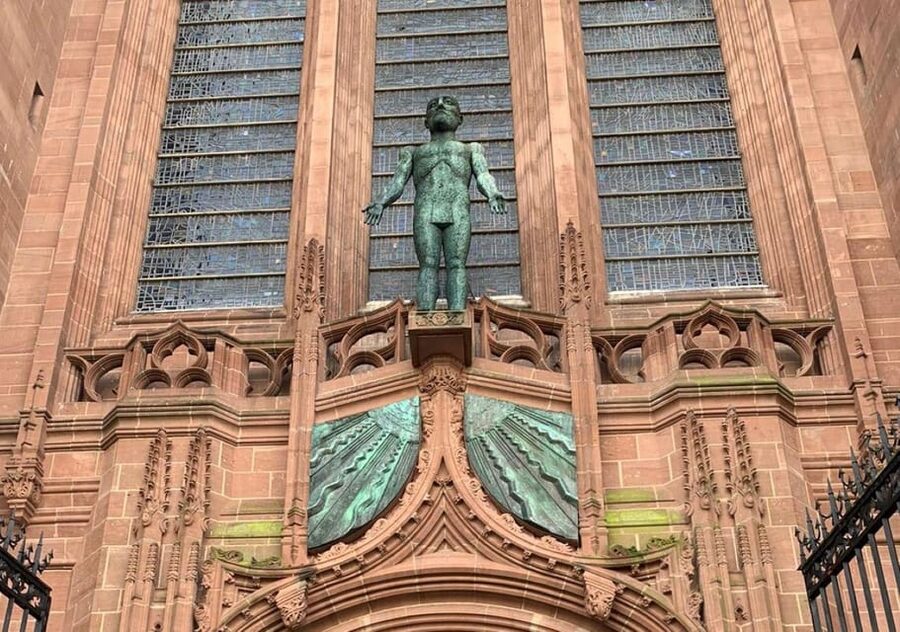
Your tour begins at Liverpool Cathedral, and you meet your guide from Liverpool Famous Walking Tours, wearing purple. Try to arrive 5 to 10 minutes early so you can get grouped up without stress.
One practical detail: admission to the Cathedral is by donation, and the tour includes a Lady Chapel tour. That setup matters because it keeps the experience grounded in real access. You are not just viewing from the outside, you are stepping into a space that shaped how people experience sacred art, including the stained glass you’ll hear about.
Inside Liverpool Cathedral’s Lady Chapel: stained-glass women you can actually track
The Lady Chapel is where the tour gets wonderfully visual. You’ll see stained-glass windows that depict influential women connected to Liverpool’s history and wider developments. The guide walks you through what those figures represent, which turns stained glass from decorative to informative.
You’ll also learn that the Cathedral includes one of the final works by a famous female sculptor of the modern era. The key takeaway is the same: this is not just a building, it is a cultural statement about who gets remembered and how.
What I like about this stop is the way it trains your eyes. Instead of treating each window as a random panel, you start noticing the theme connections: reform, education, public life, and the long reach of ideas.
Blackburne House: where education for girls and women mattered
Next you head to Blackburne House, a grade II listed building. The focus here is education, specifically the education of girls and women, and how the building played an important role in that work.
You’ll hear about famous alumni and how this site connects to broader goals for opportunity. Even if you do not know much about Liverpool’s schooling history going in, the guide’s angle makes it understandable: education was a form of power, and power was exactly what many women were denied for too long.
If you like tours that explain the why behind the walls, this stop works. It is not only about architecture. It’s about access, and the long-term impact that access can have.
More history walks in Liverpool:
- Liverpool: Heritage, History & Culture Guided Walking Tour
★ 4.9 · 52 reviews - Liverpool: Theatrical History Tour and The Dead House
★ 4.9 · 37 reviews - History Guided Tour of Liverpool and the Beatles
★ 4.9 · 14 reviews - Liverpool Heritage,History & Culture Walking Shore Excursion
★ 5.0 · 3 reviews
Rodney Street and the Everyman Theatre: from professional networks to suffragette pressure
From Blackburne House, you move toward Rodney Street, which is often called the Harley Street of the North. Here, the tour links place to people, with stories about famous female residents.
Then comes the Everyman Theatre, which the tour discusses with its earlier identity as Hope Hall. This is a crucial transition. The story shifts from education and professional life into a more openly political world, where theatre culture and street-level activism could overlap.
You’ll hear about the bohemian environment and political edge connected to the site, including links with the Suffragettes. I find this part especially engaging because it reminds you that movements do not happen only in Parliament. They happen in meeting rooms, lecture halls, and performance spaces where ideas spread quickly.
Mount Pleasant and medicine: women fighting for health, education, and change
At Mount Pleasant, the tour moves into the world of medicine, and it does so with a focus on obstacles. You’ll learn about women from Liverpool and the challenges they faced when trying to influence the development of medicine, education, and health services around the turn of the last century.
This is one of the strongest sections of the whole experience because it avoids the simple version of history. Instead, you get the struggle side, which makes the accomplishments feel earned. You also get a sense of how reform in health ties to reform in education and social policy. The message is clear: improving healthcare is not only about hospitals, it is about who gets trained, who gets listened to, and who gets supported.
If you’re the kind of traveler who likes learning how everyday systems get built, this stop gives you that angle in a very human way.
Pembroke Place and the Red Brick universities: women connected to schooling and reform
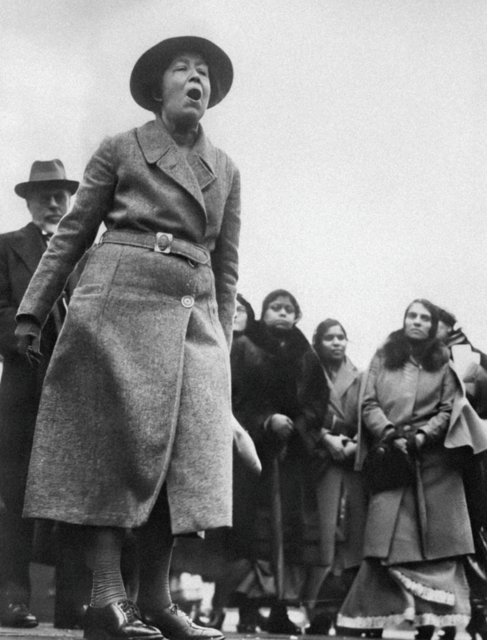
Next is Pembroke Place, described as famously giving the name to the Red Brick Universities. You’ll hear about famous alumni and learn about pioneering women connected to the story, including a great philanthropist who campaigned for women’s rights and family social in the early 1900s.
This part works best if you want context for how education institutions grew. The tour ties women into the narrative of university development, which is important. Universities are often remembered through founding men and policies, but women’s lives and activism shaped the atmosphere around access and reform too.
The early 1900s focus is also a helpful reminder that rights campaigns were not one-note slogans. People worked on social structures and family life, not only political votes.
Metropolitan Cathedral of Christ the King: Nightingale links and legislative reform
The tour then visits the Metropolitan Cathedral of Christ the King. Here, you’ll learn about the site’s history and connections to the Nightingale nurses.
This section also includes more than tragedy. You’ll hear about the incredible work of a leading reformer who supported women and families through legislation in the 1800s. That combination is a smart way to teach history: it doesn’t stop at sad or shocking stories, it follows through into change.
If you like moral clarity in a tour story, this is where you’ll feel it. The guide uses the site to show that care, nursing, and reform laws could be linked in real ways, shaping what life looked like for families.
Lime Street songs, the Walker Art Gallery, and a dramatic finish at St George’s Hall
The walk continues through Lime Street, which has an infamous 19th-century reputation in local storytelling. The tour includes a story about one lady who appears in several famous Liverpool songs, adding a pop-culture thread to the political and medical themes.
As you move along, you also pass sites connected to notable women’s social and political union meetings of the early 1900s. Even when you are just walking past, the guide’s narration helps you picture the conversations and organizing that took place in those streets.
You’ll then arrive at the Walker Art Gallery. The tour connects women to public art, explaining how this publicly owned gallery became the national gallery of the North, and sharing stories about fascinating women, including ones you can still see on display.
Finally, you end in the shadow of St George’s Hall, a grade I listed landmark. The tour ties the building to suffragist movement history and also mentions its intriguing link to modern-day cookery. That ending matters because it puts the movement story into a grand public setting, making it feel both local and monumental.
Practical tips for a smooth, comfy walk
This is an easy-to-follow, city-center walking tour, but it still pays to show up prepared.
Bring:
- Camera, if you want to capture the windows and exterior details
- Water, since you’ll be out for about 2 hours
- Comfortable clothes and shoes, because you will walk as a group
Walking conditions:
- The route is wheelchair accessible, and strollers can manage the areas included, but you may still encounter uneven surfaces such as cobbles in places.
- Busy areas are part of the plan. If you prefer quiet streets, pack patience for a few stretches.
Pets and kids:
- Well-behaved dogs are welcome.
- Children under 16 must be accompanied by an adult.
Food:
- Food and drink are not included, so if you’re hungry, plan to stop after the tour.
Guides, energy, and the facts you do not usually get
One reason this tour earns top marks is the way the guidance feels. The guide experience described is both passionate and friendly, with a real talent for making connections that many standard city tours skip.
You also end up with specific, memorable details. The kind of stories you get here are the ones you would not normally hear on the usual sightseeing circuit, especially when the focus is women’s roles in medicine, education, and political organizing across multiple neighborhoods.
Who this tour suits best
I think it’s a great match if you:
- Want a city walk that feels purposeful, not random
- Like history connected to specific places you can point to
- Are interested in suffragettes, education, women in professional life, or healthcare reform
- Prefer a guide to connect the dots across themes, rather than reciting one site per minute
It may be less ideal if you hate walking in busy central areas or you want long museum time. This is designed as a focused two-hour story, not a slow browse.
Should you book the Inspirational Women Liverpool Past/Present History Tour?
I’d book it if your travel style includes learning through neighborhoods and buildings, and you want Liverpool with a strong perspective. For $28, you get a Cathedral visit (including the Lady Chapel tour), multiple meaningful stops tied to women’s lives, and a finish at a major landmark where the story lands with impact.
Book it especially if you want facts with context, not just dates. The guide’s energy and the unusual angles, medicine reform and women’s activism in particular, are exactly what make this feel like more than a typical walking tour.
FAQ
How long is the tour?
It lasts 2 hours.
Where does the tour start, and when should I arrive?
You start at Liverpool Cathedral. Arrive 5 to 10 minutes before the tour begins so the guide can meet your group.
What is included in the price?
The tour includes admission to Liverpool Cathedral by donation, a Lady Chapel tour, and guided stories and visits to key sites with an experienced guide.
Is there food or drink included?
No, food and drink are not included.
Is the tour wheelchair accessible?
Yes. The tour is wheelchair accessible, and locations are accessible for strollers and wheelchairs. You should still expect some uneven surfaces such as cobbles in busy areas.
Are dogs and children allowed?
Well-behaved dogs are welcome, and children under 16 must be accompanied by an adult.
Newly listed near Liverpool
- Liverpool: The Beatles Tour on Electric Pedal-Assist Ebikes★ 5.0 · 17 reviews
- Liverpool: Upside Down House Entry Ticket★ 4.0 · 168 reviews
- Liverpool: 1980s Music Walking Tour with Guitarist “Nasher”★ 5.0 · 6 reviews
- Liverpool: Total Beatles Car Tour Casbah & Cavern Clubs★ 5.0 · 3 reviews
- Liverpool: The Beatles and Cavern Quarter Walking Tour★ 4.7 · 133 reviews
- Liverpool: The Beatles and Waterfront Guided Walking Tour★ 4.7 · 51 reviews
- Liverpool: The Anfield Abseil & Liverpool FC Museum★ 4.8 · 117 reviews
- Liverpool: Quirky Quarter Interactive Museum Entry Ticket★ 4.7 · 90 reviews
Historical Tours, compared.



Browse the lists this tour appears in