
Review · HISTORICAL TOURS
Liverpool: A Walk Through Time: Full History Walking Tour
Liverpool has layers, and this walk helps you see them. It is built around an academically trained local guide and a tight storyline that runs from medieval trading days to modern Liverpool. I also love how the route mixes big-name icons with smaller, meaningful details you normally miss. One drawback to plan for, it is still a 2-hour walking experience, so you will want comfortable shoes if the weather turns.
The best part is that this is not a random highlight reel. You get a clear explanation for how Liverpool grew into the second city of the British Empire, then how the waterfront, architecture, and city planning shaped what you see today. Based on what many people say about the guide, the talk stays engaging, with room for questions.
In This Review
- Quick hits
- Starting at the Royal Liver Building, and why the location matters
- 1207 to today: how the guide turns Liverpool history into a walkable story
- Waterfront stops: connecting Old Dock history to the Royal Albert Dock
- Royal Liver Building to Liverpool One: from shipping wealth to a modern city hub
- Town Hall, Queen Victoria Monument, and Castle Street: architectural clues you will start spotting
- Parish Church Gardens and Chapel Street: a calmer beat in the route
- The practical side: timing, walking pace, and what to wear
- Price and value: what $22 gets you in real-world terms
- Who should book this Liverpool Walk Through Time tour
- Should you book this Liverpool: A Walk Through Time tour?
- FAQ
- Where does the tour start?
- How long is the Liverpool: A Walk Through Time tour?
- What is the tour price?
- Is the tour in English?
- What locations will we see?
- What is included in the ticket?
- Is the tour wheelchair accessible?
- Can I get a refund if my plans change?
- Are there multiple starting times?
Quick hits
- Start at the Royal Liver Building and use it as the anchor for the whole timeline
- From 1207 to present day, with a story you can actually keep in order
- Royal Albert Dock and the Old Dock area help you connect Liverpool’s wealth to its shipping history
- Architecture-focused stops around Castle Street and the Town Hall area make you look up
- A guide who answers follow-up questions (John and Dave are both named in feedback)
Starting at the Royal Liver Building, and why the location matters
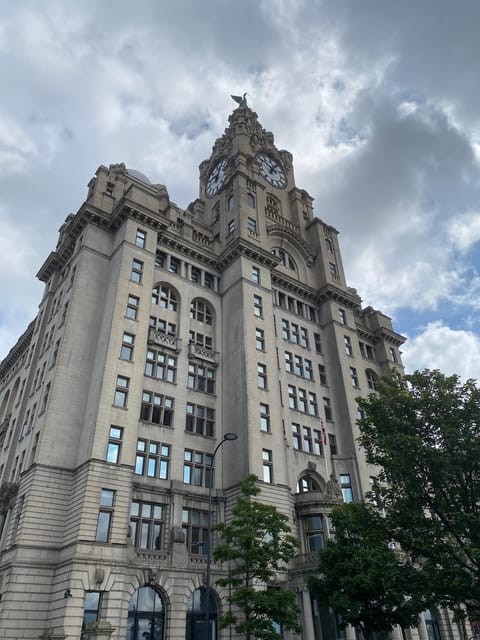
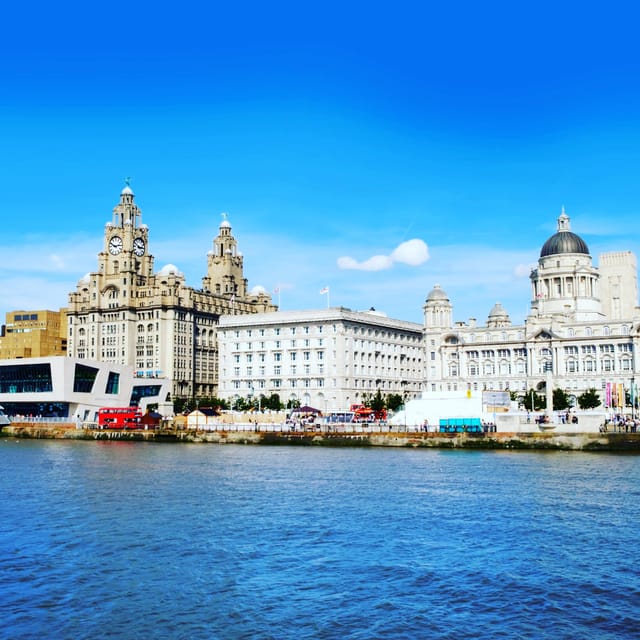
Your tour begins outside the Royal Liver Building, at the black gate by the river-facing entrance. That is a smart first choice because the building sits like a “time marker” for Liverpool’s modern identity, even though the story you will hear goes far older.
The guide spends a short stretch on the Royal Liver Building itself before you move into the city. This is where you get the big picture, not just a fact list. You will understand why the building matters in how Liverpool presents itself today, then you will see those themes echoed again at the docks and in the streetscapes ahead.
If you are arriving in Liverpool for the first time, this kind of start helps you get your bearings fast. You are not trying to guess how everything connects while you walk. The route gives you a spine.
More History Tours in Liverpool
- Liverpool: Haunted History Guided City Tour
★ 4.9 · 404 reviews - Liverpool: St James’ Cemetery Historical Ghost Tour
★ 4.9 · 169 reviews - Liverpool: Heritage, History & Culture Guided Walking Tour
★ 4.9 · 52 reviews
1207 to today: how the guide turns Liverpool history into a walkable story
This tour promises a full timeline, from 1207 to the present day, and that wide range is the reason it is such good value for first-time visitors. The guide frames Liverpool’s development from a medieval trading town into an imperial-era powerhouse, then carries the story forward to what you see around you now.
What I like about this approach is that it treats history as a chain reaction. Trade leads to growth. Growth changes the waterfront. The waterfront and industry shape buildings, streets, and even the city’s identity. That way, each stop feels like it belongs to the previous one, instead of being separate photo opportunities.
The guide is repeatedly praised for academic-grade depth and clear storytelling, and the most common name you will hear linked with the tour is John. You will also see Dave mentioned as a guide in some bookings. Either way, the pattern is consistent: you should expect an enthusiastic local historian who can explain dates, connections, and context in plain language.
There is also time for questions. People highlight that the guide answers thoroughly, and that can make the tour feel less like a lecture and more like a guided conversation. If you have a specific Liverpool angle, like maritime trade or imperial connections, you are in the right kind of format for it.
Waterfront stops: connecting Old Dock history to the Royal Albert Dock
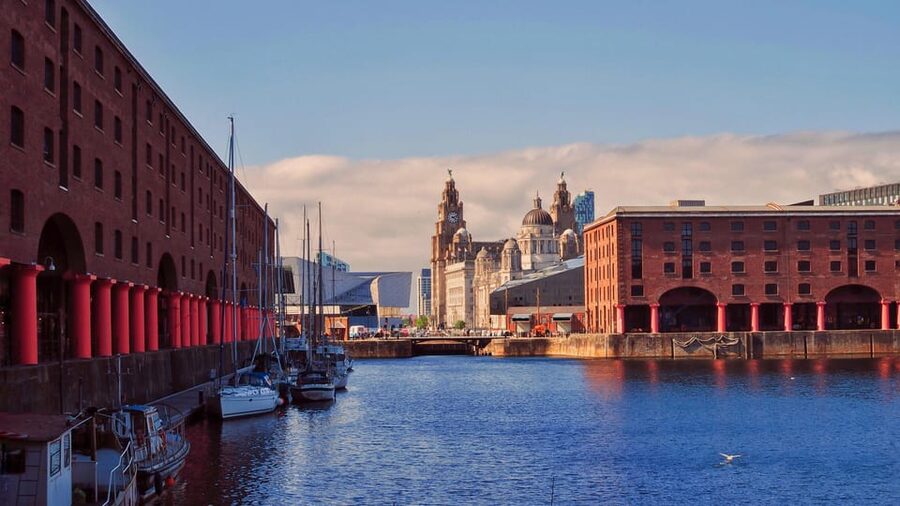
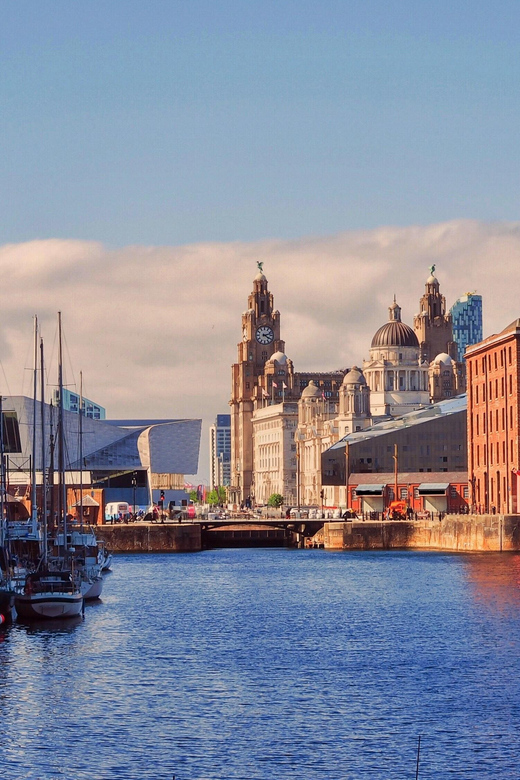
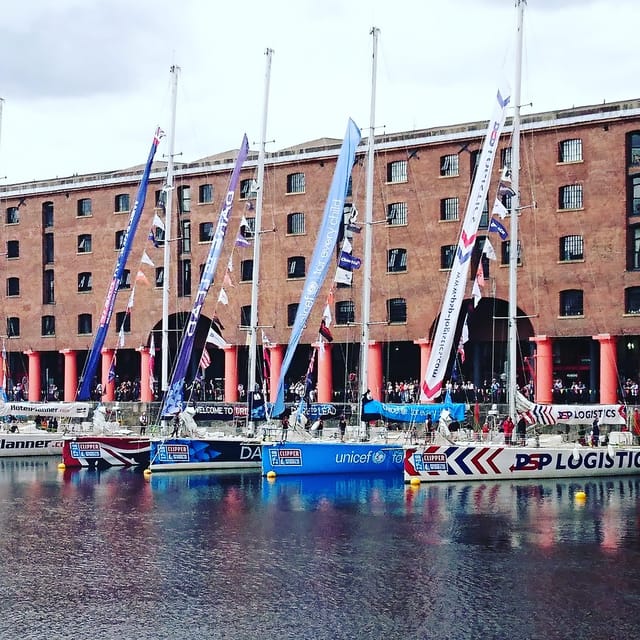
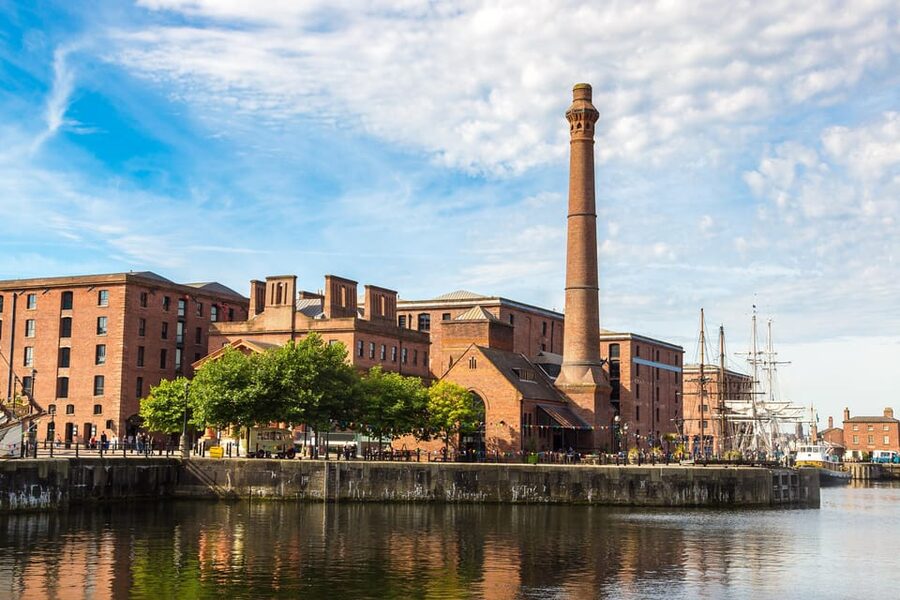
Once you leave the Liver Building area, the walk shifts toward the waterfront logic of the city. You will go past the Liverpool Waterfront region and then onto the Royal Albert Dock area.
Here is why these stops matter. Liverpool’s power did not come from magic. It came from how goods moved, where ships docked, and how the city organized itself around that economic engine. When you stand where those routes used to matter, the story stops being abstract.
The Royal Albert Dock stop is built into the timeline for a reason. Docks are not just scenery. They are the physical evidence of centuries of shipping, commerce, and the city’s relationship with the wider world. Even if you are not a history nut, you will probably notice more once the guide points out the relationship between the buildings, the water, and the money.
You will also hear about the city’s economic growth and how Liverpool’s role extended beyond the local scale. The tour’s wording includes the sweep of how Liverpool became a major power, and the waterfront stops are where that claim becomes real.
Royal Liver Building to Liverpool One: from shipping wealth to a modern city hub
The route includes Liverpool ONE, which is a quick stop, about 10 minutes. That short timing makes sense because this is not a retail tour. It is a “then and now” checkpoint.
Think of Liverpool ONE as the city’s modern reorientation point. After the dock-side discussion, you get a sense of how the center of gravity changed over time. The guide’s job is to help you see what is new without pretending it replaced everything.
Even in a short visit, you can usually spot what a city does when its old economic drivers slow down or transform. The streets and public space feel different from the dock zone, and the tour uses that difference to keep the story moving forward.
If you like tours that end with a sense of today’s Liverpool rather than stopping at the most dramatic old chapter, this “modern stop” helps.
More Walking Tours in Liverpool
- Liverpool: Beatles Highlights Walking Tour
★ 4.8 · 274 reviews - Liverpool: The Beatles and Cavern Quarter Walking Tour
★ 4.7 · 133 reviews - Liverpool: Guided City Walking Tour
★ 4.9 · 119 reviews - Liverpool: The Beatles and Waterfront Guided Walking Tour
★ 4.7 · 51 reviews
Town Hall, Queen Victoria Monument, and Castle Street: architectural clues you will start spotting
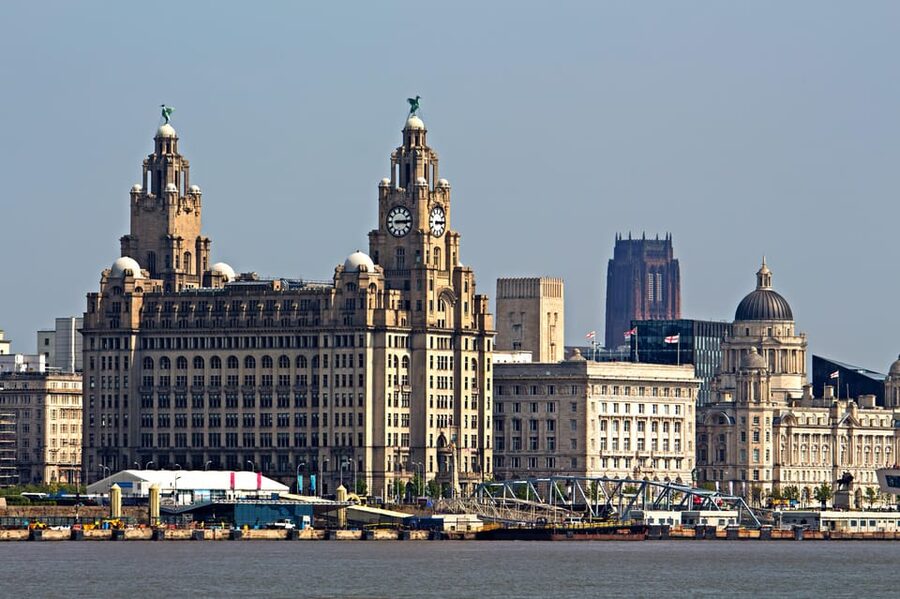
A big part of what makes this tour feel worth it is that it encourages you to look up. The route is designed around iconic landmarks, including the Town Hall area, Castle Street, and the Queen Victoria Monument.
Castle Street is especially important because it appears again near the end of the walk. That helps you loop back and connect what you learned earlier to the city center layout. By the time you reach the later stretch, you will not just recognize the streets. You will understand why the city grew where it did.
The guide’s style also matters here. Many people mention the way the narration reinforces dates and timelines, and how it links what you are seeing with what the city was doing at that point in history. Around major monuments and civic architecture, that connection can be easier to grasp because these buildings are meant to project authority.
If you enjoy photo stops but also want the “why,” these landmark sections hit the sweet spot.
Parish Church Gardens and Chapel Street: a calmer beat in the route
After the busier center landmarks, the walk includes the Liverpool Parish Church, with a focus on Our Lady and Saint Nicholas, plus nearby gardens. There is also a stop at Chapel Street.
These sections usually feel like a breather for two reasons. First, the historical setting shifts from civic and commercial power to community and long-standing institutions. Second, the tour pacing gives you short guided moments rather than long digressions.
The Parish Church Gardens stop is useful because it adds texture. Liverpool’s story is often told through trade and industry, but a city is also shaped by places where people gathered, worshipped, and built community continuity. Even with limited time, you get enough context to understand why this location belongs in the broader timeline.
Chapel Street fits as a connecting thread, helping you transition between the central streetscape and the route’s later end point.
The practical side: timing, walking pace, and what to wear
The tour runs for about 2 hours, and it is a walking tour through the city center and waterfront areas. That time adds up. You will be on your feet, and the schedule includes multiple short guided segments, plus travel between stops.
Weather matters. One thing people specifically noted is that the guide kept things engaging even on a cold day. So plan to dress for wind and drizzle, and bring layers if you run cold.
If you want a tour that is wheelchair accessible, this one is listed as such. That is a major plus if you need an option that is designed with mobility needs in mind. Still, because it is walking-based, check the footwear question for yourself, especially if your ankle or knee needs extra support.
Price and value: what $22 gets you in real-world terms
At $22 per person for around 2 hours, this tour is priced like a straightforward city introduction, not a premium private experience. The value comes from density: several major locations plus a structured timeline, all led by a guide with academic training.
You are paying for more than commentary. You are paying for the guide’s ability to connect Liverpool’s geography and architecture to its economic rise. That connection is the difference between reading a plaque and actually understanding why it exists.
People also mention that the tour pace feels well judged, that time flies, and that questions are welcome. If you enjoy getting answers instead of just hearing a script, that interaction is part of the value you get per dollar.
With a 4.8 out of 5 overall rating and 184 bookings recorded, the demand is there, which is usually a good sign for consistency in guide quality and pacing.
Who should book this Liverpool Walk Through Time tour

This fits best if you want an organized history walk without spending the whole day hopping between far-flung sites. It is also a strong choice if you are traveling with kids or teens, since the tour is described as suitable for all ages.
You will likely get the most from it if:
- you are visiting Liverpool for the first time and want the big story quickly
- you love maritime and trade history, plus the way it shaped the built environment
- you like architecture and want help spotting the details
If you only want a quick “see these buildings” checklist with no timeline structure, you might find 2 hours too much. But if you want meaning, the format is built for that.
Should you book this Liverpool: A Walk Through Time tour?
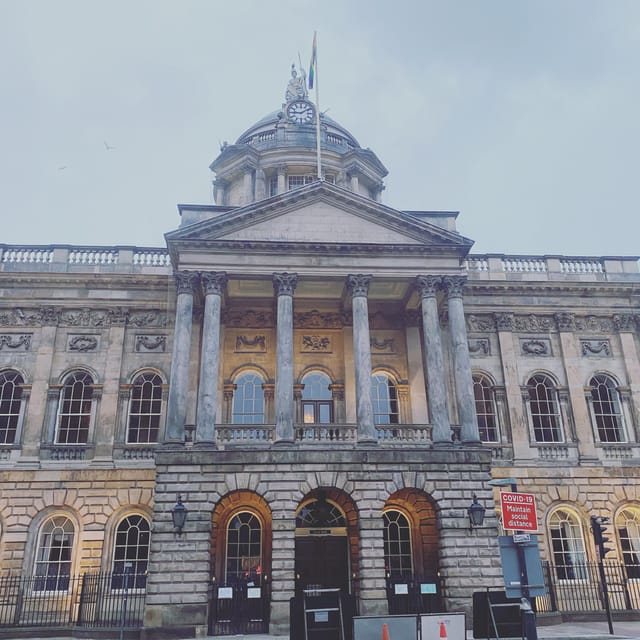
Yes, I think you should book it if you want a clean, chronological way to understand Liverpool, anchored by real places like the Royal Liver Building and the docks. The guide element is the core strength here, especially with names like John and Dave showing up in feedback as strong storytellers who handle questions well.
I would only hesitate if you know you cannot handle 2 hours of walking, or if you prefer purely self-guided sightseeing. Otherwise, this is a practical, high-value introduction that helps you look at Liverpool with smarter eyes for the rest of your trip.
FAQ
Where does the tour start?
Meet your guide outside the entrance of the Royal Liver Building, specifically at the river-facing entrance by the black gate.
How long is the Liverpool: A Walk Through Time tour?
The tour lasts about 2 hours.
What is the tour price?
It is $22 per person.
Is the tour in English?
Yes. The live tour guide speaks English.
What locations will we see?
You will pass and learn about the Royal Liver Building, Liverpool Waterfront, Royal Albert Dock Liverpool, Liverpool ONE, Liverpool Parish Church (Our Lady and Saint Nicholas), Chapel Street, Town Hall, Queen Victoria Monument, and Castle Street.
What is included in the ticket?
Your ticket includes a guide and the walking tour.
Is the tour wheelchair accessible?
Yes, it is listed as wheelchair accessible.
Can I get a refund if my plans change?
Free cancellation is available up to 24 hours in advance for a full refund.
Are there multiple starting times?
The activity notes that you should check availability to see starting times.
More History Walks in Liverpool
- Liverpool: Theatrical History Tour and The Dead House
★ 4.9 · 37 reviews - History Guided Tour of Liverpool and the Beatles
★ 4.9 · 14 reviews - Liverpool Heritage,History & Culture Walking Shore Excursion
★ 5.0 · 3 reviews - Inspirational Women: Liverpool Past/Present History Tour
★ 5.0 · 3 reviews
Newly listed near Liverpool
- Liverpool: The Beatles Tour on Electric Pedal-Assist Ebikes★ 5.0 · 17 reviews
- Liverpool: Upside Down House Entry Ticket★ 4.0 · 168 reviews
- Liverpool: 1980s Music Walking Tour with Guitarist “Nasher”★ 5.0 · 6 reviews
- Liverpool: Total Beatles Car Tour Casbah & Cavern Clubs★ 5.0 · 3 reviews
- Liverpool: The Beatles and Cavern Quarter Walking Tour★ 4.7 · 133 reviews
- Liverpool: The Beatles and Waterfront Guided Walking Tour★ 4.7 · 51 reviews
- Liverpool: The Anfield Abseil & Liverpool FC Museum★ 4.8 · 117 reviews
- Liverpool: Quirky Quarter Interactive Museum Entry Ticket★ 4.7 · 90 reviews
Historical Tours, compared.




Browse the lists this tour appears in